Together with their small herds, they can fill a truck and create a market opportunity that would be difficult for individual pastoralists
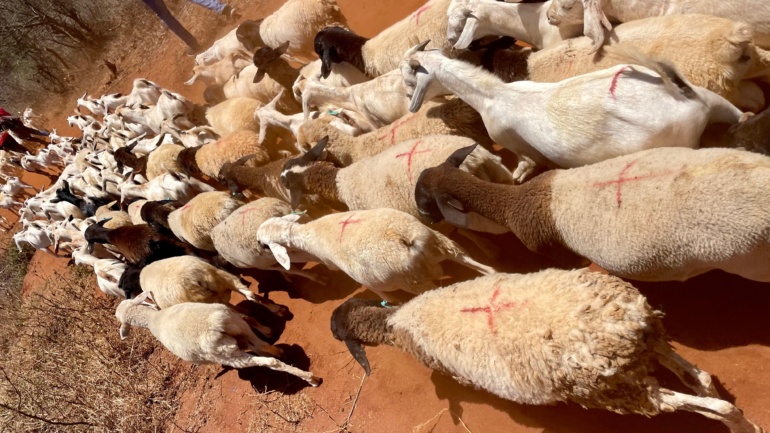

Together with their small herds, they can fill a truck and create a market opportunity that would be difficult for individual pastoralists
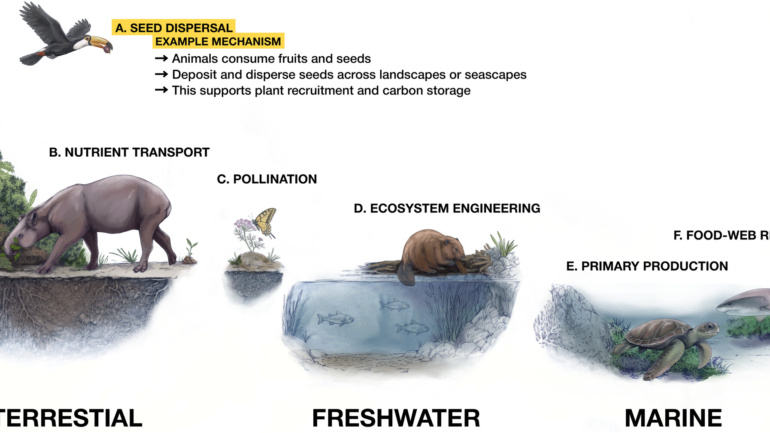
Wild animals interact with systems as they move nutrients, disperse seeds, influence vegetation, alter food webs, and terrestrial ecosystems
For pastoralists, the issue can be particularly important because many of the landscapes they manage sit outside conventional protected areas
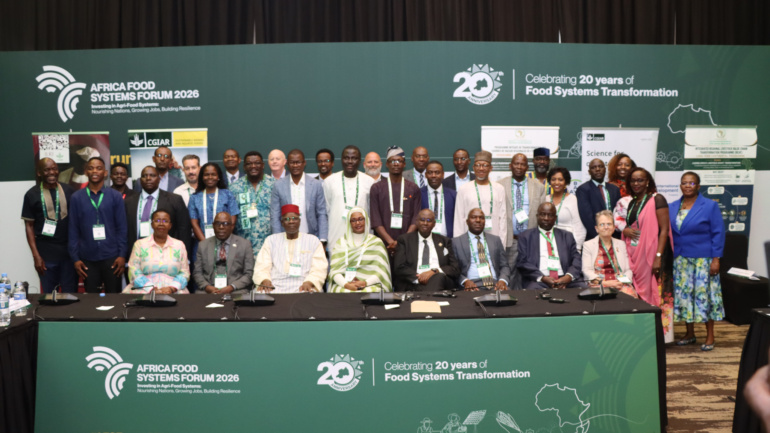
Africa holds about one-fifth of the world’s livestock, yet produces only five per cent of global milk, while spending billions on food imports
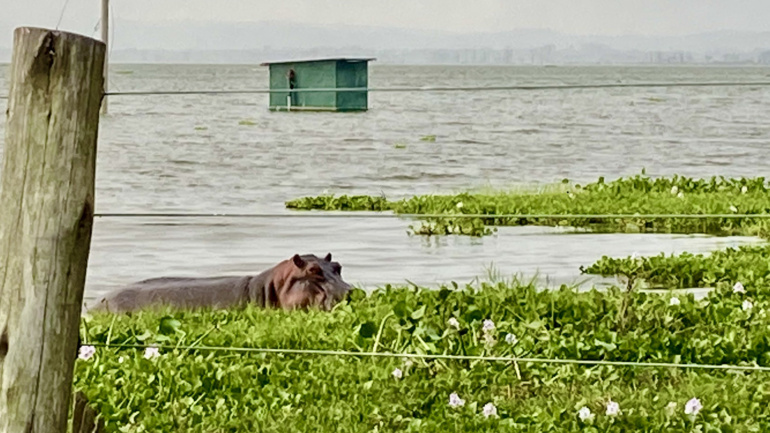
The language used to describe what’s happening to Naivasha’s wildlife, hippos, buffaloes, giraffes, and zebras borrows from crime reporting.
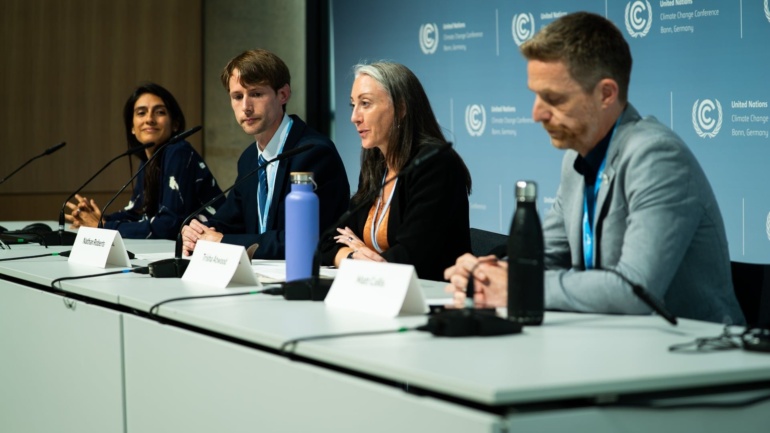
The 287 scientists from six continents have united behind a Scientific Consensus on Wildlife and Climate, urging governments for wild animals
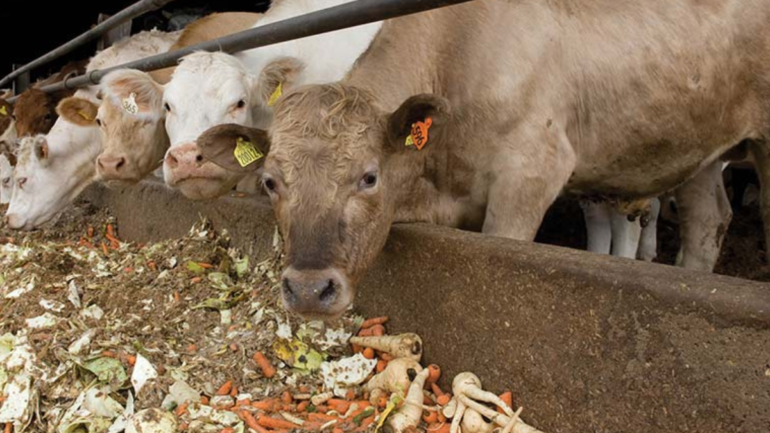
Economic incentives continue to favour high-output, industrial systems; intensive animal agriculture, for their long-term impacts on water

The launch positions AABNet and its partners as leaders in coordinating livestock genetic conservation and improvement across Africa.

The report identifies pathways for integrating animal welfare and health into global governance to ensure collective action in the world

Reducing emissions is one of the most crucial steps toward healing the planet from the effects of climate change. The livestock supply chain industry, which according to the Food and Agriculture Organization (FAO) contributes about 14.5% of global greenhouse…