The IEA cautions that electrification alone cant deliver climate goals as they are attainable if electricity comes from low-emissions sources

The IEA cautions that electrification alone cant deliver climate goals as they are attainable if electricity comes from low-emissions sources
Germany has unveiled a national roadmap to end its dependence on coal, oil and gas by 2045, translating the COP28 agreement into domestic energy policy. While the plan signals progress towards cleaner energy and greater energy security, questions remain…
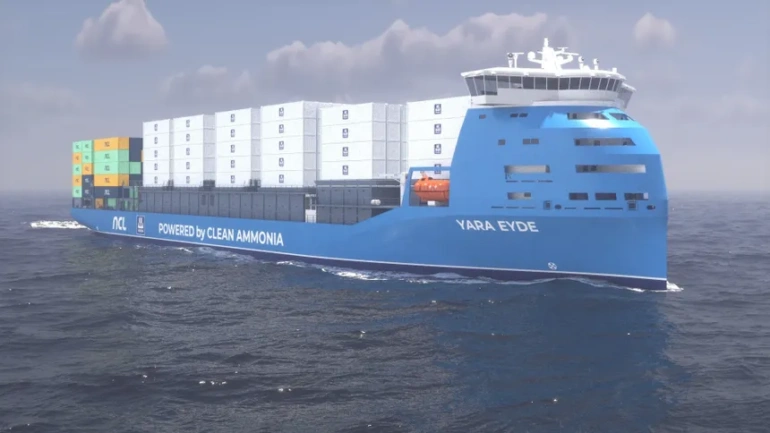
The shipping industry is under growing pressure to cut its greenhouse gas emissions. With shipping historically accounting for nearly 3% of global anthropogenic carbon dioxide emissions, the search for cleaner marine fuels has become increasingly urgent. The International Maritime…
It’s expanding wind and solar capacity, domestic clean-energy, battery development and the growing EV market for a broader energy transition
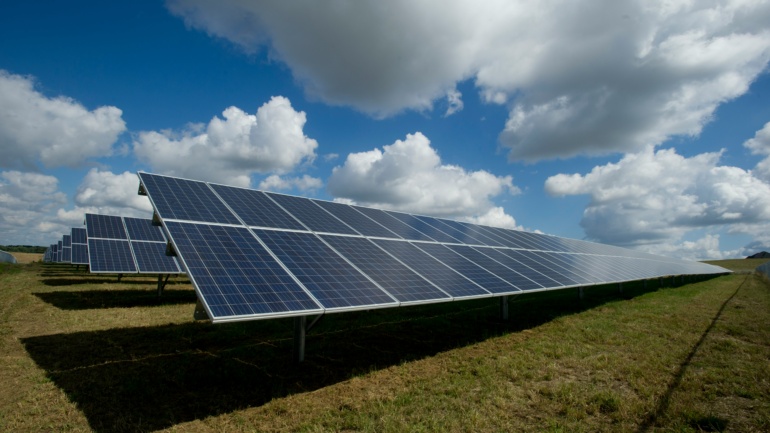
The International Energy Agency has estimated that Africa receives around 2 per cent of global clean-energy spending despite the vastness
Passenger transport often dominates conversations about electric mobility, but Africa’s transport future is on how goods move the continent.
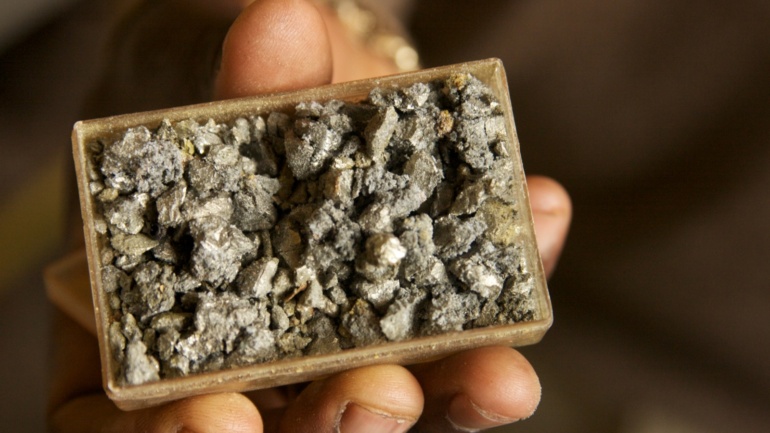
A tonne of raw concentrate and a tonne of refined metal command different values in the markets that matter.
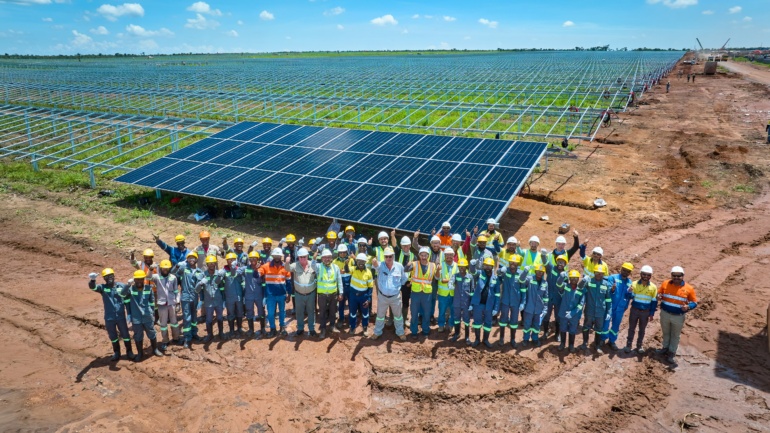
On the red earth outside Kolwezi, in the heart of the Democratic Republic of Congo’s (DRC) Copperbelt, more than 357,000 solar panels now sit beneath the same sun that has long shaped life in the region. Although these panels…
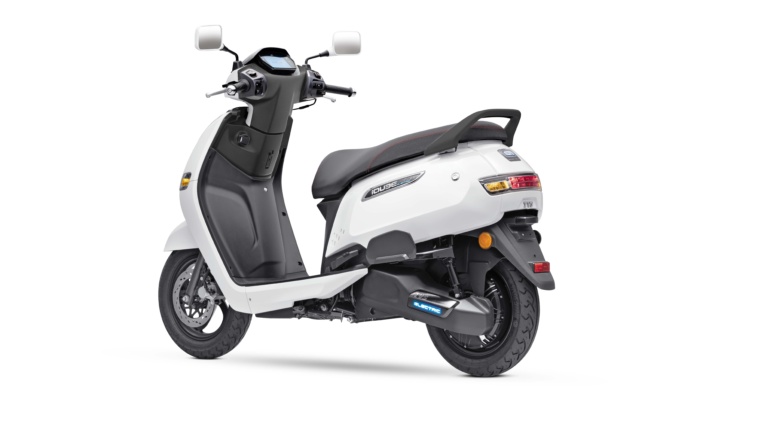
Indian two- and three-wheeler manufacturer TVS Motor Company enters Kenya’s electric mobility market launching its TVS iQube electric scooter
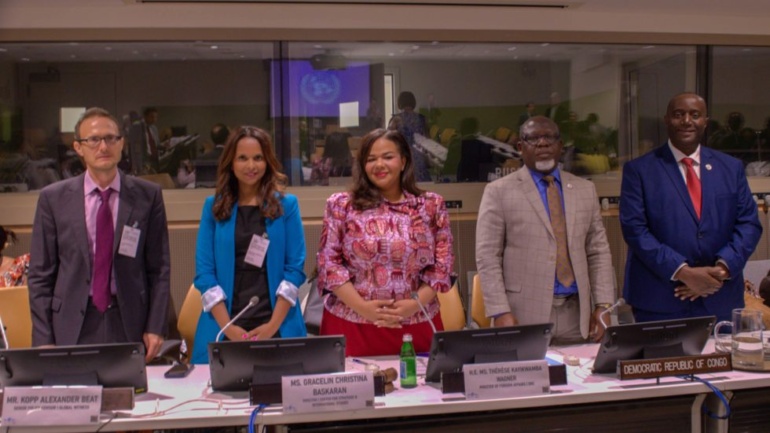
The ICGLR has been building the regional architecture for responsible mineral governance, and a framework exists, but gaps in implementation