A continent, home to a third of the world’s livestock, Africa plays a vital role in shaping a sustainable future for livestock farming. And, for the first time, Africa, in Nairobi, Kenya, is hosting the 9th edition International Greenhouse…


A continent, home to a third of the world’s livestock, Africa plays a vital role in shaping a sustainable future for livestock farming. And, for the first time, Africa, in Nairobi, Kenya, is hosting the 9th edition International Greenhouse…

In recent years, there has been a significant shift in the food industry, as consumers in Kenya and globally are becoming increasingly aware of the health risks associated with food grown with chemical inputs. Consequently, they are actively seeking…

“The scale of the hunger crisis across the region is deeply alarming, with more people affected than the entire population of many countries elsewhere,” said Eric Perdison, the World Food Programme’s Regional Director for Eastern and Southern Africa, during…
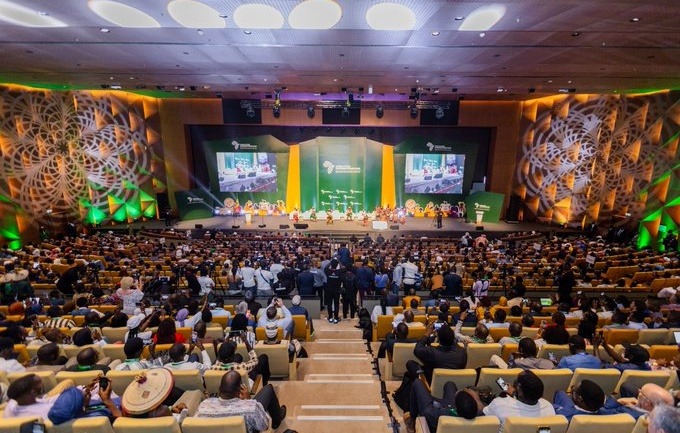
Africa Food Systems Forum, themed “Africa’s Youth: Leading Collaboration, Innovation, and Implementation of Agri-Food Systems Transformation.”

This innovation reflects how Kerry is committed to more resilient and sustainable food systems, with input prices soaring for cocoa
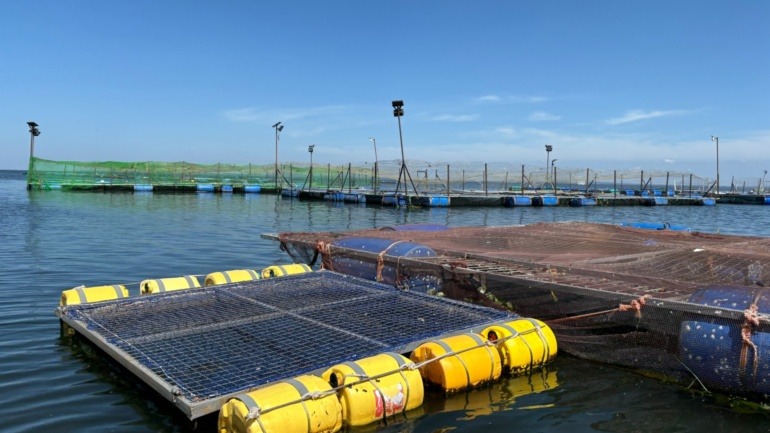
In 2023, the fish farming industry in Kenya produced 31,767 metric tons, valued at approximately KSh 10.0 billion. Despite the sector’s value, it is faced with challenges. According to a new study, mass deaths of farmed tilapia have become increasingly common,…

SOFI 2025 is a critical reminder that we must intensify our efforts to ensure access to sufficient, safe, and nutritious food for all

In Kenya and across East Africa, food companies are reimagining the role of science and technology in pioneering food security solutions.

According to Robert Masumbuko, the AfDB Country Representative in Benin, the investment will help farmers adapt to climate risks

According to the United Nations’ Food and Agriculture Organization, small-scale fisheries account for nearly 40% of the global fish catch. Despite climate change threats, governments lack data to help fishers adapt. To help address that gap, the international research partnership CGIAR recently…