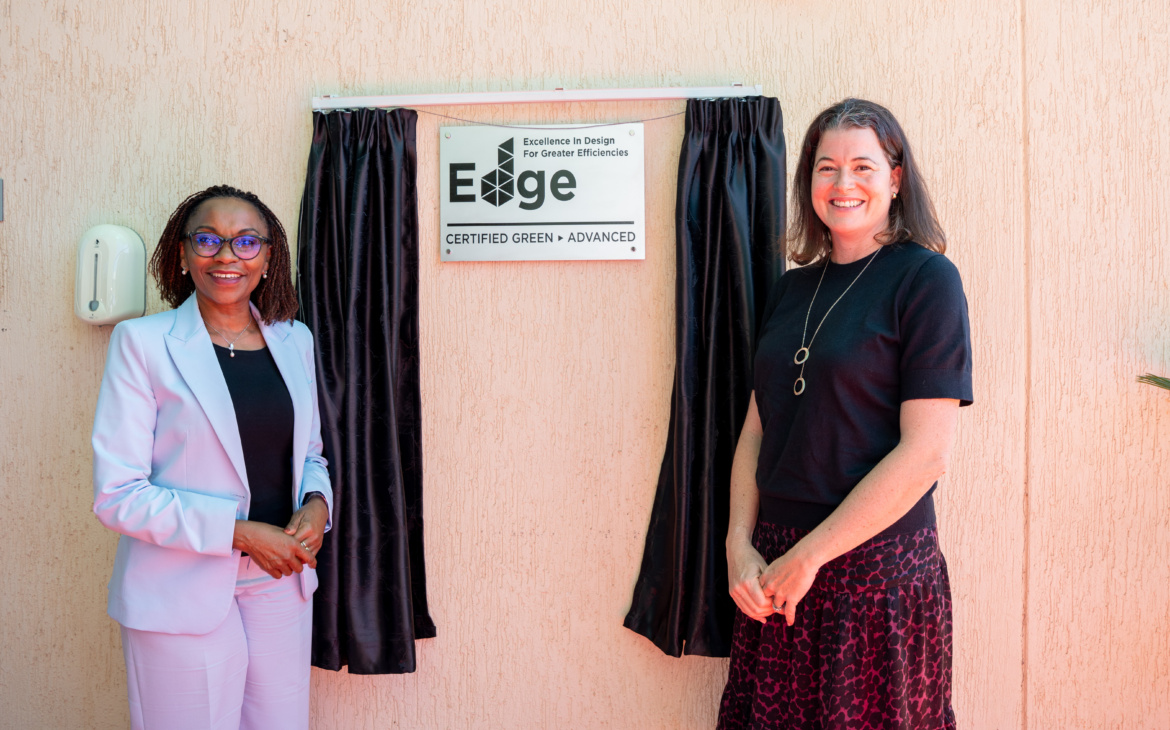
Kenya Wine Agencies Limited (KWAL) has become Kenya’s first manufacturer to earn the globally recognised EDGE (Excellence in Design for Greater Efficiencies) certification, marking the end of an eight-year journey to build one of the country’s most energy-efficient factories.
The certification, unveiled on 26th August 2026 at KWAL’s Tatu City plant, confirms that the Heineken Beverages International subsidiary has cut energy use by 44%, water consumption by 28%, and the embodied energy in its building materials by 53%.
EDGE is an international green building standard developed by the International Finance Corporation (IFC), a member of the World Bank Group, and has been adopted in more than 170 countries. It requires developers to demonstrate at least a 20% reduction in energy, water, and material-related carbon footprint to qualify.
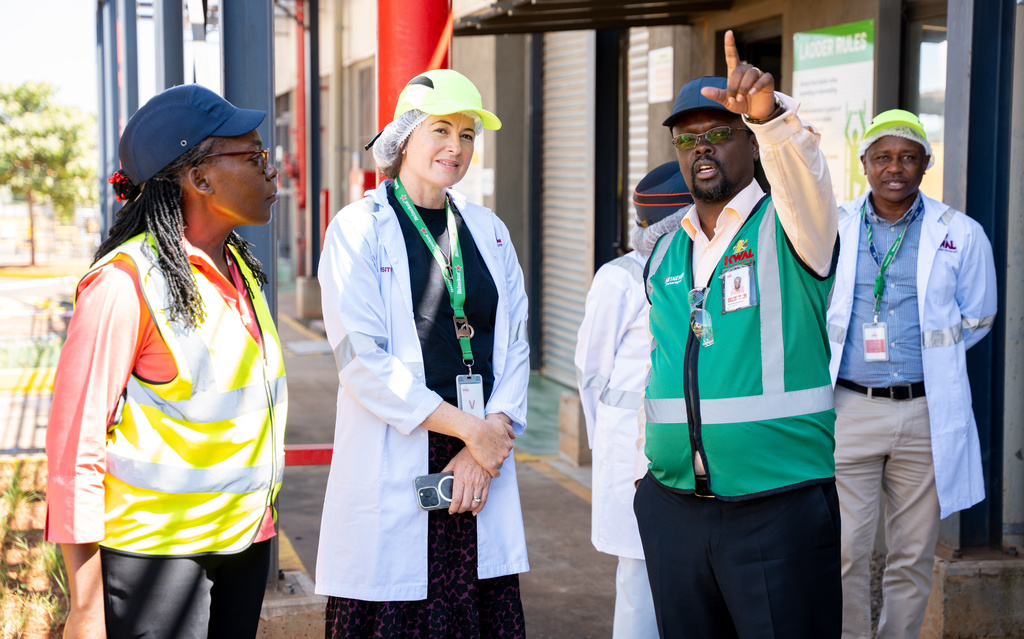
“KWAL’s achievement of EDGE Advanced certification is a remarkable demonstration that economic growth and environmental responsibility go hand in hand,” said Gill Rogers, IFC Head of Country Office, Kenya.
“Through practical, commercially viable solutions, KWAL has delivered a 44% reduction in energy use, a 28% reduction in water consumption, and a 53% reduction in embodied energy in materials, results that represent real resources conserved every single day.”
A plant designed for efficiency from day one
Unlike many green retrofits, KWAL’s Tatu City facility was built with EDGE standards in mind from the outset. According to Mwenda Kagenu, KWAL’s Supply Chain Director, the process began in 2018, when the company finalised the designs for the plant.
“It’s really a momentous day that we have with the EDGE certification plaque unveiling,” Kagenu said. “This was the culmination of a long journey that we started in 2018 when we set the designs for Tatu.”
An initial audit in 2019 assessed the plant’s designs against EDGE requirements as construction got underway. The final piece of the puzzle, a rooftop solar installation, was completed in 2025, triggering a second, more rigorous audit to verify that KWAL’s real-world performance matched its earlier projections.
“In 2025, after installing the solar project, which was the last project to meet the requirements, we then went through a second audit that was meant to confirm that the declarations we had made on energy efficiency and water efficiency had actually been met,” Kagenu explained.
“So today was the culmination of that project.”
Solar power at the centre of the story
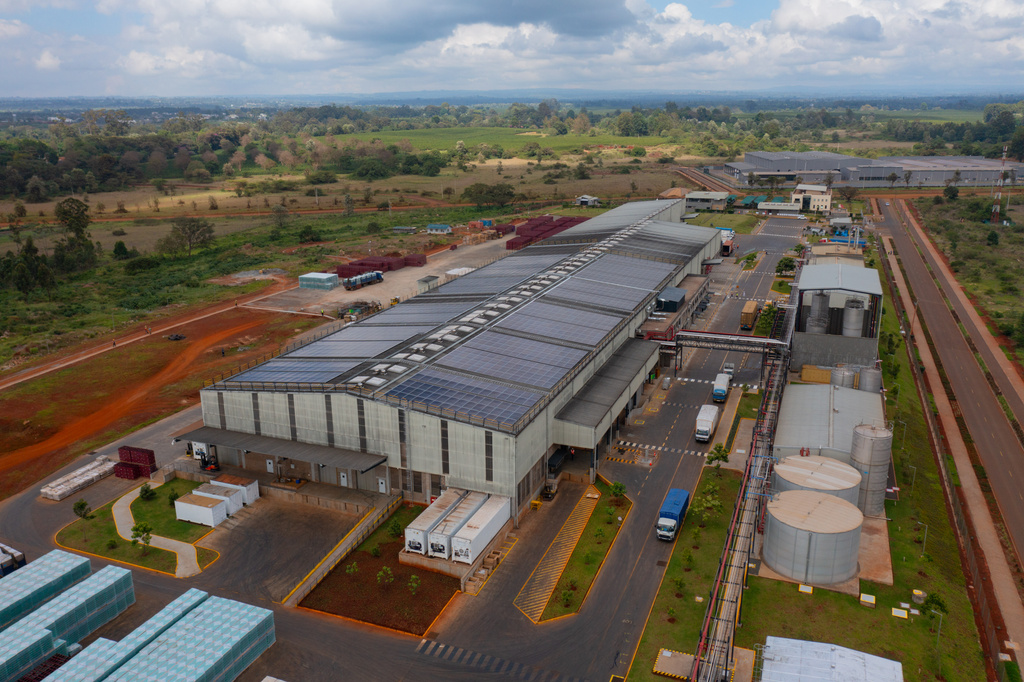
The 700-kilowatt rooftop solar plant, built in just eight months, now supplies 20% of KWAL’s annual power needs. The project was financed through a Power Purchase Agreement (PPA) model, alongside a water recycling initiative and motion-sensor lighting across KWAL’s offices.
The impact has shown up directly on the balance sheet. The company reports an estimated 10% cut in annual energy costs, a figure Kagenu corroborated from the operations side: “We’ve actually seen that in our bottom line with seven to ten percent reduction in our energy cost, and we’ve also seen benefits in terms of carbon reduction, almost 14 percent carbon reduction versus last year.”
For a country grappling with high energy costs and periodic grid instability, the investment also functions as a hedge. On-site solar generation gives KWAL a buffer against both rising tariffs and supply disruptions.
What’s next
KWAL has confirmed plans to more than double its solar capacity, from 700KW to 1,500KW, signalling that Tuesday’s certification is a milestone rather than an endpoint.
“KWAL continues on its journey to lead the way in responsible manufacturing,” said Lina Githuka, Managing Director, KWAL.
“We are deepening the synergies between our transformative growth and expansion ambitions to create a future-proof, sustainable business. This certification is a strong testament to our team’s commitment to our purpose to Craft a Better World.”
The certification also feeds into Heineken’s global “Brew a Better World” sustainability ambition, under which the company has committed to improving water efficiency in water-stressed regions and decarbonising its operations through renewable energy adoption.
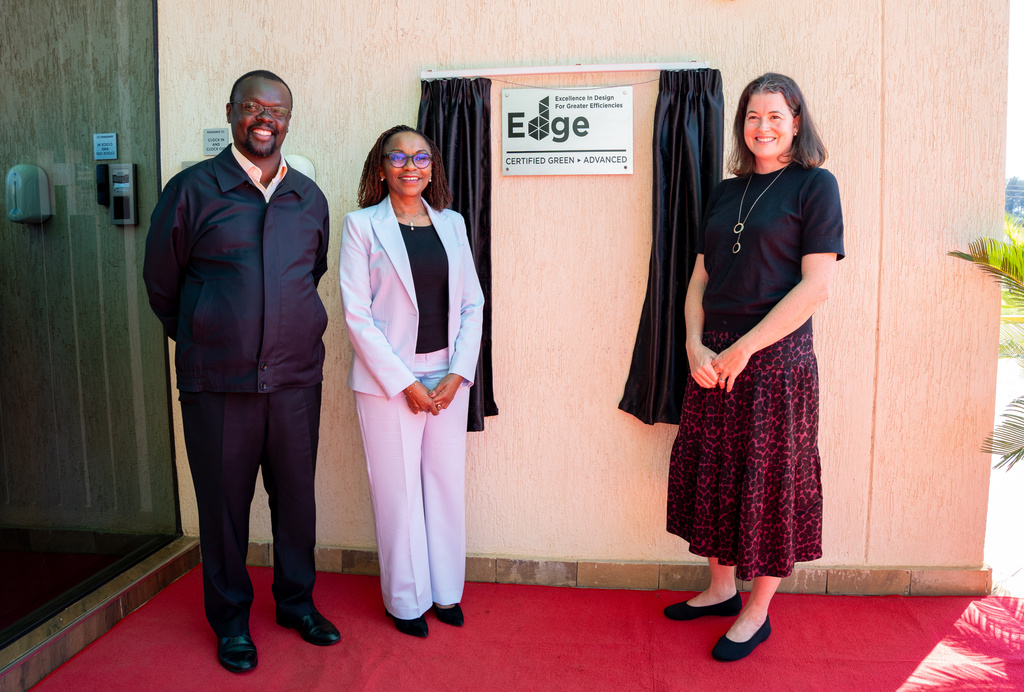
For Kagenu and his team, the milestone is as much about culture as it is about kilowatts.
“It’s actually a beneficial program, but it speaks to sustainable buildings and also sustainable manufacturing practices, which is a strong ethos within the Heineken business,” he said. “As we go into the future, we’ll continue getting better in the way we drive sustainability within our facility.”
Author Profile

- How can we learn if we don't question?
Latest entries
 Agriculture16 October 2026“There Is No Shortcut”: A Kiambu Grower’s Decade in Mushrooms
 COP3115 October 2026Pacific Leaders Call for Urgent Climate Action Ahead of COP31
 Agriculture13 October 2026Can the buffalo fix Kenya’s milk problem? Farmers say start with the feed bill
 Events12 October 2026Cybersecurity in the Floriculture Industry