For a continent seeking to transform its food systems by 2030, the measure of progress may increasingly have to move beyond the farm


For a continent seeking to transform its food systems by 2030, the measure of progress may increasingly have to move beyond the farm

For Africa Food Systems Forum 2026 Managing Director Amath Pathe Sene, the anniversary should force the forum to look beyond its achievements
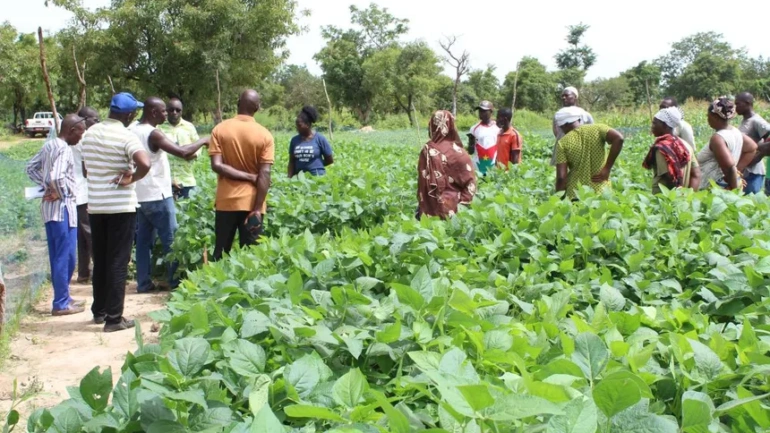
For years, the response to Africa’s declining farm yields has followed a familiar script: use more fertilizer. But across Eastern Africa, that approach has run into a hard limit, which is the soil itself. Decades of intensive farming, erosion,…
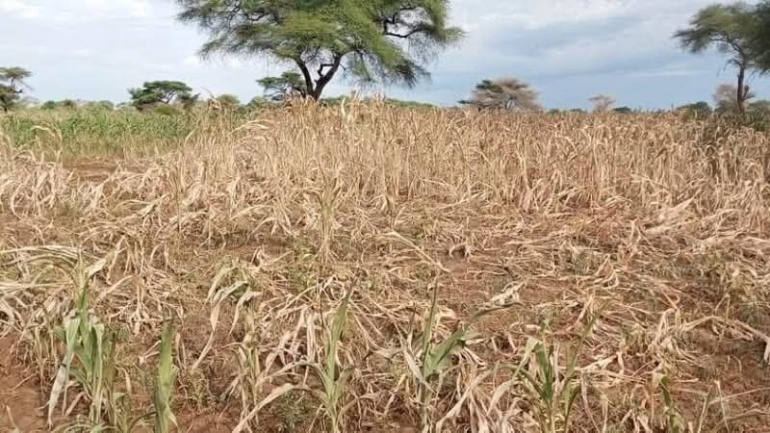
Juba, South Sudan – Authorities in Lafon County of Eastern Equatoria State have confirmed that at least eight people have died from hunger, as a worsening food crisis driven by drought, recurrent flooding, displacement, and poor road infrastructure pushes…

The Pest Control Products Board (PCPB) has intensified surveillance at Kenya’s borders and expanded farmer education programmes as part of a renewed campaign to keep illegal pesticides out of the market and promote the safe use of crop protection…

The world needs enough food as hunger tightens its grip on millions, Africa with vast arable lands, faces heightened food security crisis
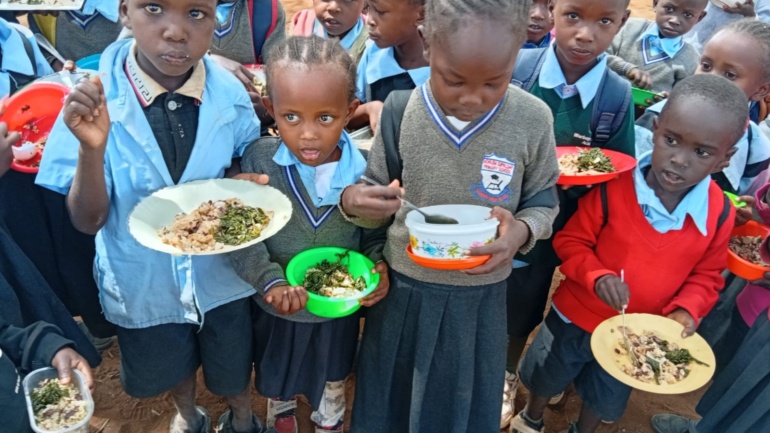
At Inaarok Lukuny Comprehensive School in Kenya’s Kajiado County, pupil enrolment has more than doubled over the past year, rising from 240 to more than 525 children. The head teacher attributes much of that growth to a simple change:…
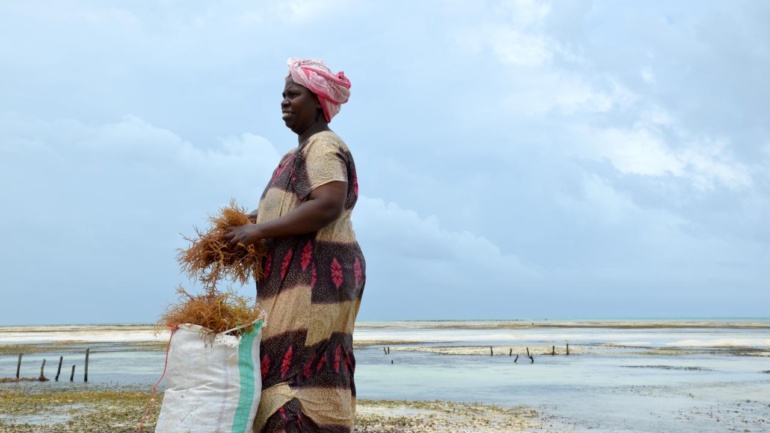
As Africa searches for sustainable ways to feed a rapidly growing population while creating jobs and adapting to climate change, attention is increasingly turning to the continent’s rivers, lakes and coastlines. But according to researchers at WorldFish, the future…

For decades, Africa’s food security debate has revolved around familiar questions: How can the continent produce more food? What technologies are needed? Who will fund agricultural transformation? But at the inaugural World Food Prize Foundation DialogueNEXT Africa held in…
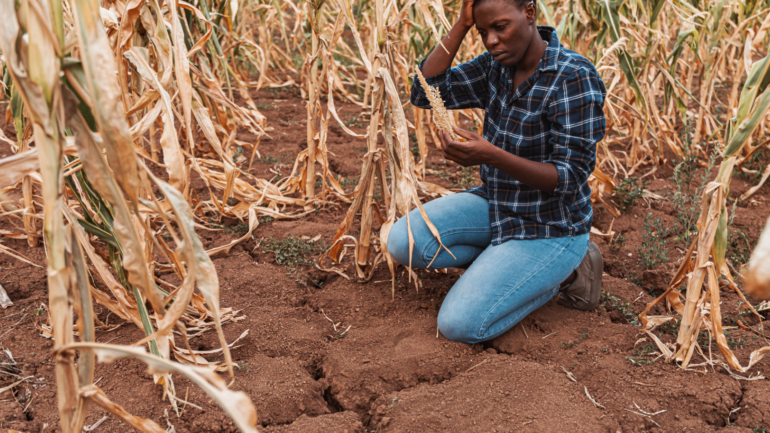
Agricultural workers and agrifood systems are on the frontlines of climate change, as extreme heat events increasingly threaten the livelihoods, health, and labor productivity of over a billion people worldwide. But beyond being a seasonal hazard, extreme heat is…