As floods, droughts and heatwaves intensify, a new report argues that Africa is being forced to finance climate adaptation for protection from a climate crisis it did little to create.
Across Africa, climate adaptation is increasingly becoming a question of survival. Floods are destroying homes and infrastructure, droughts are threatening food production, and rising heat is putting pressure on livelihoods and economies. Yet much of the cost of preparing for these impacts is falling on the countries and communities least responsible for the climate crisis.
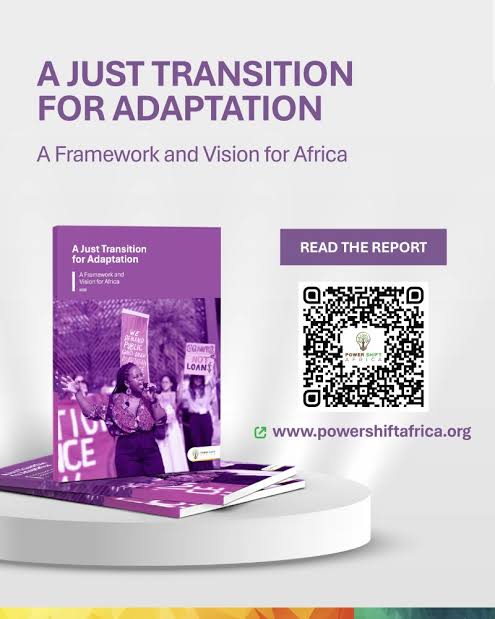
A new report by Power Shift Africa argues that these impacts should not be viewed simply as unavoidable “loss and damage”, but also as evidence of an adaptation system that has been promised, delayed and chronically underfunded.
Launched in Mombasa on October 1, A Just Transition for Adaptation: A Framework and Vision for Africa calls for adaptation to be treated as a matter of justice rather than charity.
Its central argument is stark: Africa is increasingly financing its own adaptation while international support remains far below what is needed.
Africa’s annual adaptation needs are approaching US$70 billion, while international adaptation finance was only about US$14 billion in 2021–2022. African governments are now spending more of their own resources on adaptation than they receive internationally, effectively subsidising a global failure to finance climate action.
At the same time, Africa accounted for about 35% of climate-related deaths globally between 1970 and 2021, despite contributing only a negligible share of global emissions.
Paying to adapt to a crisis Africa did little to create
The report argues that Africa’s vulnerability cannot be explained by climate change alone, urging a reflection on the centuries of colonial extraction, unequal trade, debt dependency, and exclusion from decision-making that have shaped the continent’s ability to respond to climate risks.
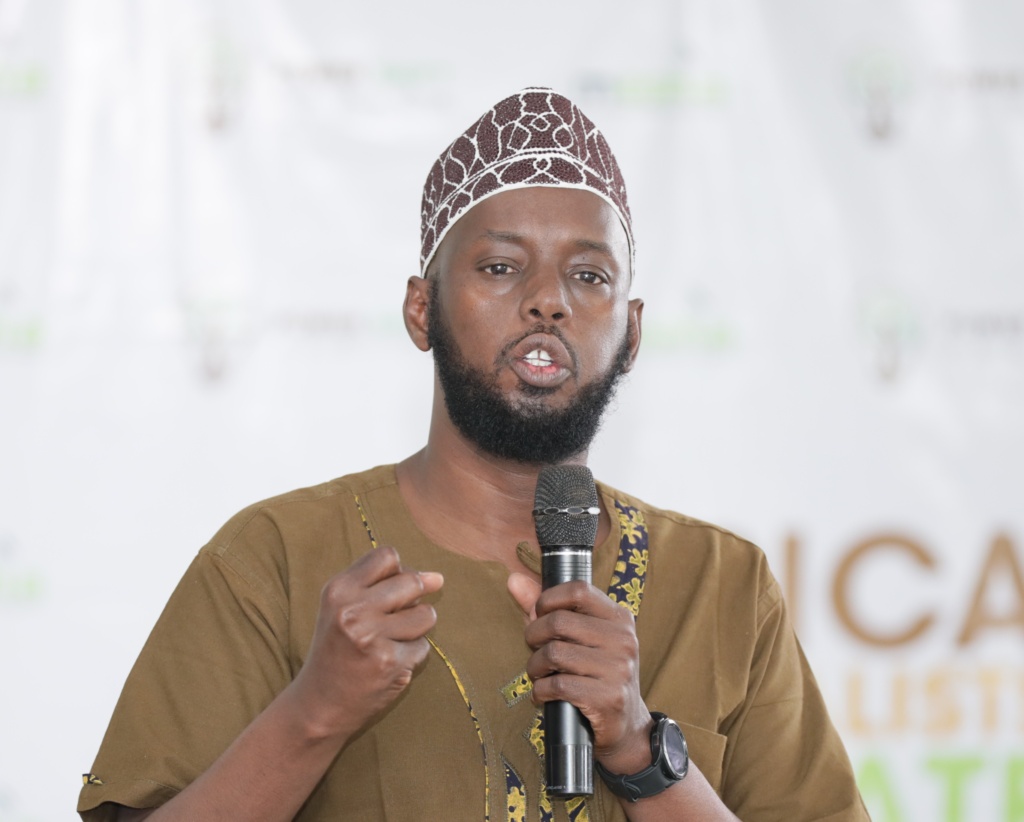
For Mohamed Adow, Founder and Director of Power Shift Africa, the impacts communities are experiencing represent more than loss and damage. “What our communities are living through is not simply loss and damage, but failed adaptation,” he says.
The distinction is important. Climate adaptation can save lives, protect livelihoods and reduce economic losses, yet international support remains inadequate and is too often delivered through loans rather than grants.
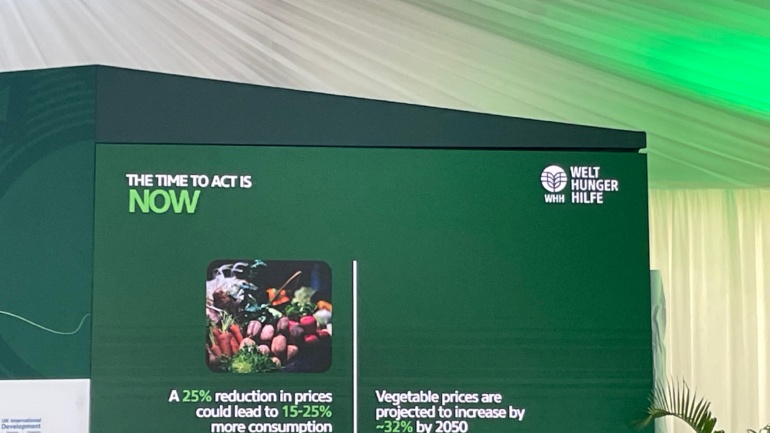
The financial pressure is particularly severe for heavily indebted African countries. The report puts Africa’s debt at roughly US$746 billion, with average interest rates of around 9.8%, compared with about 2.5% in the United States. Nearly 60% of Africans live in countries that spend more on debt service than on health and education.
Meanwhile, international public adaptation finance to developing countries fell from US$28 billion in 2022 to US$26 billion in 2023, even as estimated adaptation needs are projected to reach US$310–365 billion annually by 2035.
For Lina Adil, Policy Advisor on Climate Finance at Germanwatch, this reinforces a cycle of dependency. “Africa’s vulnerability is not a coincidence,” she says, arguing that debt and unequal economic systems continue to constrain the continent’s ability to build resilience.
The report therefore calls for debt cancellation and debt relief to be recognised as adaptation measures, alongside predictable, accessible and grant-based climate finance.
Adaptation must reach the people living with the risk
However, the report’s argument goes beyond how much money is available; it also asks who decides how adaptation is designed and whose knowledge counts. Its framework is built around four dimensions of justice: recognitional, procedural, distributive and restorative justice.
That means recognising communities’ knowledge, giving affected people a meaningful role in decisions, distributing resources and risks fairly, and addressing historical and continuing forms of harm.
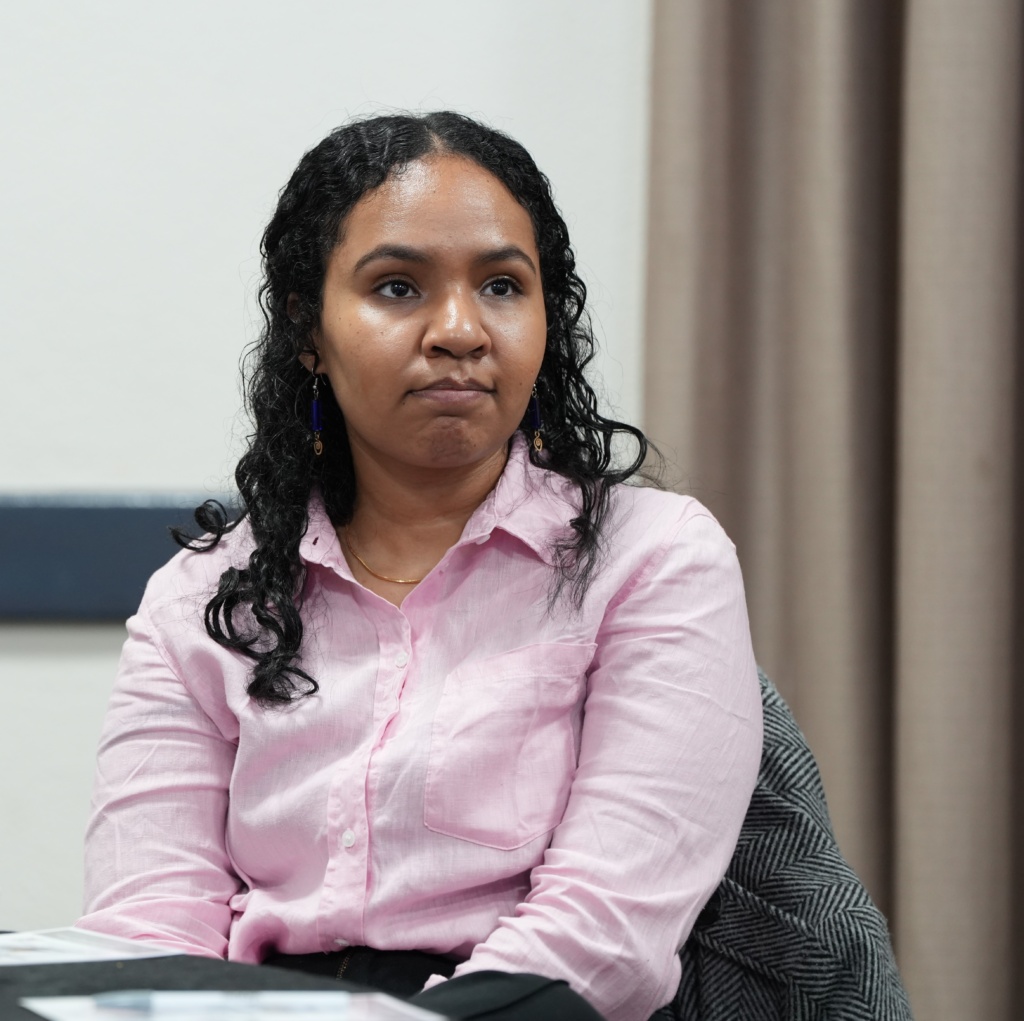
Ndivile Gugushe, Southern Africa Coordinator at the Pan African Coalition on Adaptation and Resilience, says communities have been adapting for generations. “No community adapts alone,” she says, pointing to schools that become shelters, clinics that remain open during crises and early-warning systems that reach pastoralists in time.
For her, adaptation finance must ultimately reach the ground.
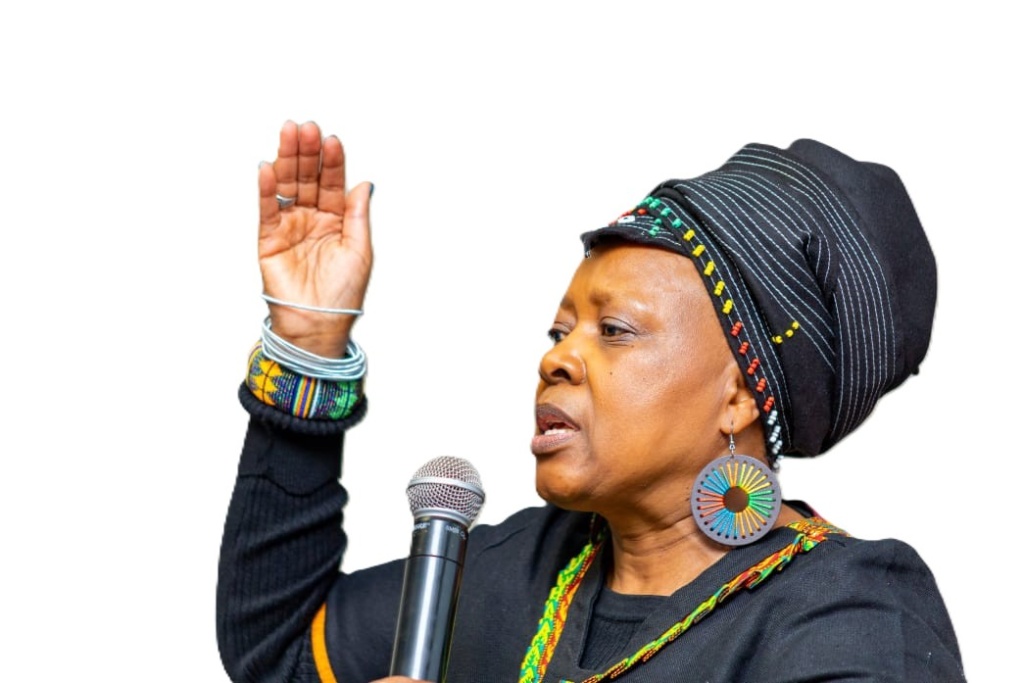
The report consequently calls for free, prior and informed consent and locally led governance to be placed at the centre of adaptation decisions, while Indigenous and local knowledge should be recognised alongside scientific knowledge.
This also challenges the tendency to portray Africa only as a climate-vulnerable continent. The report argues that Africa should be recognised as a climate leader and solutions provider, with the knowledge, agency and sovereignty to shape its own adaptation pathways.
A test for global climate politics
The debate will become increasingly important as countries move towards COP31 in Antalya, Türkiye, where governments are expected to continue discussions on the Global Goal on Adaptation and the Just Transition Work Programme.
African negotiators will also face pressure to turn the pledge to triple adaptation finance into something measurable and implementable.
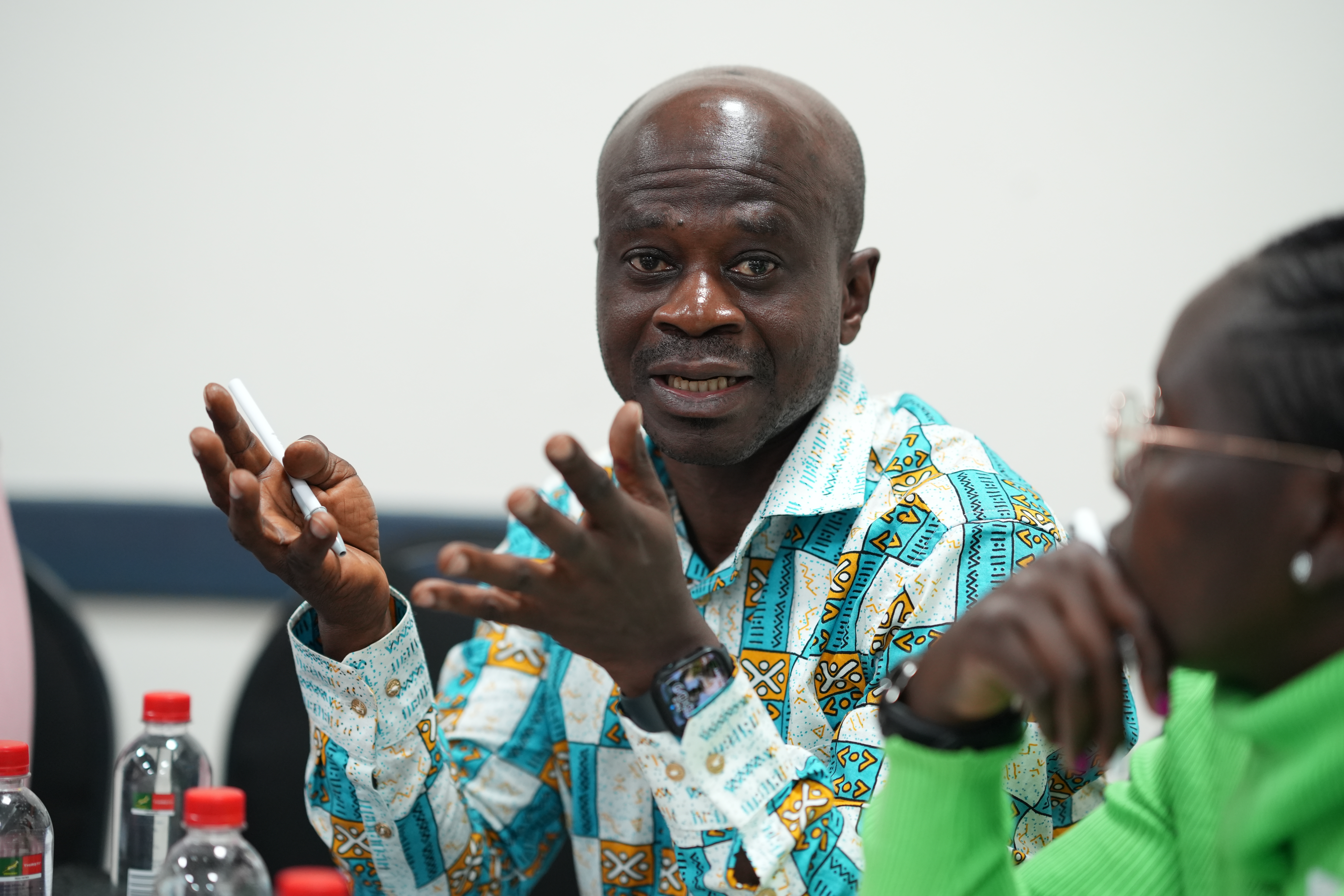
Dr Nana Antwi-Boasiako, Chair of the African Group of Climate Negotiators, says Africa is seeking to maintain parity between adaptation and mitigation while ensuring food security, water and livelihoods remain central to climate negotiations.
The process, he says, must also include civil society, women and Indigenous groups.
The bigger opportunity comes in 2027, when COP32 is scheduled to take place in Addis Ababa, Ethiopia. For Africa, hosting the climate negotiations could provide an important platform to place adaptation, climate justice and the continent’s financing needs at the centre of global climate politics.
The challenge will be turning political commitments into resources that arrive on time, without deepening debt, and that give communities a meaningful role in deciding their own futures.
Africa’s adaptation crisis, the Power Shift Africa report argues, is therefore not simply about a shortage of money. It is about who pays, who decides, whose knowledge counts and whether the people facing the greatest climate risks have the power to shape the solutions.
For a continent already spending its own resources to adapt, the question is becoming increasingly difficult to avoid: How long should Africa continue paying for a crisis it did little to create?