
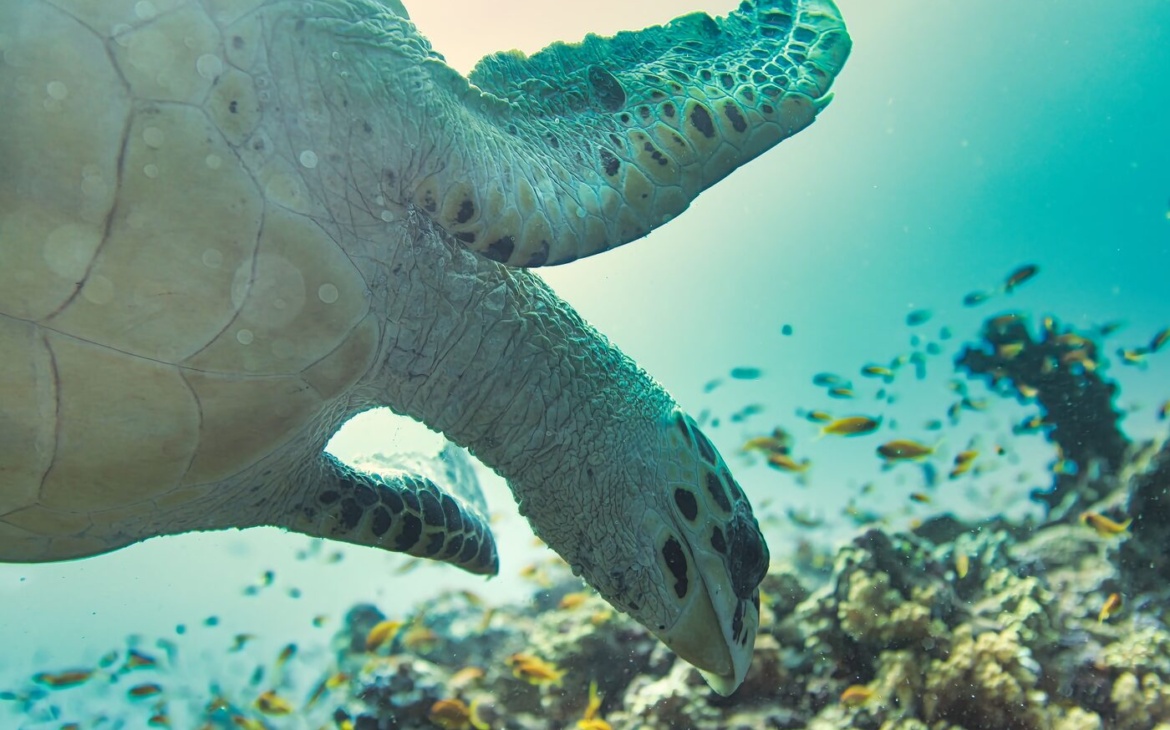
For four decades, countries bordering the Western Indian Ocean have worked through a shared regional framework to protect an ocean that does not recognise national borders.
Now, as the region gathers in Dar es Salaam for the Twelfth Conference of the Parties to the Nairobi Convention (COP12), that four-decade journey is entering a new phase, one in which cooperation must translate into action, investment and tangible benefits for both people and nature.
Held from 6–9 October 2026 under the theme, “Towards Sustainable Blue Economy in the Western Indian Ocean for people and nature: A journey of Forty Years,” COP12 comes at a time when the region is placing greater emphasis on the economic potential of its ocean while confronting mounting pressures on marine and coastal ecosystems.
The Nairobi Convention, established in 1985 under the United Nations Environment Programme’s Regional Seas Programme and entering into force in 1996, brings together ten Contracting Parties: Comoros, France, Kenya, Madagascar, Mauritius, Mozambique, Seychelles, Somalia, South Africa and Tanzania.
For these countries, the Convention provides a common platform for protecting and managing the Western Indian Ocean, while increasingly linking environmental protection with climate resilience, sustainable fisheries, marine spatial planning and blue-economy development.
That evolution is important, as the ocean is no longer being discussed only as an environmental space that needs protection. It is increasingly viewed as an economic asset capable of supporting livelihoods, investment and development, provided its ecosystems remain healthy. This is the balance COP12 is being asked to navigate.
From commitments to implementation
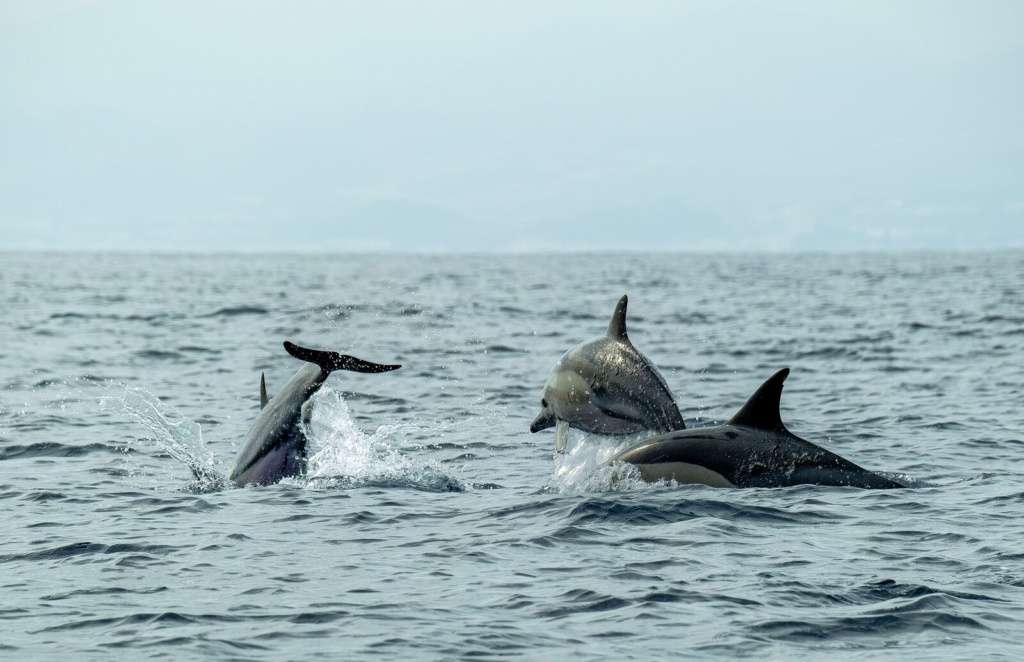
The Convention has changed considerably since its establishment. Over the past 40 years, regional cooperation has expanded to address marine pollution, biodiversity loss, climate change, integrated coastal management and the particular vulnerabilities of island states.
Its Strategic Action Programmes, including the Western Indian Ocean Strategic Action Programme and SAPPHIRE, have helped move ecosystem-based management from policy into regional initiatives.
Even though COP12 arrives with a question that increasingly defines international environmental governance: what happens after commitments are made?
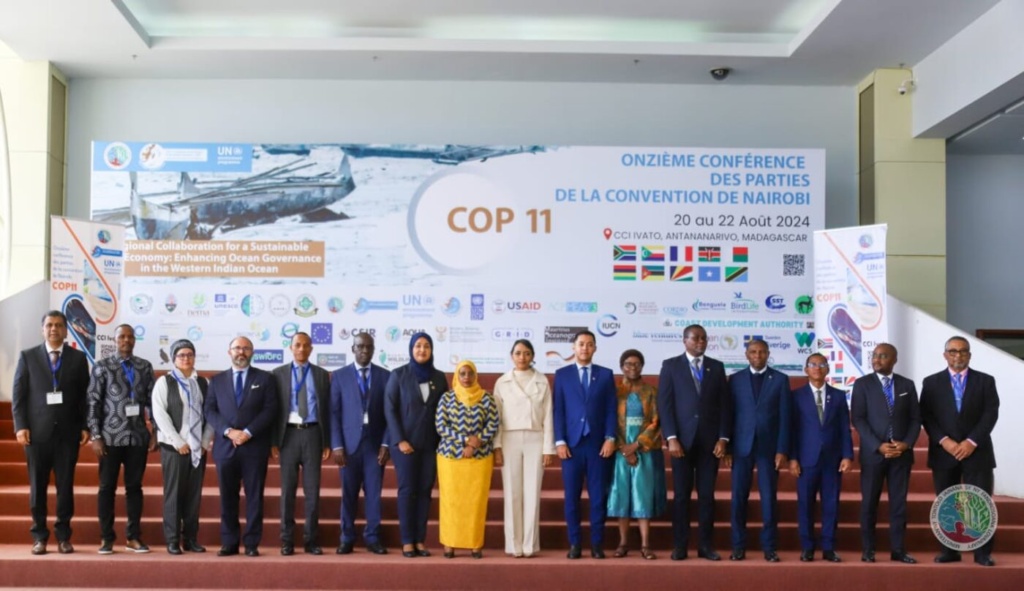
At COP11 in Antananarivo in 2024, countries adopted the Integrated Regional Programme for 2025–2035, providing a decade-long framework for implementing the Convention’s priorities. Its focus includes integrated ocean governance, marine spatial planning, source-to-sea pollution management, biodiversity conservation and stronger regional collaboration.
The accompanying 2025–2028 Work Programme is intended to turn that longer-term ambition into action. It is aligned with major global commitments including the Sustainable Development Goal on oceans, the Kunming–Montreal Global Biodiversity Framework, the Paris Agreement, the BBNJ Agreement and Africa’s Agenda 2063.
The challenge now is implementation at a scale that matches the pressures facing the Western Indian Ocean.
COP12 is therefore expected to focus on strengthening ocean governance, expanding marine spatial planning and area-based management, improving climate adaptation and resilience, tackling marine pollution through source-to-sea approaches, restoring mangroves and seagrasses, and developing sustainable blue-economy value chains.
These priorities are closely connected since a degraded mangrove is not only a biodiversity concern but can affect coastal protection, fisheries and livelihoods. Pollution flowing from land into rivers and eventually the ocean does not stop at administrative boundaries; likewise, climate impacts on coastal ecosystems cannot be addressed effectively by one country acting alone.
That is the logic behind regional ocean governance: shared ecosystems require shared solutions.
The blue economy question
For the Western Indian Ocean, however, conservation is increasingly being discussed alongside opportunity.
COP12 places particular emphasis on blue-economy investment, with the meeting expected to provide a platform for strengthening partnerships and creating opportunities for sustainable economic development.
This creates an important test: if the blue economy is to become a driver of development, investment cannot be separated from ecological sustainability. Fisheries, tourism, coastal infrastructure, marine transport and other ocean-based activities ultimately depend on functioning ecosystems.
The region therefore faces the task of building an ocean economy without undermining the natural systems upon which that economy depends.
That also means ensuring that the people living along the coast are not treated simply as beneficiaries of blue-economy policies, but as participants in shaping them.
COP12’s programme reflects this broader understanding. Alongside technical and ministerial discussions, the conference includes a Women and Youth Segment, side events, a Business Forum on blue-economy investments and commemorative activities marking Nairobi Convention @40.
A region connecting global commitments to local action
COP12 is also taking place as the international ocean governance landscape expands.
The Biodiversity Beyond National Jurisdiction Agreement entered into force in 2026, while implementation of the Kunming–Montreal Global Biodiversity Framework and the UN Decades on Ocean Science and Ecosystem Restoration are creating new expectations for countries to strengthen ecosystem protection, restoration and science-based decision-making.
For the Western Indian Ocean, these global developments provide both opportunities and responsibilities.
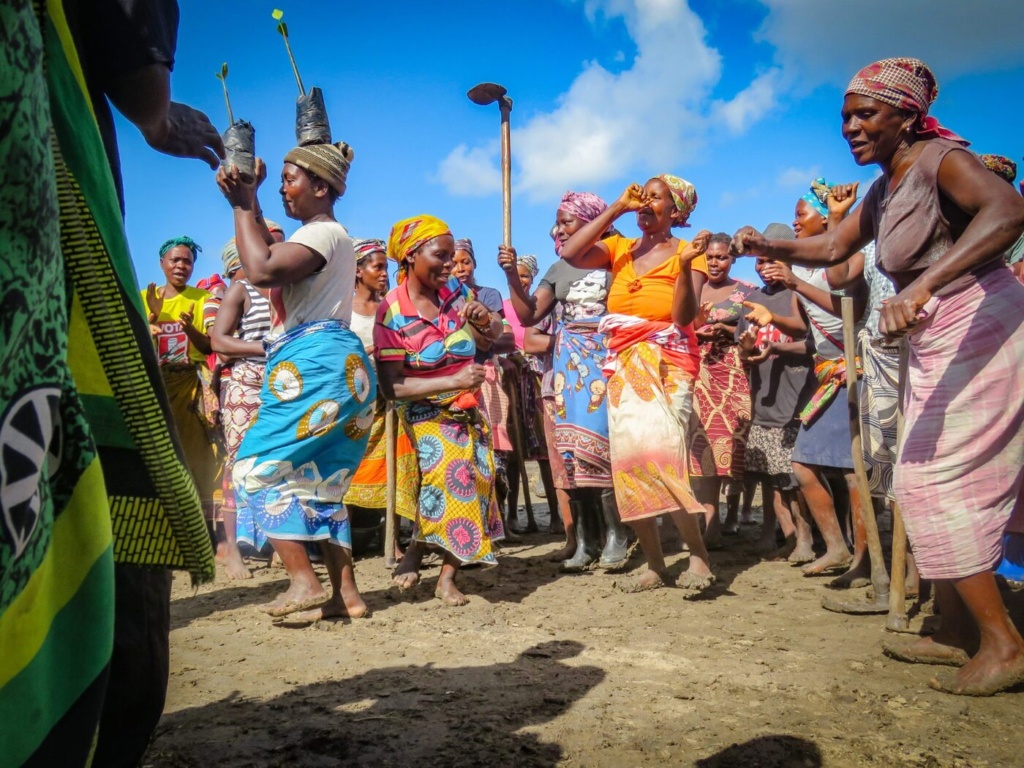
Regional institutions and countries can use them to strengthen cooperation, attract finance and improve scientific knowledge. But international commitments will ultimately have limited meaning if they do not translate into better management of marine ecosystems and stronger resilience for the people whose lives depend on them.
The Nairobi Convention already has a regional governance structure designed to support that work. Its Bureau provides policy guidance between COP meetings, tracks implementation of decisions and oversees preparations for future conferences. Tanzania currently chairs the Bureau, with Mauritius, South Africa, Somalia and Madagascar holding other leadership roles.
The next step is making this institutional architecture deliver at scale.
That will require finance, science, stronger data systems, political commitment and partnerships across governments, researchers, communities, development organisations and the private sector. The Convention’s partnerships with academic and research institutions, UN agencies, regional bodies and private-sector actors are therefore central to turning regional plans into practical interventions.
Forty years after the Nairobi Convention was established, the Western Indian Ocean has accumulated considerable experience in regional cooperation.
The question now is whether that experience can help the region enter its next chapter with greater urgency.
COP12 is more than a commemoration of four decades of cooperation. It is an opportunity to ask whether the region can convert years of policy development into coordinated action, protecting marine ecosystems while unlocking economic opportunities and ensuring that the benefits of a sustainable blue economy reach the people and communities whose futures are tied to the ocean.
The Western Indian Ocean has spent 40 years building the architecture for cooperation. The next chapter will be measured by what that architecture delivers.


