With more than $1.8 billion in announced mobilisation, countries are under pressure to turn global biodiversity targets into funded action, confront harmful subsidies and accelerate implementation before the 2030 deadline.
As the second and decisive week of the 17th Conference of the Parties to the Convention on Biological Diversity (COP17) begins, the question facing governments is no longer simply what the world must do to protect nature, but whether existing commitments can be translated into action quickly enough to halt and reverse biodiversity loss.
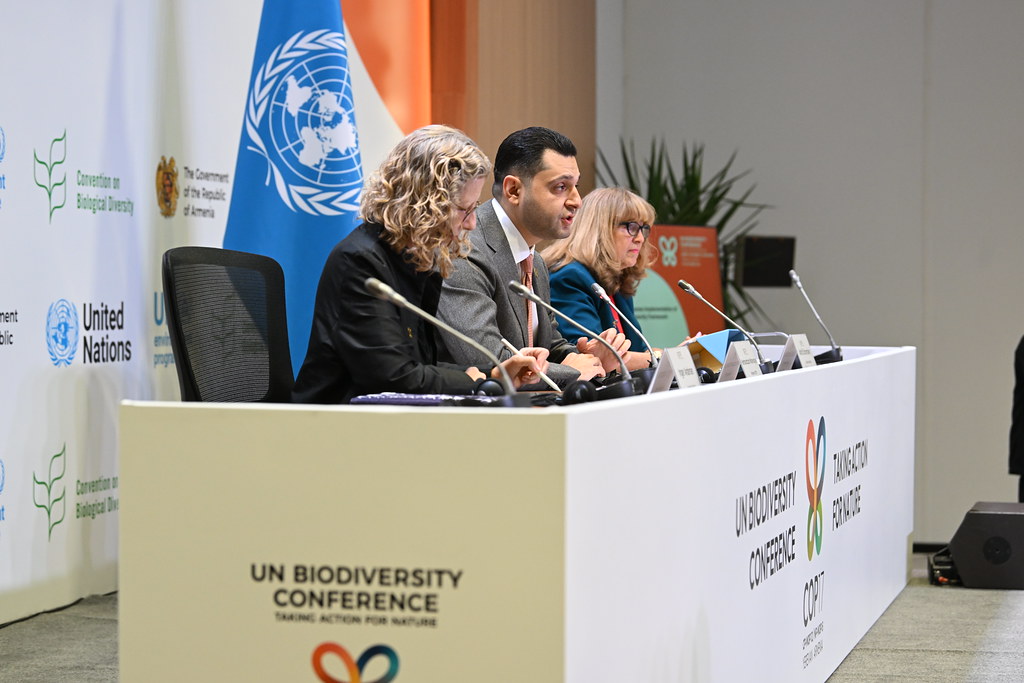
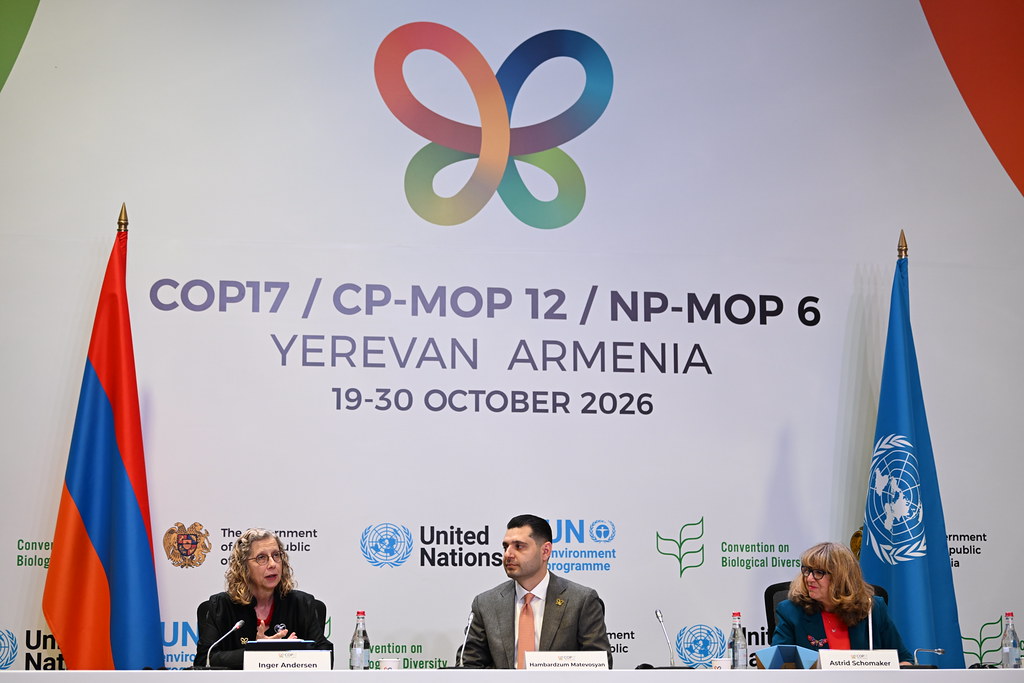
At the midpoint press conference in Yerevan, Armenia, leaders from the COP17 presidency, the United Nations Environment Programme (UNEP) and the Convention on Biological Diversity (CBD) Secretariat delivered a common message: the world has a framework for protecting biodiversity, but implementation remains behind what is needed.
The discussions come as countries work towards the 2030 targets of the Kunming-Montreal Global Biodiversity Framework (KMGBF), the international agreement adopted in 2022 to address biodiversity loss, restore ecosystems and put nature on a path to recovery.
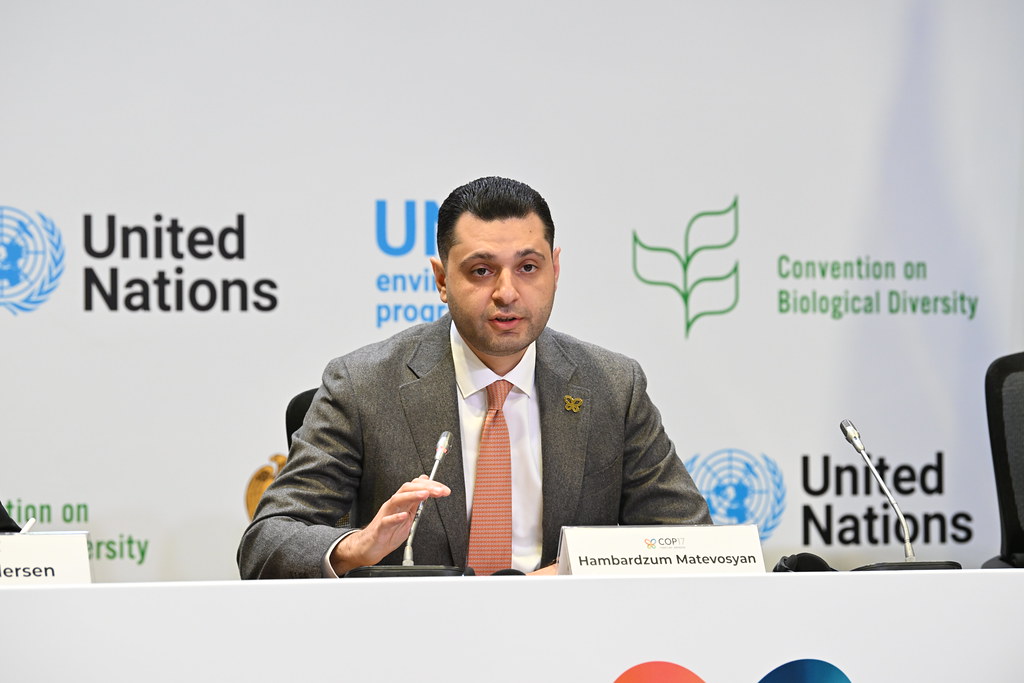
COP17 President Hambardzon Matavossian pointed out that the first week had demonstrated the value of multilateral cooperation, with parties adopting decisions on biosafety, invasive alien species, gender, education and information sharing. Despite this, he warned that the remaining negotiations must deliver more than declarations of intent as the focus shifts more to implementation.
“Ultimately, COP17 will not be judged by the number of announcements made in Yerevan, but by the lasting results we achieve together beyond COP17,” Matavossian said.
The presidency announced that more than $1.8 billion had been mobilised from governments, philanthropic organisations and investors in support of biodiversity action.
An announcement that included a $500 million pledge towards species recovery and a $300 million target by the Value Nature Fund, alongside other financial commitments.
The Netherlands also announced $500 million for the Tropical Forest Forever Facility, an initiative intended to support the conservation of tropical forests. The presidency further announced $1.4 million from the Global Environment Facility for the conservation and restoration of Lake Sevan in Armenia.
These announcements offer a measure of momentum at a conference where finance is central to the negotiations.
However, the scale of the commitments must ultimately be assessed against the resources required to implement national biodiversity plans, restore degraded ecosystems and protect species and habitats under growing pressure.
For countries across Africa and other developing regions, the financing question is particularly significant. Delivering biodiversity targets requires sustained investment in conservation, restoration and monitoring, while ensuring that communities living alongside forests, wetlands, rangelands and other ecosystems can participate in decisions affecting their livelihoods.
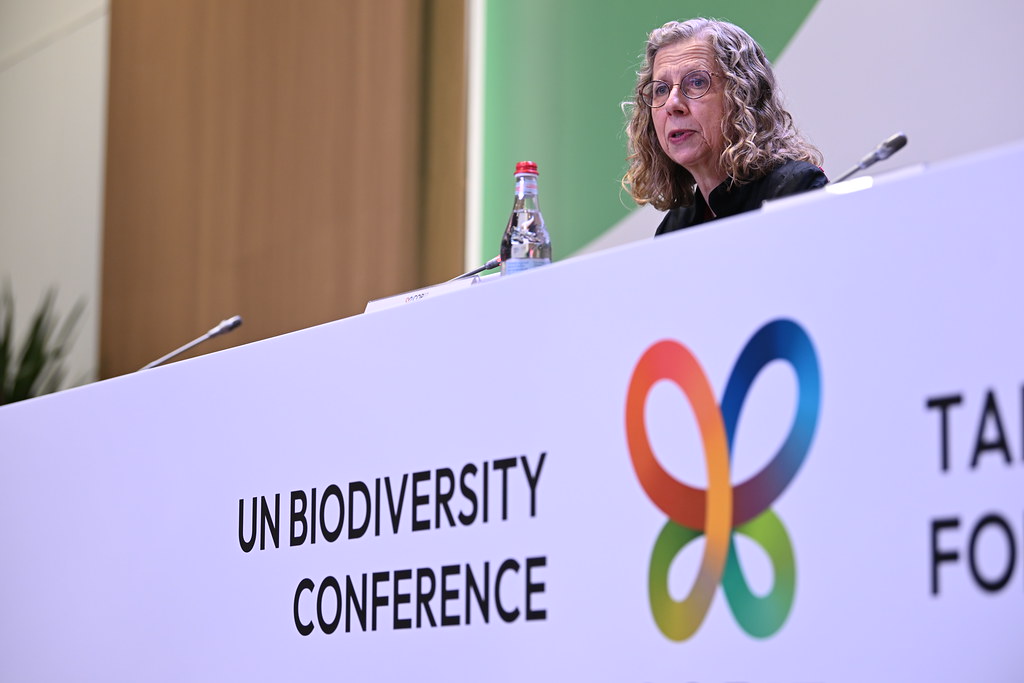
UNEP Executive Director Inger Andersen said the global response must be backed by substantially greater financial support, with nature loss recognised as an economic and social concern extending beyond environment ministries.
“Nature loss is a cost to every ministry, every community, and every business,” Andersen said.
Her remarks highlighted a central challenge for biodiversity governance: conservation cannot succeed if national economic policies and public spending continue to undermine the very ecosystems that governments have pledged to protect.
Finance, harmful subsidies and the implementation gap
A key concern emerging from the first week is the need to align economic incentives with biodiversity objectives. While governments have committed to protecting nature, financial support for activities that damage ecosystems continues to complicate efforts to meet global targets.
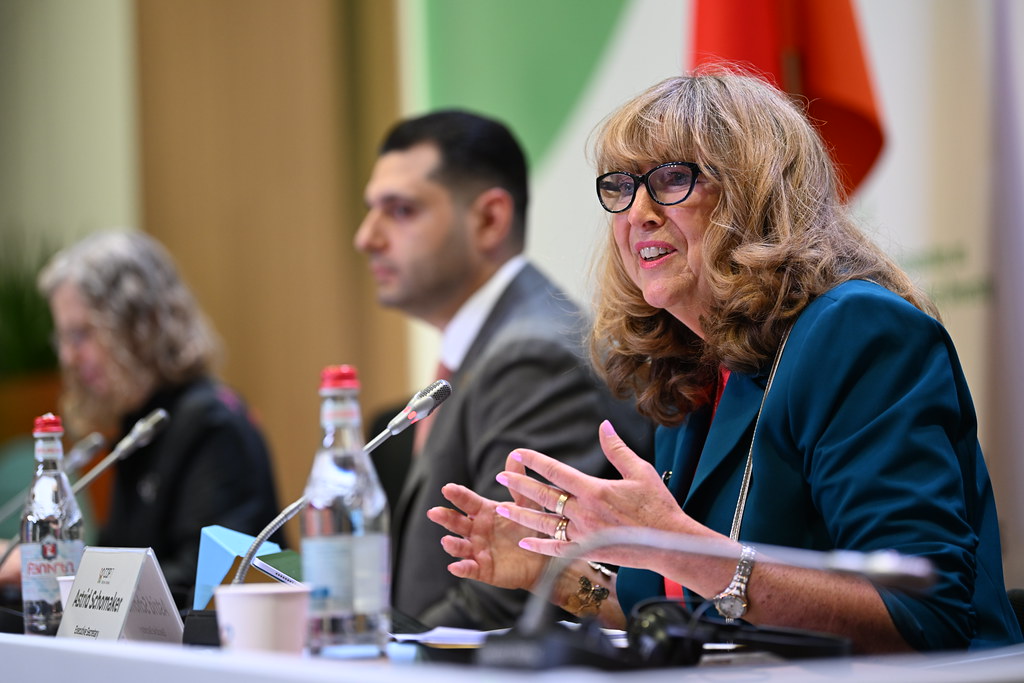
CBD Executive Secretary Astrid Schomaker described the conference through three priorities: accountability, alignment and acceleration.
Under accountability, she pointed to progress in national reporting, noting that 70 per cent of parties had submitted national reports and 90 per cent had established national biodiversity targets.
These figures indicate that countries are engaging with the global framework and putting national commitments in place. Yet reporting and target-setting are only part of the process. Their value depends on whether governments can demonstrate measurable progress in implementation.
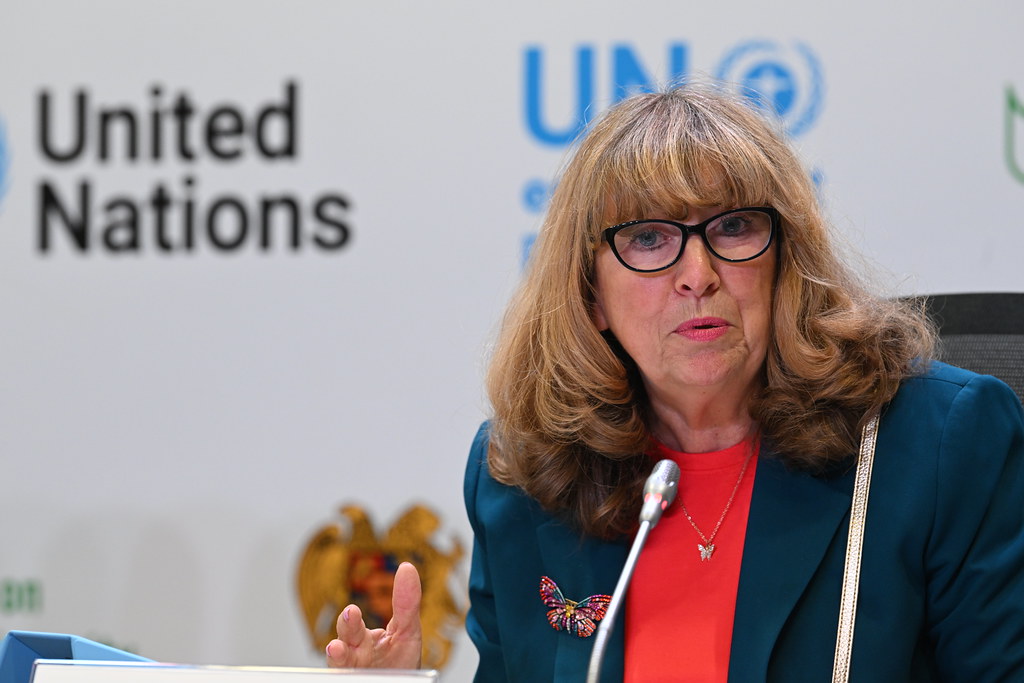
“We’re here to close the gaps,” Schomaker said, describing the task facing countries as they assess how far they have come and what remains to be done.
The second priority, alignment, concerns the relationship between biodiversity commitments and the wider financial and economic system.
Schomaker said governments must move away from spending more money on activities that destroy nature than on those that protect it. Harmful subsidies have consequently become an important issue in the negotiations, alongside efforts to scale up incentives that support conservation and sustainable use.
The COP17 presidency has introduced initiatives intended to address these implementation gaps, including work on harmful incentives and positive incentives under Target 18 of the Kunming-Montreal Global Biodiversity Framework.
The issue is particularly relevant to countries balancing conservation with food production, infrastructure development, energy needs and economic growth. Reforming harmful incentives requires more than identifying environmentally damaging expenditure; it also requires policies that support affected communities and provide viable alternatives.
For African countries, the challenge is to ensure that biodiversity finance and economic reforms support locally relevant solutions, rather than placing the burden of conservation on communities already managing pressure on land and natural resources.
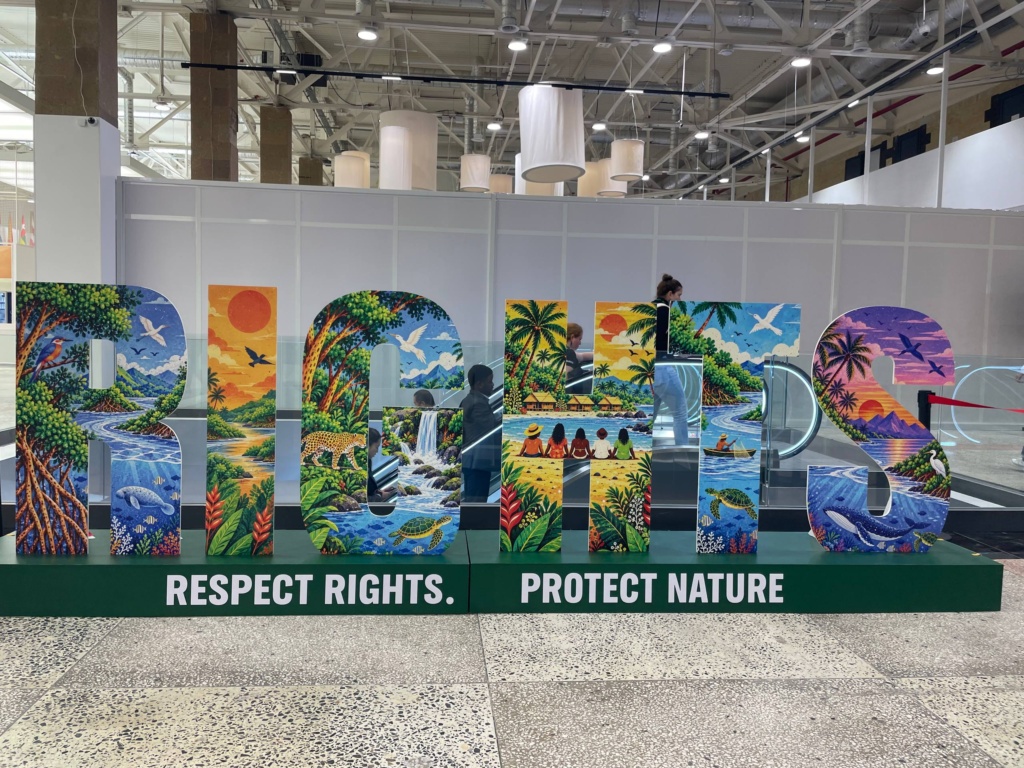
The third priority, acceleration, reflects the urgency of the 2030 deadline. “2030 is around the corner,” Schomaker said, stressing the need to move faster on agreed targets.
The conference has already adopted decisions intended to strengthen action on invasive alien species, biodiversity education, gender and biosafety.
Schomaker said the decision on invasive alien species would align guidance with scientific findings and facilitate faster access to emergency funding and technical resources.
She also highlighted the need to strengthen the gender action plan and biodiversity education, including efforts to help young people understand the importance of living in harmony with nature.
These decisions demonstrate the breadth of the biodiversity agenda, which extends beyond protected areas to include education, equitable participation, scientific cooperation and the policies that shape how societies use natural resources.
Yerevan Pathway puts implementation at the centre
As ministers and senior officials enter the high-level segment, attention is turning to the proposed Yerevan Pathway, which the presidency says is intended to connect the findings of the first global review of progress under the biodiversity framework with stronger collective action.
The pathway is expected to provide a bridge between assessing progress and accelerating implementation, although its effectiveness will depend on the outcomes countries agree to and the follow-through after the conference.
Andersen called on parties to concentrate on resolving outstanding issues, including digital sequence information, resource mobilisation and the global review.
She also emphasised the importance of cooperation among international environmental agreements, arguing that stronger coordination could support more integrated action and financing.
“We already have a roadmap. It’s called the Kunming-Montreal Global Biodiversity Framework,” Andersen said. “Now is the time, the hard time, the hard task for implementation.”
The message carries particular weight for developing countries, where biodiversity conservation is closely linked to livelihoods, food security, water resources and resilience to climate change.
Protecting ecosystems requires financing and institutional support, but also meaningful participation by Indigenous Peoples and local communities whose knowledge and stewardship contribute to conservation.
Schomaker pointed to the sense of agency emerging from the conference, arguing that governments, communities and other actors each have a role in reversing biodiversity loss.
“The biodiversity crisis is severe,” she said, acknowledging that financial mobilisation must accelerate while maintaining that collective action can make a difference.
For Climate Lens News, the significance of COP17 lies in whether these high-level commitments produce tangible results beyond the negotiating rooms. Covering stories from Kenyan pastoralist communities who are on the frontline of conservation, restoration and protection has given us a direct touch with the challenges that need to be supported if these commitments can only be meaningful and fed into implementation
The financial announcements are an important signal, but they must be followed by transparent allocation of resources, stronger national implementation and accountability for progress.
As the talks move towards their conclusion, Yerevan faces a defining test of multilateral biodiversity governance: whether countries can translate the ambition of a global framework into practical decisions that protect ecosystems, support communities and put nature on a credible path to recovery by 2030.
The next measure of success will not be the number of pledges made, but whether the decisions taken in Yerevan help close the widening gap between what governments have promised and what nature needs.
Author Profile

-
Seeker.
Inspire AFRIKA.
Latest entries
 Biodiversity28 October 2026Biodiversity Commitments Face a Defining Test as Yerevan Talks Enter Final Week
 COP1727 October 2026Caribbean Nations Turn to Regional Cooperation to Advance Ocean’s 30×30 Target
 Biodiversity27 October 2026COP17 Puts Ocean Protection in Focus, but Delivery Remains Uncertain
 Biodiversity26 October 2026Beyond Biodiversity Finance, A Justice Gap Governments Must Confront