

With nearly 2,000 members and a growing portfolio of youth-led food systems initiatives, the World Food Forum WFF Kenya Chapter is confronting questions of institutional identity, coordination and independence as it prepares for its next phase.
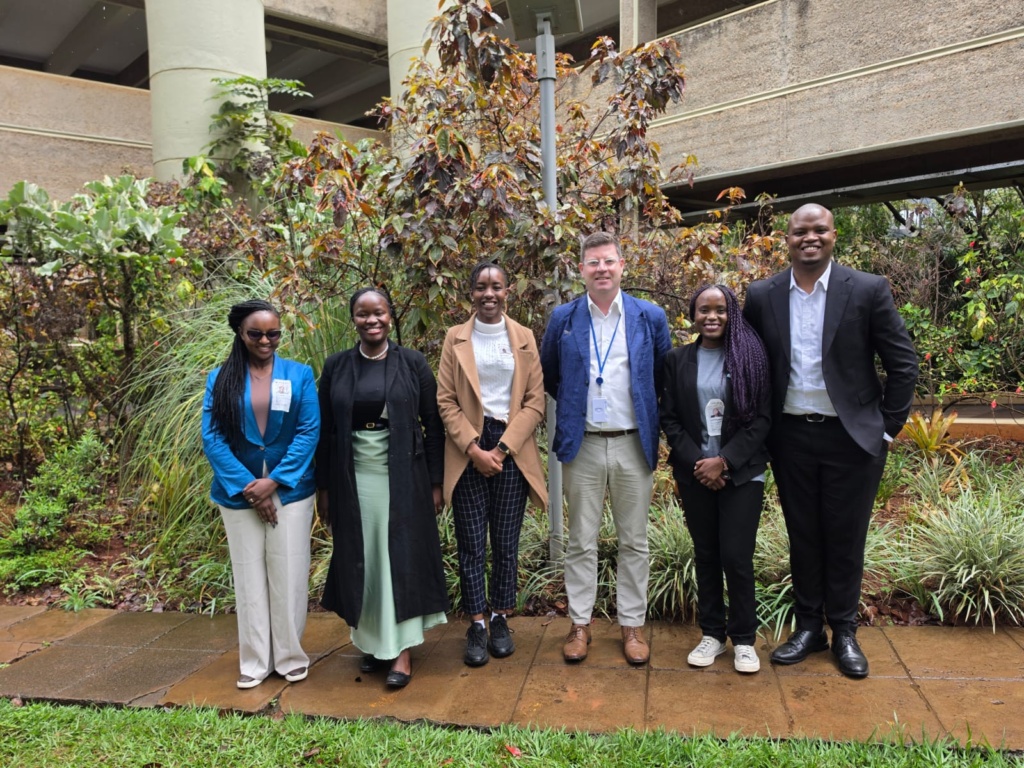
The World Food Forum (WFF) Kenya Chapter’s engagement with the FAO Resilience Team on 16 November 2026 was an opportunity to take stock of its journey, showcase ongoing initiatives and consider where the youth-led platform is headed.
Beyond reviewing activities and partnerships, the discussion opened a broader conversation about the Chapter’s institutional identity, internal coordination and the structures needed to sustain its growth.
What began as a routine engagement gradually became a reflection on how far the Chapter had come and what it would take to realise its founding ambition.
During the discussion, Victor Muiru, FAO’s Africa Regional Coordinator and one of the Chapter’s founding members, took participants back to its origins. The Chapter, he recalled, emerged from national and local consultations that exposed a persistent gap: young people were largely absent from conversations shaping food systems.
FAO and governments alike faced challenges reaching young people and engaging them meaningfully in decision-making. The initiative therefore sought to establish a platform through which youth participation could become more coordinated and influential, with early support from partners including the Government of Ireland.
The vision, Muiru explained, was always bigger than a single organisation. A national chapter should bridge coordination gaps by bringing together development partners, ministries, parastatals and institutions around a shared agenda.
“We want this to be a network of networks,” he told participants. At its heart, he emphasised, was a fundamental principle: “The goal was for the chapter to be a youth-led process easing conversations with the national chapter.”
That vision continues to shape the Chapter’s identity, which was established as a national youth-led platform aligned with the WFF Global Youth Action Initiative.
It brings together close to 2,000 members to mobilise community action, develop local solutions and connect young people with government, development partners, the private sector and academia, with work that spans policy and advocacy, entrepreneurship, incubation, education and capacity building, culture and heritage, resilience, and young women’s empowerment.
The Chapter’s 2026 activities reflect an expanding presence across Kenya’s agrifood systems landscape, considering the engagements that have included regional and national policy dialogues, youth consultations, parliamentary engagements and food systems forums.
Among its notable initiatives is the biodiversity and food systems youth pilot incubator, launched in October, bringing together 25 young entrepreneurs, 10 partners and 10 mentors for enterprise support, mentorship and peer learning. The programme has been designed to strengthen youth-led innovations, with a demo-day and showcase planned for December.
Through the CASHA initiative, the Chapter has also supported youth engagement in livestock-related investment opportunities, with young people shortlisted across 15 counties. These initiatives demonstrate the potential of organised youth engagement to connect local enterprise, resilience and food systems transformation.
Yet, as Chapter Lead Christine Karanja observed, expanding opportunities for participation does not automatically translate into a strong collective youth voice.
Revealing that even as the Chapter has opened doors for young people to attend and contribute to forums they might previously have been excluded from, some participants continue to speak primarily on behalf of their respective organisations rather than the wider Chapter.
“The doors are open, but the Chapter’s own voice is getting lost on the way in,” she said
That tension informed one of the meeting’s central discussions: the need for formal registration, with members agreeing that the WFF Chapter should be registered as an independent entity, giving it a stronger institutional foundation, clearer governance arrangements and greater autonomy in setting its priorities.
It became imperative that legal recognition could also improve its ability to establish partnerships, mobilise resources and pursue opportunities as its activities expand.
However, independence also raises important questions about accountability, sustainability and the relationship between the national Chapter and the broader World Food Forum. The challenge will be to build an institution capable of operating with greater autonomy without weakening the youth-led principles and collaborative networks that underpin its existence.
The discussion also turned to internal coordination as Ms Karanja and Working Groups Coordinator Alice Ritho highlighted gaps in communication between the Steering Committee and working groups, particularly in planning and implementing activities.
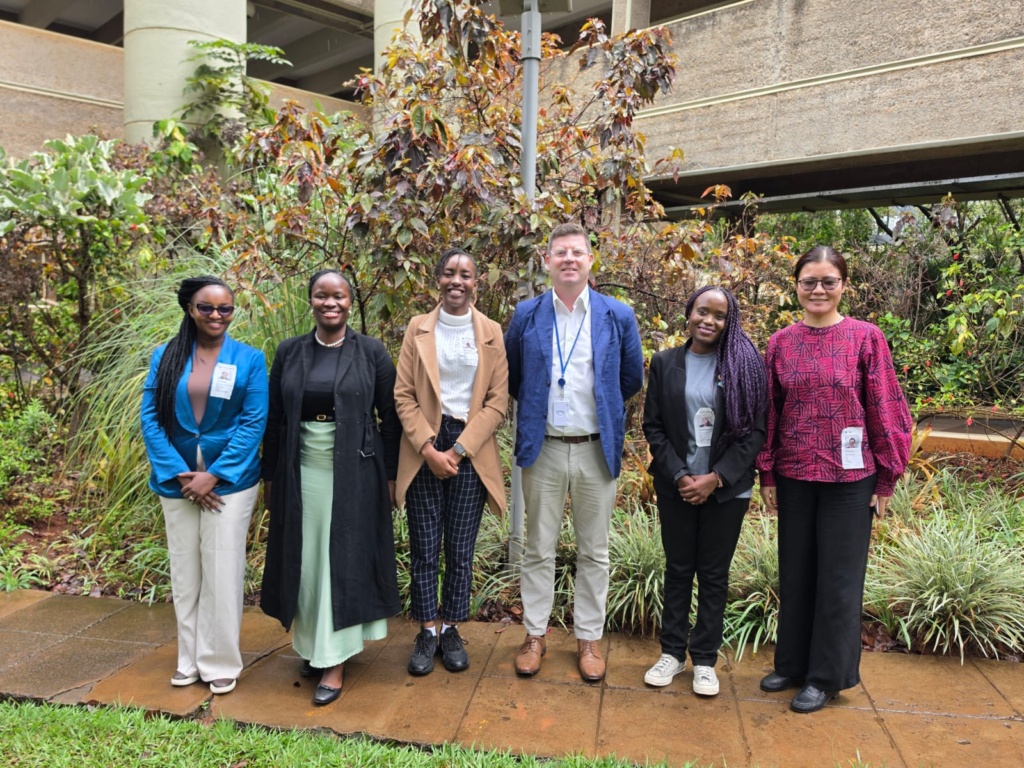
The leads of the Working Groups were encouraged to become more proactive in developing project ideas, identifying funding opportunities and creating meaningful avenues for member participation.
For a stronger institutional identity, the discussion suggested, this had to be matched with effective internal structures. Reflecting on the impact of six functional units and five working groups supporting its membership, coordination will be essential in translating the Chapter’s broad ambitions into sustained action.
The engagement concluded with agreement to convene a wider, in-person Chapter meeting on 28 November 2026. The meeting will provide an opportunity to examine the Chapter’s Concept Note and Constitution, discuss its governance and institutional direction, and establish priorities for the next phase.
For a Chapter conceived as a youth-led network of networks, the next meeting will be an important test of whether it can translate its growing activities and founding vision into an institution that stands on its own.
The WFF Chapter had an earlier meeting with the Global Network Against Food Crises, a multistakeholder initiative to prevent, prepare for, and respond to food crises. The Chapter seeks to broaden its partnering capabilities with an intent of more proactive action.
Its future will depend not only on formal recognition but also on whether the young people it brings together can build a common identity, strengthen collective ownership, and secure a meaningful role in shaping Kenya’s food systems.
Author Profile

-
Seeker.
Inspire AFRIKA.
Latest entries
 Events23 November 2026A Chapter at a Crossroads: WFF Kenya Looks Back to Move Forward
 COP3120 November 2026The Age of Electricity? Antalya’s Big Bet on 35 by 35 in COP31
 Agriculture20 November 2026Kenya’s Indigenous Seeds: The Farmers Keeping Food Sovereignty Alive
 Adaptation19 November 2026COP31’s Missing $120 Billion: Africa’s Adaptation Finance Battle Moves to Addis


