As African negotiators prepare for COP31 in Antalya, Turkey, the continent is pushing for accessible climate finance, stronger implementation of existing commitments and greater influence over the global climate agenda.
African climate negotiators, policymakers and development institutions have called for a shift from climate commitments to tangible action, warning that the credibility of global climate negotiations increasingly depends on whether agreements translate into results for vulnerable communities.
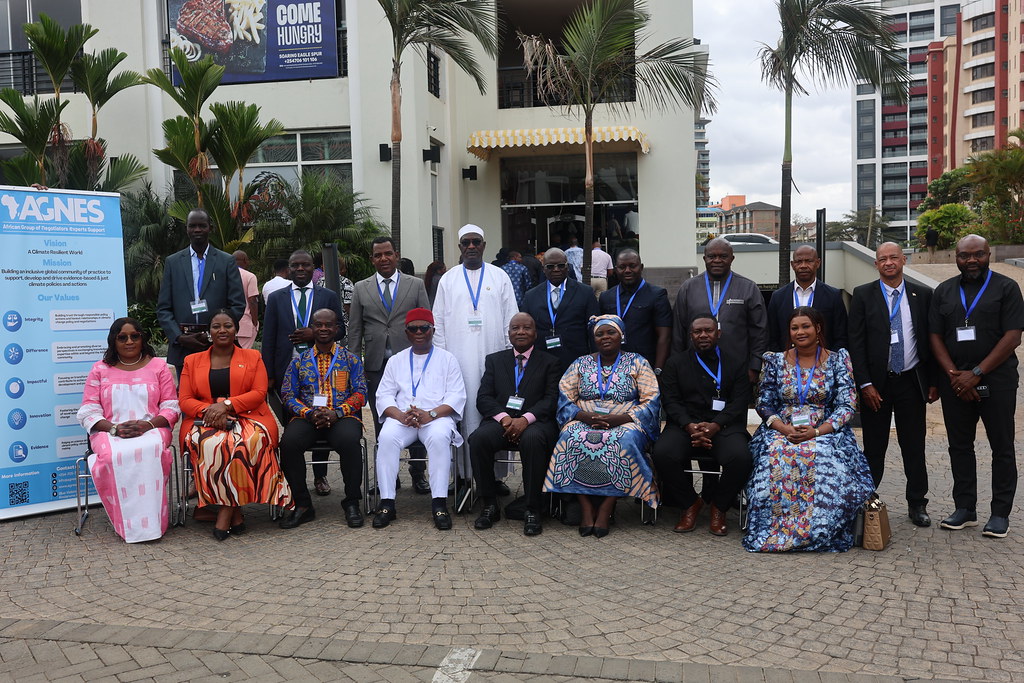
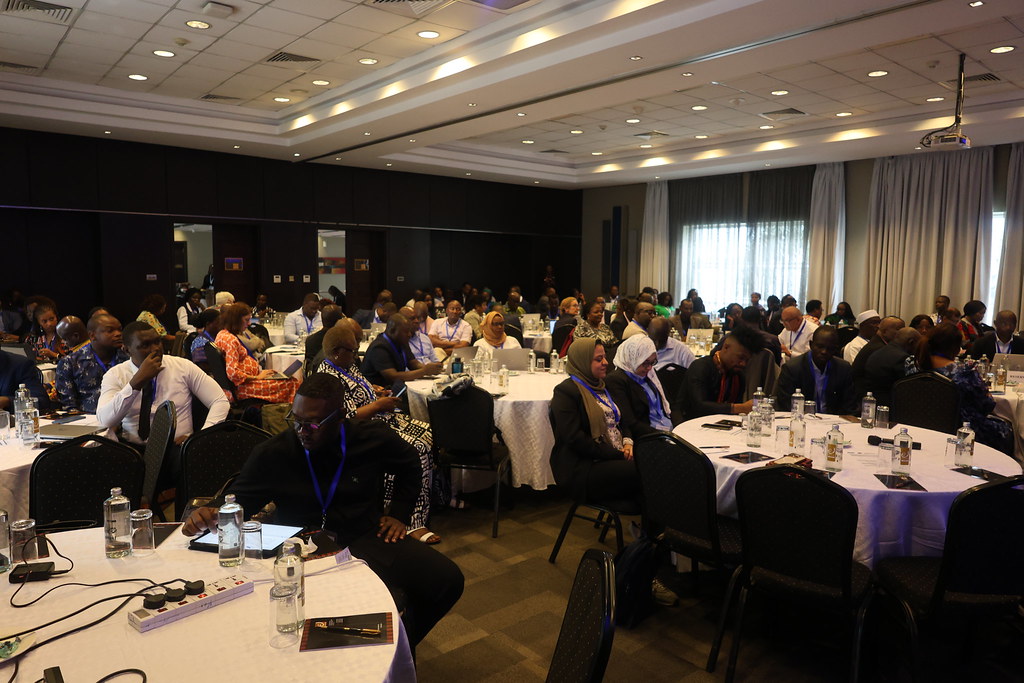
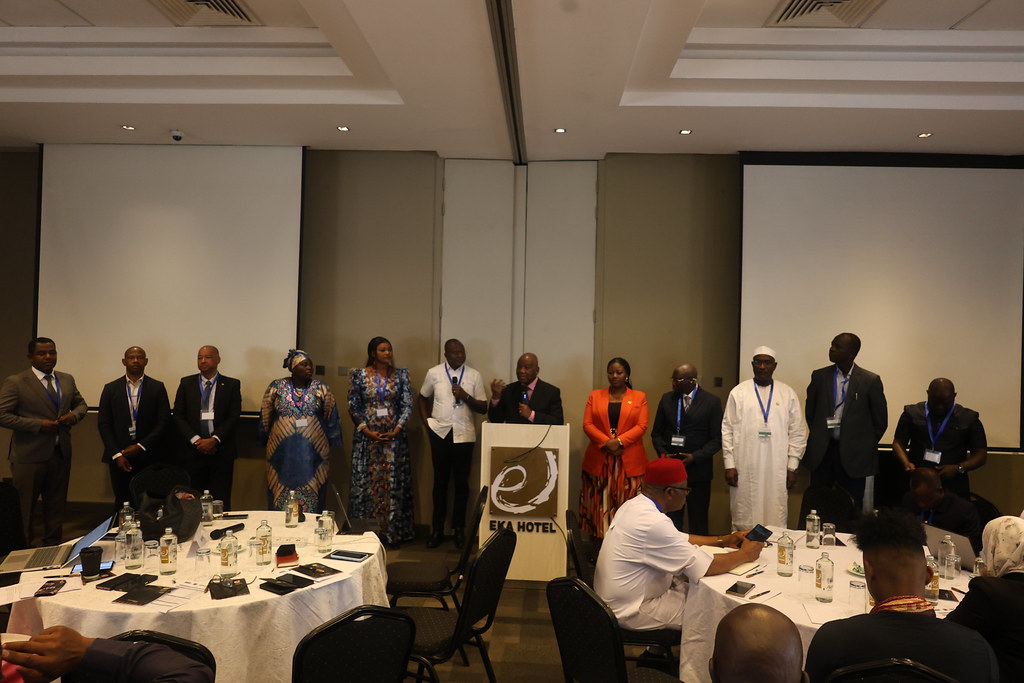
At a pre-COP31 strategy meeting convened in Nairobi by the Africa Group of Negotiators Experts Support (AGNES), participants urged African countries to consolidate their negotiating positions ahead of the climate conference scheduled for Antalya, Turkey, with a clear message: the next round of talks must deliver on commitments already made rather than produce another cycle of promises.
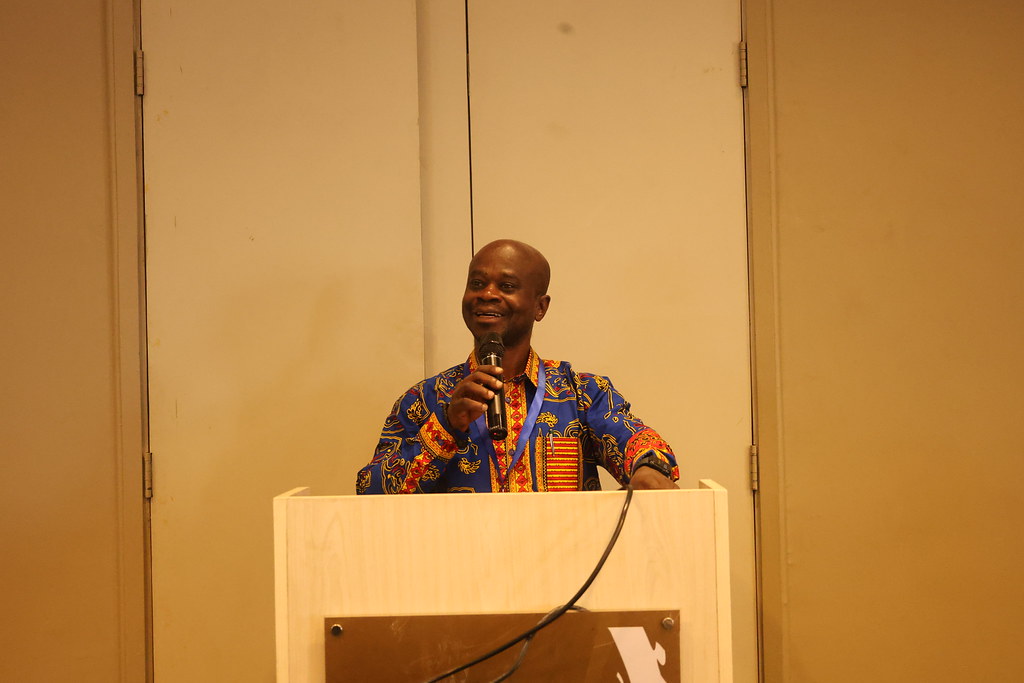
Opening the meeting, Nana Dr Amoah Antwi-Boasiako, chair of the African Group of Negotiators (AGN), said the climate process was increasingly being judged by its ability to turn negotiated outcomes into practical results.
“We meet at a point when the credibility of the climate process is increasingly being judged by one particular question, and that question is: can it deliver?” he told delegates.
For Africa, he said, implementation must go beyond calls for greater ambition. It must encompass action on the ground and the implementation of principles and policies already adopted under the United Nations Framework Convention on Climate Change, the Kyoto Protocol and the Paris Agreement.
“Antalya must therefore be about delivery, not another cycle of pledges and promises,” he said.
The chair argued that Africa had invested considerable effort in shaping global climate agreements covering adaptation, agriculture, climate finance, loss and damage, gender and just transition. The challenge now is to ensure these agreements create the conditions African countries need to pursue climate-resilient development.
That includes finance that countries can access and deploy, technologies that can be put to practical use, stronger national institutions and adaptation plans that progress from policy documents to funded investments.
He said African negotiators must leave Nairobi with a clear understanding of what they want to secure in Antalya, which alliances can help achieve those outcomes and which issues require political intervention.
“Success in Antalya will not be measured by how often Africa speaks but by how effectively Africa shifts the outcome,” he said.
Climate finance and justice at the centre
Climate finance remains one of Africa’s most pressing priorities, particularly as countries face growing adaptation needs and competing demands on public resources.
Kwame Ababio of the African Union Development Agency (AUDA-NEPAD) said the continent’s adaptation requirements far exceed the finance currently available, making calls to triple adaptation finance a minimum demand rather than an ambitious target.
“The call to triple adaptation finance is not just an ambitious one. It is just the barest minimum that we can ask for, taking into consideration the historical wrongs that have been done to the continent,” he said.
He urged African negotiators to push for climate finance that is predictable, accessible and largely grant-based, warning that a growing reliance on other financing instruments could worsen the debt burdens of already indebted countries.
“We’ve seen a shift, a movement from grant-based type of financing or projects across the continent to other forms of financing,” he said. “Because if we proceed on the path that has been placed before us, this is likely to deepen our debt profile and burden many countries that already carry huge debt responsibilities across the continent.”
For Antwi-Boasiako, the demand for finance is also a question of climate justice. “Africa is not asking for charity. We are asking for an international financial architecture capable of responding fairly to a global problem for which responsibility and vulnerability are profoundly unequal,” he said.
He also called for greater attention to loss and damage, arguing that some climate impacts have already exceeded what affected communities can reasonably adapt to.
“Success cannot be measured by the existence of institutions alone. It must be ultimately measured by whether support reaches countries and communities confronting losses they did not cause,” he said.
The remarks point to a broader challenge for the negotiations: ensuring that climate finance arrangements are not judged simply by the funds pledged or institutions established, but by whether resources reach countries and communities facing climate impacts.
Africa must also strengthen its ability to convert national climate commitments and long-term strategies into credible investment pipelines, the chair added, stressing that international support and domestic implementation capacity must advance together.
From Belém to Antalya to Addis Ababa
The Nairobi meeting also framed COP31 as part of a longer diplomatic process leading to COP32, which Ethiopia is expected to host in 2027.
Antwi-Boasiako described this progression as “B2A2A,” Belém, Antalya and Addis Ababa, arguing that African negotiators should use each conference to advance unresolved priorities rather than repeatedly reopen the same issues.
“We should not arrive in Addis Ababa in 2027 carrying unresolved issues that could and should have been advanced in Antalya,” he said.
He called for COP32 to be more than a conference hosted on African soil, describing it as an opportunity for the continent to influence the direction of international climate cooperation.
The challenge, he said, is to ensure that the decisions made in Antalya establish a stronger foundation for the negotiations in Addis Ababa.
That ambition will require more than a unified negotiating position. It will also depend on African-led evidence, technical expertise and closer coordination between negotiators, researchers, policymakers and political leaders.
Dr Rose Mwebaza of the United Nations Environment Programme’s Regional Office for Africa said effective negotiations begin long before delegates enter the conference rooms.
“Negotiations are often won long before delegates enter these rooms,” she said, pointing to preparation, evidence and strategic coordination as essential elements of Africa’s negotiating strength.
She urged experts to equip ministers with concise, actionable information that can guide political decisions, including rapid technical support as negotiations evolve and texts are revised, often overnight.
African ministers must be prepared to defend common positions while navigating highly technical discussions, she said, adding that negotiators and experts have a responsibility to ensure political leaders understand what is at stake for the continent.
Mwebaza identified implementation of adaptation commitments, significant adaptation finance, support for climate-resilient agriculture and food systems, and climate action that reflects African development priorities among the continent’s central concerns.
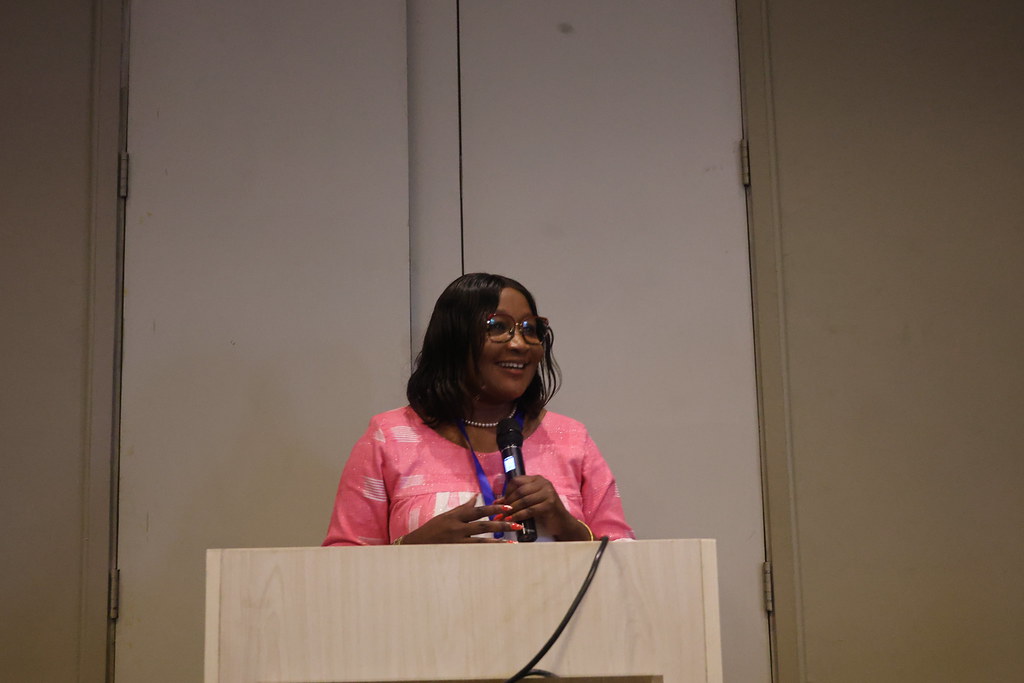
She also announced that the next ordinary session of the African Ministerial Conference on Environment (AMCEN), scheduled for 17–23 March 2027, would bring ministers of environment and finance together for the first time in a joint session to discuss fiscal resilience.
The planned engagement is intended to strengthen cooperation between climate and finance institutions as African countries consider how to finance resilience while managing competing fiscal pressures.
African solutions, evidence and representation
Beyond finance, participants stressed that Africa must increasingly shape the economic and development pathways associated with the global transition to low-emission economies.
Antwi-Boasiako cautioned against approaches that overlook the continent’s development circumstances, including energy access, food security, industrialisation and employment.
He argued that Africa should not remain a supplier of raw materials for the global energy transition while importing higher-value technologies and products. “A transition must create value in Africa, build industries in Africa, strengthen skills in Africa, and create jobs for Africans,” he said.
He added that climate policies must not become a basis for protectionism or unequal economic relationships, urging African countries to develop their own proposals on green industrialisation, sustainable value chains, critical minerals, carbon markets and climate-resilient development.
The chair also called for stronger African research and evidence to support negotiating positions, noting that arguments on adaptation finance, just transition and agriculture must be backed by data that reflects the continent’s needs and realities.
“When we argue for adaptation finance, we need evidence of the needs and costs,” he said. “Don’t just talk about finance; what are our needs as Africa and how much is it going to cost us?”
The same principle, he added, should guide negotiations on employment, energy systems, industrialisation, water, health and ecosystems.
Participants further emphasised the importance of including women, young people and smallholder farmers in shaping climate policy, recognising them not only as groups exposed to climate risks but also as important contributors to implementation.
Representing UN Women, Valentine Waroga, a programme analyst at its regional office in Southern Africa, said a significant gap remained between commitments to gender-responsive climate action and the financing available to deliver it.
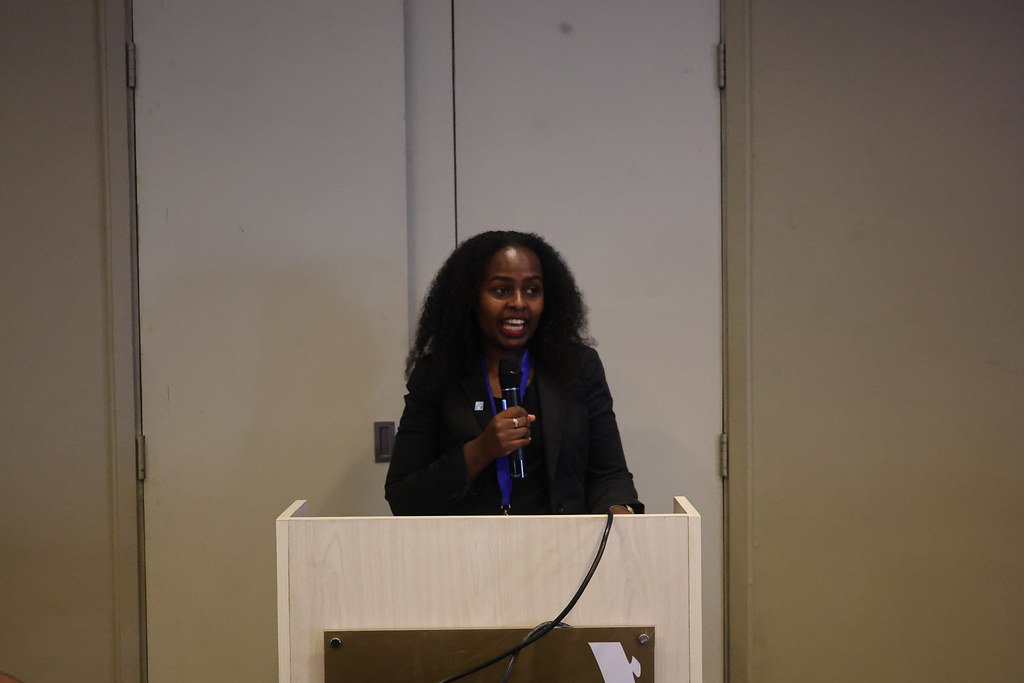
Citing the organisation’s analysis, she said only three per cent of climate finance in sub-Saharan Africa was specifically directed towards advancing gender equality.
“Gender equality cannot remain an aspiration within climate policy. It must be financed, implemented and measured,” she said.
She urged countries to strengthen coordination between gender, environment, agriculture and finance institutions, and to ensure that resources reach women and girls at the community level.
Representatives of the African Network of Parliamentarians on Climate Change, led by the chair, Rtd Hon Emille Guirieoulo, indicated that many countries still lacked dedicated climate legislation, limiting the scope for effective domestic action.
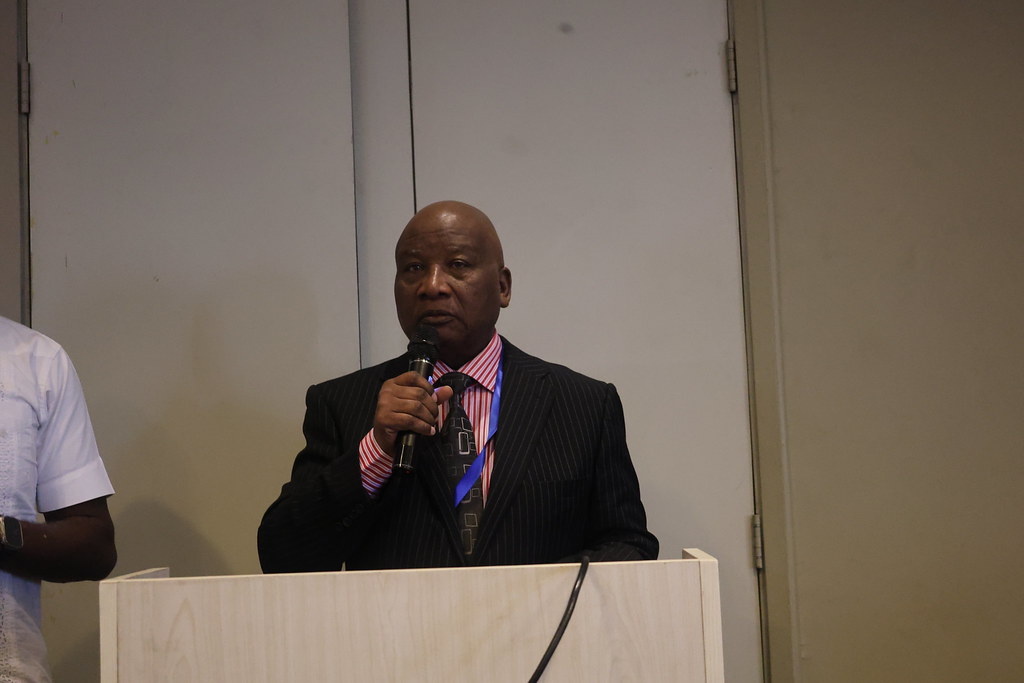
The network has developed a model law to help African countries strengthen their legislative frameworks.
The concerns highlight the importance of connecting international negotiations with national political institutions, particularly where implementation requires legislation, public investment and accountability.
As African negotiators prepare for Antalya, the Nairobi meeting sought to establish a clearer strategy linking climate finance, adaptation, agriculture, gender, loss and damage and just transition.
For the continent, the task is not simply to secure a stronger presence in the negotiating rooms, but to shape decisions that respond to its development needs and deliver tangible benefits to its people.
As Antwi-Boasiako put it: “Africa must help shape what comes out of the room.”