
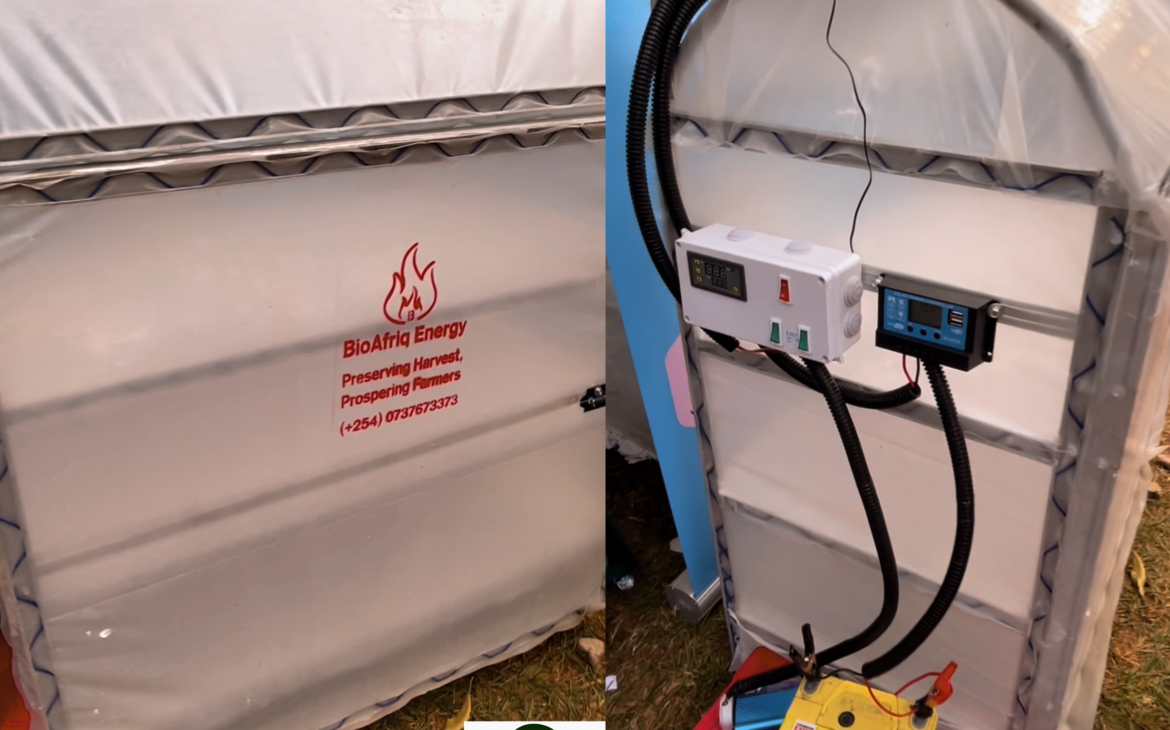
By the time Doreen Achieng’s mother realised the buyer who had contracted her to grow pumpkins had disappeared, she was staring at 50 tonnes of produce with nowhere to go; thus, much of the harvest was lost, hence the birth of BioAfriq Energy.
What remained became the starting point for an idea that would eventually grow into BioAfriq Energy, a green business developing drying and value-addition solutions for farmers and aggregators across Kenya and other parts of Africa.
“We lost a huge percentage of that harvest,” Achieng recalls. “And that is why we decided, okay, how do we extrapolate this? Because we knew so many other farmers are going through the same issue that we are going through.”
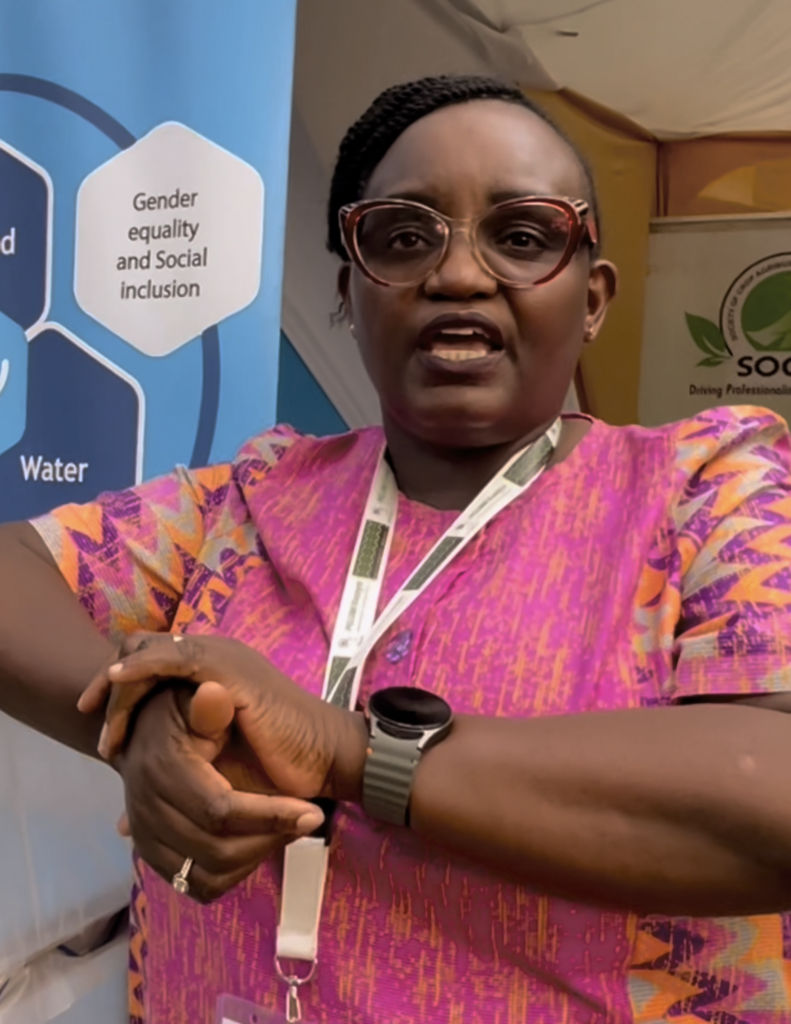
Achieng is the co-founder of BioAfriq Energy alongside her husband, James Nyamai, a production and mechanical engineer whose professional background is in petroleum production.
When Achieng’s mother needed a way to salvage the pumpkins, she approached Nyamai for a solution. His first answer was a 40-foot shipping container converted into a dryer, allowing the family to save what they could from the harvest.
It was a practical response to a painful loss. But it also exposed a much bigger problem: farmers could produce, harvest and still lose value because their markets, storage and processing options were limited. That experience in 2011–2012 would become the foundation for BioAfriq Energy.
From One Container to a Drying Business
The founders soon began asking a different question: how could drying technology be made accessible to farmers beyond their own family?
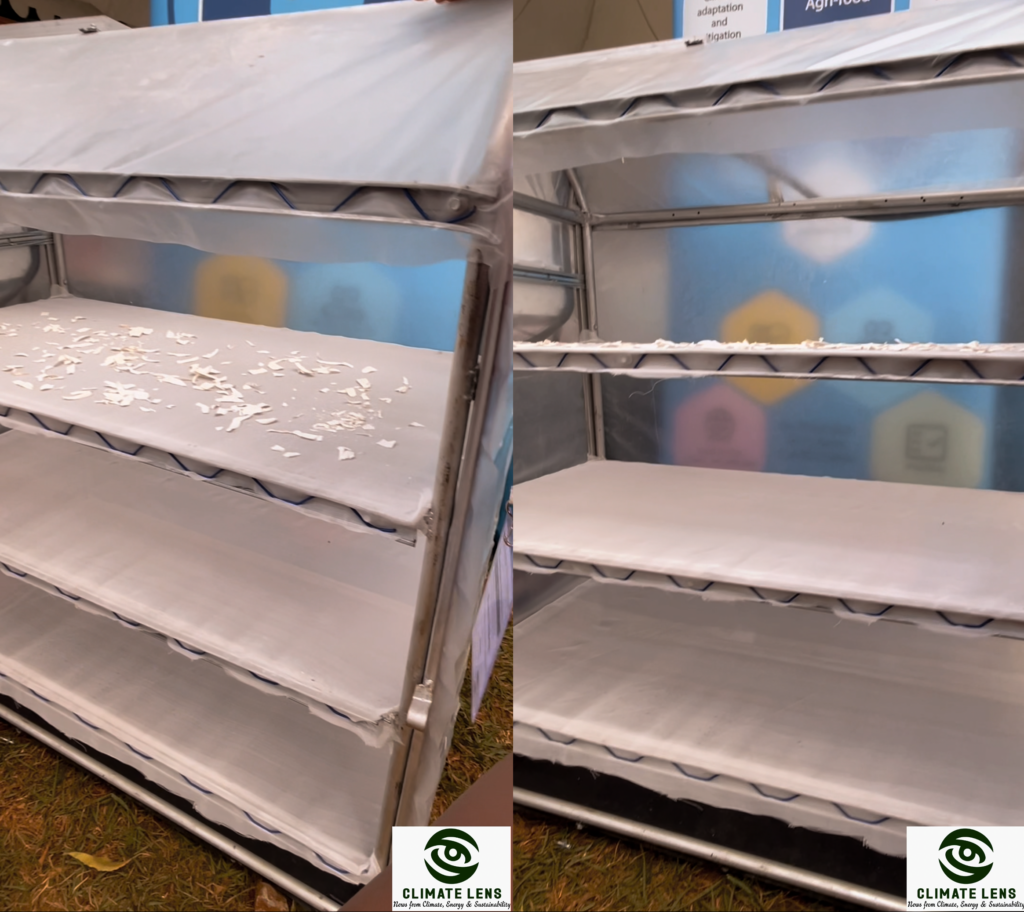
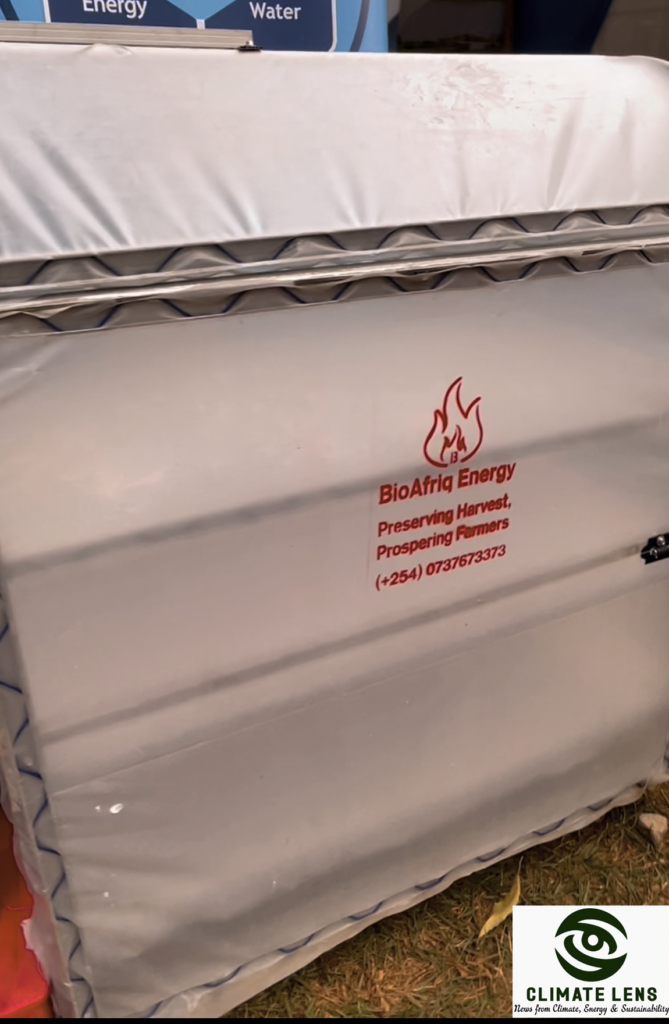
They moved away from the large container model and began fabricating dryers in different sizes, designed according to the needs and output of farmers, micro-enterprises and aggregators.
Today, Achieng says the company operates in 27 counties in Kenya and has extended its work to Uganda, Tanzania and Sierra Leone. Its dryers range from smaller standard units to installations as large as 20 by 30 metres, with the company also offering custom-made systems depending on the volume of produce a client needs to process.
For small businesses and aggregators that may not yet have the capital to buy equipment, BioAfriq Energy offers drying as a service at its plant in Machakos. Those with the capacity to invest can purchase the equipment.
The model reflects one of the realities of agricultural value addition in Africa: access to technology can be as important as the technology itself.
BioAfriq Energy’s systems are built around two main configurations. The first is a solar dryer. Here, solar power is used primarily to operate the temperature-control system, allowing the dryer to be adjusted according to the product being processed.
Achieng says this flexibility is intended to protect the nutrition, colour, taste and overall quality of dried products. Different products require different drying conditions, she explains, with the system allowing operators to adjust temperatures for grains, vegetables and fruits.
The company says the controlled and even drying process also produces a more uniform product, which can improve its marketability and potentially allow producers to secure better prices. The second is a hybrid system that combines solar energy with a biomass-powered heating system.
According to Achieng, the system can use leftover biomass from the produce being processed as fuel. The resulting hot air is cleaned before being channelled into the drying chamber.
That gives farmers and processors another advantage: drying does not have to stop simply because sunlight is limited. “Even if it is cold season, starting very early morning or going late into the evening, you are still able to dry and finish your produce,” she says.
The approach also points to a second layer of value addition, finding productive uses for agricultural residues that might otherwise go to waste.
Making More Value From What Farmers Grow
For Achieng, however, the dryers are only part of the story. The bigger goal is to change what happens to agricultural produce after it leaves the farm.
“Our idea is to make sure that we are impacting farmers so they get value for the product that they are planting,” she says.
Drying allows farmers to extend the usable life of produce and process something that would otherwise be highly perishable. In turn, that can open opportunities beyond selling fresh produce immediately after harvest.
Achieng sees value addition as part of a wider food-security equation. “If they have the opportunity to value add, we are enhancing food security,” she says. “But we are also allowing them to demand a better value from the market where they are selling.”
The dried products can also become more consistent raw materials for aggregators, micro-processors and larger processors, potentially strengthening links between farmers and the wider food-processing industry.
For BioAfriq Energy, that means the dryer is not simply a machine for removing moisture. It is a piece of infrastructure connecting production, processing and markets.
The journey, however, has not been straightforward. “We started in 2012, 2011 actually,” Achieng says. “And we’ve lost businesses in the process.”
She credits mentorship and reliable partners, including S&P, with helping the business survive the difficult stages of entrepreneurship.
Today, the company is focused on improving the quality of its services while looking beyond drying technology to the wider agricultural ecosystem.
Achieng believes Kenya has an opportunity to play a larger role in seed propagation and food security, but says this will require different parts of the agricultural value chain to work together, from those developing equipment and producing seeds to organisations working on financial inclusion and financial knowledge for farmers.
“Whether you are providing a solution that works along the value chain, whether you are dealing with raw material like the seeds you are seeing here, whether you are talking about financial inclusivity and financial knowledge for farmers,” she says, “that is a setup for us to bring change into the food system in the world.”
For Achieng, the bigger question is how those different strengths can be brought together.
“How we bring our talents, our strengths together,” she says. “We just got to put Kenya in a great place. And it’s a pleasure and an honour to be part of this process.”
What began with one family’s attempt to salvage a 50-tonne pumpkin harvest has since grown into a business working to give farmers more options after harvest, turning perishable produce into something that can be processed, stored and connected to wider markets.
The story of BioAfriq Energy, in that sense, is not only about drying. It is about what happens when farmers have another chance to capture value from what they have already grown.


