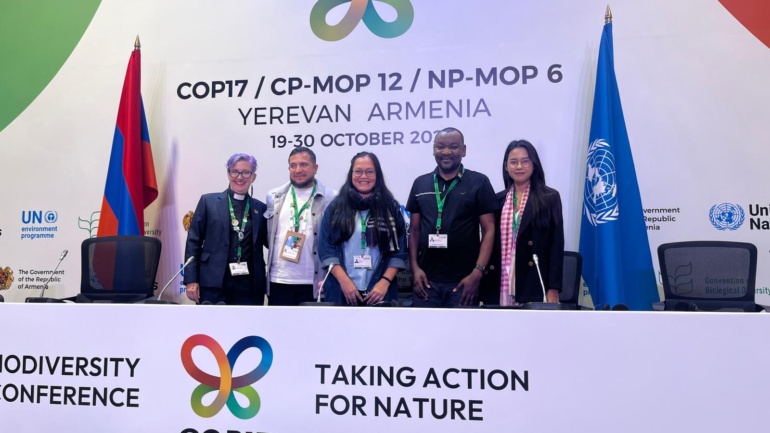
From the SBSTTA28 technical meeting in Nairobi, ahead of the CBD COP17 in Armenia
As governments prepare for COP17 in Armenia, biodiversity negotiations in Nairobi are helping shape the decisions that could determine how the world protects nature and the people who depend on it.
Scientists, governments, policymakers, NGOs and civil society representatives are meeting under the Convention on Biological Diversity’s (CBD) scientific and technical body, SBSTTA, to develop recommendations for the upcoming COP.
Among the key issues is the global commitment to conserve at least 30% of the world’s land and sea by 2030, known as the 30×30 target, and how its implementation can uphold human rights.
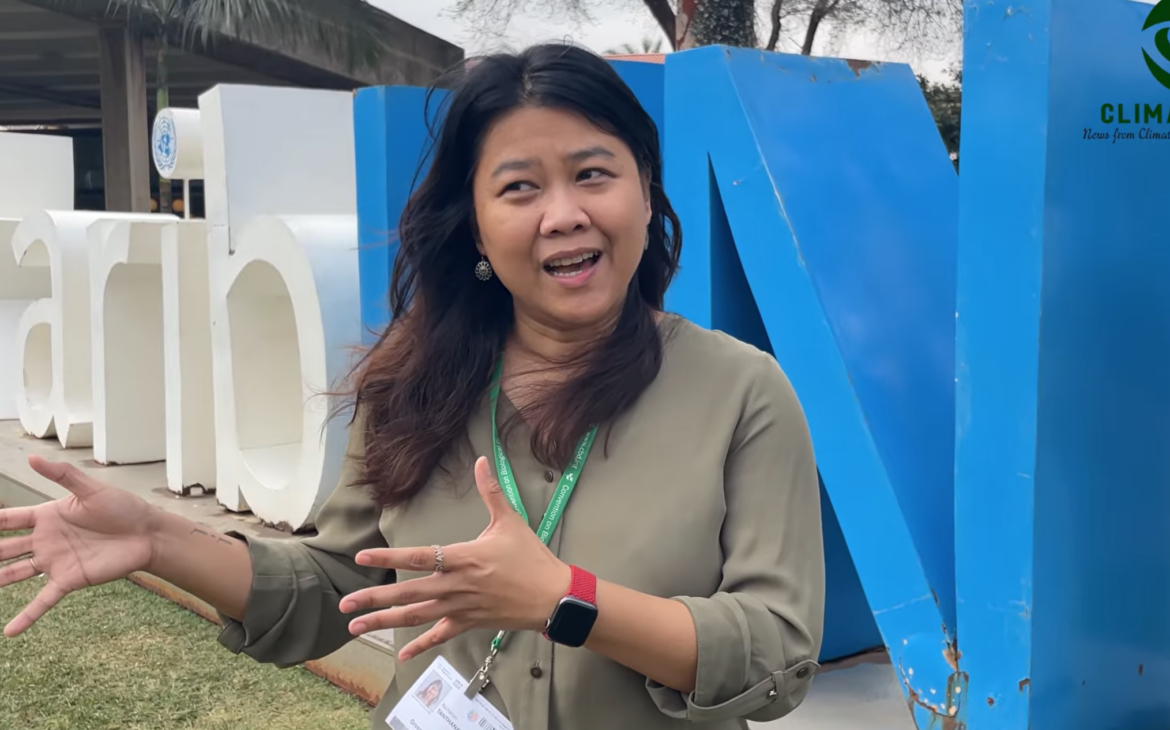
For Nichanan “Nicha” Tanthanawit, Global Project Lead for the Ocean Justice Campaign at Greenpeace International, three issues stand out at this year’s meeting: marine and coastal biodiversity, the programme of work on protected areas, and the global review of countries’ progress towards the biodiversity targets.
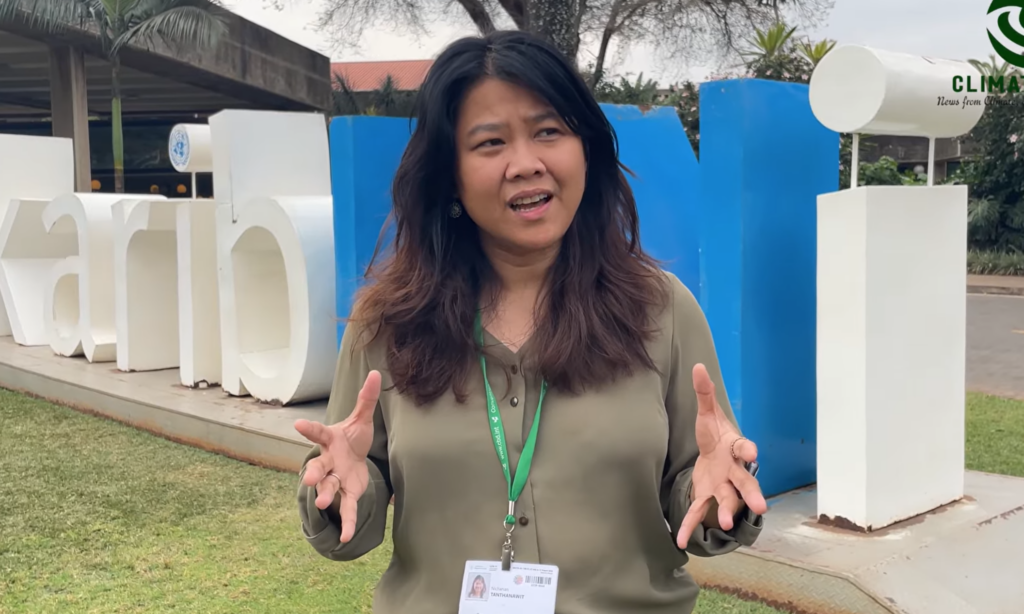
Speaking to Climate Lens News on the sidelines of SBSTTA28, Nicha notes that the increased attention to oceans is an important development, particularly after the previous meeting in Panama focused more heavily on land and forests.
She says marine and coastal biodiversity continues to lag behind land-based issues in the global review, making it important for governments to give the oceans greater attention as they assess progress towards the 2030 targets.
Discussions on protected areas have also been more constructive, she adds, with stronger language recognising Indigenous Peoples, local communities, women and youth.
Although for Nicha, progress in negotiations will mean little unless countries can translate the agreed language into action.
“There’s a lot of negotiations, but still the most important part is all the implementation,” she says.
For many countries, particularly developing nations, limited capacity and financing remain major obstacles to putting biodiversity commitments into practice. The subsequent meeting of the CBD’s implementation body, the Subsidiary Body on Implementation (SBI), is expected to examine these challenges more closely.
Greenpeace’s work on ocean justice reflects the importance of involving communities in finding solutions. Its new global report draws on work in Thailand, Sri Lanka, Senegal and Chile, documenting the efforts of small-scale fishing communities to protect and manage the marine environments on which their livelihoods depend.
Nicha argues that governments need to recognise and support these locally led efforts rather than overlook the people already working to protect their ecosystems.
For her, achieving global biodiversity targets requires more than setting aside protected areas. It also means working with coastal communities, recognising their knowledge and ensuring they have a meaningful role in decisions that affect their lives.
She also stresses the need to treat coastal waters and the high seas as connected ecosystems. Marine species, including turtles, move between coastal habitats and the open ocean, making cooperation between different conservation frameworks essential.
This is particularly relevant as countries prepare for the first Conference of the Parties to the BBNJ Agreement, the international treaty on the conservation and sustainable use of marine biodiversity beyond national jurisdiction. The two processes, she argues, should reinforce each other in efforts to protect marine life.
As delegates work towards COP17, Nicha’s message is that governments must close the gaps in conservation governance and financing while ensuring that people remain central to the decisions being made.
She notes that existing biodiversity language already recognises Indigenous Peoples and local communities as rights holders. The challenge now is to ensure that recognition leads to measurable results on the ground.
“The negotiations have become a platform of back-and-forth conversations while the local communities want real implementable results,” she says. “COP17 will have that chance to show us that there’s more than that.”
Author Profile

-
Seeker.
Inspire AFRIKA.
Latest entries
 Biodiversity28 October 2026From Buffalo to Orangutans, Indigenous Leaders Challenge the Business of Wildlife Offsets
 Biodiversity28 October 2026Biodiversity Commitments Face a Defining Test as Yerevan Talks Enter Final Week
 COP1727 October 2026Caribbean Nations Turn to Regional Cooperation to Advance Ocean’s 30×30 Target
 Biodiversity27 October 2026COP17 Puts Ocean Protection in Focus, but Delivery Remains Uncertain