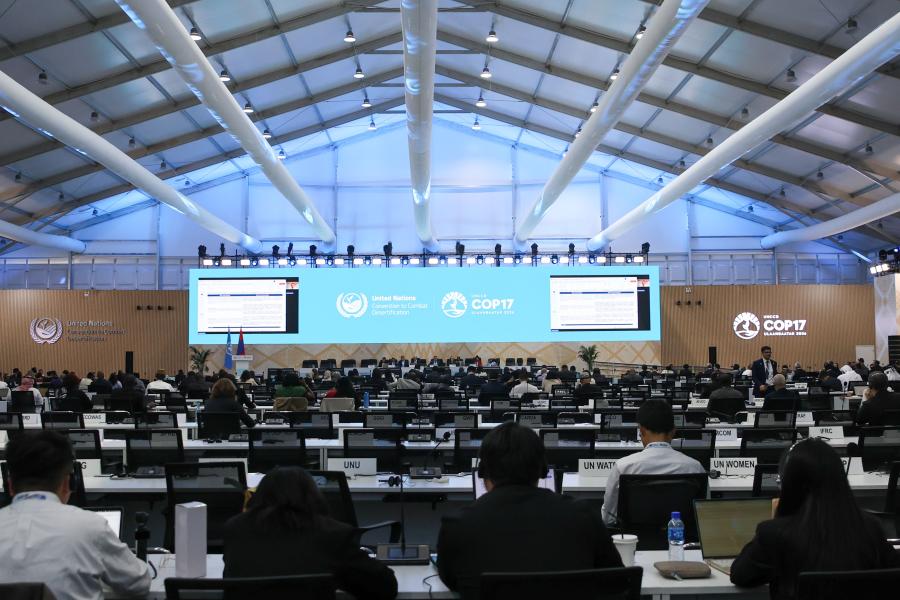
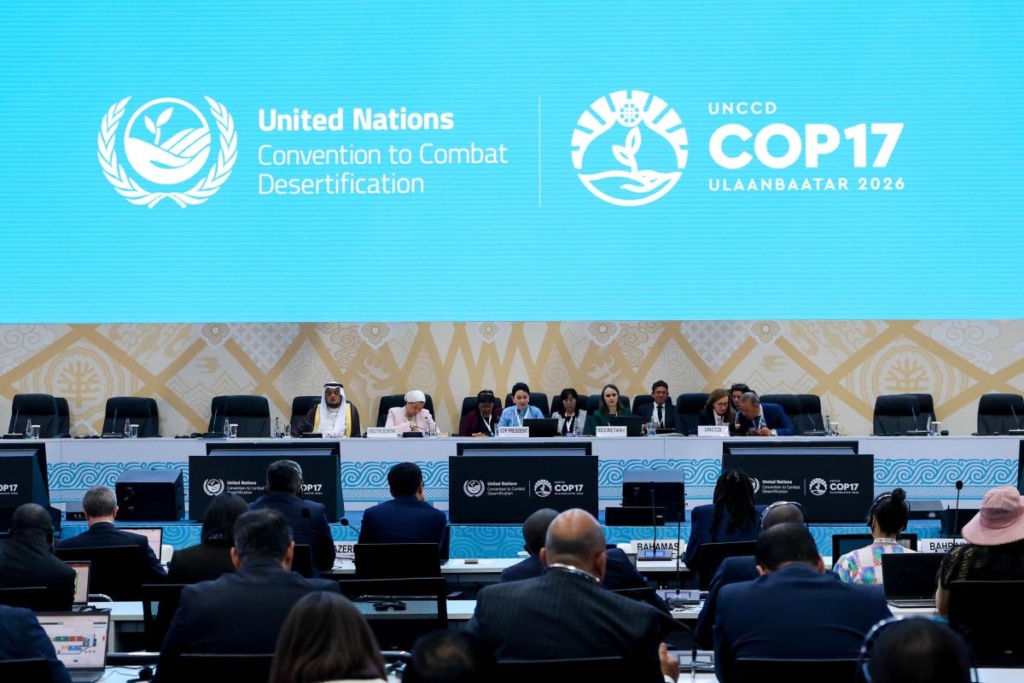
The 17th Conference of the Parties (COP17) to the United Nations Convention to Combat Desertification (UNCCD) opened in Ulaanbaatar, Mongolia, on Monday, 17 August 2026, with countries turning to drought, land restoration, financing and the future direction of the Convention.
The opening day saw delegates elect Mongolia’s Foreign Minister Batmunkh Battsetseg as COP17 President, hence a commencement consideration of the agenda for negotiations in parallel bodies on the budget, drought policy and implementation of the Convention.
The discussions also exposed differences among negotiating blocs over the future strategic framework, the role of civil society, gender and cooperation among the three Rio Conventions.
Mongolia Puts Rangelands and Pastoralists at the Center
Mongolia is hosting COP17 during the International Year of Rangelands and Pastoralists (IYRP), which the country helped establish
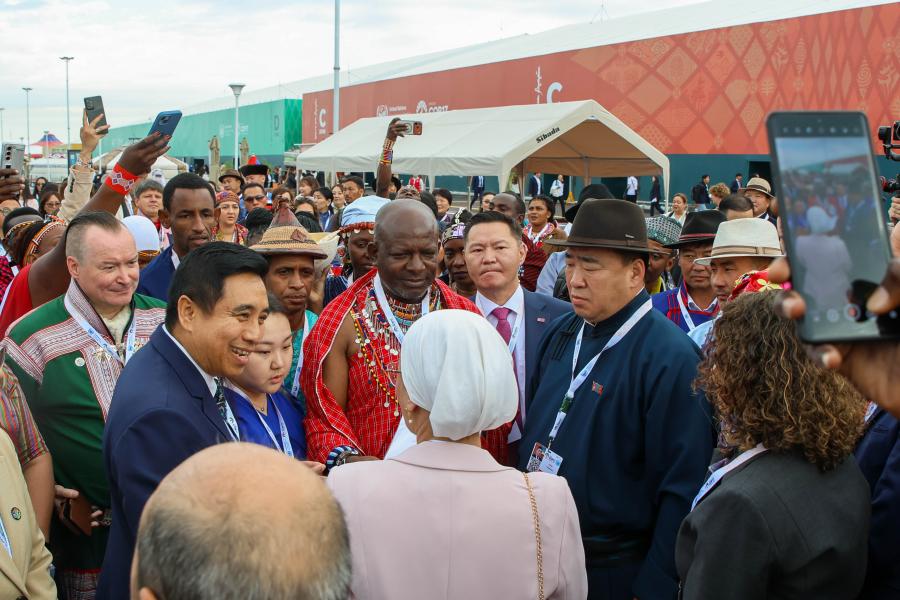
Prime Minister Nyam-Osoryn Uchral welcomed delegates to Ulaanbaatar and called for the conference to move from commitments to implementation, highlighting the links between rangelands, food systems and pastoralist livelihoods.
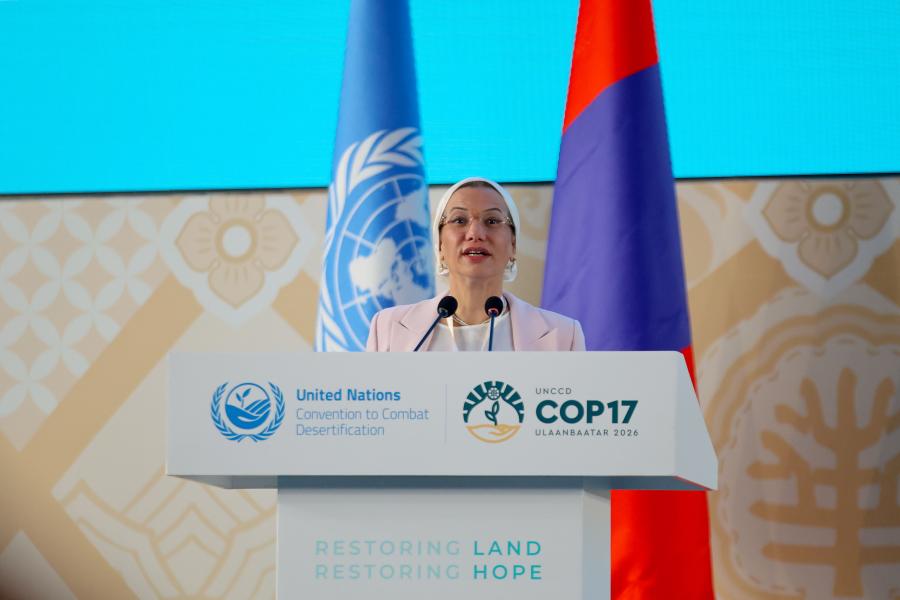
UNCCD Executive Secretary Yasmine Fouad said Mongolia offered an important setting for discussions on land degradation, noting the links between healthy ecosystems, livelihoods, food security and water security.
Battsetseg, who was elected to lead COP17, highlighted Mongolia’s role in advancing the International Year of Rangelands and Pastoralists and the importance of rangelands and pastoralist knowledge in sustainable land management.
The focus on rangelands comes as countries continue to address land degradation, drought and the pressure these challenges place on food and water systems.
Budget Talks Highlight Financing Pressures
The Committee of the Whole, chaired by Khalid Cherki of Morocco, began consideration of the UNCCD budget for 2027–2028 with the Secretariat presenting three options: zero nominal growth, zero real growth, or a 28.69% increase that would support three additional positions.
Japan supported the zero-growth option and called for additional costs to be covered through voluntary contributions, while China called for greater financial discipline and urged Parties with outstanding contributions to meet their obligations.
Additionally, Brazil and the African Group argued against freezing essential posts or expanding the Convention’s responsibilities without corresponding resources.
The budget discussion was referred to a dedicated contact group for further negotiations.
The financing debate reflects a wider challenge facing the Convention: countries are calling for stronger action on drought and land degradation while negotiations continue over the resources needed to deliver that action.
Drought Emerges as a Major Negotiating Issue
Drought was one of the most significant issues on the opening day, with countries divided over whether the Convention should establish a legally binding global drought protocol.
Togo and the African Group, represented in the discussion by South Africa, pushed for a legally binding protocol.
The United Kingdom and Australia opposed a binding approach and supported voluntary or non-binding measures based on existing mechanisms.
The Cook Islands raised concerns that binding obligations could create implementation challenges for countries with limited capacity.
Brazil, Syria, Senegal and Bhutan stressed the need to treat drought as a continuing structural challenge rather than an occasional emergency. They called for greater emphasis on prediction, preparedness and early action.
Technical agencies reinforced the urgency of the issue. The Food and Agriculture Organisation highlighted the heavy economic losses experienced by agriculture during drought, while the World Meteorological Organisation pointed to regional early-warning initiatives covering dozens of countries and supported by significant financing.
Facilitator Marine Collignon of France proposed that the drought contact group begin with discussions on shared objectives before moving into detailed negotiations on the text carried over from COP16.
The divide over a legally binding instrument remains one of the key issues facing the negotiations.
Implementation Gap Remains Significant
The Committee for the Review of the Implementation of the Convention (CRIC), chaired by Philippine Dutailly, examined progress in implementing the Convention at the national level.
The Secretariat reported that 116 countries have finalised Land Degradation Neutrality (LDN) targets, while 22 related projects have received approximately $1.48 billion in financing.
GRULAC highlighted a wider financing challenge, citing an annual gap of $278 billion between existing finance and the amount required to meet global land restoration objectives.
Kyrgyzstan, speaking for Central Asia and Russia, raised concerns over differences between national data systems and global monitoring indicators, as well as a shortage of specialists with geospatial analysis skills.
Civil society representatives called for implementation to be measured not only through national strategies and reporting but also through improvements in the lives and livelihoods of communities affected by land degradation and drought.
What Is at Stake
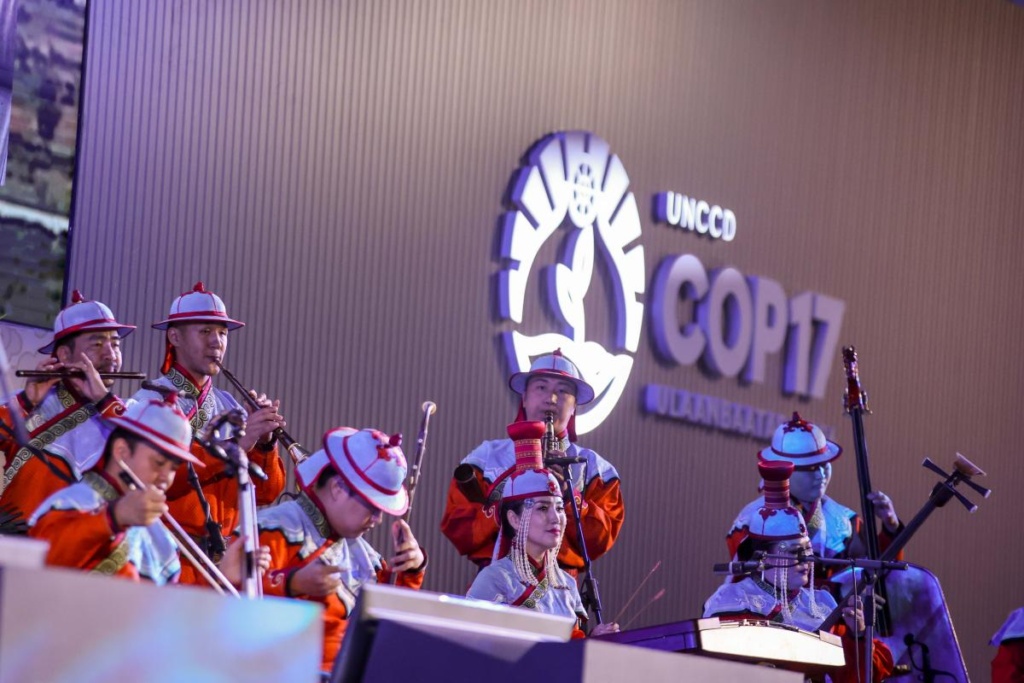
COP17 is the first of the three Rio Convention COPs taking place in 2026, placing the meeting at the start of a year expected to bring increased attention to coordination across the global environmental agreements.
Moreover, the opening day in Ulaanbaatar has already exposed difficult choices over financing, drought governance and the future direction of the Convention.
For Africa, the negotiations carry particular significance as countries push for stronger drought action, increased financing and implementation of land restoration commitments.
The coming days will test whether Parties can bridge those differences and turn demands for stronger drought action, financing and land restoration into concrete decisions.