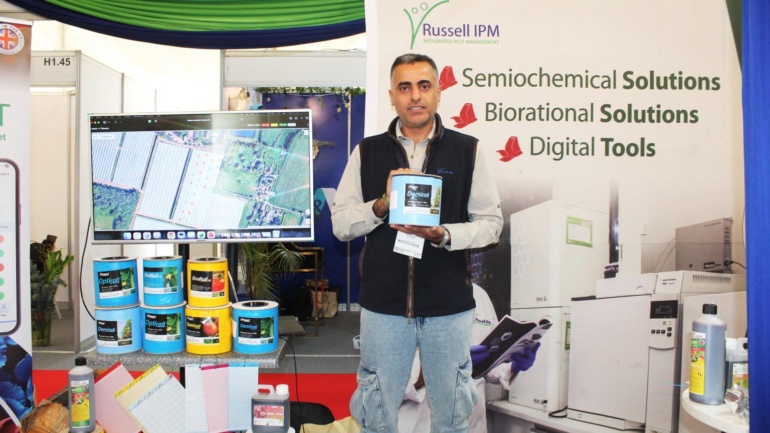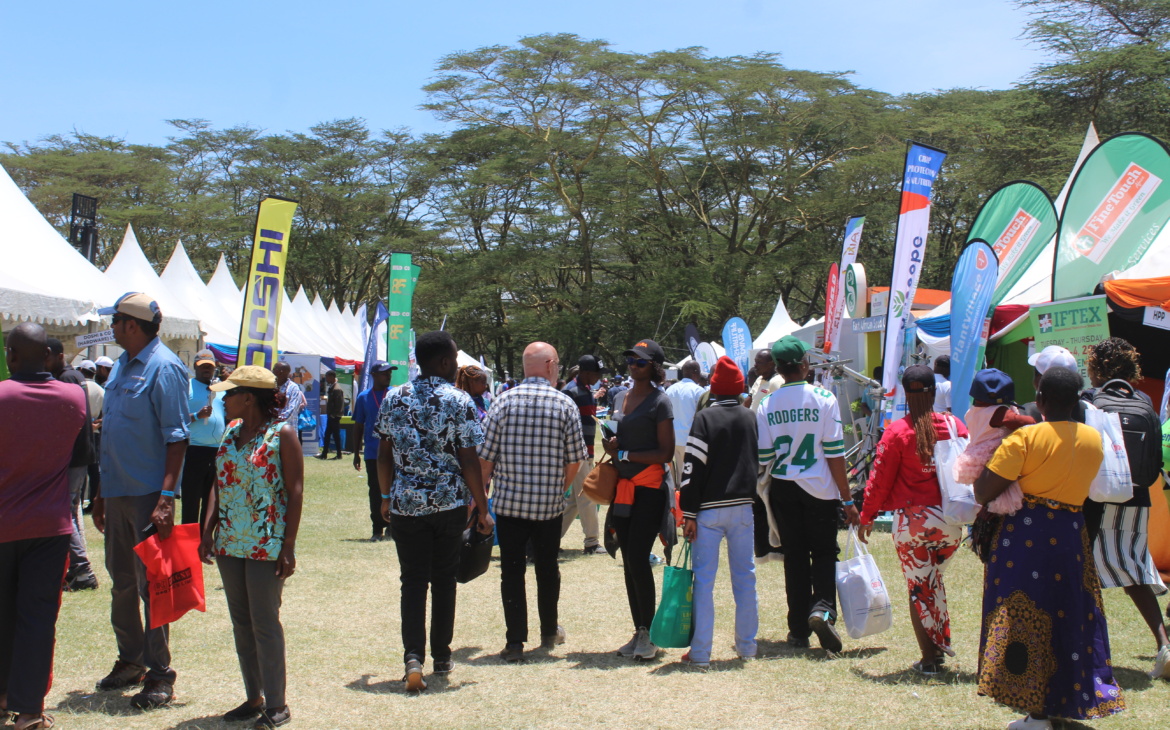
There are agricultural events that showcase products, there are conferences that generate ideas, and there are exhibitions where businesses come to meet potential customers. Then there is the Co-op Bank Naivasha Horticultural Fair, an event that has grown into something much bigger than an exhibition.
Now in its 23rd edition, the Naivasha Horticultural Fair returns to Naivasha Sports Club on 18–19 September 2026, bringing together growers, exporters, agribusinesses, researchers, innovators, financiers, policymakers, technology providers and other players from across the agricultural value chain.
This year’s theme, “Be Part of Africa’s Growth,” captures what the Fair has increasingly come to represent: a meeting point where ideas become partnerships, innovations become practical solutions and conversations become opportunities.
Africa’s horticulture industry is changing rapidly. Growers are under pressure to produce more efficiently, conserve resources, meet increasingly demanding markets, and adopt technologies that improve both productivity and sustainability. No single player can respond to these challenges alone. That is why the Fair matters.
One Industry. One Platform. One Growing Africa.
Agriculture is bigger than the farm. It is growers and suppliers. It is technology and finance. It is logistics, markets, research, innovation and people.
The Naivasha Horticultural Fair brings this entire ecosystem together in one place. With more than 250 exhibitors and an anticipated 14,000 visitors from Africa, Europe and beyond, the 23rd edition promises to be one of the most significant gatherings of the horticultural industry.
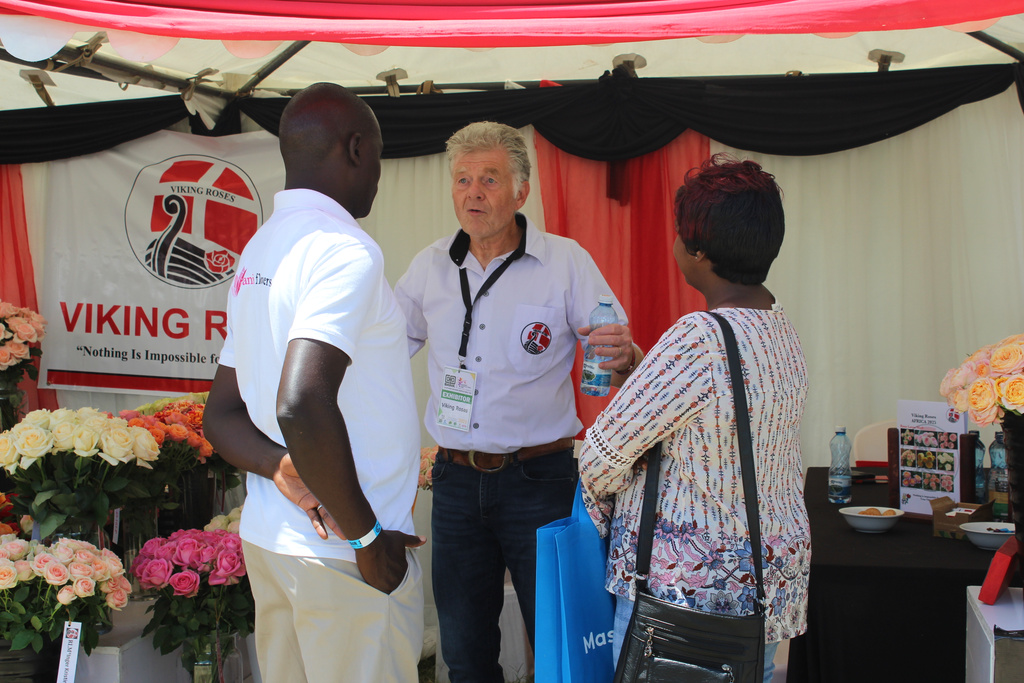
Visitors will encounter a broad agricultural landscape extending beyond horticulture and floriculture to include coffee, tea, maize and other arable crops. The Fair will combine an extensive exhibition with expert conferences, thought leadership sessions and buyer-seller matchmaking.
For growers, it is an opportunity to see what is new. For suppliers, it is a chance to meet the market. For investors, it provides access to emerging opportunities.
For researchers and innovators, it offers a platform to take ideas closer to the people who will use them. And for the thousands who attend, it is a chance to experience where African agriculture is heading.
Innovation Moving from the Booth to the Farm
One of the strongest features of this year’s Fair will be its emphasis on practical innovation. Technology is no longer something growers can afford to watch from the sidelines. From AI-powered farming systems and precision agriculture to smart irrigation, digital platforms and sustainable production technologies, innovation is increasingly becoming part of everyday farming.
The Fair will provide exhibitors with opportunities to demonstrate technologies and solutions rather than simply display them. Visitors can expect live demonstrations, product discussions, knowledge-sharing sessions, networking opportunities, and recognition of outstanding exhibitors.
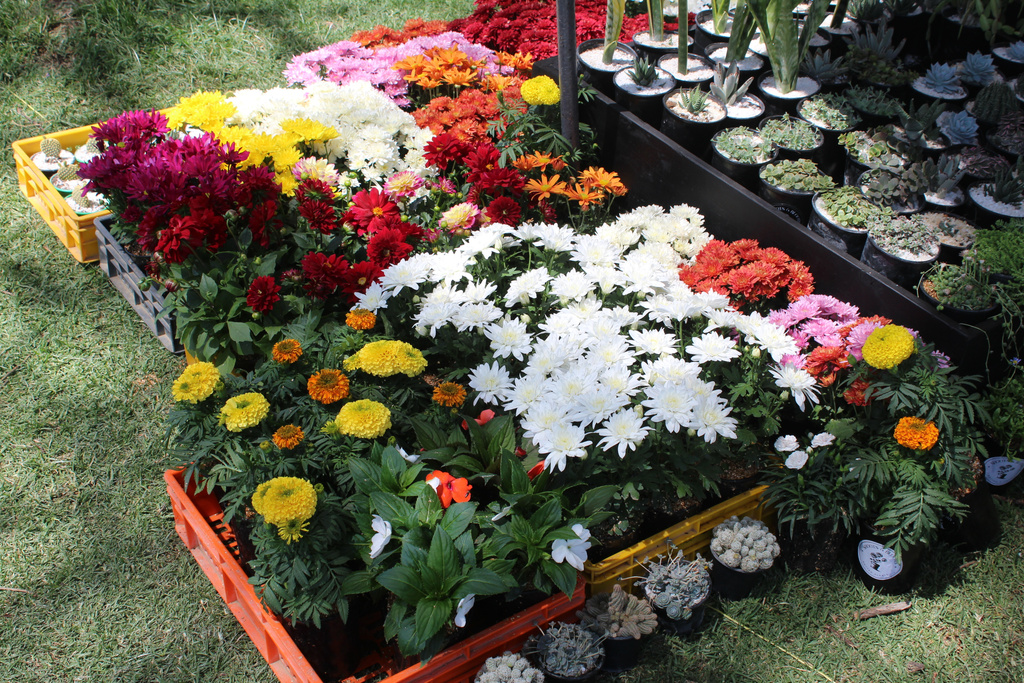
The emphasis is increasingly on solutions that answer real questions facing farmers: How can productivity be increased? How can water be used more efficiently?
How can crop protection be improved? How can inputs be used more responsibly? How can technology help farmers make better decisions? These are the conversations that can turn an exhibition into a business opportunity.
Sustainability Becomes the Standard
Sustainability is no longer simply a conference subject. It is becoming a condition for doing business. Across the Fair, visitors will encounter practical approaches to water conservation, efficient irrigation, renewable energy, integrated pest management, biological crop protection, responsible input use and climate-smart production.
The message is clear: the future of African agriculture will depend not only on how much we produce, but also on how intelligently and responsibly we produce it.
Modern fertilisers, organic inputs, soil-health solutions and precision nutrient management will also form part of the conversation as growers increasingly look beyond simple yield increases towards crop quality, efficiency and environmental stewardship.
Backing the Industry
The scale and influence of the Naivasha Horticultural Fair would not be possible without the companies that continue to invest in its growth.
Co-operative Bank takes the lead as the main sponsor, reaffirming the importance of finance and financial solutions in enabling agriculture to grow. The Fair is also supported by Elgon Kenya Ltd, Greenlife Africa, Osho Chemical Industries Ltd, Amiran Kenya Ltd, Russell IPM Kenya and Agrichem Africa.
Together with the other supporting partners, these organisations help create a platform where growers can engage directly with companies developing the products, technologies and services shaping modern agriculture.
Growing the Next Generation
Perhaps one of the most important contributions of the Fair is its focus beyond established commercial agriculture. Smallholder farmers need access to modern technologies, technical knowledge, markets and affordable financial solutions.
Young people need exposure to agriculture not simply as a traditional occupation, but as a modern and innovative business opportunity.
The Fair continues to create opportunities for farmer training, youth mentorship, internships and innovation. It also provides a meeting point where emerging agribusinesses can gain visibility and where established industry players can discover new ideas. That matters because Africa’s agricultural future will ultimately depend on the generation now entering the industry.
A Fair That Gives Back
There is another reason the Naivasha Horticultural Fair stands apart. It is not simply about business. Proceeds from the event support community initiatives, including child protection, healthcare, education and water projects.
Among the initiatives highlighted are the Safe House for abused children, Nacohag community health centre, Red Cross support, and the Nyamathi Adopt-a-Village programme, which has supported education, water and health initiatives serving thousands of people.
This gives the Fair another dimension. The business generated within the exhibition grounds ultimately contributes to communities beyond them. It is agriculture creating an economic impact and a social impact at the same time.
More Than an Exhibition
For visitors coming to Naivasha, the Fair offers more than business. Naivasha’s hospitality, accommodation, restaurants and attractions make it an ideal destination for an industry gathering of this scale.
Thousands of growers, exhibitors, buyers and visitors will converge on the town, bringing with them not only business opportunities but also the energy and connections that make industry events memorable.

And with enhanced security arrangements, controlled access, surveillance, emergency response procedures and medical support planned for the two-day event, organisers are placing strong emphasis on ensuring that visitors and exhibitors can concentrate on what brought them there: learning, networking and doing business.
Be Part of Africa’s Growth
The 23rd Co-op Bank Naivasha Horticultural Fair arrives at an important moment for African agriculture. The industry is seeking higher productivity, greater market access, smarter technology, climate resilience and more sustainable livelihoods. Achieving these ambitions requires collaboration across the entire value chain.
That is precisely what the Fair offers. It brings the farmer and the supplier together. The researcher and the grower. The financier and the entrepreneur.
The technology provider and the user. The buyer and the seller. And in doing so, it creates something that cannot be achieved by any one participant alone: a shared platform for the future of African agriculture.
So, whether you are a grower, exporter, agribusiness owner, investor, researcher, student, technology provider, or simply someone interested in the future of farming, Naivasha is where the conversation will be taking place.
Source: Floriculture