For generations, the cow has been the undisputed queen of Kenya’s dairy sector. Now the president wants to add a challenger.
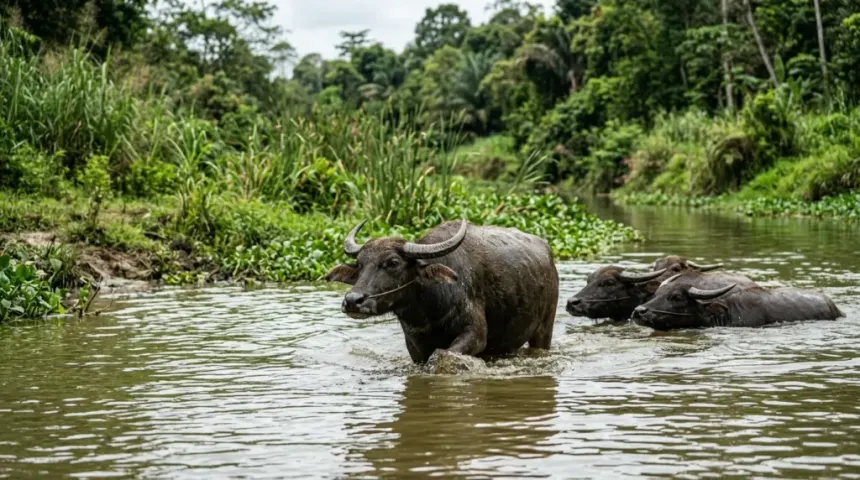
Speaking at the Agriculture and Food Systems Transformation Summit in Nairobi on October 8, President William Ruto asked why Kenya should rely so heavily on cow’s milk when other countries commercialise milk from buffaloes and camels. He said he had directed Livestock PS Jonathan Mueke to explore importing improved buffalo breeds.
Not the buffalo in our national parks
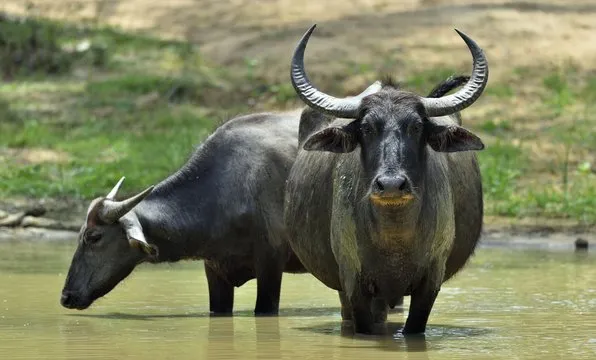
The animal in question is not the wild buffalo of Kenya’s game reserves. The domesticated water buffalo is a different species from the wild African buffalo, and India mainly uses river breeds such as Murrah and Nili-Ravi for milk. Buffalo milk has, on average, about twice the fat of cow’s milk, which suits butter and cheese.
The idea is not new. In January 2025, Agriculture CS Mutahi Kagwe declared the domesticated water buffalo a food animal by gazette notice. The move followed Ruto’s December 2024 state visit to India, where Kenya sought a dairy partnership.
But the animals are not here yet. The Ministry of Agriculture says there are currently no domesticated water buffalo in Kenya. Officials have also not explained how the government will acquire them or whether an importation strategy exists.
A dairy sector that has grown, then hit a wall
Kenya’s dairy story is a strong one. PS Mueke says output rose from 4.6 to 5.4 billion litres, putting Kenya ahead of Egypt as Africa’s largest milk producer. Ruto put the figure at 5.6 billion litres at the summit.
The Kenya Dairy Board’s own estimate is about 5.2 billion litres, and formal milk intake by processors passed one billion litres for the first time in 2025. Smallholders produce roughly 80 percent of the milk.
Yet shelves have been running short. Formal milk deliveries fell 3.7 percent from 84.4 million litres in June to 81.3 million litres in July, which the Dairy Board blamed on a seasonal dry spell. Consumer groups say some Nairobi retailers have started rationing milk, and fresh milk prices have risen.
The feed question
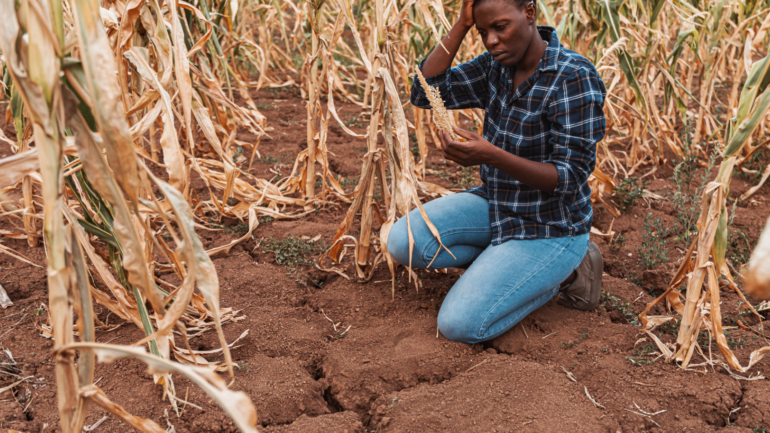
Farmers point to a more immediate problem than the choice of animal. Feed makes up 60 to 70 percent of livestock production costs, and Kenya imports about 80 percent of the raw materials used in feed manufacturing. The Consumers Federation of Kenya says commercial feed costs have risen about 45 percent, and it wants duty and VAT removed on yellow maize and soya.
The Dairy Board puts the cost of producing a litre of milk at Sh30 to Sh37, and some small farmers have cut their herds or quit.
There are signs of response. In Meru, a new cooperative feed mill will sell feed at Sh1,800 per 50kg bag, against Sh2,200 to Sh2,300 on the market, and the farm-gate milk price rose to Sh52 per litre from August 1. Ruto also said the government will pay the Ksh8 billion owed to New KCC. The government aims to lift annual output from 5.5 to 10 billion litres.
What remains unanswered
Critics have not been kind to the buffalo proposal. Former Deputy President Rigathi Gachagua dismissed it as an inadequate answer to the milk shortage.
The practical questions are real too. Buffaloes would need suitable breeds, veterinary safeguards, feed and water arrangements, and investment in milk collection and processing. The ministry itself acknowledges the animals would compete with native species for water. Who pays for importation and upkeep, and when ordinary consumers might see any effect on prices, has not been answered.
For now, the buffalo is still a proposal. The farmers who are leaving dairy over feed costs are a problem the government can see today, and the success of the plan may depend on how well it deals with them.
Read Also: Rethinking Livestock Farming in Africa’s Climate Fight
Author Profile

- How can we learn if we don't question?
Latest entries
 COP3115 October 2026Pacific Leaders Call for Urgent Climate Action Ahead of COP31
 Agriculture13 October 2026Can the buffalo fix Kenya’s milk problem? Farmers say start with the feed bill
 Events12 October 2026Cybersecurity in the Floriculture Industry
 Opinion & Analysis8 October 2026Why Africa Must Look to What Already Exists in Its Blue Economy