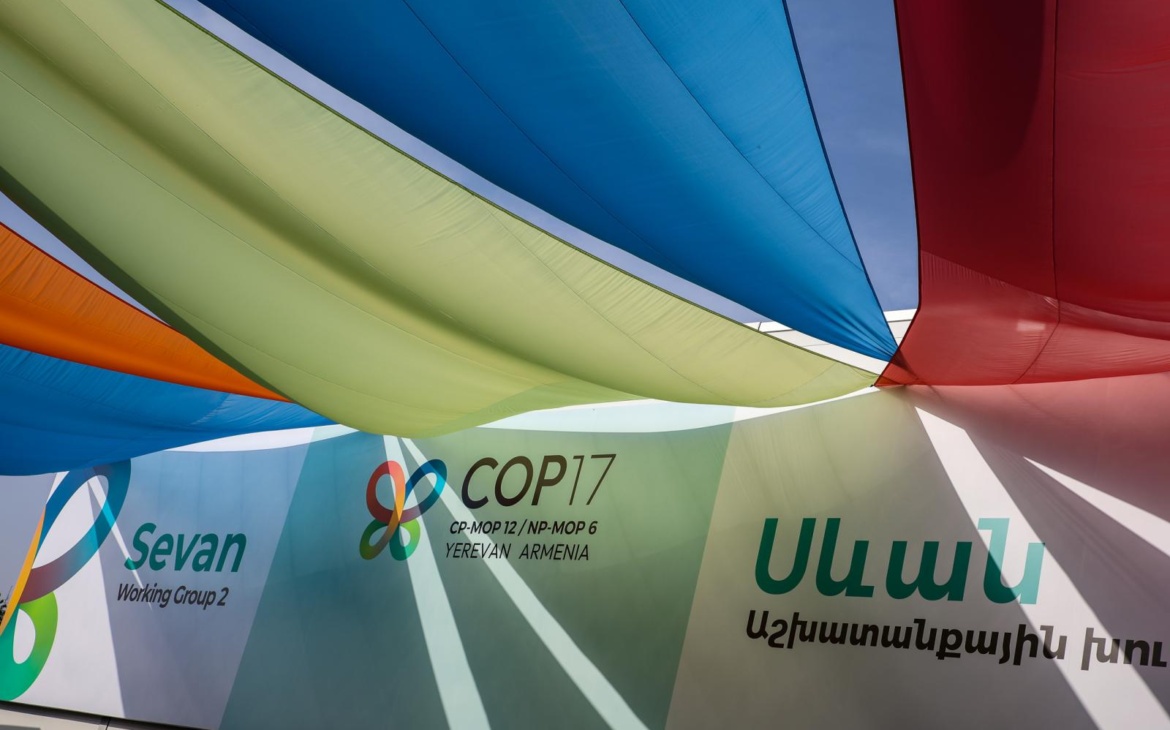
Launched at COP17 in Armenia, the Animals for Biodiversity and Health guide outlines practical measures governments can adopt to protect wildlife, strengthen ecosystems and address risks to animal and human health.
Governments have been urged to integrate animal health and welfare into biodiversity policies as a new guide highlights how protecting animals and their habitats can contribute to conservation, climate action and disease prevention.
The Animals for Biodiversity and Health guide, launched on 21 October at the 17th meeting of the Conference of the Parties to the Convention on Biological Diversity (COP17) in Armenia, provides practical policy options to help governments implement the Global Action Plan (GAP) on Biodiversity and Health.
The guide draws attention to the links between animal welfare, biodiversity loss, climate change, zoonotic diseases and antimicrobial resistance (AMR), arguing that improvements in how animals are treated and their habitats protected can contribute to better outcomes for ecosystems and people.
Its launch comes as the newly released State of Biodiversity Action report warns that the world is off track to meet the target of protecting 30 per cent of the world’s land and sea by 2030.
Jewel Omollo, Environment Policy Officer at the World Federation for Animals, said animal health and welfare should be considered an integral part of efforts to deliver global biodiversity commitments.
“Animal health and welfare is inherently connected to biodiversity and the health of people and our planet. As policymakers look to respond to the Global Action Plan on Biodiversity and Health, we see animal health and welfare as a key conduit for meeting its objectives,” Omollo said.
The guide seeks to translate the Global Action Plan’s recommendations into practical measures that governments can adapt to their national circumstances.
Linking animal welfare to biodiversity and human health
The guide highlights how the treatment, trade and management of animals can influence environmental and public-health risks.
Practices involving the capture, transportation, trade and farming of wildlife can place pressure on ecosystems, while the conditions in which farmed animals are raised can influence animal welfare and the risks associated with infectious diseases and antimicrobial resistance.
The press release also points to the growing international challenge posed by AMR, citing projections of 1.91 million deaths attributable to the condition and 8.22 million deaths associated with it globally in 2050.
Against this backdrop, the guide presents animal welfare as one way to address interconnected environmental and health challenges rather than treating them as separate policy concerns.
Adeline Lerambert, International Policy Manager at the Born Free Foundation, said animal welfare was an important but frequently overlooked element of conservation and disease prevention.y

“We cannot truly safeguard human health without taking animal health and welfare seriously, just as we cannot protect species without protecting the individual animals that make them up. Animal welfare is a powerful but often overlooked tool for conserving biodiversity and preventing disease,” Lerambert said.
Practical measures for governments
The Animals for Biodiversity and Health guide outlines recommendations across wildlife protection, biodiversity and climate action, and farmed animal welfare.
For wildlife protection, it proposes prohibiting or strictly regulating high-risk and inhumane practices involving the capture, transportation and trade of wild animals.
On biodiversity and climate, the recommendations include protecting and expanding urban tree canopies to support wild animal welfare and establishing wildlife corridors to improve habitats.
In livestock production, the guide recommends phasing out high-risk confinement systems and conserving locally adapted livestock breeds with genetic diversity.
The measures are intended to help governments incorporate animal welfare into broader biodiversity and health policies while responding to their respective national priorities.
Examples from countries already taking action
The guide highlights initiatives from several countries to demonstrate how aspects of its recommendations are already being applied.
In Medellín, Colombia, the development of 30 green corridors along roads and streams over the past decade has reportedly lowered average urban temperatures by about 2°C. The initiative has also been associated with the return of birds, lizards, frogs and bats that had been absent from the areas for years.
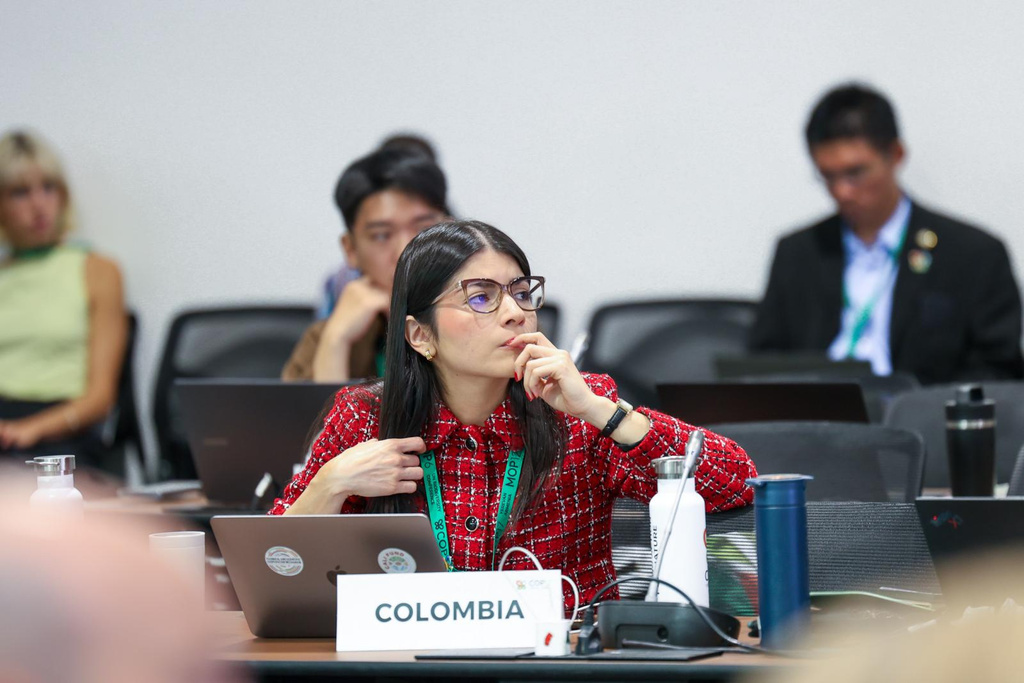
Belgium introduced a positive list for mammals in 2009, specifying which species may be kept as pets. The measure is presented as an approach to reducing the exotic pet trade and its associated risks.
In Brazil, the country’s IBAMA wildlife triage and rehabilitation centres, known as CETAS, received more than 54,000 wild animals in 2023 for veterinary care and, where possible, release back into the wild.
The guide also identifies Bangladesh and Cameroon as countries whose One Health frameworks recognise animal welfare. Germany’s recently adopted national dietary guidelines are cited for incorporating health, environmental, social and animal-welfare considerations into sustainable nutrition.
Together, these examples illustrate different ways animal welfare can be incorporated into environmental management, wildlife protection and public policy.
Turning global commitments into action
The guidance was unveiled at a press conference during COP17, where representatives from the Government of France, the World Organisation for Animal Health, the World Federation for Animals and the Born Free Foundation discussed its relevance and potential application.
For the organisations behind the initiative, the challenge is to translate international commitments into policies and actions that can deliver measurable benefits for animals, ecosystems and people.
Lerambert said the guide was intended to help governments place animal welfare at the centre of their policy responses.
“This guidance gives governments a practical roadmap for putting animal welfare at the heart of policy and delivering better outcomes for wildlife, ecosystems and people,” she said.
By linking animal welfare with biodiversity conservation, climate action and disease prevention, the guide seeks to encourage governments to consider how decisions affecting animals can contribute to wider environmental and health objectives.
Read Also: Yerevan Declaration Sets Tone for COP17 as World Leaders Demand Real Action on Biodiversity
Author Profile

- How can we learn if we don't question?
Latest entries
 Events21 October 2026New Guide Links Animal Welfare to Biodiversity and Human Health
 COP1717 October 2026The World Has a Plan to Save Nature. Can It Deliver by 2030?
 Agriculture16 October 2026“There Is No Shortcut”: A Kiambu Grower’s Decade in Mushrooms
 COP3115 October 2026Pacific Leaders Call for Urgent Climate Action Ahead of COP31