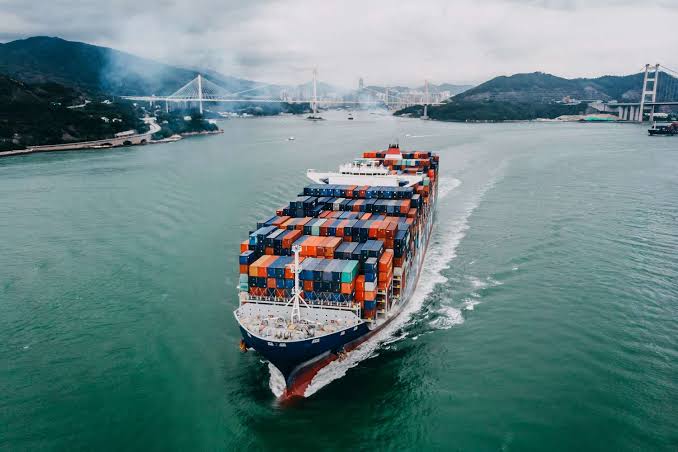
The attack on the Tihamah off Yemen this week offered another reminder of how quickly insecurity at Red sea can spill into the wider shipping system.
On August 11, the cargo ship was hit by missiles near the Bab el-Mandeb Strait, off Al Mokha, Yemen. Six people were killed, including four crew members, and 10 others were injured. The vessel sails under the Tanzanian flag.
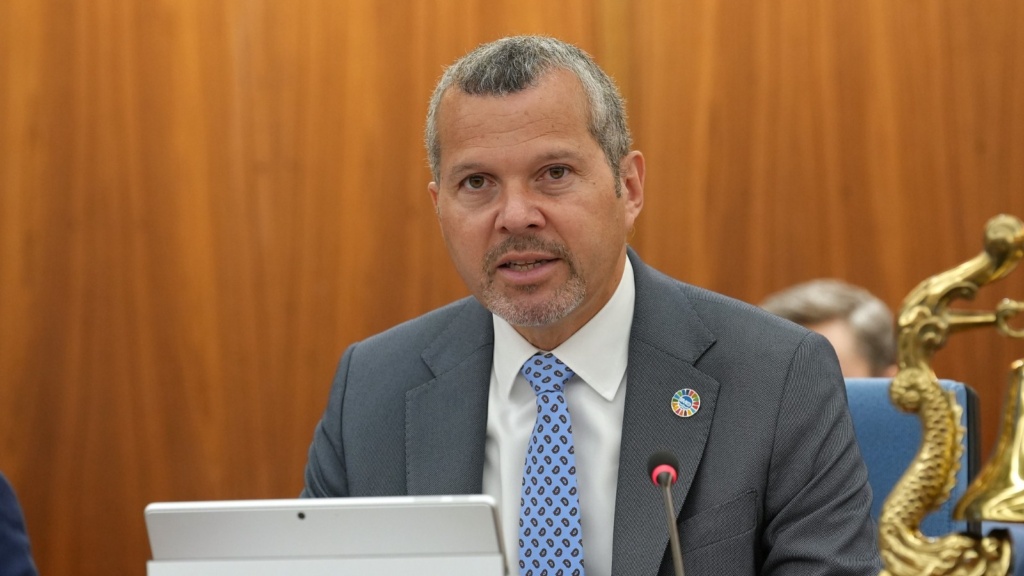
IMO Secretary-General Arsenio Dominguez condemned the attack as indefensible. He said seafarers must be protected and allowed to carry out their work in safety and security. He also renewed his call for the release of seafarers still being held captive following earlier piracy incidents in the region.
The Tihamah is part of a wider disruption.
Houthi strikes on Red Sea shipping resumed on July 22 after a nine-month pause. Since then, vessels have again been forced to avoid the Bab el-Mandeb and take the longer route around the Cape of Good Hope.
That detour can add 10 to 14 days to a voyage. Traffic through Bab el-Mandeb has also fallen by more than half, from about 50 ships a day to 32, according to Kpler data.
For ports stretching from Mombasa to Maputo, the disruption is not happening somewhere far away. Ships diverted from the Red Sea still need to dock somewhere along their new routes. That makes port security part of the wider supply-chain equation.
A port that cannot protect its facilities, workers and cargo can become a weak point in a supply chain already under pressure.
The Tanzanian-flagged Tihamah, and the casualties suffered by its crew in the Gulf of Aden, show that the risks facing shipping do not end when a vessel approaches the shore.
For the past two years, the International Maritime Organization has been working on that second layer of protection: security inside and around ports.
Much of that work happens away from the headlines.
The EU-funded Port Security and Safety of Navigation Programme in Eastern and Southern Africa and the Indian Ocean (EA-SA-IO) brings together nine countries: Angola, Comoros, Kenya, Madagascar, Mauritius, Mozambique, Namibia, Seychelles and Tanzania.
The programme trains security officers, law enforcement officials and government personnel to implement SOLAS Chapter XI-2 and the International Ship and Port Facility Security (ISPS) Code.
The rules apply to ports across the world, including major shipping hubs such as Rotterdam and Singapore.
In Mombasa, the training has focused on practical security planning as the crisis on Red Sea seems to spiral.
From May 26 to 30, 22 participants took part in a workshop on Port Facility Security Assessments. The process involves identifying a port’s physical, structural and procedural vulnerabilities before developing measures to address them.
A second workshop, held from June 9 to 13, took those assessments a step further by turning them into Port Facility Security Plans.
The programme also included a one-day awareness session for general port staff. Tanzania ran a similar workshop for Port Facility Security Officers in Dar es Salaam in September 2024.
The aim is straightforward: give national authorities the skills and plans needed to identify vulnerabilities and respond before an incident becomes a crisis.
The programme is also tied to a wider African framework. EA-SA-IO is explicitly aligned with the African Union’s 2050 Africa’s Integrated Maritime Strategy, adopted in 2014.
That continental approach is becoming increasingly relevant as African countries seek a stronger voice in global shipping policy.
Since April, the African Union Commission has been working towards a common negotiating position for member states ahead of the IMO’s next round of shipping decarbonisation talks.
For years, African countries have often submitted fragmented or conflicting positions to international negotiations.
Kenya, the Democratic Republic of Congo, Ghana and Togo have backed a proposed Net Zero Fund.
The AU Commission is also considering the creation of a standalone African Maritime Organization.
At first glance, port security and climate negotiations may appear to belong to different policy worlds.
They increasingly overlap.
A continent seeking a stronger voice in setting the rules for cleaner shipping also needs the institutional capacity to manage and secure the ports through which that trade moves.
That includes having trained officers, functioning security plans and national authorities capable of enforcing international maritime rules.
The nine-country programme cannot prevent a missile attack in the Red Sea.
Its role is more specific and about strengthening the systems on shore that ports can control.
In Mombasa, that could mean a Port Facility Security Officer being able to organise a tabletop exercise with the Kenya Coast Guard Service and Interpol before an incident occurs.
In Maputo, it could mean having a Port Facility Security Plan developed and owned by national regulators rather than relying entirely on external consultants.
Those systems matter because security planning only becomes useful when authorities can apply it during an actual emergency.
A direct account from an EA-SA-IO trainer or a Kenya Ports Authority official on how the Mombasa assessments have changed daily operations would provide further evidence of how the programme is affecting port security on the ground.
Nine countries do not represent the whole continent. But the programme offers a working example of how the AU’s maritime strategy can move from policy documents into port-level practice.
It stretches from Luanda to Victoria and brings countries with different ports, economies and security challenges under a common international framework.
The crew of the Tihamah did not receive that protection on the water this week.
The programme represents a different bet: that as threats to shipping evolve at sea, the next line of defence on shore can be better prepared to hold.