
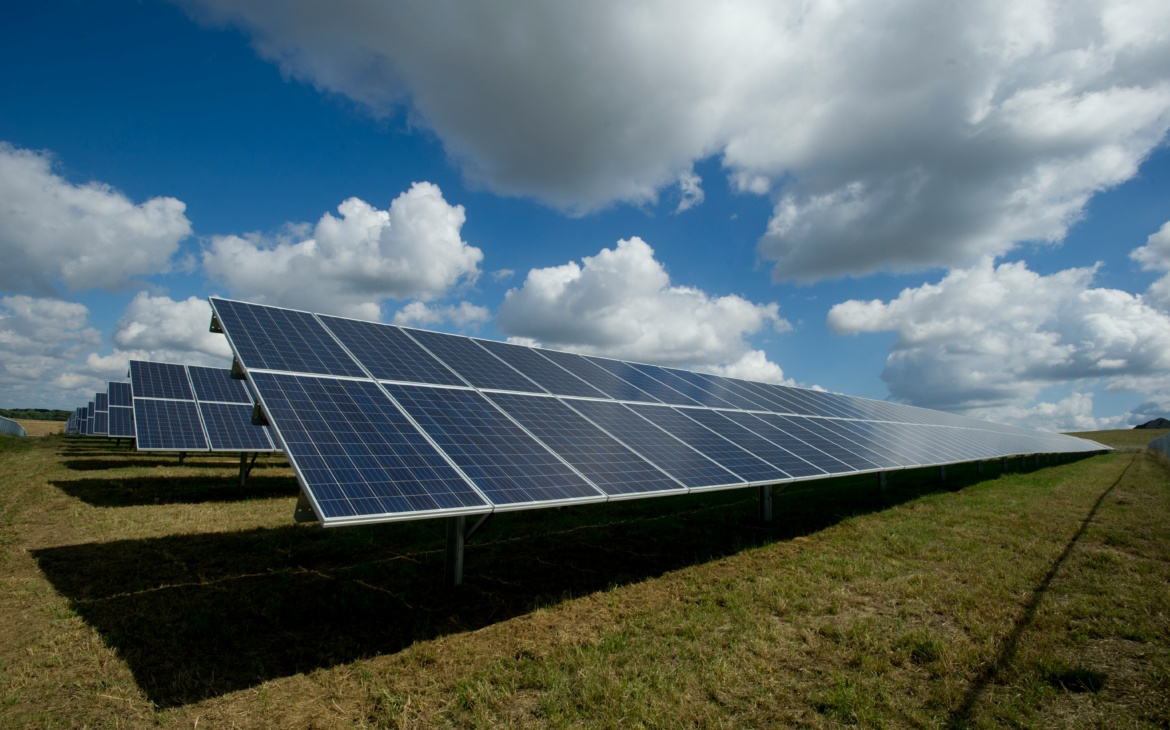
Africa’s renewable-energy debate often centres on how much electricity new projects will generate. Egypt is attempting to ask a larger question: can building clean power also build an industry?
Egypt has signed an agreement with Chinese manufacturer SANY Renewable Energy to develop a 2,000-megawatt wind project in the Gulf of Suez alongside what is expected to be the country’s first wind-turbine manufacturing plant.
According to reporting by the Associated Press, the project is expected to connect to the national grid within 23 months after final agreements are completed, while the factory could eventually supply equipment to Egypt and export to other markets in Africa and the Middle East.
Officials frame it as part of a wider plan to localise clean-energy manufacturing, reduce reliance on imported equipment and use Egypt’s trade agreements to sell renewable-energy products across Africa and the Middle East.
Prime Minister Madbouly said earlier this year that the government wants renewables to supply 45% of Egypt’s electricity by 2028, two years earlier than its previous target, according to Arab News.
The electricity minister said rules on local content in the renewable sector are still being finalised. If delivered as planned, the initiative would represent more than an expansion of generating capacity. It would link renewable-energy construction with local manufacturing, skills development and the possibility of technology transfer.
Why Africa is paying attention
African countries possess some of the world’s strongest solar and wind resources, but they attract only a small share of global clean-energy investment.
The International Energy Agency has estimated that Africa receives around 2 per cent of global clean-energy spending despite being home to roughly one-fifth of the world’s population. It also says the cost of capital for utility-scale clean-energy projects on the continent is at least two to three times higher than in advanced economies and China.
High financing costs can make technically viable projects too expensive. Dependence on imported components creates additional exposure to foreign currency movements, supply-chain disruptions and shipping costs. A project financed in dollars but earning revenue in local currency can become harder to repay when that currency loses value.
Egypt’s proposed model attempts to address several of those barriers at once: build at a large scale, use local-currency financing and connect the power project to a domestic manufacturing base.
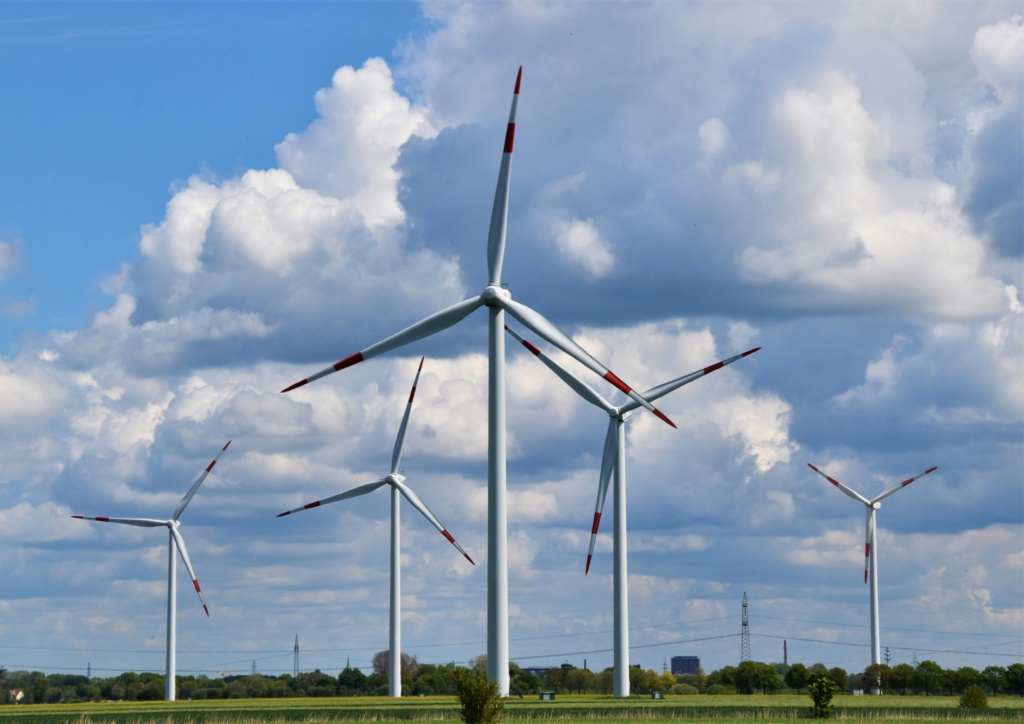
“While Nigeria purchased 37 turbines, Egypt is attempting to buy the capability to make them,” energy-policy specialist Dola Oluteye told the Associated Press. Her comparison referred to Nigeria’s 10-megawatt Lambar Rimi wind farm in Katsina State, which was contracted in 2010, originally expected in 2012 and eventually commissioned in 2025 after years of delay.
The comparison is striking, but Egypt’s plan remains a proposal rather than proof of success. Large announcements do not guarantee completed factories, affordable electricity or durable employment. The terms of the agreement, including ownership, sourcing requirements, worker training and access to technical knowledge, will determine whether the factory develops genuine industrial capability or primarily assembles imported parts.
Technology transfer is more than installing machinery. It can include training engineers, licensing designs, developing local suppliers, supporting research and giving domestic firms the capacity to maintain and eventually improve equipment. Without those elements, a factory may create some jobs without substantially shifting control of the value chain.
Scale is another challenge. Manufacturing turbine blades, towers and other components requires sustained demand. One country may not order enough equipment to keep a factory competitive after its first major project. Egypt has an advantage in the size of its power market, its industrial base and its trading position between Africa, the Middle East and Europe.
That is where regional cooperation could become important. Rather than every country attempting to establish an entire turbine industry, African governments could coordinate renewable-energy pipelines and specialise in different parts of the supply chain. A larger shared market could give countries more leverage when negotiating local-content rules, joint ventures and training commitments with international manufacturers.
What it means for Kenya
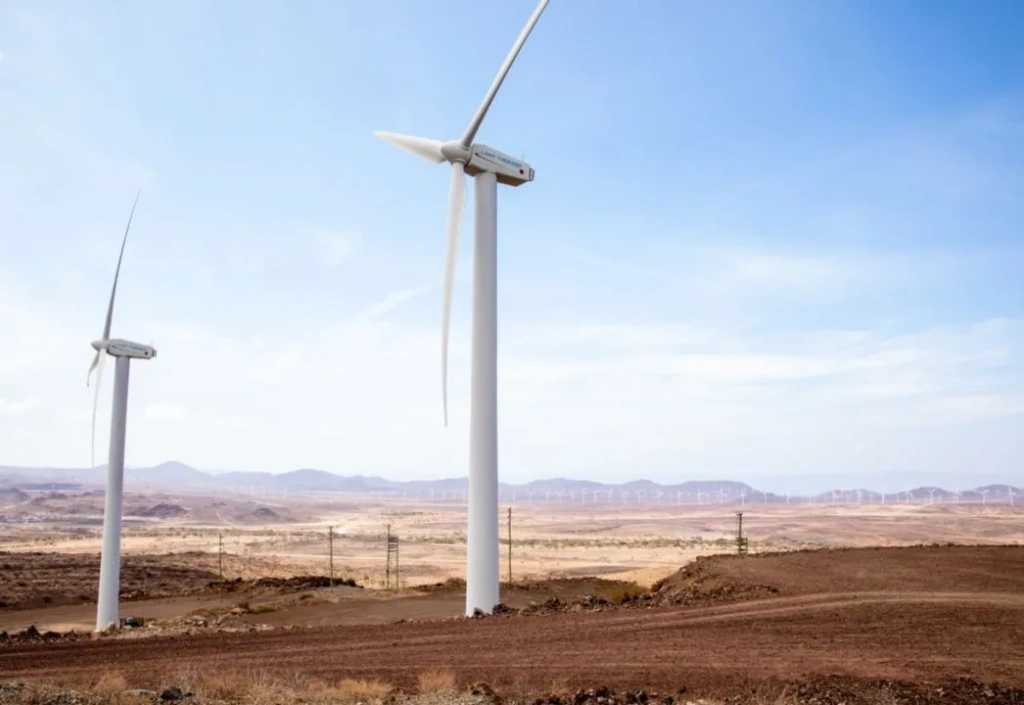
Kenya has its own reference point. The 310-megawatt Lake Turkana Wind Power project in northern Kenya, built from 365 turbines, provides roughly 15–17% of the country’s installed capacity, according to its investor Norfund, which calls it Kenya’s largest single private-sector investment.
Norfund notes that building it meant upgrading more than 200 kilometres of road to move equipment from Mombasa to the site. Whether Kenya, alone or with East African neighbours, could attract turbine manufacturing on comparable terms is a question the Egyptian case raises but does not answer.
Local manufacturing is not automatically cheaper or greener. Factories require reliable electricity, transport links, specialised labour and consistent orders. Poorly designed local-content rules can raise project costs or protect inefficient suppliers.
Governments therefore need realistic industrial strategies that identify components that can be produced competitively, rather than requiring localisation for its own sake.
Environmental and community safeguards also remain essential. Manufacturing benefits cannot compensate for projects that disregard land rights, migration routes, biodiversity or local livelihoods. Communities near wind sites should be involved early and should see transparent benefits through jobs, infrastructure, revenue-sharing or community ownership.
Egypt’s experiment offers Africa an important shift in emphasis, moving from counting imported turbines to asking who builds them, who understands the technology and who captures the economic value.
Author Profile

Latest entries
 Energy21 September 2026Egypt wants to manufacture its wind-energy transition. Can the model work across Africa?
 Climate16 September 2026What Happens When Climate Change Has Schools Closed? A Growing Education Crisis
 Agriculture8 September 2026More Than Half of Nigeria’s Cocoa Farmers Could Lose EU Market Access as Deforestation Law Nears
 Events25 August 2026Kenya triples its clean energy ambitions: Will power get any cheaper?

