Scientists and policymakers are calling for stronger recognition of non-monetary benefits in global discussions on Digital Sequence Information (DSI), saying these benefits are essential for advancing scientific research, biodiversity conservation, and international collaboration.
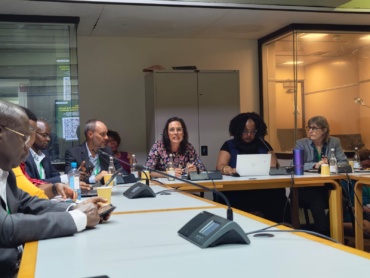
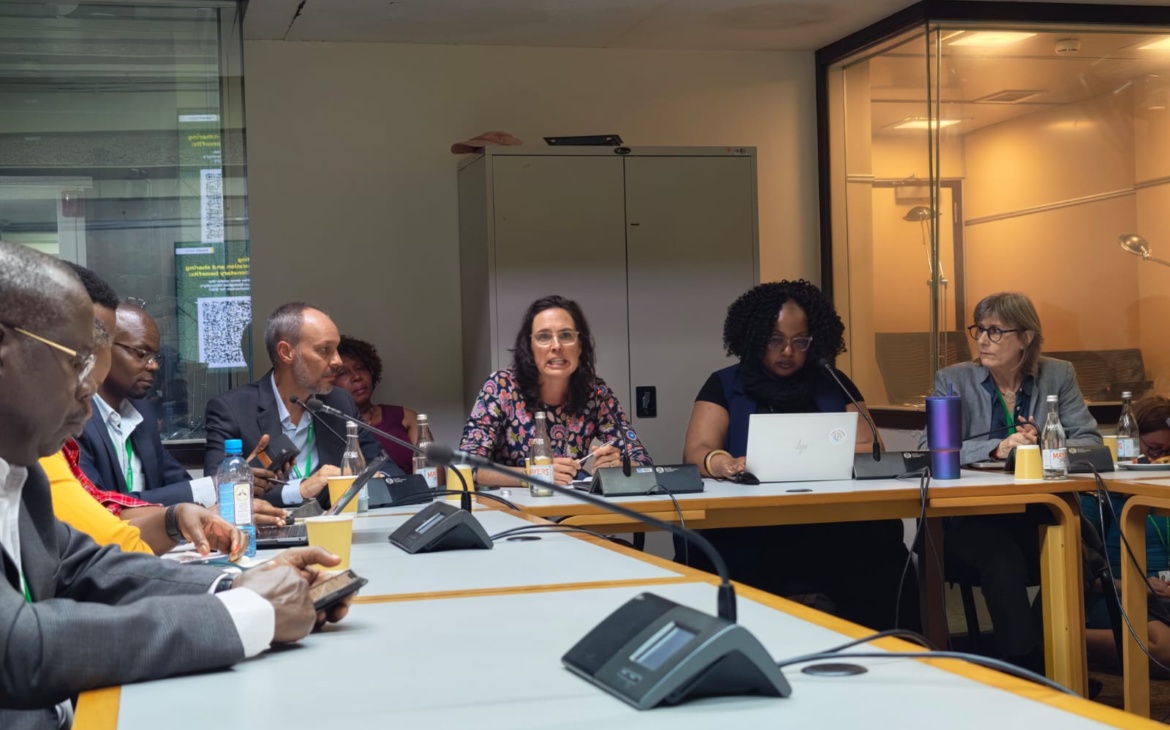
The message came during a side event held alongside the seventh meeting of the Subsidiary Body on Implementation (SBI-07), where experts highlighted the role of training, technology transfer, research partnerships, and open access to scientific data in ensuring that all countries can benefit from the use of genetic information.
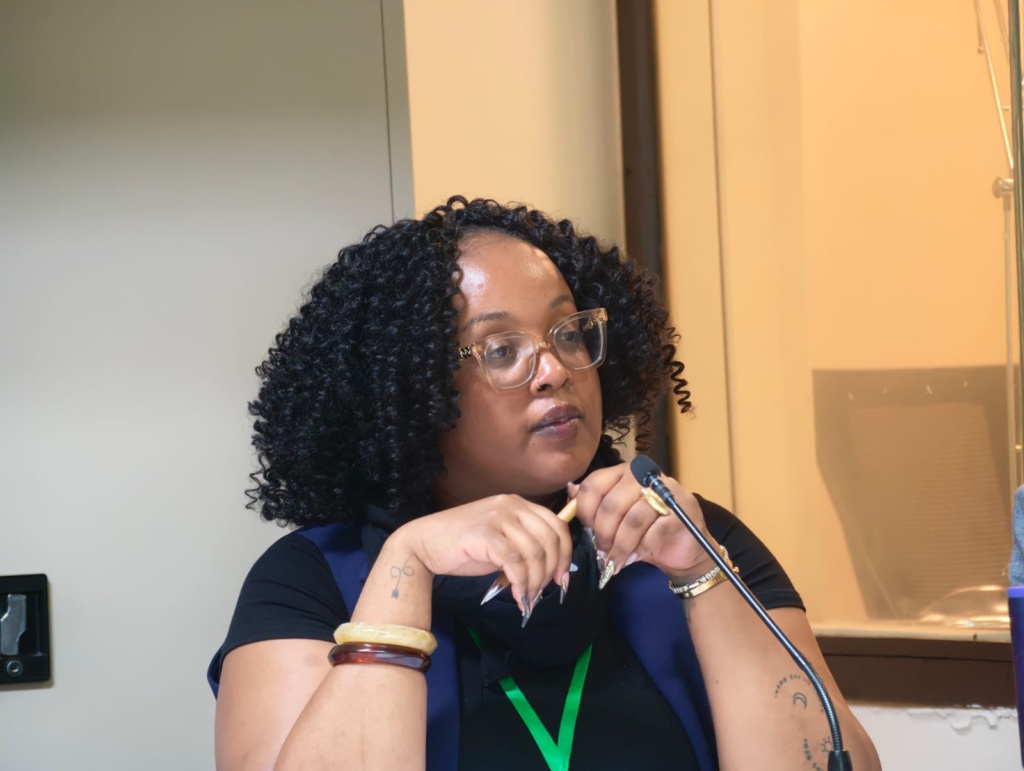
Moderated by Sally Katee of the International Livestock Research Institute (ILRI), the event brought together researchers and policy experts to discuss how these benefits can be better integrated into the new multilateral mechanism for benefit-sharing under the Convention on Biological Diversity.
Organised by ILRI, the Leibniz Institute DSMZ, and the DSI Scientific Network, the session focused on connecting scientific experience with international policy discussions.
One of the key messages came from a recent survey conducted by the DSI Scientific Network. Researchers from around the world ranked open access to public databases and scientific publications as the most valuable non-monetary benefit.
The finding was described as evidence that negotiators have already created an important foundation for global scientific cooperation by keeping DSI openly accessible.
While negotiations often focus on financial benefit-sharing, speakers stressed that non-monetary benefits are equally important. These include training opportunities, access to sequencing technologies, computing infrastructure, research collaborations, open-source software, and joint scientific publications.
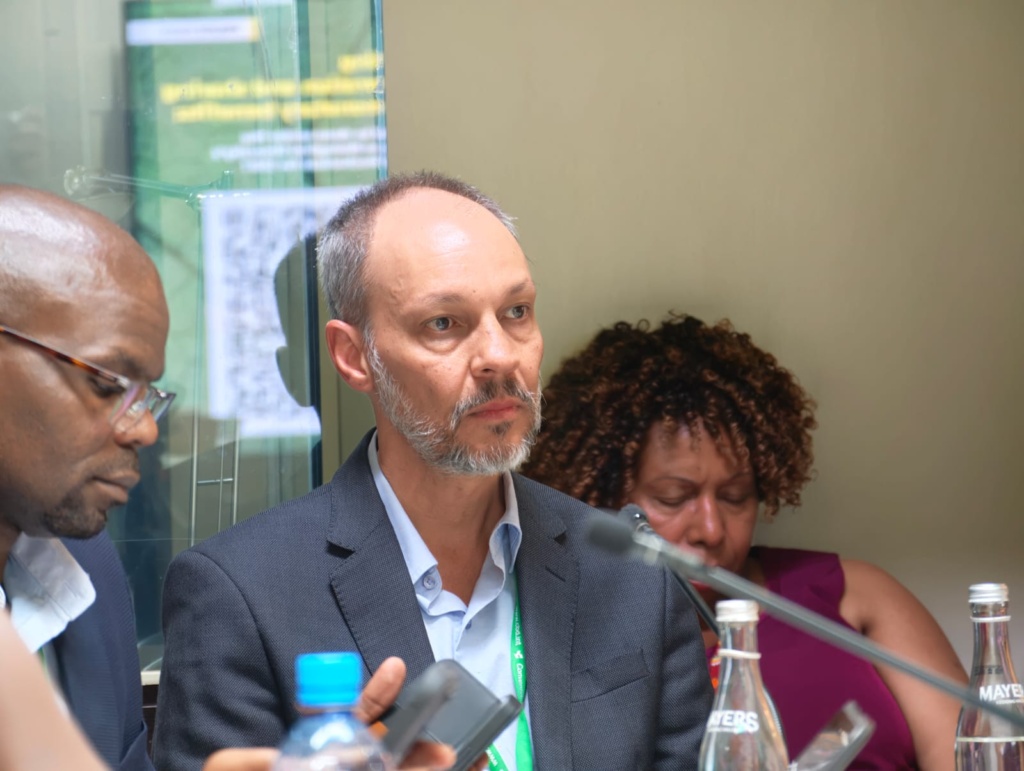
According to participants, these forms of cooperation are already helping researchers solve real-world challenges, but they now need stronger recognition within the global benefit-sharing mechanism.
Dr Manuela da Silva of the Fiocruz Biodiversity and Health Biobank in Brazil shared how her country has developed a national system that makes it easier for international researchers to work with Brazilian institutions.
Through Brazil’s SisGen 3.0 platform, foreign scientists can register online and connect with local research institutions even before establishing scientific partnerships. She explained that these administrative and scientific collaborations represent practical examples of non-monetary benefit-sharing.
Brazil has also created a project bank where non-monetary benefit-sharing activities can receive support through the country’s national benefit-sharing fund, demonstrating how governments can develop practical systems that fit their national needs.
Speaking from an African perspective, Dr Joseph Mulema of the Centre for Agriculture and Bioscience International (CABI) highlighted both the opportunities and the challenges facing the continent.
He said African scientists are increasingly using DSI to monitor crop diseases, invasive species, and biodiversity, but many countries still face limited access to sequencing laboratories, high-performance computing facilities, and trained bioinformatics experts.
“Africa is still more of a user of DSI than a generator,” Dr Mulema said.
He pointed to initiatives such as the African BioGenome Project, the Africa CDC Pathogen Genomics Initiative, and the West African Virus Epidemiology project as important regional efforts that are helping build scientific capacity through shared expertise and infrastructure.
Dr Jessica da Silva of the South African National Biodiversity Institute (SANBI) demonstrated how DSI is directly supporting biodiversity conservation.
Her research uses genetic information to monitor species such as the western leopard toad, helping scientists detect early signs of population decline before it becomes too late to intervene.
She noted that DSI is not only important for benefit-sharing but is also a powerful tool for achieving the goals of the Kunming-Montreal Global Biodiversity Framework. Research has shown that DSI can contribute to achieving 21 of the framework’s 23 global biodiversity targets.
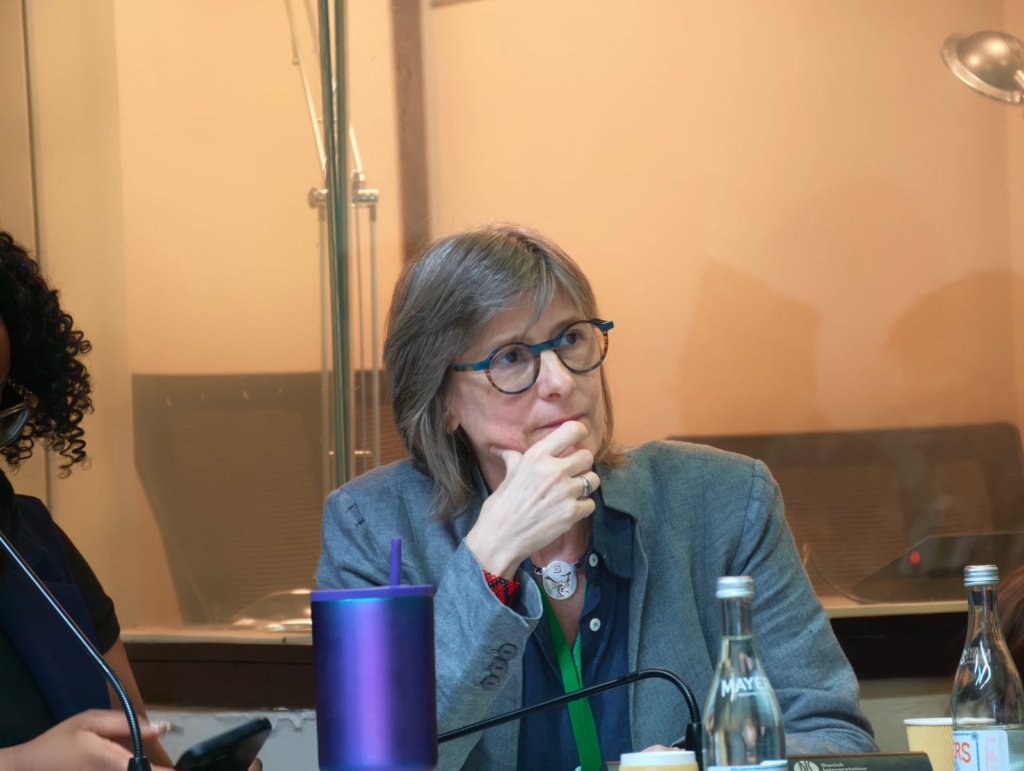
Another major topic during the discussion was how countries can measure non-monetary benefits.
Dr Amber Hartman Scholz of the Leibniz Institute DSMZ explained that scientific publications already provide an effective way to track these benefits. Researchers routinely cite accession numbers for DSI used in their studies, allowing scientists to follow how genetic information is shared and applied across the world.
She said existing scientific tools and methods are already capable of measuring many non-monetary benefits, adding that what is needed now is political commitment to include them in the multilateral mechanism.
Her team has also developed approaches to estimate the financial value of non-monetary benefits by combining publication data with research funding information and OECD research expenditure statistics. Although she acknowledged the estimates are not perfect, they provide governments with a useful understanding of the scale of global investment in DSI-related research.
Participants also identified another important gap: there is currently no international platform that connects countries or institutions offering non-monetary benefits with those seeking them.
Speakers suggested that a simple matchmaking platform or clearing-house mechanism could help countries identify training opportunities, research partners, equipment, and technical support, making international collaboration more accessible.
Throughout the discussions, speakers emphasised that non-monetary benefits should not be viewed as an optional addition to the DSI mechanism. Instead, they argued, they form the foundation of scientific research by building the knowledge, infrastructure, and partnerships needed to generate and use digital sequence information.
They also stressed that practical solutions already exist. National systems such as Brazil’s registration platform, regional scientific networks across Africa, and open-access databases demonstrate that countries do not need to start from the beginning. Instead, negotiators should strengthen and expand what is already working.
The meeting concluded with a strong call for the new multilateral mechanism to fully recognise non-monetary benefits alongside financial contributions.
Dr Mulema called for stronger African leadership in shaping global DSI governance, while Dr Hartman Scholz encouraged negotiators to build on the successful systems that are already supporting scientific collaboration worldwide.
Closing the session, moderator Sally Katee said the discussions had successfully connected scientific evidence with policy-making, reflecting the DSI Scientific Network’s goal of ensuring that science continues to inform international biodiversity negotiations.
Author Profile