
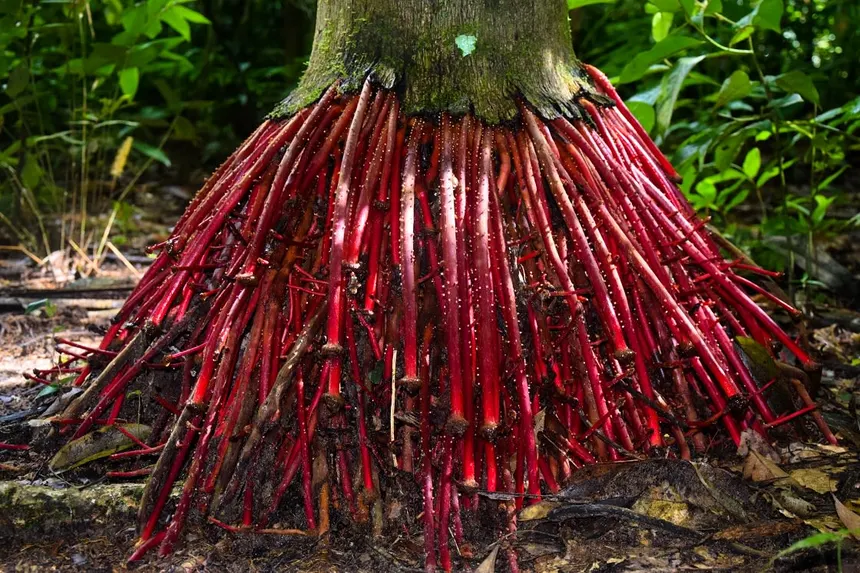
As delegates prepare to gather in Nairobi for the seventh meeting of the Convention on Biological Diversity’s Subsidiary Body on Implementation (SBI-7), a new report is drawing attention to an often-overlooked consequence of deforestation: the loss of future medicines.
Tropical forests have long been recognised as critical carbon sinks and biodiversity hotspots, but they are also vast natural laboratories of medicines.
Every tree, plant, fungus and microorganism contains unique genetic and chemical information that could hold the key to developing the next breakthrough treatment for cancer, infectious diseases, antibiotic resistance or future pandemics. When forests disappear, that potential can vanish before science has the chance to discover it.
New analysis by research group Zero Carbon Analytics estimates that tropical forests contain up to US$1.2 trillion in undiscovered pharmaceutical value and a further US$7 trillion in broader social health benefits.
The report argues that biodiversity should no longer be viewed solely as an environmental asset but as essential infrastructure for global public health.
The findings come at a critical time, with countries under growing pressure to halt biodiversity loss and implement commitments under the Kunming-Montreal Global Biodiversity Framework. For Kenya, which will host SBI-7 from 4 to 12 August, the discussions carry particular significance as governments seek practical ways to finance conservation while ensuring the fair sharing of benefits arising from nature’s genetic resources.
Nature’s pharmacy under threat
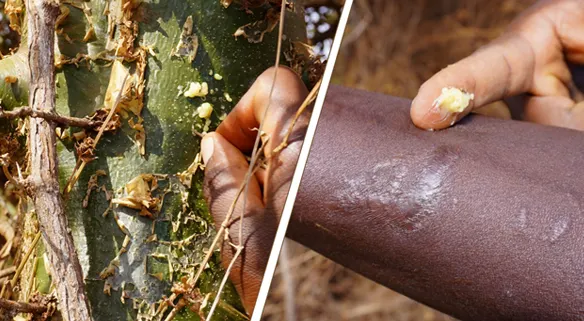
Many of today’s life-saving medicines have their origins in nature. Compounds found in tropical plants have inspired or directly contributed to treatments for cancers, malaria, glaucoma, hypertension and childhood leukaemia.
Drugs such as Taxol, vincristine, quinine and newer therapies like Kadcyla and Enhertu all trace their scientific roots to compounds first identified in plants growing in forests across Asia, Africa and South America.
Yet these ecosystems continue to disappear at an alarming rate. According to the report, tropical deforestation since 2001 may already have erased up to US$86 billion in potential pharmaceutical value and approximately US$860 billion in wider social health benefits.
Each hectare cleared represents not only lost wildlife habitat and carbon storage but also the possible disappearance of chemical compounds that could have formed the basis of tomorrow’s medicines.
The researchers warn that if current deforestation trends continue, pharmaceutical companies could forfeit up to US$145 billion in future commercial value by 2050. Conversely, achieving the global goal of halting forest loss by 2030 could preserve around ten times more value than would otherwise be lost under business-as-usual scenarios.
Climate change and biodiversity are inseparable
The report reinforces a growing scientific consensus that climate change and biodiversity loss cannot be addressed separately. Rising temperatures, prolonged droughts, increasingly severe wildfires and shifting rainfall patterns are placing additional pressure on already fragile tropical ecosystems.
Combined with agricultural expansion, illegal logging and mining, these threats are accelerating the loss of species before they can even be studied.
Protecting forests therefore delivers multiple benefits. Healthy ecosystems continue to absorb carbon dioxide, regulate water cycles, support livelihoods and preserve the genetic diversity that underpins scientific innovation.
For the pharmaceutical sector, biodiversity represents an irreplaceable resource for future drug discovery. For society, it represents hope for better treatments against diseases that continue to challenge global health systems.
An unequal exchange
One of the report’s strongest messages concerns equity. While the world’s richest biodiversity is concentrated in tropical regions across Africa, Asia and Latin America—often managed by Indigenous Peoples and local communities—the overwhelming commercial benefits from medicines derived from these resources flow to pharmaceutical companies headquartered in wealthier nations.
Despite the industry’s reliance on natural genetic resources, only a handful of major pharmaceutical firms have publicly committed dedicated funding for biodiversity conservation.
The report suggests that this imbalance raises important questions about responsibility and benefit sharing, particularly as advances in digital sequencing technology increasingly allow companies to access genetic information without physically collecting biological samples.
This issue will be central to discussions surrounding the Cali Fund, the global financial mechanism established under the Convention on Biological Diversity to ensure companies using Digital Sequence Information (DSI) contribute towards biodiversity conservation and support Indigenous Peoples and local communities who safeguard these ecosystems.
Kenya’s opportunity
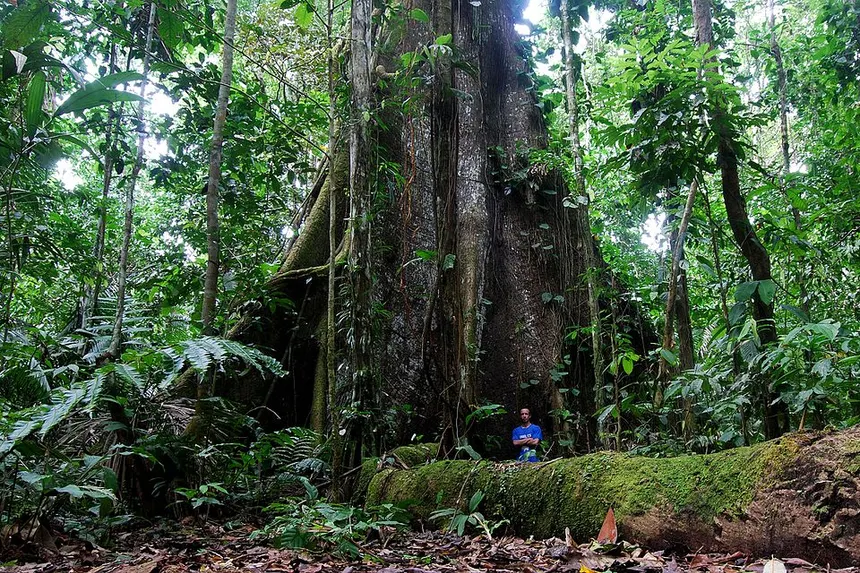
Hosting SBI-7 places Kenya at the centre of global discussions on implementing biodiversity commitments. The country is home to ecologically significant landscapes including the Mau Forest Complex, Kakamega Forest, the coastal forests and numerous mountain ecosystems that harbour rich biological diversity with untapped scientific potential.
For Kenya and other biodiversity-rich nations, conservation is increasingly becoming more than an environmental responsibility—it is also an investment in future health, innovation and sustainable economic development. Protecting forests today may help secure tomorrow’s medicines while strengthening climate resilience and supporting communities whose livelihoods depend on healthy ecosystems.
As negotiations continue, experts argue that governments, researchers, businesses and financial institutions must recognise biodiversity as a strategic asset rather than simply a conservation issue. Greater investment in protecting tropical forests could generate returns that extend far beyond environmental gains, safeguarding scientific discoveries that have yet to be made.
The world’s remaining tropical forests continue to hold countless biological secrets. Some may never become medicines, while others could transform the treatment of diseases that currently have no cure. Whether those discoveries are realised will depend largely on the choices made today.
As Kenya hosts crucial biodiversity talks, the message from scientists is clear: protecting forests is not only about saving wildlife or reducing carbon emissions. It is about preserving humanity’s greatest natural research library, one whose next breakthrough could improve, or even save, millions of lives.
Author Profile

- How can we learn if we don't question?
Latest entries
 Climate23 October 2026The Road Back to 1.5°C: UNEP Sets Out the Emissions Cuts Needed
 Oceans22 October 2026Seamounts Under Threat: Can Governments Turn Ocean Promises into Protection?
 Events21 October 2026New Guide Links Animal Welfare to Biodiversity and Human Health
 COP1717 October 2026The World Has a Plan to Save Nature. Can It Deliver by 2030?


