For Kenya’s flower growers, False Codling Moth (FCM) is no longer simply another pest to manage inside the greenhouse. It has become a phytosanitary and market-access challenge, with the potential to determine whether a consignment of roses reaches a European buyer or is intercepted at the border.
The pressure has been building for years. KEPHIS says repeated FCM detections in Kenyan rose exports have prompted the European Union to progressively tighten inspection requirements, with sampling rising from 5% in 2020 to 25% by May 2024.
The EU subsequently introduced Regulation (EU) 2024/2004, requiring stricter measures for rose exports from 26 April 2025.
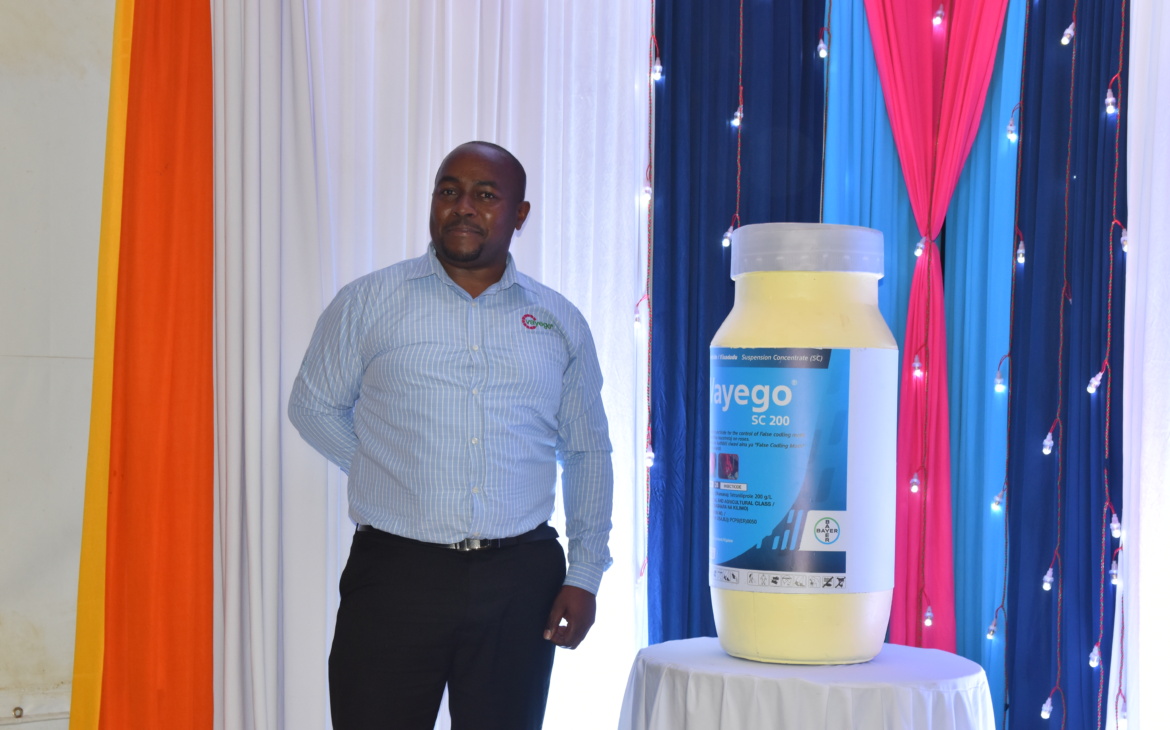
Against this backdrop, Bayer has introduced Vayego, a new insecticide registered in Kenya for the control of FCM in flowers.
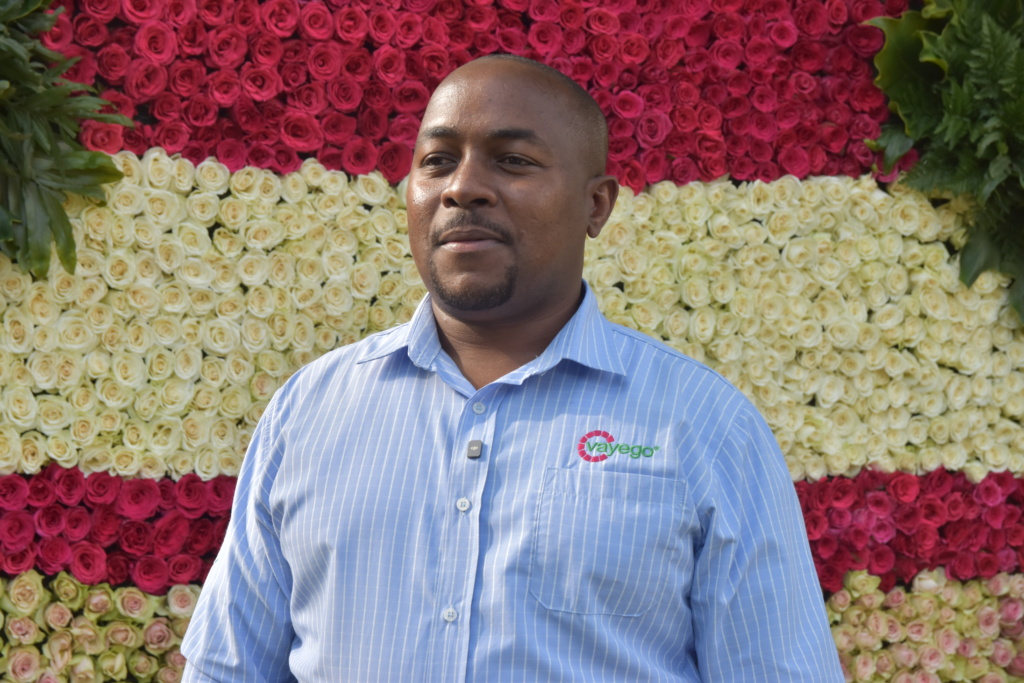
For Maurice Kome, Bayer’s relationship manager for flowers and export vegetables in East Africa, the significance of the product is straightforward: helping growers manage a pest that has become increasingly important to the future of Kenya’s flower exports.
“FCM is one of the key menaces in flower production currently, with a lot of interceptions,” Kome says. “With this, we have come up with a product that is going to assist our farmers to get a clean crop free from FCM and can be able to be exported.”
A pest becomes a trade issue
The story of FCM in Kenya’s floriculture industry is also a story of how a biological threat can become a commercial one.
Dr Mary Mwari Guantai, an entomologist with the Kenya Plant Health Inspectorate Service (KEPHIS), traces the current challenge back to 2017, when a Kenyan rose consignment destined for the Netherlands was intercepted at Amsterdam after a live FCM caterpillar was detected.
“Since then, we had to walk a journey,” she explains.
That journey included increased surveillance, European risk assessments and progressively tougher requirements for Kenyan exporters. FCM was identified as a quarantine pest because of the potential risk it poses to European agriculture. Guantai explains that the moth is not restricted to roses.
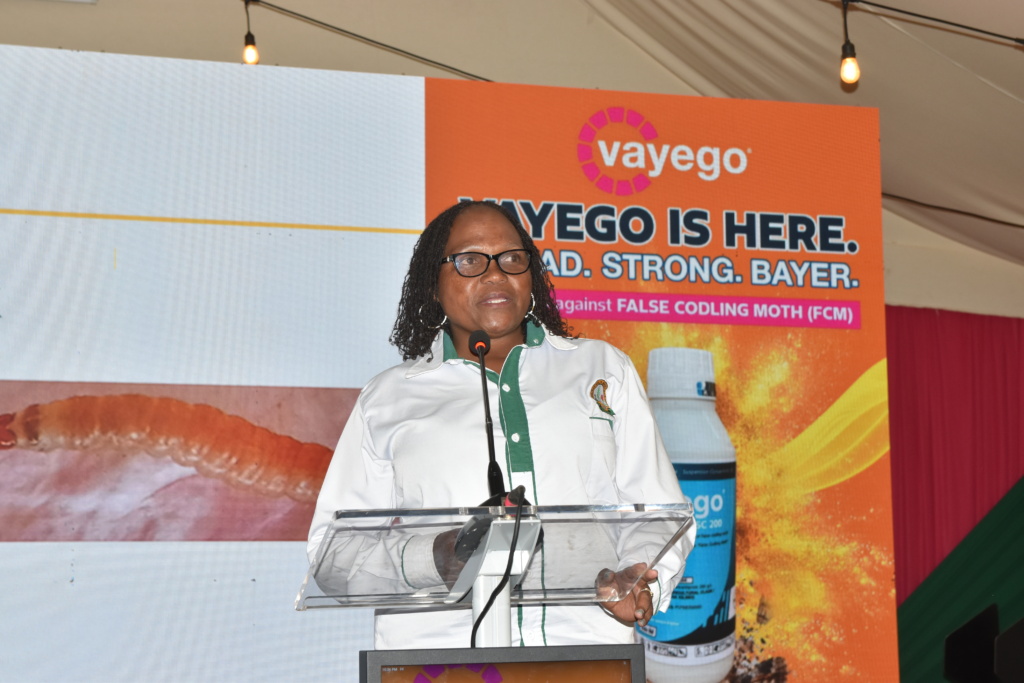
“It is a pest that does not only affect roses, but other produce. Because it is polyphagous, we say it can affect more than one crop.”
The pest can attack a wide range of host plants, while its different life stages can make management particularly challenging. In a greenhouse, Guantai says, growers can encounter eggs, larvae, and pupae at different points in the pest’s life cycle.
“When the moth is laying the egg, we are having the larva that is busy penetrating the flower,” she says. “We have the pupa which is under the soil, and so on. So, we find that this becomes a major problem.”
KEPHIS has since worked with industry stakeholders to implement a systems approach that combines prevention, monitoring, greenhouse integrity, inspection and other controls. The approach is intended to ensure that Kenyan roses meet the EU’s stringent phytosanitary requirements.
A 15-year journey to the farm
It would be easy to assume that Vayego emerged because of the recent FCM crisis. Kome, however, says its development predates the current regulatory pressure.
The molecule has been in development for approximately 15 years.
“We usually take a lot of time to get one molecule in the market,” he says. “For example, this one has taken 15 years. So with 15 years, you know, even FCM was not here.”
That distinction is important. Bayer was not developing Vayego specifically in response to the European requirements now confronting Kenyan growers.
Rather, as the FCM challenge intensified, the company identified a product already in development as potentially suitable for the emerging problem.
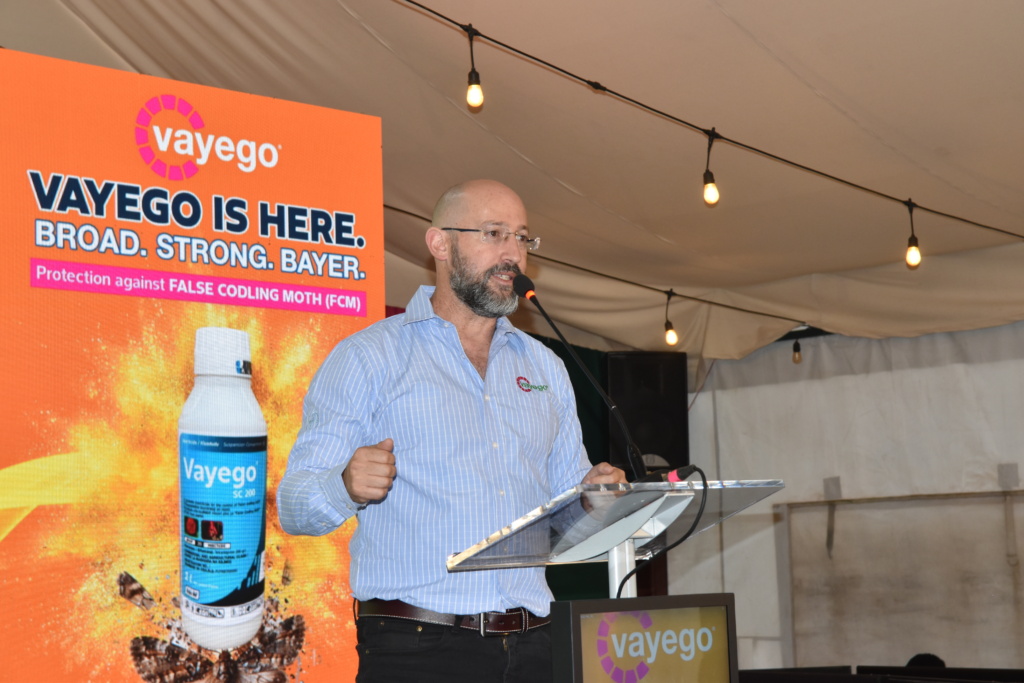
“It was in a process of being developed when the FCM situation came in Kenya, and we found an opportunity of getting this product now to sort the problem that has already emerged in the country,” Kome says. “It is something that was in process, and we identified and saw that this is perfectly fit for the situation that we’re having in the country.”
Before reaching growers, however, the product went through Bayer’s technical and farmer trials.
Kome says Bayer first undertakes technical trials required for registration before moving into what it calls farmer reliability trials, where the product is tested under farm conditions.
According to Kome, those farmer reliability trials recorded 70–80% control of FCM.
That figure is significant, but it is also one that needs to be understood within the context of the trials from which it was generated.
For growers, the practical question is not simply whether a product works in a controlled trial, but whether it delivers reliable control within the complex pest-management systems already operating on commercial flower farms.
Fitting into IPM
This is where Kome sees another advantage.
Vayego is a synthetic insecticide, but Bayer says it has been assessed for compatibility with biological control agents used by growers.
“We don’t want to bring a product that is going to kill the biologicals that the farmers are using,” Kome says.
For an industry increasingly reliant on integrated pest management, this distinction matters.
“In IPM it’s not only chemicals that you are going to use at the farm,” he explains. “You can use the chemical, you can use the biological, you can use the mechanical… so you have to have that integrated approach.”
The objective, he says, is to allow chemical and biological tools to work within the same pest-management programme rather than having one undermine the other.
That philosophy is consistent with the wider systems approach now being promoted for FCM management in Kenya. KEPHIS has described the approach as integrating biological, cultural and chemical controls to reduce FCM populations while helping growers meet EU phytosanitary requirements.
More than one product
The introduction of Vayego therefore comes at a moment when the Kenyan flower industry is being forced to think about FCM management differently.
The challenge is not simply to kill a pest. It is to prevent that pest from entering the export chain in the first place.
That requires action at multiple points — from greenhouse hygiene and monitoring to biological and chemical controls, inspection, traceability and compliance with the systems approach.
KEPHIS has continued training growers on these measures, while the agency’s more recent reporting indicates that the systems approach has helped reduce FCM interceptions, even as Kenya continues to work with the EU on inspection requirements.
For growers, Vayego consequently enters a much larger toolbox.
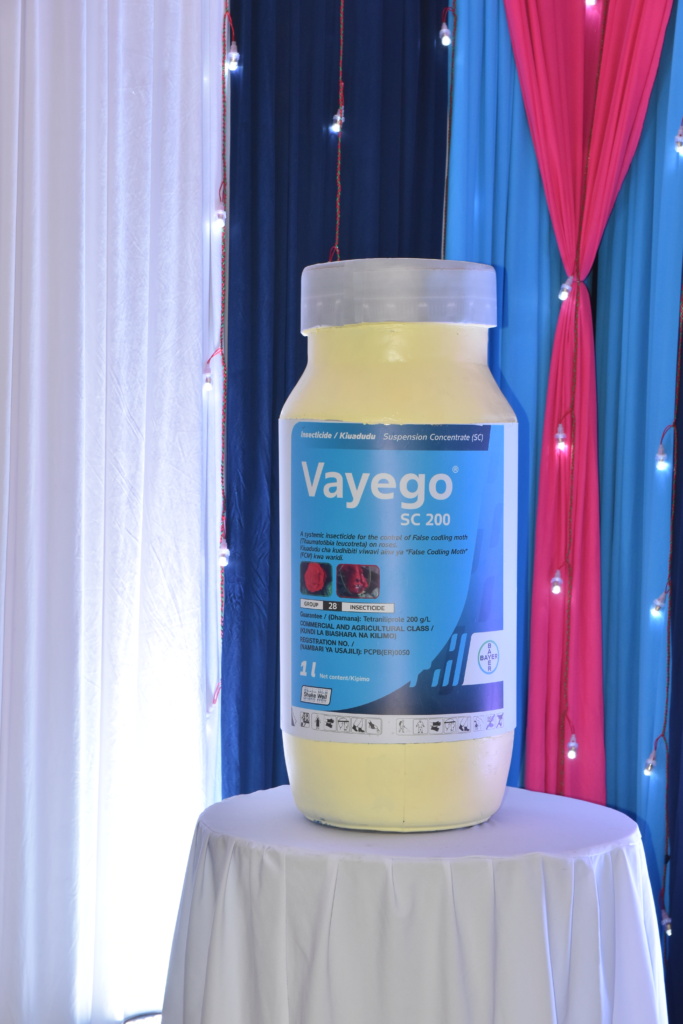
Kome believes it can become an important one.
“It’s going to be one of the key tools for the farmers to have in the field,” he says.
For Guantai, meanwhile, the stakes extend beyond any individual product. Kenya’s ability to maintain its European flower market depends on keeping the entire phytosanitary chain effective.
The lesson from the FCM experience is therefore clear: market access begins long before a box of roses reaches the airport.
And as Kenya’s growers confront the continuing pressure of FCM, the battle will be fought not with one intervention, but through a combination of science, surveillance, integrated pest management and increasingly sophisticated systems designed to ensure that the country’s flowers arrive in Europe clean, compliant and ready for the market.