
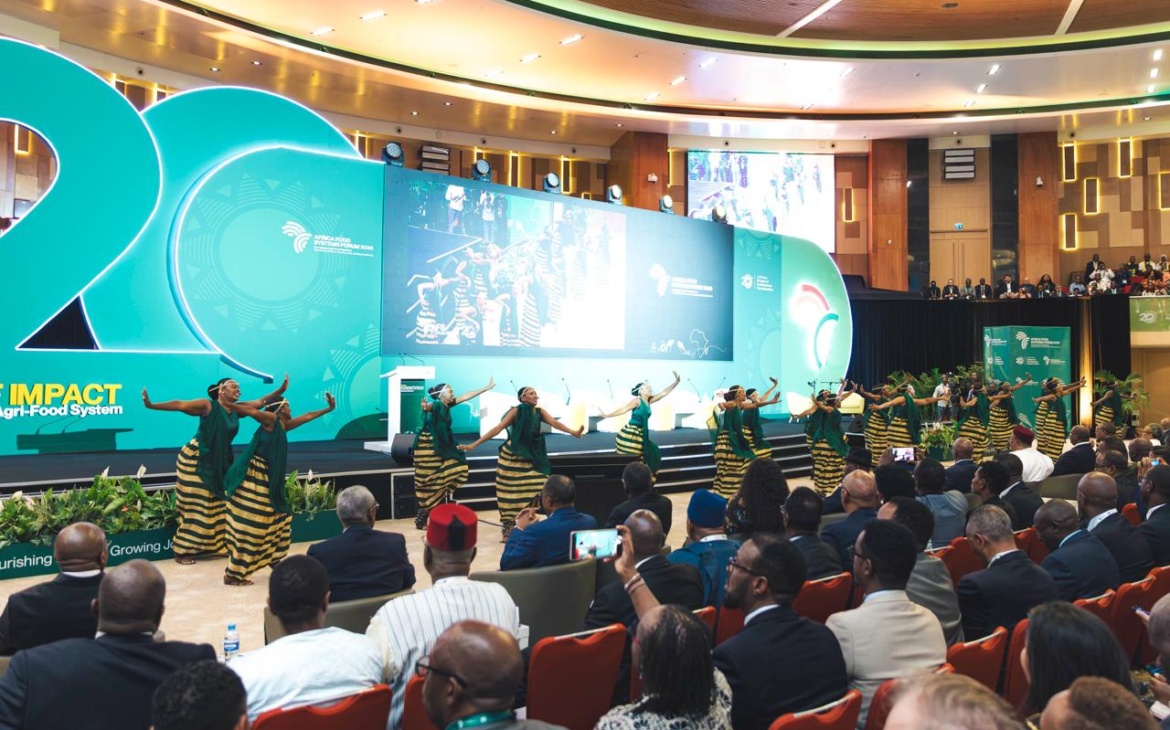
Twenty years after the Africa Food Systems Forum (AFSF) began as a platform for bringing together leaders, farmers, investors and policymakers, its 2026 edition has opened in Kigali with a more difficult question: can Africa turn decades of dialogue and commitments into investment, implementation and measurable change across its food systems?
The question comes at a critical moment for the continent. The latest Food and Agriculture Organisation (FAO) estimates show that 309 million people in Africa faced hunger in 2025, while more than half of the continent’s population, 56.6 per cent, experienced moderate or severe food insecurity.
At the same time, climate shocks are placing additional pressure on food production and livelihoods. The World Meteorological Organisation (WMO) says weather- and climate-related hazards affected at least 13 million people across Africa in 2025, with drought alone affecting more than 8.5 million people in East Africa.
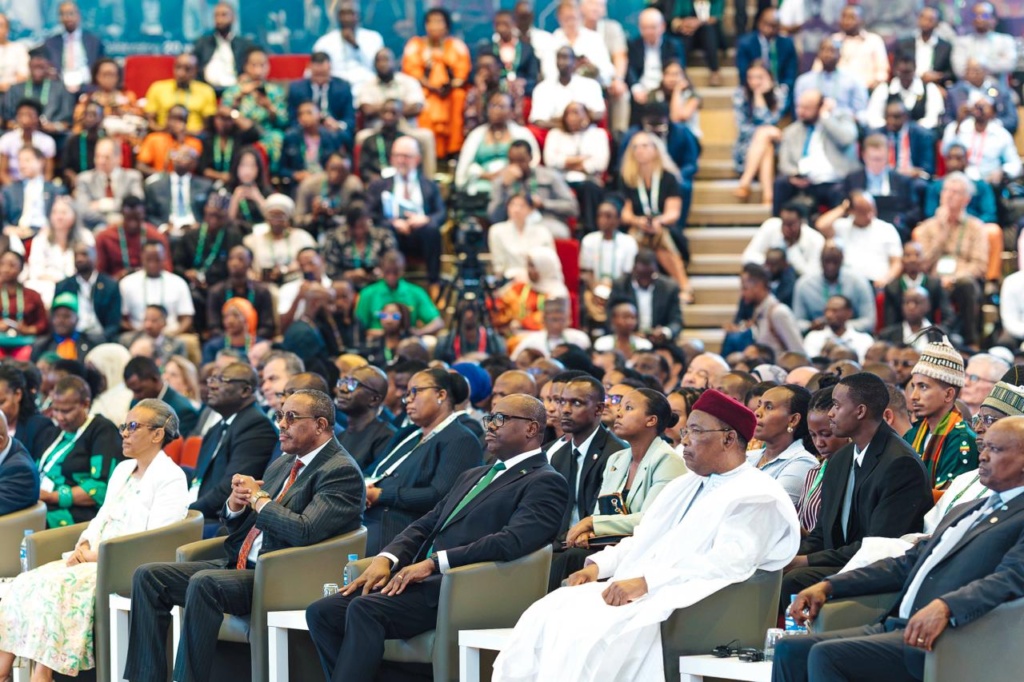
It is against this backdrop that more than 5,000 participants from over 50 countries have gathered in Kigali for AFSF2026 under the theme, “Investing in Africa’s Agri-Food Systems: Growing Jobs, Nourishing Nations, Building Resilience.”
The 20th anniversary is therefore more than a celebration of the forum’s growth. It is a moment to examine whether the partnerships, ideas and commitments developed over two decades can translate into investment and results for Africa’s farmers, businesses and consumers.
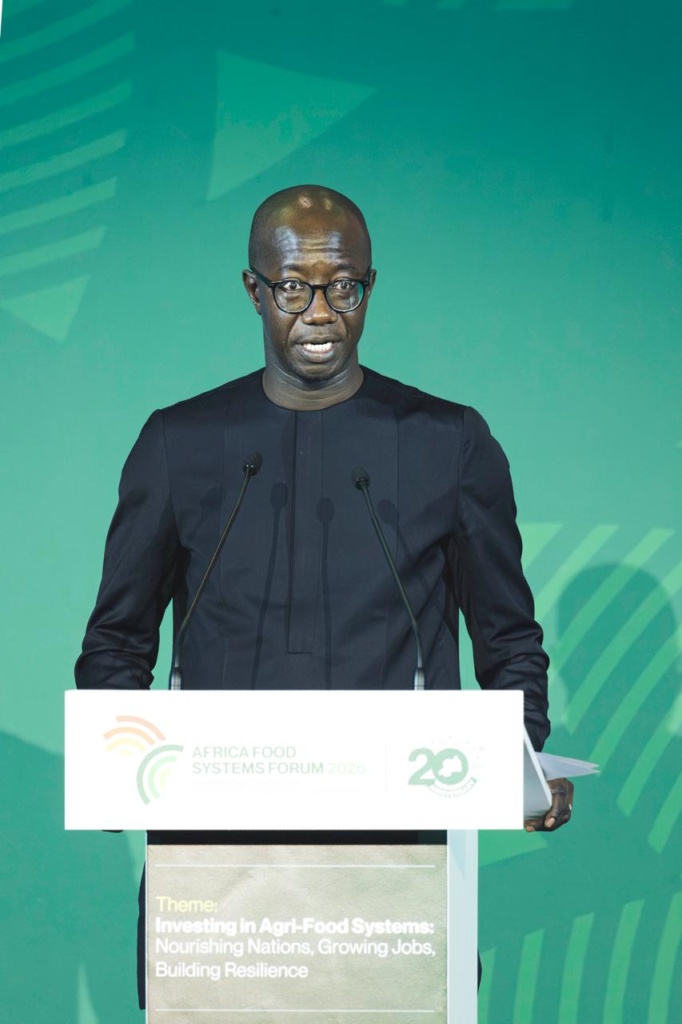
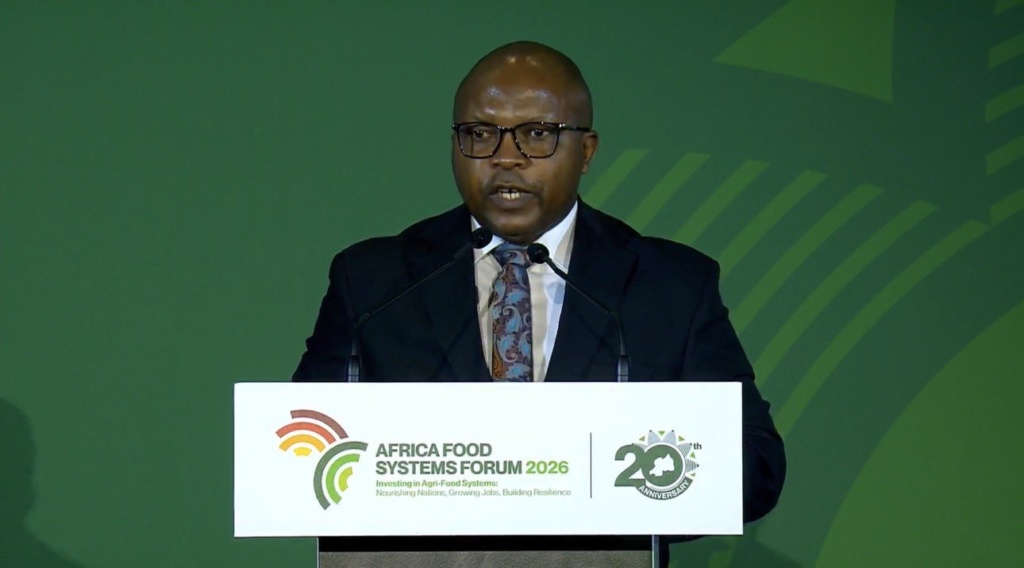
For Africa Food Systems Forum 2026 Managing Director Amath Pathe Sene, the anniversary should force the forum to look beyond its achievements and confront what comes next.
“Twenty years ago, this journey started with a simple belief: Africa’s agricultural transformation needed a place where leaders could meet, ideas could be challenged, partnerships could be built, and commitments could become action,” Sene said during the opening ceremony.
“Twenty years later, we have built much more than an annual event. We have built a continental platform.”
That platform, he said, has brought political leaders together with farmers, entrepreneurs with investors and scientists with policymakers, while creating space for young Africans to introduce new ideas and challenge established approaches to agriculture.
Notably, Africa has changed significantly since the forum began.
Its population is younger, cities are expanding, technology is reshaping agriculture and climate change is altering “how and where we produce food,” Sene said.
“Africa has changed. And AFSF must change with it,” he added.
For the forum’s next chapter, Sene outlined a shift from “convening to action,” “dialogue to investment” and “delivery commitments,” while calling for AFSF to evolve from an annual summit into a year-round accountability platform.
That emphasis on investment reflects the scale of the challenge facing African food systems.
The FAO estimates that transforming agrifood systems in low- and middle-income countries requires about US$680 billion in annual investment through 2030. Yet access to finance remains a major constraint, particularly for smaller businesses: FAO says three out of four small and medium agricultural enterprises in sub-Saharan Africa lack sufficient access to finance.
Rwanda’s Minister of Agriculture and Animal Resources, Dr Telesphore Ndabamenye, echoed the call for a stronger focus on implementation, arguing that Africa is not short of ideas, innovation or opportunities.
“The task before us is to move from dialogue to implementation, from commitment to investment for our farmers, businesses, communities and economies,” Ndabamenye said.
He described food-system transformation as more than an agricultural challenge, saying it is also a question of economic transformation and effective governance.
“To transform our food system, we need coherent policies, strong institutions, effective coordination, accountability and an enabling environment for investment across the entire food system,” he said.
Ndabamenye called for the mobilisation of both public and private capital to support investment in production, infrastructure, technology, markets and human capital.
The challenge is made more urgent by climate change, which is increasingly affecting the conditions under which food is produced.
For African food systems, this means investment cannot focus only on increasing production. It must also strengthen the ability of farmers, businesses and communities to withstand drought, floods, changing rainfall patterns and other climate-related shocks.
Sene said AFSF’s next phase must therefore help build food systems capable of withstanding the climate challenges ahead while creating opportunities for Africa’s growing youth population.
For Ndabamenye, governance will determine whether those discussions translate into lasting change.
“We still believe that strong and effective governance is the bedrock of food system transformation,” he said, arguing that effective governance can anchor policy direction, institutional coordination, accountability and an enabling environment for investment.
The challenge now is to ensure that commitments made in Kigali do not remain within the conference rooms.
As thousands of delegates engage in Africa Food Systems Forum 2026 investment discussions, policy conversations, deal-making and partnerships, the 20th anniversary offers an opportunity to measure not only how far AFSF has come, but what it can deliver next.
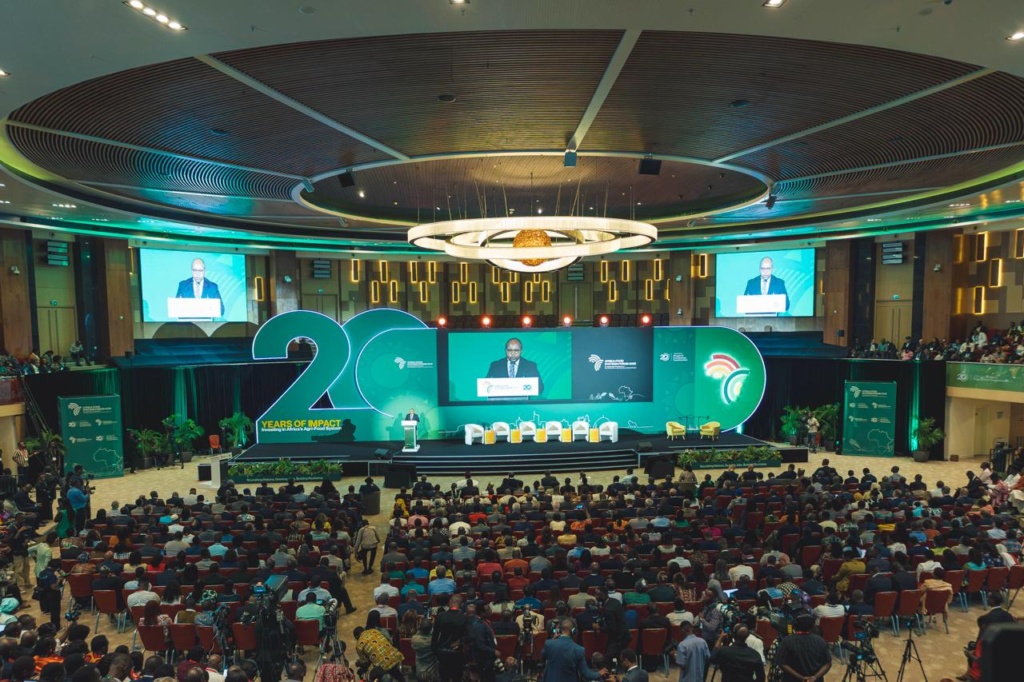
“Our first twenty years proved that Africa can convene with excellence, ambition and impact,” Sene said. “Our next twenty years must prove that Africa can deliver.”
For a continent where hundreds of millions remain food insecure, and millions more are exposed to climate-related shocks, the next measure of success may therefore be less about the number of people gathered in Kigali and more about what happens when they return home.
The question, as Sene put it, is no longer simply whether Africa can transform its food systems. It is how fast it can happen, and what each actor will do to make it possible.
Author Profile

-
Seeker.
Inspire AFRIKA.
Latest entries
 Biodiversity23 October 2026Inside Kobe’s Grassroots Effort to Train the Next Generation of Biodiversity Leaders
 Animals23 October 2026As COP17 Meets, World’s Rarest Great Ape Faces a Make-or-Break Test in Indonesia
 Biodiversity22 October 2026One in Five Tropical Biodiversity Sites Overlapped by Mining Concessions, COP17 Report Finds
 Biodiversity21 October 2026COP17 Opens in Armenia with Global Biodiversity Progress Under Scrutiny


