
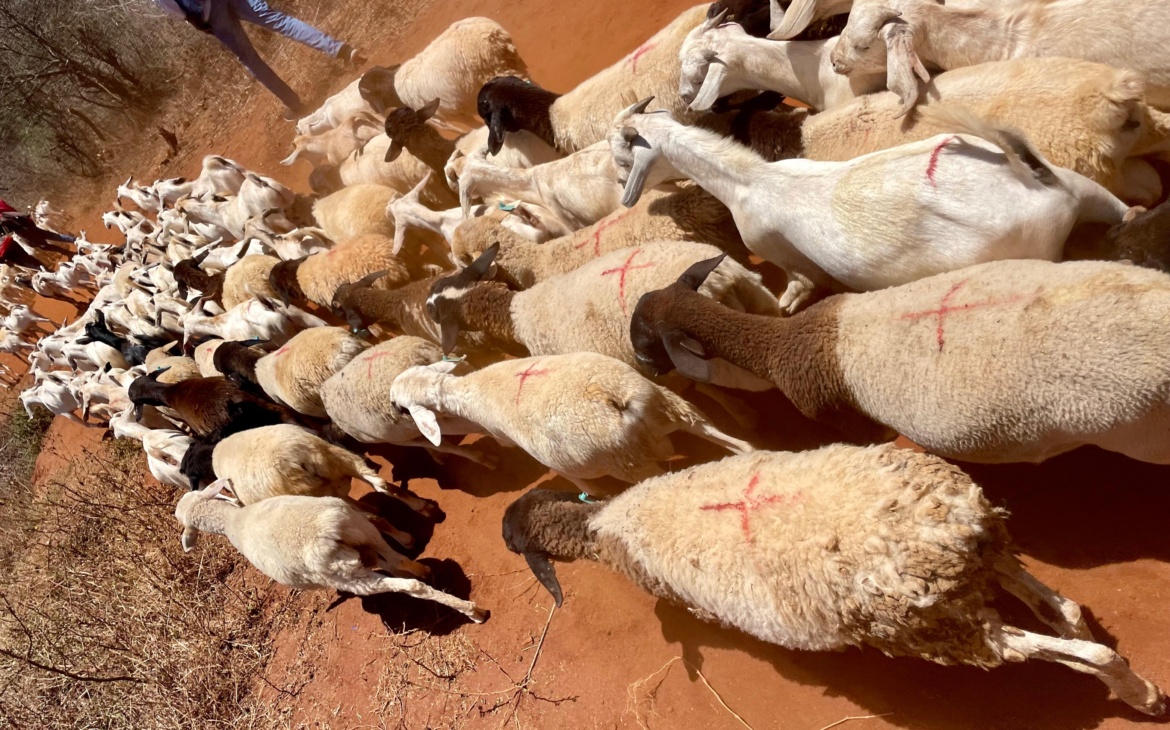
The road from the Namanga highway to Kumpa in Meto, Kajiado County, is a reminder of how quickly access can shape livelihoods. Leaving the main road at Ibissil, the journey continues for tens of kilometres along dusty murram and sandy roads, with stretches of rough terrain and river crossings before reaching the pastoralist community during sales of its small herds near the Kenya-Tanzania border.
The landscape is largely dry, with scattered vegetation, birds and the occasional squirrel breaking the stillness. Still, this morning, the quiet is interrupted by the sounds of goats and sheep, and by women welcoming visitors with ululations and songs.
At the Reto Empowerment CBO aggregation centre, community members are arriving with their small herds of animals. One household may have only one or two goats. Another may bring a few more. Individually, such numbers can offer little leverage when negotiating with a buyer.
Together with their small herds, however, they can fill a truck and create a market opportunity that would be difficult for individual pastoralists to secure on their own.
This is the idea behind an initiative supported by Heifer International Kenya through the Kenya Livestock Marketing and Resilience Project (KLMP).
For years, livestock producers in Meto have faced limited access to formal markets. The main livestock market at Ibissil is far from the community, leaving many pastoralists dependent on brokers to sell their animals. According to a media brief prepared for the visit, this reduced their bargaining power, limited access to reliable buyers and often resulted in lower and less predictable returns.
The aggregation centre is attempting to change that by bringing small herds together, weighing them, recording them and connecting the producers with formal buyers.
From Small Herds to a Stronger Market
Reto is increasingly serving as an aggregator, bringing together small herds of livestock from pastoralist groups before connecting them with formal buyers.
The group currently reports aggregating an average of about 200 shoats, sheep and goats a week for supply to Ken Meat, with the first session having documented supply involving 220 livestock from eight groups, valued at KSh1.77 million.
For the pastoralists, the change is not only about finding a buyer. It is also about changing how livestock is valued.
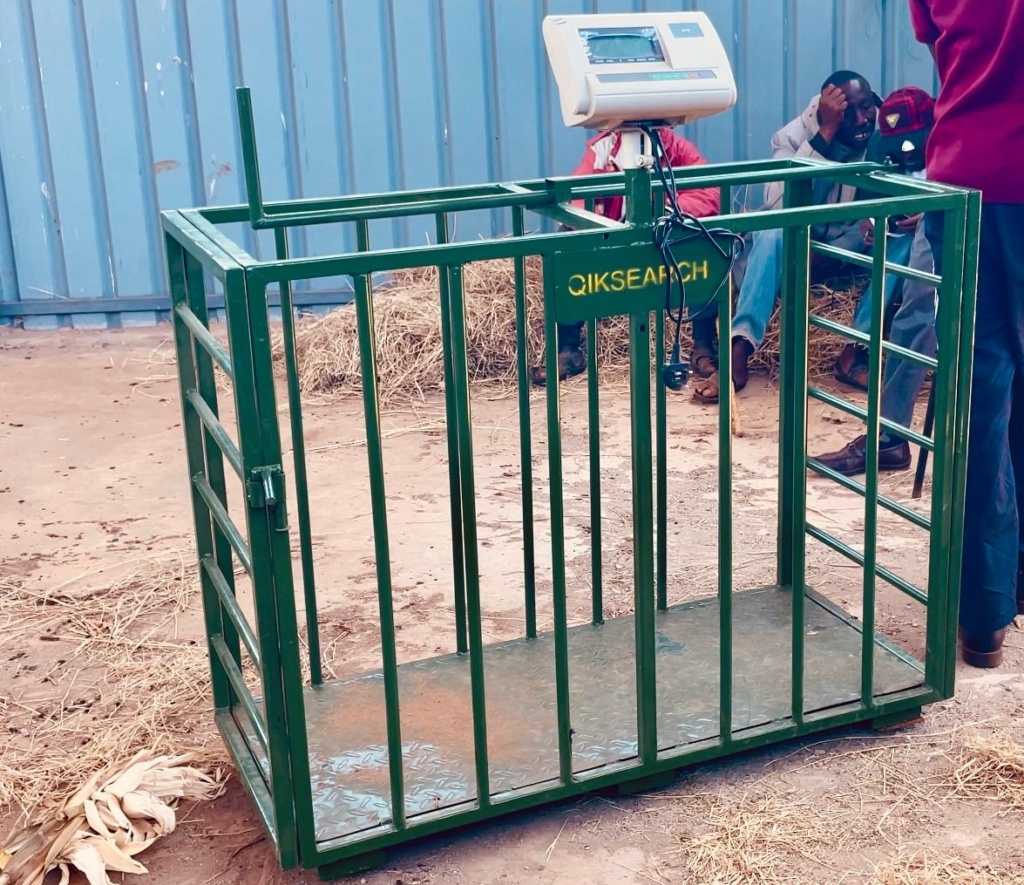
Instead of relying on a broker’s assessment of an animal by sight, members can now use weighing scales provided through the project.
“We are providing them with weighing scales for the small herds of livestock as well as ruminants, a step away from the norm that middlemen and brokers using eye balling pricing, which in most instances may be unfair due to underpricing and unfair prices being measured using their eyes; hence, a more accurate weight-based pricing model,” said Wairimu Munyinyi-Wahome, Country Director of Heifer International Kenya.
The new arrangement has also brought the community closer to formal market actors since the beginning of the Heifer-Reto collaboration in 2024, in strengthening livestock aggregation and establishing market linkages.
The project facilitated the group’s participation in the Kenya Meat Expo in Chaka, Nyeri, and at the Kenyatta International Convention Centre in Nairobi, where members had opportunities to meet potential buyers.
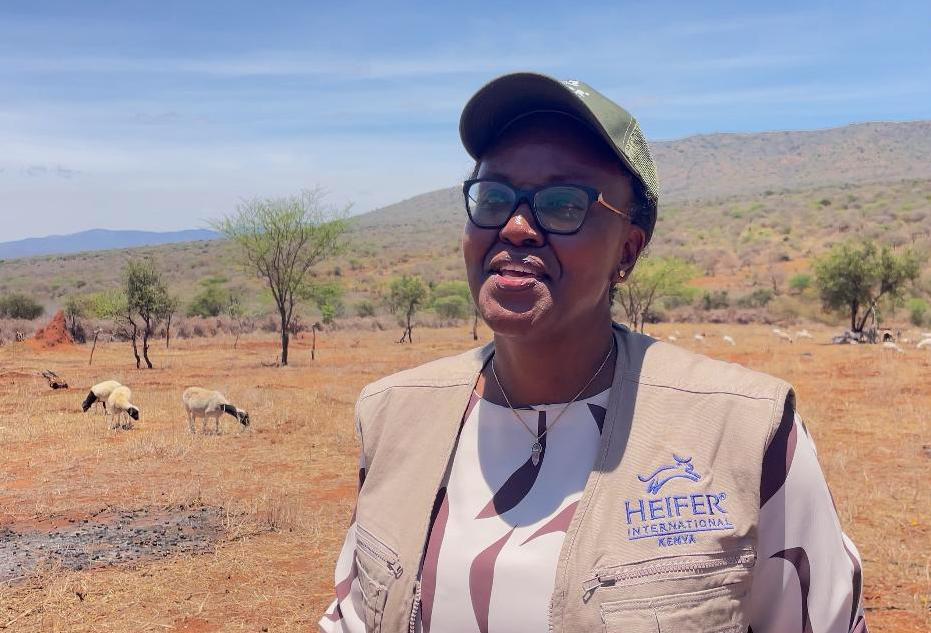
A business-to-business engagement was also held in Meto, bringing together Reto, pastoralists and market actors. Wairimu said the exposure has helped connect the pastoralists directly with potential offtakers.
“We facilitated them to attend and participate in the Kenyan meat expos like the recent one at Chaka, where they were able to meet KenMeat and engage with offtakers to an agreement,” she said.
The September 30 offtake was the second time Reto had supplied Ken Meat, according to Heifer, giving the community an early indication that the market relationship can continue.
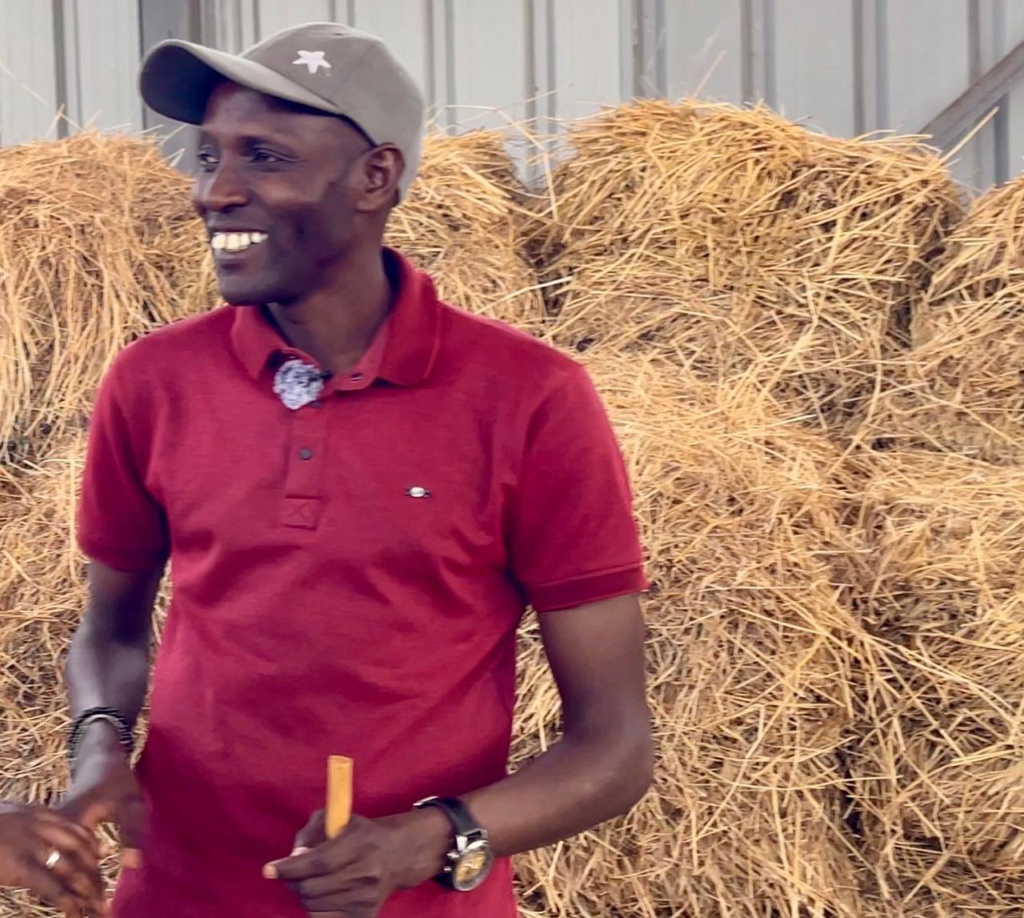
For Duncan Millia, chairman of Reto Empowerment CBO, the significance is also found in the small numbers that make up the larger sale.
“Thanks to the support from Heifer International, we have been able to coordinate and plan ourselves, in that local community members can bring one or two or three goats or sheep for sale,” he said.
“Once pooled together from over thirty community members, it becomes a whole herd enough for sale.”
Millia said the community has historically been cash-poor despite owning small herds of livestock. That is beginning to change as members consider keeping manageable herds and selling surplus animals, particularly during drought periods when pasture and water become scarce.
The model, therefore, is not simply about selling more animals. It is also about helping households make more deliberate decisions about what they keep, what they sell and when they sell it.
Building Resilience Beyond the Sale
For a pastoralist community, however, a better market does not remove the pressures created by a changing climate. Drought remains a major threat to livestock, while water shortages and limited pasture can quickly turn animals that represent household wealth into a source of loss.
Reto has responded by setting aside land for hay and fodder production, helping members prepare for periods when natural pasture becomes inadequate.
The KLMP intervention also seeks to link pastoral communities with veterinary services, private-sector services, markets and support around hay, fodder and water. The project operates in Kajiado, Isiolo, Laikipia and Samburu counties.
“We are teaching them how to fish and not giving them fish,” he said.
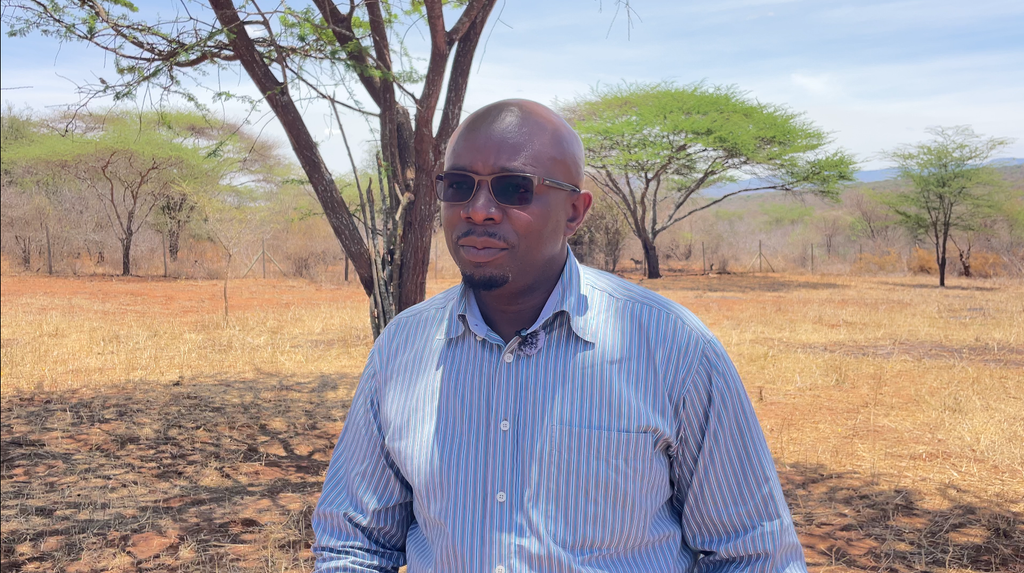
That philosophy is central to Heifer’s approach, Wairimu echoed, particularly in communities where climate impacts are severe and infrastructure remains limited.
Heifer has operated in Kenya for more than 45 years and began working with pastoralist communities under the intervention in 2024.
“We are very deliberate in how we do our programs and initiatives,” Wairimu said. “For Heifer, it’s intentional and deliberate, with a mission of upscaling the lives and livelihoods of the smallholder farmer.”
She argues that Kenya’s drylands should not be viewed simply through the lens of vulnerability.
There is also an economic opportunity. “We have neglected parts of the country that suffer from perennial rain and droughts to our own loss,” Wairimu said.
“In an average household in Kenya, meat is considered a luxury, yet communities are losing their livestock to the intensified climate impacts of severe droughts, floods and heat waves.”
For her, the country’s demand for red meat provides an opportunity to connect pastoralist production with wider markets while reducing losses during difficult climate periods.
However, accessing that opportunity requires more than aggregation.
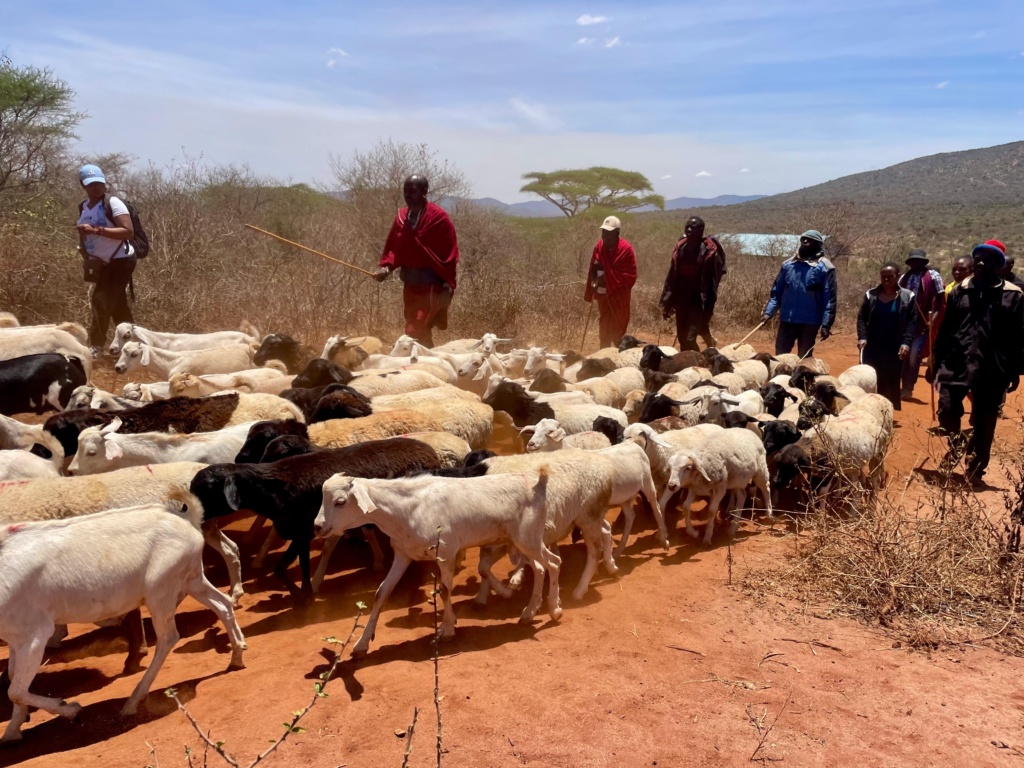
The community has identified water and livestock vaccination as some of its remaining priorities. Reto has a borehole, but the diesel-powered generator used to pump water is costly. The community has also called for stronger extension services, particularly vaccination for its animals.
Such services could become increasingly important as producers seek access to higher-value and potentially export-oriented markets.
Wairimu said the long-term goal is for Reto to eventually manage its market relationships without relying on facilitators. She also sees stronger household incomes translating into wider social gains, including greater investment in education, particularly for women and young people.
For Reto’s members, the transformation may have begun with something as simple as putting a goat on a weighing scale.
Even though the larger change is in what happens afterwards: individual animals becoming part of a collective sale, pastoralists gaining a clearer understanding of their livestock’s value, and a community once dependent largely on brokers developing relationships with formal buyers.
“The communities know what their solutions are; they just need a partnership,” Wairimu said. In Kumpa, that partnership is being tested one goat, one sheep and one market connection at a time.


