The first global assessment of biodiversity action reveals growing political commitment but warns that funding gaps, weak implementation and incomplete national targets threaten efforts to halt nature loss by 2030.
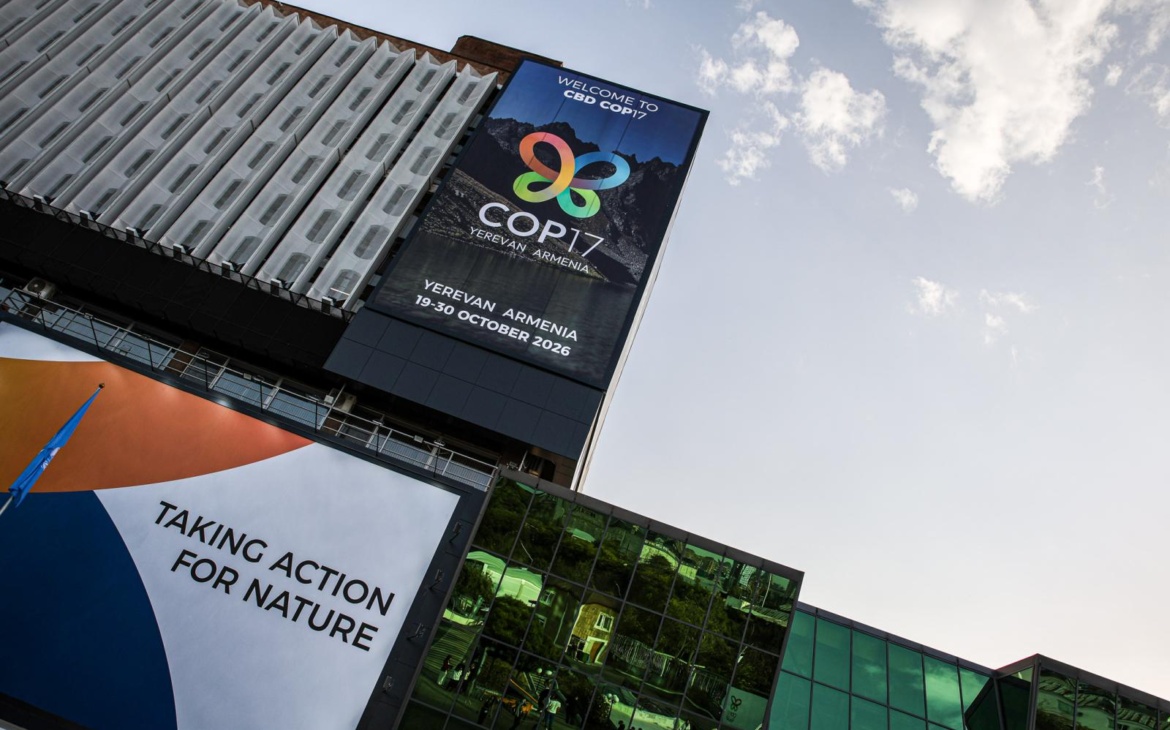
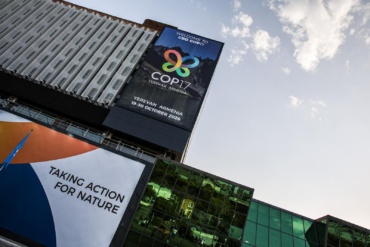
The world has promised to protect forests, restore degraded ecosystems, conserve oceans and halt the loss of plants and animals. But as governments gather in Yerevan, Armenia, for the 17th Conference of the Parties to the Convention on Biological Diversity (COP17), a new global assessment raises an uncomfortable question: are countries doing enough to turn these promises into action?
Launched by United Nations Secretary-General António Guterres on 15 October, the State of Biodiversity Action report provides the first global assessment of collective progress under the Kunming-Montreal Global Biodiversity Framework. Adopted in 2022, the framework sets 23 targets for 2030, alongside a longer-term vision of living in harmony with nature by 2050.
Nearly 90 per cent of countries have established national biodiversity targets, while more than 70 per cent have submitted national reports. Indigenous peoples, local communities, businesses, subnational governments and civil society organizations have also registered approximately 5,000 commitments to support biodiversity action.
Yet fewer than half of the national targets assessed by countries are on track. Persistent gaps in finance, implementation, coordination and data threaten progress.
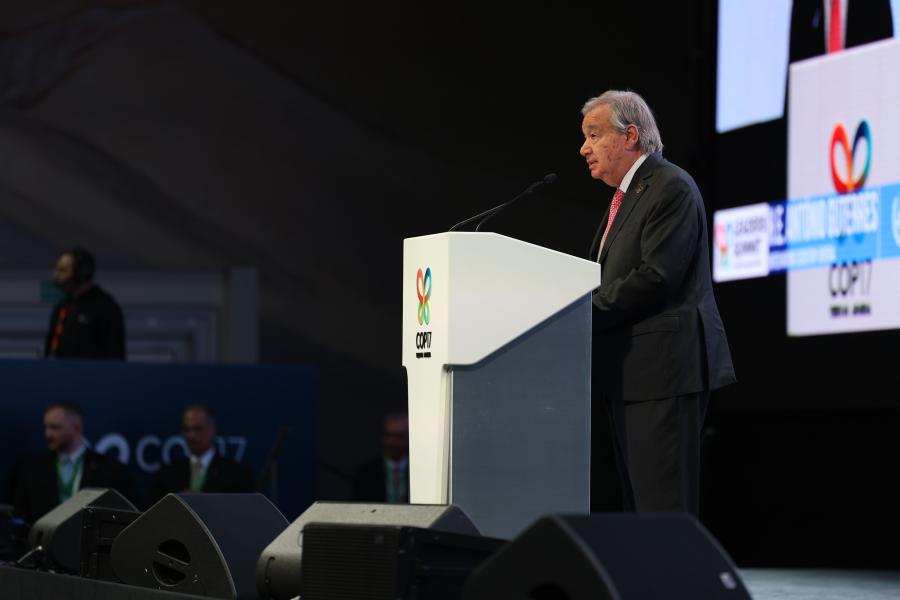
“Nature won’t thrive on good intentions,” Guterres said in connection with the report’s launch. The message is clear: commitments matter, but their value depends on what governments and other actors deliver.
Ambition is growing, but progress remains uneven
The Kunming-Montreal Global Biodiversity Framework recognises that nature loss requires coordinated action across countries, economies and societies. Its targets cover land and ocean conservation, pollution reduction, ecosystem restoration and reforms to economic incentives that encourage environmental destruction.
On average, national targets address 22 of the framework’s 23 global targets. However, including a target in a national plan does not mean its full scope is being addressed.
Several national plans lack sufficient ambition on harmful subsidies, business impacts, sustainable consumption and biodiversity financing. These areas require action beyond environment ministries, extending into finance departments, businesses and wider economic decision-making.
The gap is particularly significant for Target 3, which calls for conserving at least 30 per cent of the world’s land and sea by 2030. Current national pledges fall short of the ambition required.
Protected areas are essential, but their effectiveness depends on sound science, management, adequate resources and the involvement of communities living in and around them. Success cannot be measured simply by counting commitments, policies or designated conservation areas. The ultimate test is whether these measures halt biodiversity loss and restore ecosystems.
“We know where we stand. We know where the gaps are. Now we must work together to close them,” said Astrid Schomaker, Executive Secretary of the Convention on Biological Diversity. “COP 17 is our opportunity to build on what has been achieved, strengthen cooperation and put biodiversity at the heart of decisions across government and society.”

The money behind the promises
Finance remains one of the biggest obstacles to delivering the global biodiversity agenda. Conservation requires investment in protected areas, ecosystem restoration, research, monitoring, community-led initiatives and enforcement of environmental laws. Yet many countries, particularly developing economies, face competing demands on public resources.
The global framework calls for increased biodiversity finance and the redirection of financial flows away from activities that damage nature. The assessment identifies gaps in both implementation resources and policies needed to mobilise them.
The challenge is not simply finding more money, but reconsidering how existing resources are spent. Governments can invest in conservation while continuing to support activities that degrade ecosystems through harmful subsidies and incentives. Financing both sides of the problem undermines lasting progress.

Eva Zabey, chief executive of Business for Nature, has argued that reforming harmful incentives offers governments an opportunity to redirect resources towards resilience. As she told Reuters, “It’s about governments being smart about how they allocate resources… it’s about reusing that money to build and invest in resilience.”
Reforming harmful incentives, integrating biodiversity into public budgets and encouraging responsible private investment could help close financing gaps. But funding alone is insufficient. Countries also need clear responsibilities, effective institutions and systems that ensure resources reach the communities and ecosystems where they are needed.
Kenya’s experience brings the challenge closer to home
For African countries, biodiversity underpins agriculture, fisheries, tourism, water security and the livelihoods of communities dependent on healthy ecosystems.
Kenya has been translating the global framework into national priorities. In September 2026, the government launched the Systemic Learning and Mainstreaming of Biodiversity Targets for Innovative Transformation and Behavioural Change (SYMBIOTIC) project to strengthen biodiversity planning, financing, private-sector investment and restoration.
Mayiani Saino, deputy director at Kenya’s State Department for Climate Change and Forestry, said the country had translated the framework’s 23 global targets into 25 national targets. However, implementation remains challenging, particularly at county level.
“When the commitments get to the counties, two key issues arise: the capacity to unpack those commitments and embed them into everyday operations, and the financing required to implement them,” Saino said.
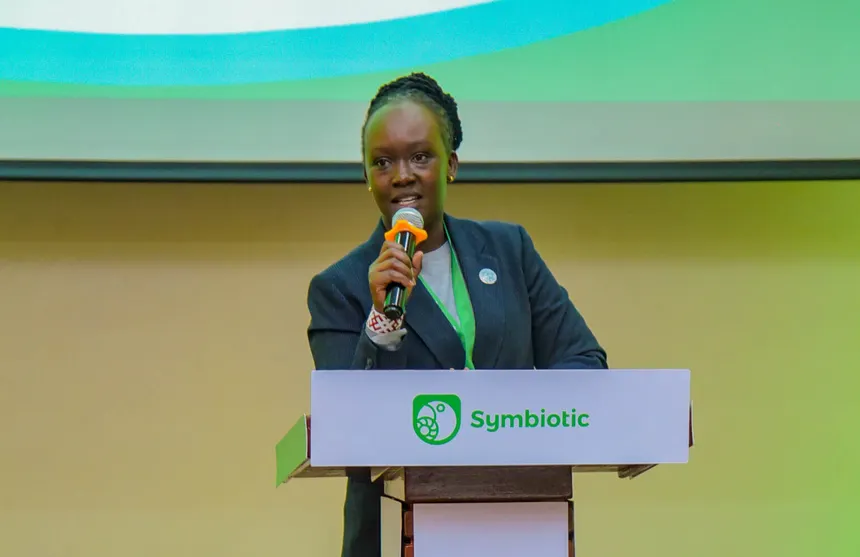
Her remarks reflect a wider challenge: national strategies and ambitious targets mean little without local authorities equipped with the personnel, technical expertise and resources to implement them.
Saino also highlighted the difficulty of prioritising biodiversity in public investment decisions.
“Biodiversity hardly makes it to the top five in the list of investments in the country. Yet a country that is 48 percent dependent on nature for its GDP does not invest enough back into its natural capital,” she said.
The observation exposes an economic contradiction. Nature supports production, livelihoods and national income, yet investment in maintaining it struggles to compete with other development priorities.
Kenya’s efforts to integrate biodiversity into national and county planning, public finance and business decisions reflect one of the assessment’s central messages: environmental protection cannot remain the responsibility of environment ministries alone.
Measuring action, not just ambition
Determining whether commitments produce results remains another challenge. The report draws on national reports, updated biodiversity strategies, scientific assessments and other sources to examine progress across the framework’s targets.
However, it is not a definitive measurement of every change occurring in nature. It assesses collective progress in implementing the framework, and it remains too early to attribute wider biodiversity outcomes directly to its implementation.
Reliable information, consistent monitoring and transparent reporting are therefore essential. Without them, governments may struggle to identify effective interventions, wasted resources and areas requiring urgent attention.
The assessment also reinforces the need for cooperation among governments, businesses, Indigenous peoples, local communities, civil society and other stakeholders. Biodiversity loss crosses administrative boundaries and economic sectors, demanding action across them.
As COP17 proceeds in Yerevan, the assessment offers countries an opportunity to confront the distance between commitment and delivery. With the 2030 deadline approaching, the present pace is insufficient.
The task is to strengthen national targets, mobilise finance, reform incentives that harm nature and build the capacity to implement and measure action.
The world has agreed on what it wants to achieve. The harder question is whether it can summon the political will and practical resources to achieve it. By 2030, success will not be measured by the number of promises made, but by whether nature is in a better state because those promises were kept.
Author Profile

- How can we learn if we don't question?
Latest entries
 COP1717 October 2026The World Has a Plan to Save Nature. Can It Deliver by 2030?
 Agriculture16 October 2026“There Is No Shortcut”: A Kiambu Grower’s Decade in Mushrooms
 COP3115 October 2026Pacific Leaders Call for Urgent Climate Action Ahead of COP31
 Agriculture13 October 2026Can the buffalo fix Kenya’s milk problem? Farmers say start with the feed bill