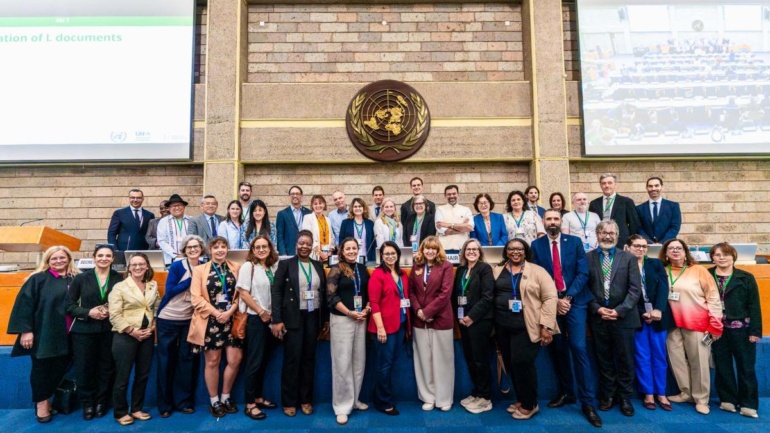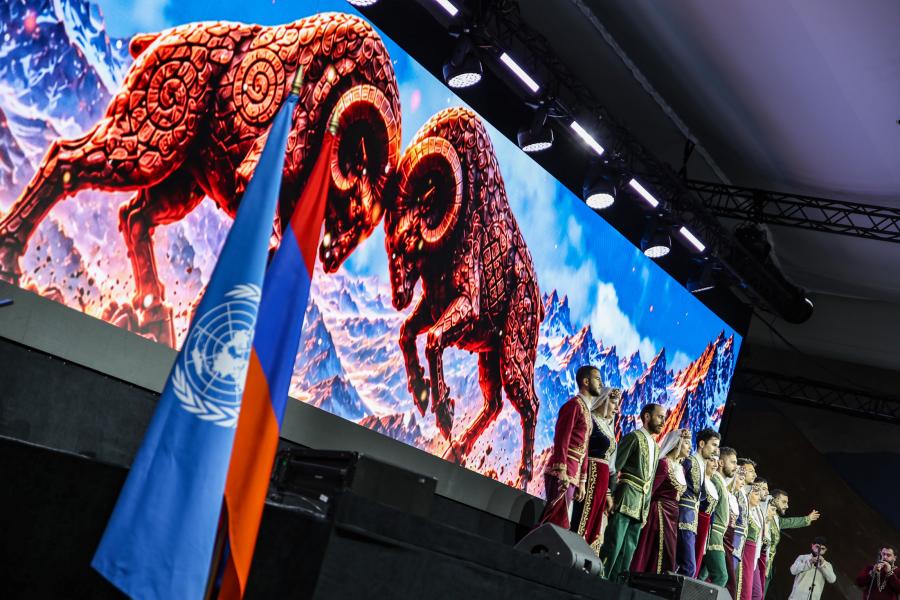
The world’s progress towards halting and reversing biodiversity loss by 2030 is under scrutiny as the 17th Conference of the Parties (COP17) to the UN Convention on Biological Diversity opens in Yerevan, Armenia.
Held under the theme “Taking Action for Nature,” the conference marks the first global review of collective progress under the Kunming-Montreal Global Biodiversity Framework (KMGBF), adopted in 2022. The review provides an opportunity for countries to assess implementation, identify gaps and determine the actions needed to meet the framework’s targets.
The KMGBF sets out a global ambition to halt and reverse biodiversity loss by 2030 and achieve a world living in harmony with nature by 2050. Its 23 targets include conserving at least 30% of terrestrial, inland-water, coastal and marine areas by 2030, alongside efforts to restore degraded ecosystems, address pollution and promote the sustainable use of biodiversity.
With only four years remaining until the 2030 deadline, the conference comes at a critical point for assessing whether global commitments are translating into measurable progress on the ground.
Armenia, which is hosting the conference, holds the COP 17 presidency through 2028. Environment Minister Hambardzum Matevosyan serves as COP 17 President following Armenia’s selection at COP16 in Cali, Colombia.
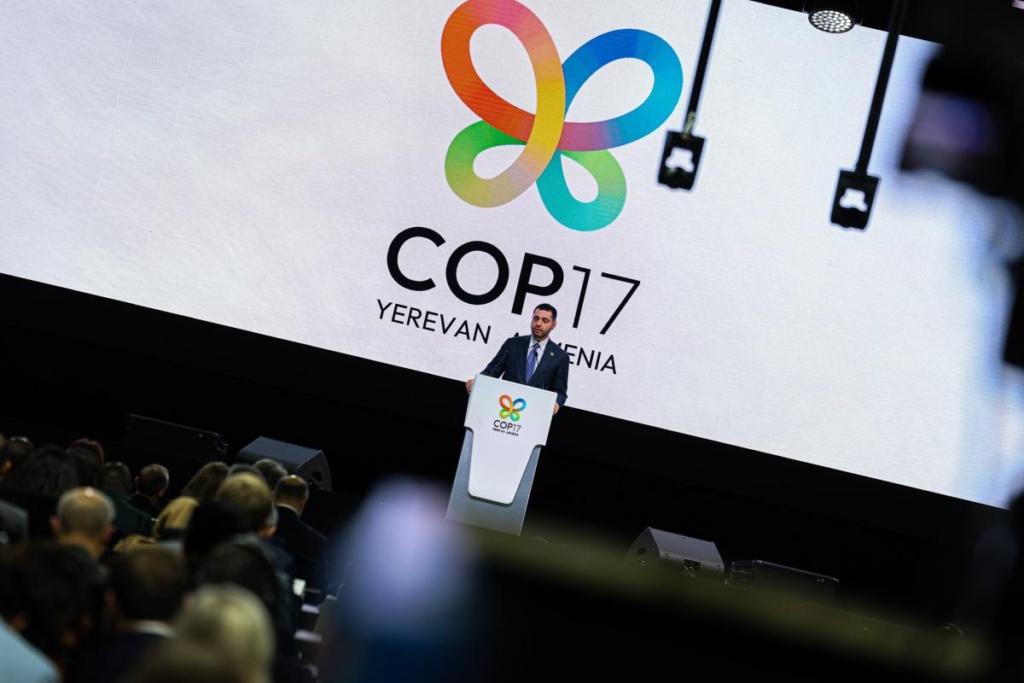
Opening the conference, Prime Minister Nikol Pashinyan underscored the urgency of implementing the biodiversity framework, noting that the remaining years to 2030 leave little room for delays.
He described the presidency as both an honour and a responsibility, calling for accelerated implementation of existing commitments, stronger international cooperation and practical results.
Pashinyan also emphasised the close relationship between human well-being and ecosystem health, warning against the long-held assumption that nature’s resources are inexhaustible. Intensifying floods, wildfires, ecosystem degradation and species extinctions, he noted, demonstrate the consequences of failing to protect the natural systems on which societies depend.
“The path toward 2030 has already begun. We no longer have time to wait. … May Yerevan become a milestone of renewed political determination. May this be the moment when we move from words to action and from fragmentation to cooperation. This means taking action for nature,” said Pashinyan.
His remarks reinforced the central challenge facing delegates: ensuring that biodiversity commitments are backed by the political will, resources and coordinated efforts required to deliver results.
COP17 President Hambardzum Matevosyan echoed the call for collective responsibility, stressing the importance of mutual respect and open dialogue in bridging differences among countries. He urged delegates to work together to protect nature for present and future generations.
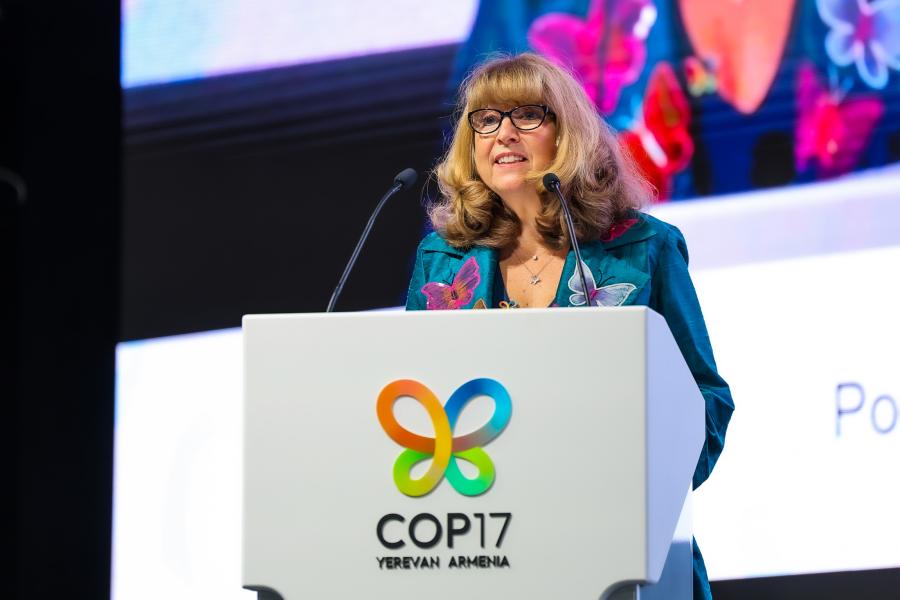
CBD Executive Secretary Astrid Schomaker welcomed Armenia’s hospitality and organisational efforts, acknowledging the scale of preparations required to convene thousands of participants for a global conference of this magnitude.
She also pointed to the importance of multilateral cooperation at a time of geopolitical tensions and interconnected environmental crises, emphasising the role of international collaboration in advancing the biodiversity agenda.
The opening comes as countries prepare to examine progress under the KMGBF and consider how to address gaps in implementation. The outcome of this global review will be important in guiding efforts to accelerate action towards the framework’s 2030 targets.
Armenia’s biodiversity in the global spotlight
Beyond the negotiations, Armenia’s natural heritage offers a local perspective on the global effort to conserve biodiversity.
The conference’s emblem features the Erivan Anomalous Blue butterfly (Polyommatus eriwanensis), a species associated with southern Transcaucasia. Its inclusion draws attention to the importance of protecting distinctive species and the habitats that sustain them.
The butterfly is reported to inhabit calcareous grasslands at elevations of approximately 1,200 to 2,200 metres, with adults typically appearing between mid-June and mid-July. These ecological characteristics illustrate the specialised habitats on which some species depend and the importance of safeguarding them against environmental pressures.
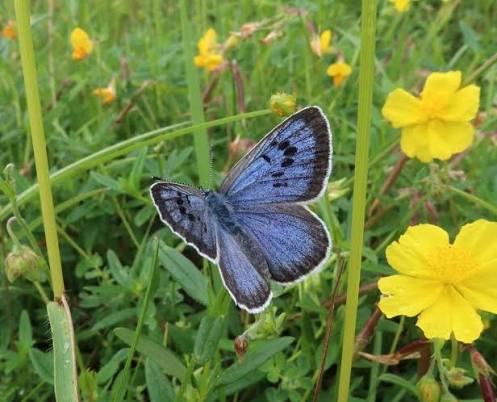
The emblem of COP17 also connects the host country’s biodiversity to the broader objectives of the KMGBF, which calls for the conservation and sustainable management of ecosystems and species worldwide.
As COP17 proceeds, the focus will be on translating political commitments into effective implementation. For countries seeking to halt and reverse biodiversity loss by 2030, the task is no longer simply to agree on what needs to be done, but to demonstrate progress towards delivering it.
Author Profile

-
Seeker.
Inspire AFRIKA.
Latest entries
 Biodiversity21 October 2026COP17 Opens in Armenia with Global Biodiversity Progress Under Scrutiny
 Biodiversity19 October 2026Yerevan Declaration Sets Tone for COP17 as World Leaders Demand Real Action on Biodiversity
 Changemakers19 October 2026How Earth Wise Storage Plans to Expand Smallholder Poultry Farming in Rwanda
 Corporate15 October 2026Water, Sanitation and Digital Learning at the Centre of Garissa School Upgrade