Three years after countries adopted the Kunming-Montreal Global Biodiversity Framework (GBF), the world’s most ambitious global plan for reversing biodiversity loss has generated momentum, but remains behind the pace needed to meet its 2030 targets.
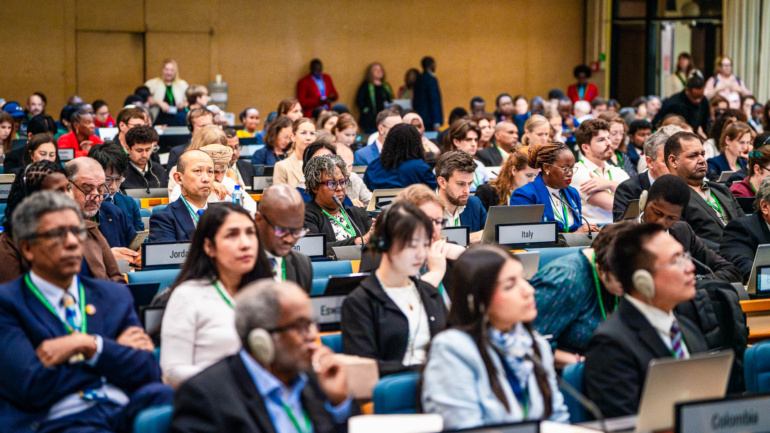
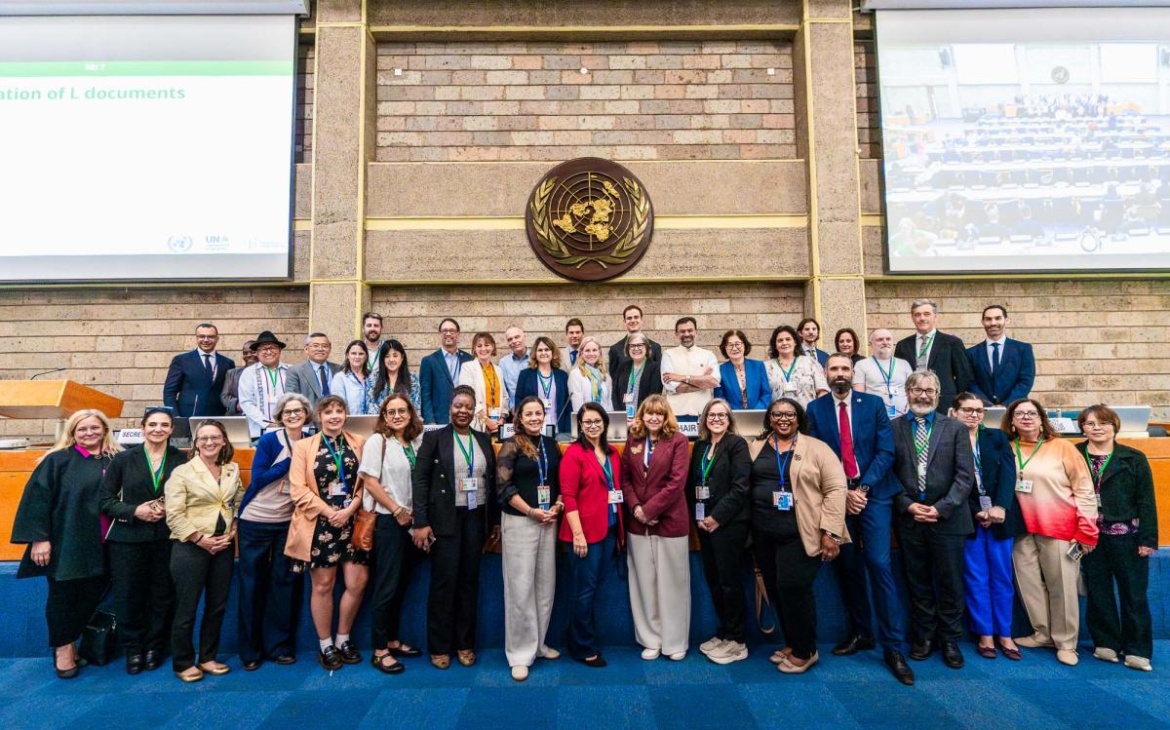
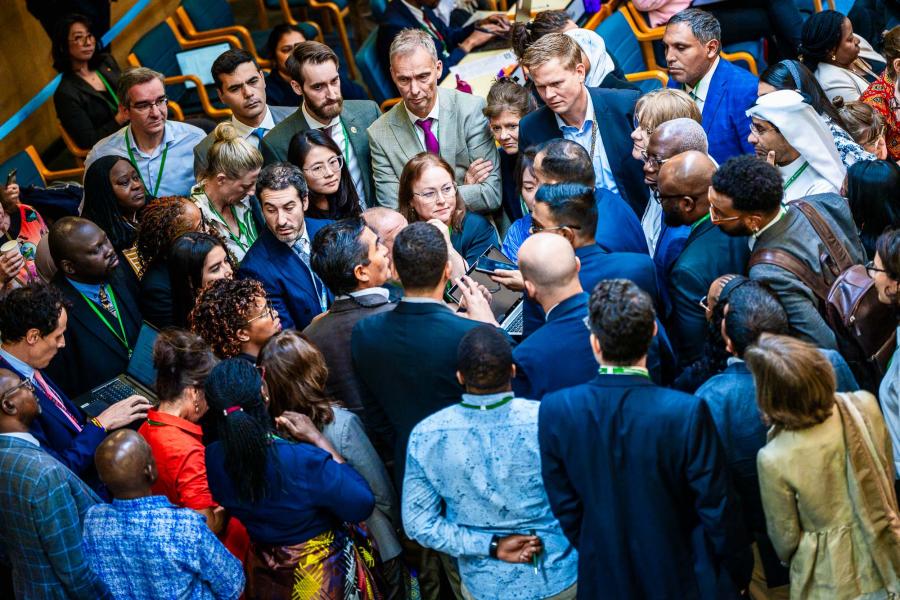
That was the central message emerging from nearly three weeks of biodiversity negotiations in Nairobi, where more than 1,000 delegates and observers gathered for the twenty-eighth meeting of the Convention on Biological Diversity’s Subsidiary Body on Scientific, Technical and Technological Advice (SBSTTA 28) and the seventh meeting of the Subsidiary Body on Implementation (SBI 7).
The meetings, held from 27 July to 1 August and 4 to 12 August respectively, brought together the scientific, technical and implementation sides of the Convention as Parties prepared recommendations for the seventeenth Conference of the Parties (COP 17), which will take place in Yerevan, Armenia, in October.
Although Nairobi was about more than another round of negotiations.
Halfway to the GBF’s 2030 deadline, Parties were confronting a difficult question: has the framework translated global ambition into enough action on the ground, and, if not, what is standing in the way?
The answer emerging from the first Global Review of Collective Progress in the Implementation of the GBF, or GRI, was mixed. The framework has generated unprecedented engagement, action, innovation and learning across all 23 targets, but collective implementation is not accelerating quickly enough to put the 2030 goals within reach.
As UN Secretary-General António Guterres put it earlier this year, marking the International Day for Biological Diversity: “The Kunming-Montreal Global Biodiversity Framework (GBF) shows the way forward. But we must pick up the pace, with ambition and accountability.”
Nairobi made clear what that acceleration will require: stronger implementation, more predictable finance, better data and monitoring, greater capacity, and institutions capable of turning global commitments into action.
A Biodiversity Report Card
The GRI is the central evidence base behind the first global review of collective progress under the GBF, which Parties will formally undertake at COP 17 in Yerevan.
Its preparation drew on national reports, national biodiversity strategies and action plans (NBSAPs), national targets and other evidence to build a picture of how implementation is progressing across the framework. The review was designed not simply to measure whether countries were acting, but to identify where progress is uneven and where additional support is required.
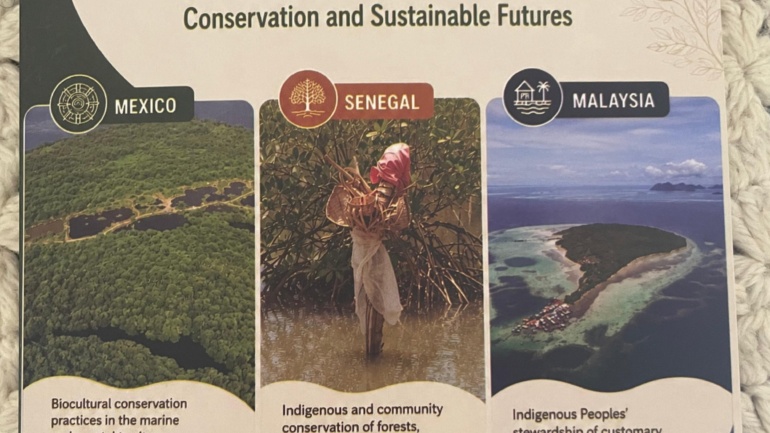
On one side, Parties recognised that the GBF has generated unprecedented global engagement across all 23 targets. Governments are not the only actors taking action; Indigenous Peoples and local communities, cities and subnational governments, civil society, researchers, businesses, financial institutions and others are contributing to implementation.
On the other hand, the collective pace remains insufficient.
The GRI highlighted uneven progress in the means of implementation, capacity-building, access to knowledge, data and monitoring, as well as whole-of-government and whole-of-society approaches. For developing countries in particular, the availability and accessibility of financial resources remain a major obstacle.
That distinction matters. The problem is not simply that countries have failed to act. It is that the systems needed to sustain and scale that action, from financing and technology to national planning and monitoring, remain uneven.
Delegates also cautioned against treating the review as a league table of countries. Concerns were raised over incomplete submissions and the difficulty of separating genuine implementation gaps from gaps in data, monitoring and reporting.
Pacific Small Island Developing States, for example, pointed to delays in accessing financial support that have limited the extent to which their circumstances are reflected in the review.
The lesson from Nairobi was therefore less about producing a global scoreboard and more about identifying where the machinery of implementation is breaking down.
The Finance Problem
If implementation was the central challenge, finance was one of its clearest constraints.
Developing countries arrived in Nairobi concerned about the future of biodiversity finance and the resources available to translate national plans into action. The negotiations around resource mobilisation and the financial mechanism exposed a familiar fault line within the Convention: countries may share the same global ambition, but they do not have the same capacity to deliver it.
Developed countries, meanwhile, argued for a broader contributor base, questioning whether the group of countries traditionally expected to provide international biodiversity finance should remain unchanged as the global economy evolves.
At the heart of the disagreement is a longstanding principle of the Convention: common but differentiated responsibilities.
The Nairobi discussions showed that shared ambition does not automatically mean shared capacity to act.
The same tension surfaced in discussions around the Cali Fund, the multilateral mechanism for benefit-sharing from the use of digital sequence information on genetic resources. Developing countries raised concerns about the governance and transparency of arrangements surrounding the Fund and whether its design would ensure that benefits reach the countries and communities expected to benefit from them.
The broader financial imbalance is stark.
That imbalance means biodiversity implementation is competing not only for more money, but against financial flows that continue to drive environmental degradation.
There were, however, signs of movement. The Kunming Biodiversity Fund Secretariat announced a new call for proposals aimed at helping developing countries address implementation gaps identified through the global review.
The challenge now is whether such initiatives can move from isolated funding opportunities to a financing system capable of supporting implementation at the scale required.
From Nairobi to the Yerevan Pathway
The meetings produced 15 recommendations covering issues ranging from marine and coastal biodiversity and synthetic biology to sustainable wildlife management, resource mobilisation, capacity-building, financial mechanisms and the implementation of the Cartagena and Nagoya Protocols. Several remain bracketed, leaving unresolved issues for Yerevan.
At the centre of the implementation discussion was what the meetings described as the Yerevan Pathway.
It identifies five areas requiring accelerated action: completing national biodiversity strategies and targets; strengthening the means of implementation, particularly finance, capacity-building, technology and technical cooperation; embedding whole-of-government approaches; deepening whole-of-society participation, including Indigenous Peoples and local communities, women and youth; and strengthening monitoring and knowledge systems.
That list effectively describes the gap between adopting a global framework and implementing it.
Countries can establish targets, but those targets must be translated into national plans. National plans require financing. Financing needs institutions capable of deploying it. Institutions need data to know where action is working. And all of this requires participation beyond national governments.
The Nairobi meetings therefore exposed a problem that is broader than biodiversity negotiations themselves: the world has a framework, but the implementation architecture remains unfinished.
What Yerevan Will Demand
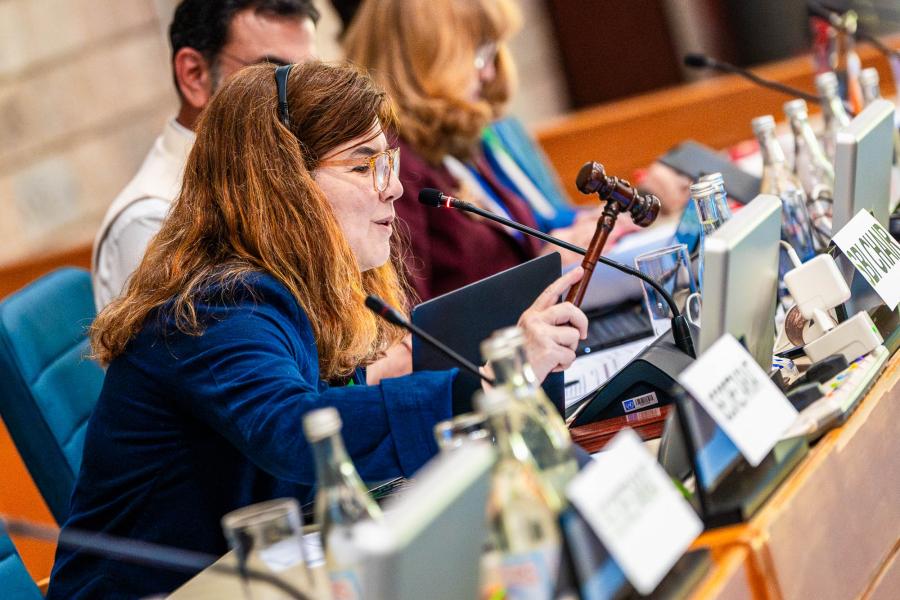
As the gavel came down in Nairobi, the mood was one of cautious progress rather than celebration.
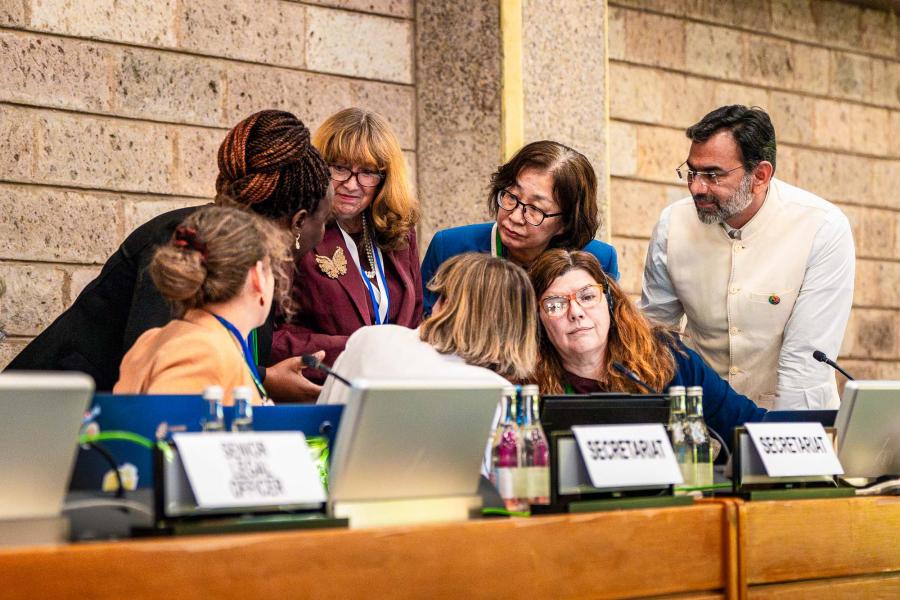
Schomaker described the negotiations as productive and said delegates could leave with a “reasonable sense of satisfaction” about what had been achieved. She also warned that reaching the finish line in Yerevan would require “a lot more determination, commitment and stamina.”
That distinction captures the moment. Nairobi delivered technical progress and a clearer picture of the obstacles. It did not resolve all of them.
Several recommendations remain bracketed. Finance remains contested. Data and monitoring systems are uneven. Many countries still face capacity constraints. And implementation of national biodiversity strategies remains incomplete.
The significance of COP 17, therefore, will extend beyond adopting another set of decisions.

Yerevan will be the first major test of whether the global community can respond collectively to the evidence generated by the GBF’s first global review. The question will no longer simply be whether countries have adopted ambitious biodiversity targets.
It will be whether the international system can provide the finance, technology, capacity, data, coordination and political commitment needed to deliver them.
Three years into the journey to 2030, the direction of travel is clearer. The GBF has moved biodiversity action forward, insofar as the Nairobi meetings showed that momentum alone is not enough.
With four years remaining, the challenge is to close the implementation gaps that have emerged, and to do so quickly enough, and collectively enough, to give the 2030 targets a realistic chance of success.
The question heading to Yerevan is therefore not whether the world should keep moving. It is whether it can move fast enough, and together, to put nature on a path to recovery.
Author Profile

-
Seeker.
Inspire AFRIKA.
Latest entries
 Biodiversity24 October 2026Faith Leaders and Civil Society Call for Stronger Partnerships to Restore Nature
 Biodiversity23 October 2026Inside Kobe’s Grassroots Effort to Train the Next Generation of Biodiversity Leaders
 Animals23 October 2026As COP17 Meets, World’s Rarest Great Ape Faces a Make-or-Break Test in Indonesia
 Biodiversity22 October 2026One in Five Tropical Biodiversity Sites Overlapped by Mining Concessions, COP17 Report Finds