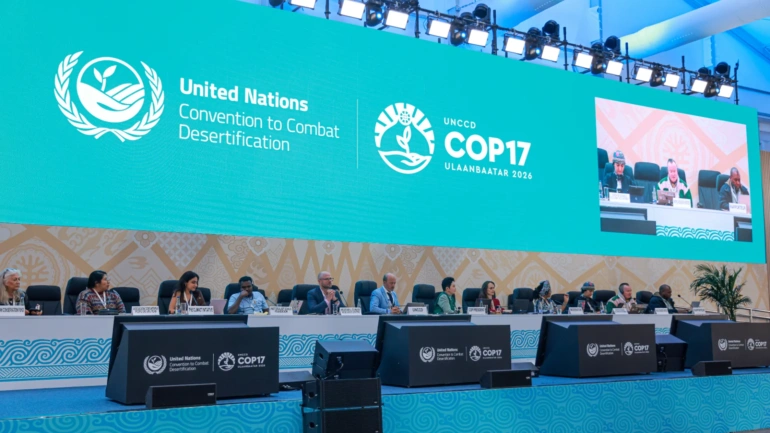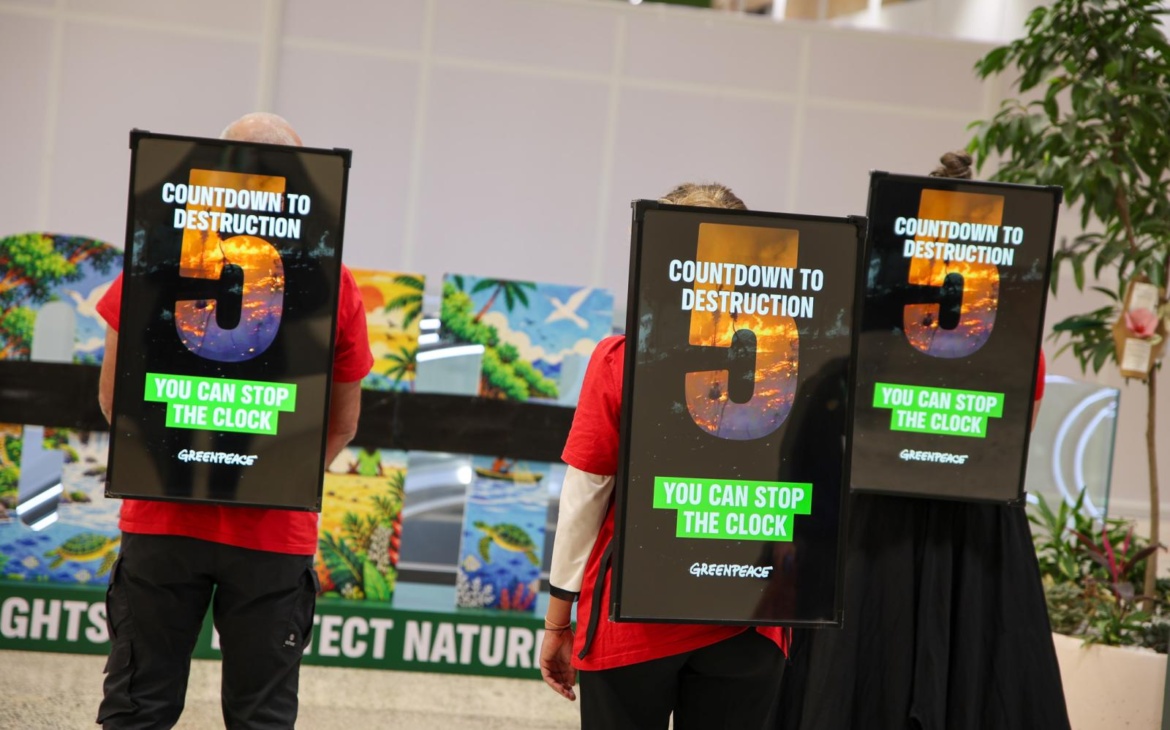
With the first global review exposing slow progress towards the 2030 biodiversity targets, COP17 has adopted a new pathway to accelerate implementation, mobilize finance and strengthen global cooperation. But translating the commitments made in Yerevan into measurable action remains the real challenge.
The world is falling behind its commitments to halt and reverse biodiversity loss by 2030.
That was the sobering message emerging from the first global review of the Kunming-Montreal Global Biodiversity Framework (KMGBF), which assessed collective progress towards its 23 targets.
Against this backdrop, the 17th Conference of the Parties to the Convention on Biological Diversity (CBD COP17), held in Yerevan, Armenia, concluded with the adoption of the Yerevan Pathway, a negotiated response aimed at accelerating implementation.
The global review, informed by the State of Biodiversity Action report, revealed that despite progress in developing national biodiversity strategies and setting conservation targets, implementation remains insufficient to achieve the 2030 ambitions.
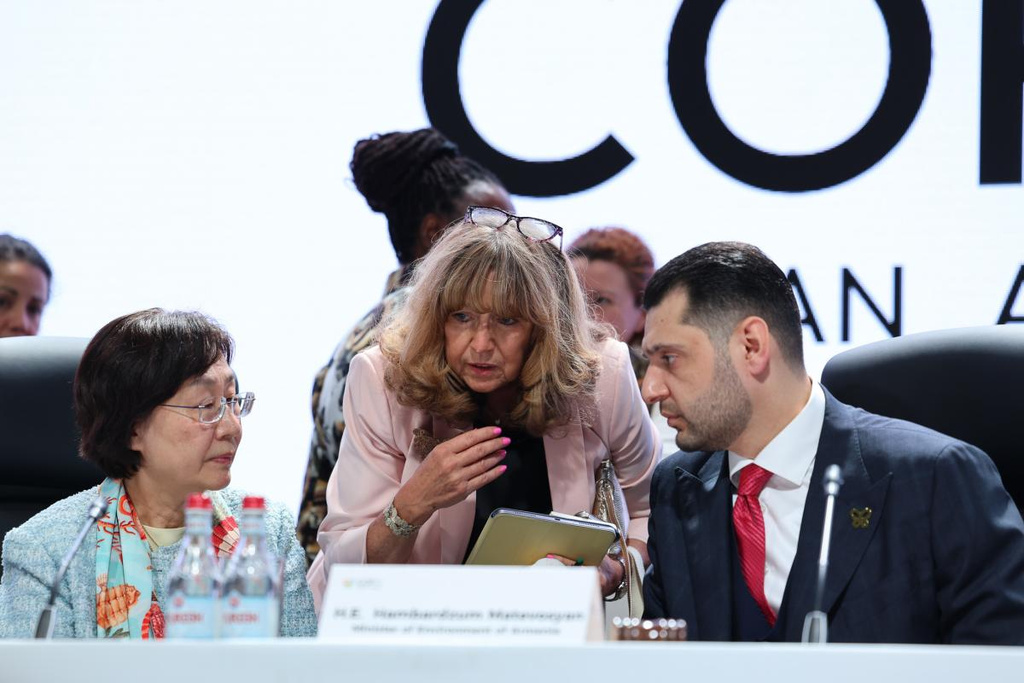
For CBD Executive Secretary Astrid Schomaker, the acknowledgement of this shortfall was itself an important development.
“There was a clear recognition: we are off track across all 23 targets,” she said during the closing press conference, noting that countries had accepted the findings and agreed on the need to act.
The challenge now is turning that recognition into action.
The Yerevan Pathway: Moving beyond commitments
The Yerevan Pathway sets out priorities for accelerating implementation of the KMGBF over the remaining four years to 2030.
These include reforming harmful subsidies and incentives, increasing financial, scientific and technical support for developing countries, aligning national budgets with biodiversity objectives and strengthening monitoring, reporting and accountability.
The emphasis is on making biodiversity a consideration across government and economic decision-making rather than leaving conservation responsibilities to environment ministries alone.
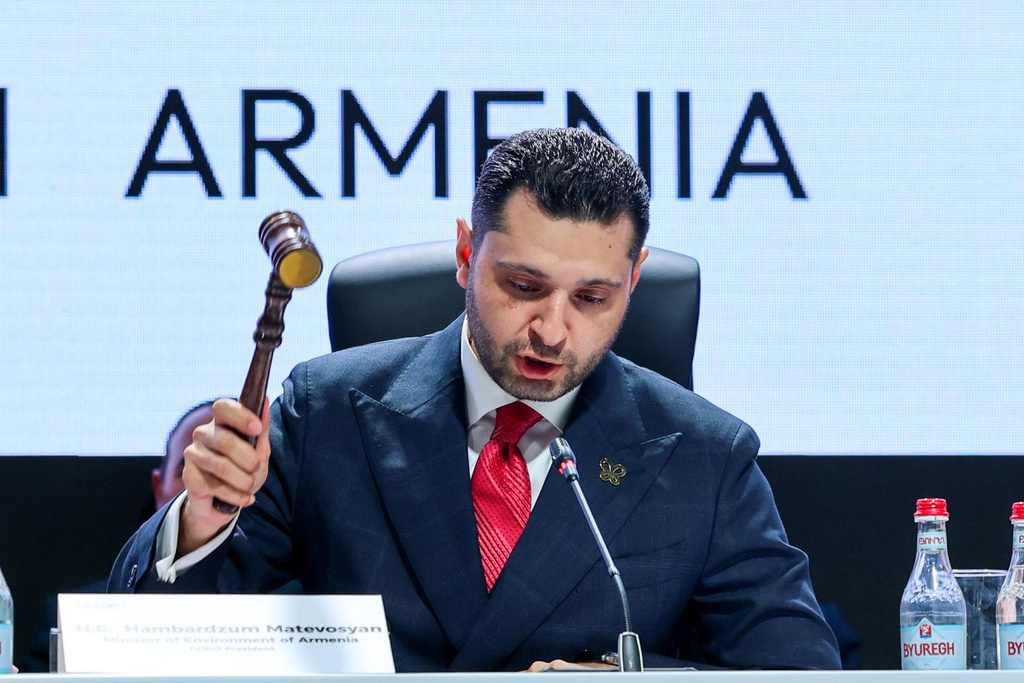
COP17 President Hambardzum Matevosyan said the agreement demonstrated countries’ willingness to work collectively towards addressing the biodiversity crisis.
“With the adoption of the Yerevan Pathway, we demonstrate our collective determination to respond to one of the most urgent challenges of our time,” he said.
The pathway also seeks to strengthen national biodiversity strategies and action plans, ensuring that global targets are translated into policies and programmes that can be implemented and assessed at country level.
Financing nature: Closing the resource gap
Financing emerged as another major issue during the conference, with new commitments and initiatives announced to help address the biodiversity financing gap.
The High-Level Segment, held on 27 and 28 October, brought together approximately 1,500 participants, including 140 ministers and deputy ministers responsible for finance and the environment. By its conclusion, US$1.8 billion in funding pledges had been announced.
Other announcements included US$560 million under the Global Environment Facility’s ninth replenishment (GEF-9) and its Global Biodiversity Framework Fund, US$500 million through the Species Recovery Alliance and more than US$330 million through the Value Nature Fund, which seeks to mobilize private capital for nature.
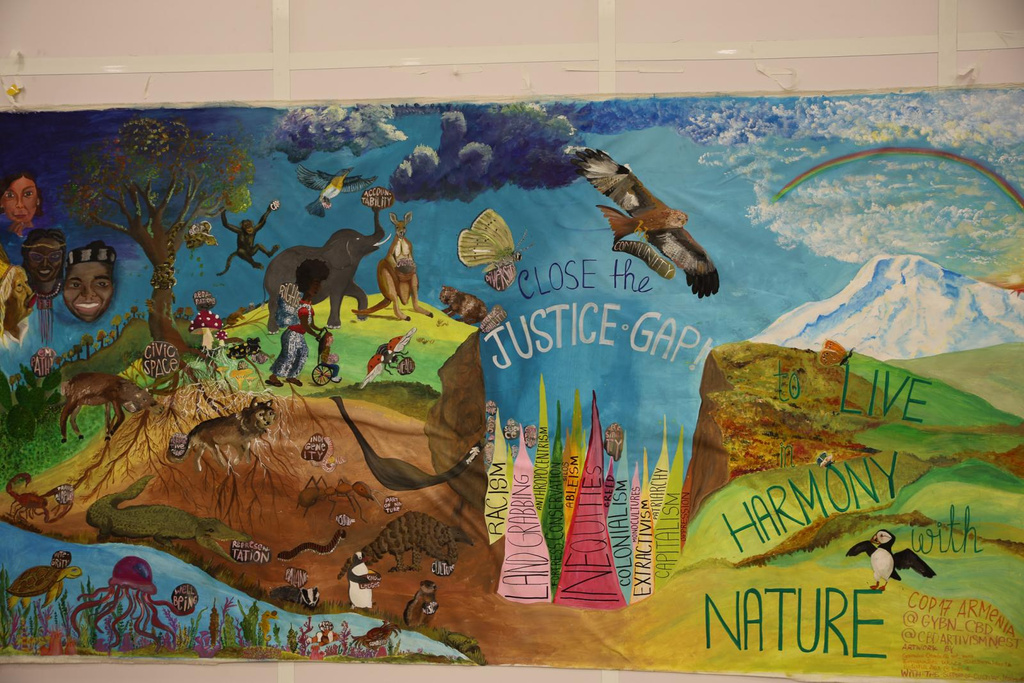
The Asian Development Bank also launched a biodiversity bond and investment incubator to encourage investment in nature-positive initiatives.
However, the announcements raise an important question about whether financing will reach the countries and communities that need it most, particularly developing nations facing significant resource and technical constraints.
Schomaker emphasized the need to address the financial systems that continue to support activities harmful to nature.
“We cannot protect nature while continuing to finance its destruction. Resources must reach the countries and communities that need them,” she said.
The challenge is not simply mobilizing additional funding but redirecting existing financial flows towards activities that support biodiversity conservation.
Reforming economic systems to protect nature
Beyond financing, COP17 highlighted the need to address economic incentives that contribute to biodiversity loss.
Harmful subsidies and incentives remain a significant obstacle to conservation, particularly where public resources support activities that degrade ecosystems.
The Yerevan Pathway calls for their reform, alongside the integration of biodiversity considerations into national budgets and economic decisions.
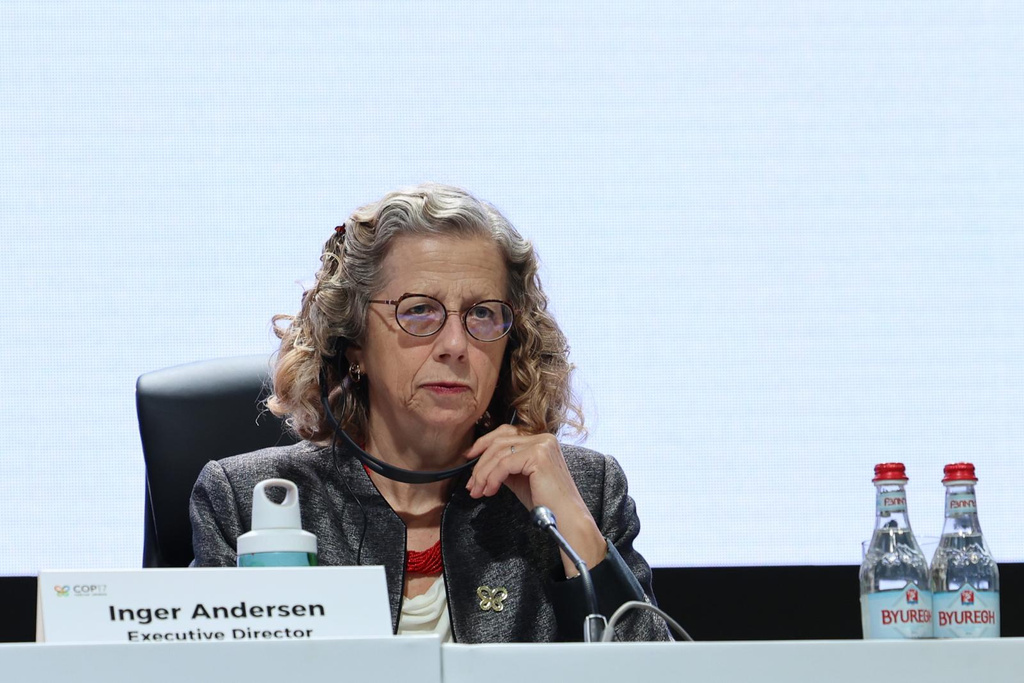
UN Environment Programme (UNEP) Executive Director Inger Andersen stressed that accelerating implementation would require more than intensifying existing conservation activities.
“This COP was about accelerating implementation of the Kunming-Montreal Global Biodiversity Framework, and turning those targets into decisive, real-world action,” she said.
The message is particularly relevant to sectors such as agriculture, fisheries, forestry and infrastructure, whose activities have significant implications for land use, ecosystems and natural resources. Integrating biodiversity into their planning and investment decisions will be essential to achieving the global targets.
Strengthening the role of indigenous peoples and local communities

Another significant outcome was the agreement on the rules of operation for the new permanent subsidiary body on Article 8(j), officially named the Sevan Guidelines.
The decision marks an important institutional development in strengthening the participation of indigenous peoples and local communities in shaping global biodiversity policy and action.
Their traditional knowledge, experience and stewardship of ecosystems are increasingly recognized as essential to conservation efforts.
For Africa, where community conservancies and locally led initiatives contribute significantly to protecting wildlife, forests, rangelands and other ecosystems, meaningful participation in biodiversity governance remains particularly important.
The Sevan Guidelines provide an opportunity to strengthen that participation and ensure that conservation decisions better recognize the contributions and rights of communities.
Science and technology: Strengthening biodiversity monitoring
Effective implementation also depends on countries’ ability to monitor biodiversity, assess ecosystem health and measure progress.
Recognizing this, the Armenian COP17 Presidency advanced four initiatives addressing technology for biodiversity monitoring, harmful incentives, mountain and freshwater ecosystems, and other effective area-based conservation measures (OECMs).
The conference also saw the introduction of new State of Nature Indicators and Metrics intended to improve biodiversity monitoring and accountability.
These developments are particularly relevant to developing countries, where limited access to scientific infrastructure, technology, data and technical expertise can constrain conservation planning and reporting.
Strengthening these capacities will be essential to determining whether national commitments are translating into measurable improvements for nature.
The real test begins after Yerevan
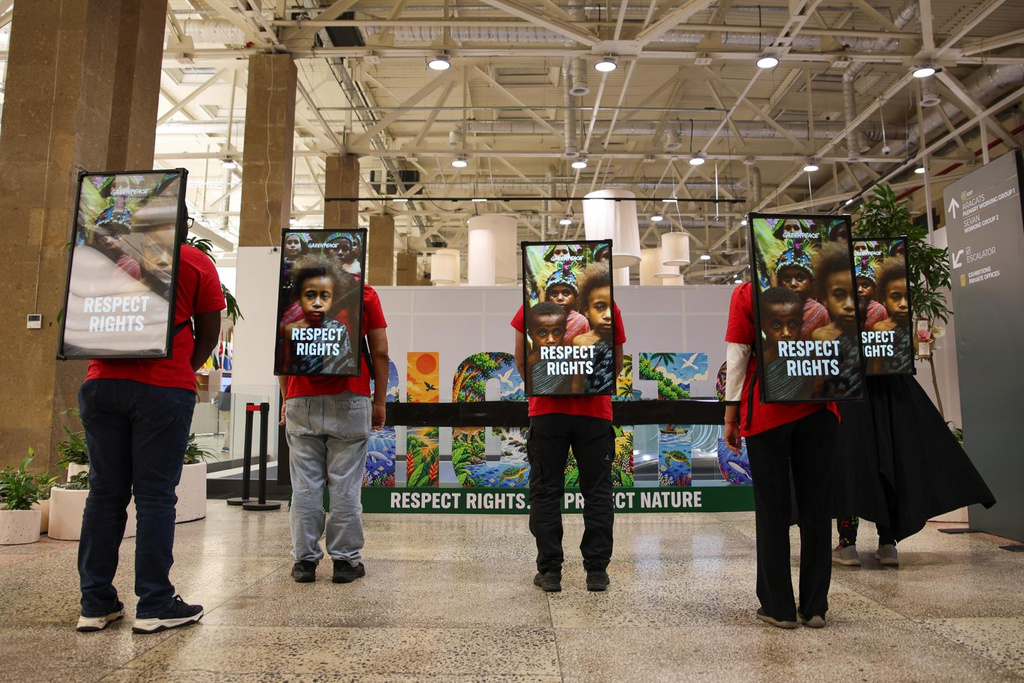
Despite the progress made, the outcomes of COP17 have also attracted scrutiny over whether they match the scale of the biodiversity crisis.
Linda Krueger, Global Director for Biodiversity and Infrastructure Policy at The Nature Conservancy, welcomed the progress but cautioned that the challenge would be ensuring governments deliver on the agreements.
“The question now is whether governments will move fast enough to actually deliver them at a time of so many other competing demands,” she observed.
With four years remaining before the 2030 deadline, the Yerevan Pathway provides a framework for accelerating action, but its success will depend on political commitment, accessible financing, scientific cooperation and accountability.
As COP18 prepares to convene in Quito, Ecuador, in 2028, countries will have another opportunity to assess progress towards the global biodiversity targets.
For Schomaker, the ultimate measure of success is clear: “Ultimately, the test is not what governments agreed in Yerevan, but what they change when they return home.”
The world has a global biodiversity framework and now a pathway intended to accelerate its implementation. Whether these commitments can translate into healthier ecosystems, protected species and more resilient communities before 2030 remains the defining challenge.
Read Also: COP31: African climate experts call for climate finance justice and a just energy transition
Author Profile

- How can we learn if we don't question?
Latest entries
 COP172 November 2026The Yerevan Pathway: Can the World Deliver on Its Biodiversity Promises?
 Agriculture30 October 2026Kenya Turns to Research and Investment to Build a Climate-Resilient Potato Sector
 COP1729 October 2026COP17: Yerevan Hub Seeks to Close Global Biodiversity Monitoring Gap
 Food28 October 2026Can Kenya’s Gum Arabic Trade Help Protect Its Drylands?