

Greenpeace Africa Organisation says governments must accelerate the transition to renewable energy, protect forests and provide developing countries with grant-based climate finance.
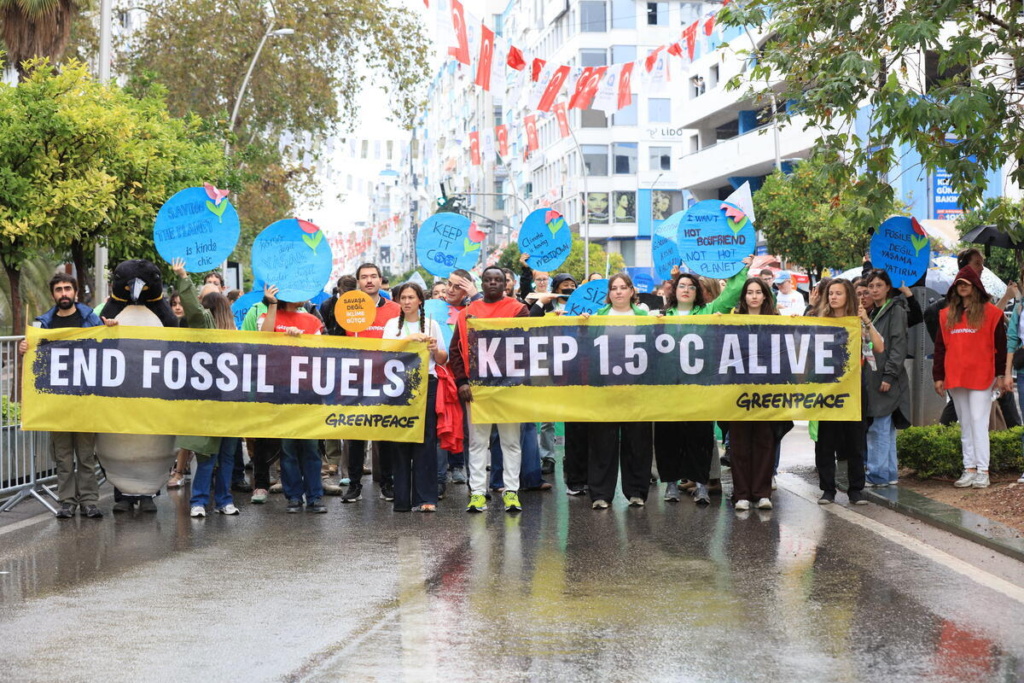
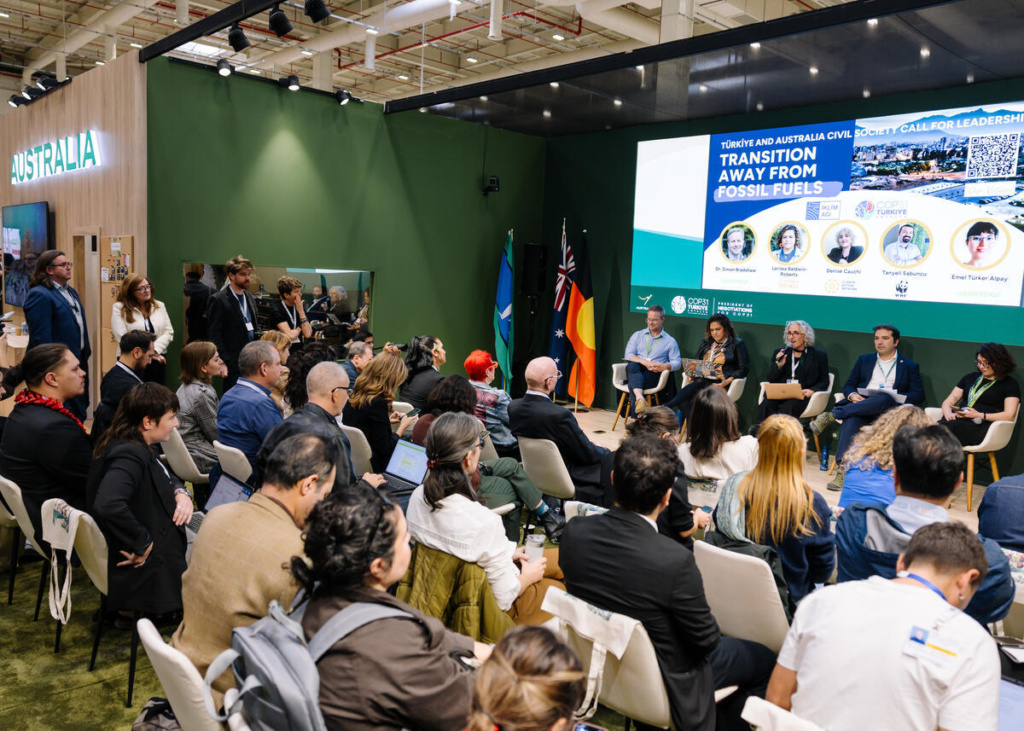
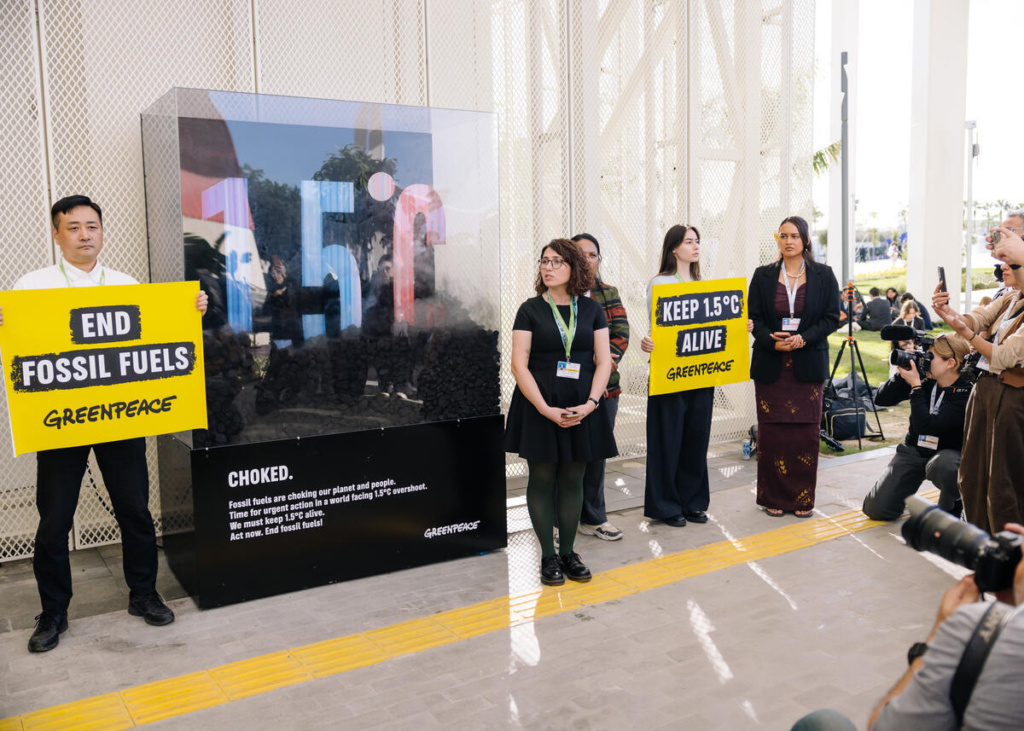
As governments gather in Antalya, Türkiye, for the 31st United Nations Climate Change Conference (COP31), Greenpeace Africa is calling for stronger commitments to phase out fossil fuels, protect forests and increase climate finance as the world faces the growing likelihood of temporarily exceeding the 1.5°C global warming threshold.
The organisation says the anticipated temperature overshoot should serve as a wake-up call for governments to move beyond incremental climate commitments and accelerate action to address the worsening climate crisis.
The warning follows a recent assessment by the United Nations Environment Programme (UNEP), which highlights the growing likelihood of the world temporarily exceeding the 1.5°C limit set under the Paris Agreement.
For Africa, the prospect carries particular significance. Despite contributing a relatively small share of historical global greenhouse gas emissions, the continent faces severe climate-related challenges, including droughts, floods, rising temperatures and threats to food and water security.
Dr Oulie Keita, Executive Director of Greenpeace Africa, argues that the responsibility for addressing the crisis must reflect the historical contribution of countries to global emissions.
She says African communities are bearing some of the most severe consequences of a crisis they contributed relatively little to creating.
As governments deliberate on climate action, Keita is calling for public, predictable, multi-year and grant-based climate finance to support developing countries, warning against reliance on loans that could deepen their debt burdens.
She also wants governments to introduce progressive taxation on the fossil fuel industry and ensure that major corporate polluters contribute towards addressing loss and damage experienced by vulnerable communities.
Beyond financing, Greenpeace Africa is challenging governments to make clearer commitments towards moving away from fossil fuels.
Fred Njehu, the organisation’s Pan-African Political Strategist, says continued reliance on coal and fossil gas, including their promotion as transition fuels in Africa, risks undermining efforts to address climate change.
He argues that COP31 should support a faster and fairer energy transition that expands access to renewable energy while allowing African countries to pursue their development priorities.
Greenpeace Africa is proposing that renewable energy account for at least 75 per cent of the energy mix by 2035, alongside stronger protection of existing forests, particularly the Congo Basin.
The organisation also wants climate finance directed towards Indigenous Peoples and local communities, recognising their role in protecting forests and sustaining critical ecosystems.
The Congo Basin, which spans several Central African countries, is one of the world’s most important tropical forest ecosystems. Its forests store substantial amounts of carbon, support biodiversity and sustain millions of people.
For Greenpeace, protecting these ecosystems must go hand in hand with ensuring that the communities responsible for their conservation have access to the resources needed to continue that work.
Jasper Inventor, Head of the Greenpeace COP31 Delegation, says the challenge facing governments is no longer a shortage of climate promises but the failure to translate commitments into meaningful action.
He argues that every fraction of a degree matters and that delays in reducing emissions will make the consequences of climate change increasingly severe.
According to Inventor, COP31 should deliver a faster, fairer and adequately financed transition away from fossil fuels, an end to forest destruction and stronger financial support for developing countries.
He adds that an agreement that falls short of what climate science demands should not be considered a breakthrough simply because many countries endorse it.
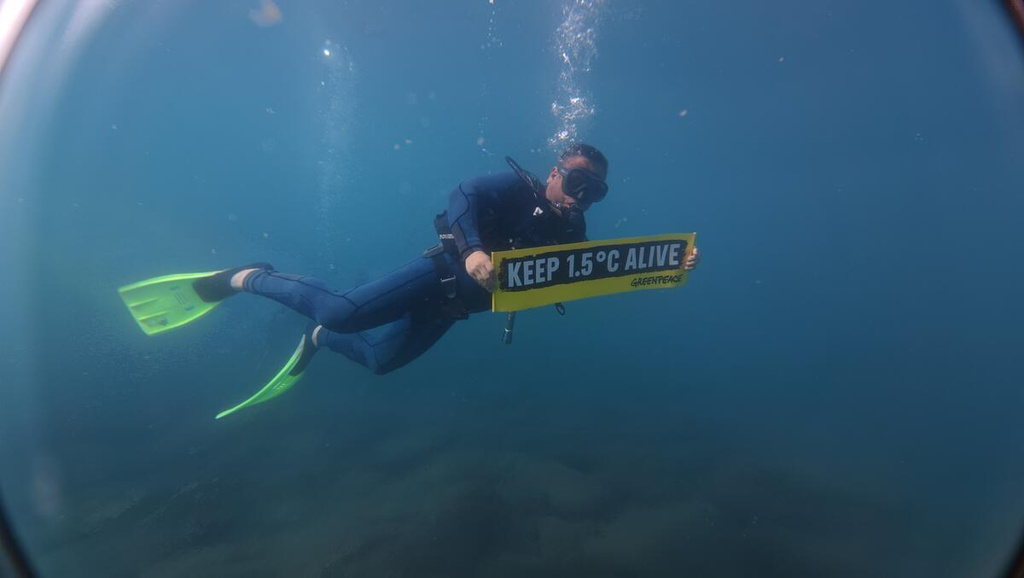
Ahead of the summit, Greenpeace Türkiye activists displayed a giant banner reading COP31: KEEP 1.5°C ALIVE at Konyaaltı Beach in Antalya. The banner was photographed by satellite as part of the organisation’s campaign calling for stronger global climate action.
As negotiations continue, Greenpeace Africa’s demands place climate finance, energy transition and forest protection at the centre of the debate over how governments should respond to the growing threat of global warming.
Author Profile

-
Seeker.
Inspire AFRIKA.
Latest entries
 Climate13 November 2026Greenpeace Africa Calls for Urgent Fossil Fuel Phase-Out in COP31 as 1.5°C Overshoot Looms
 Climate12 November 2026Early Warning Systems Reach 70% of Countries, but Africa and Vulnerable Nations Face Gaps
 COP3111 November 2026300 Million Solar Homes by 2030: Global Coalition Pushes Rooftop Solar as Energy Security Solution
 Biodiversity10 November 2026Who Speaks for Indigenous Peoples? Thomas Joseph on the Fight for Land, Rights and Biodiversity


