
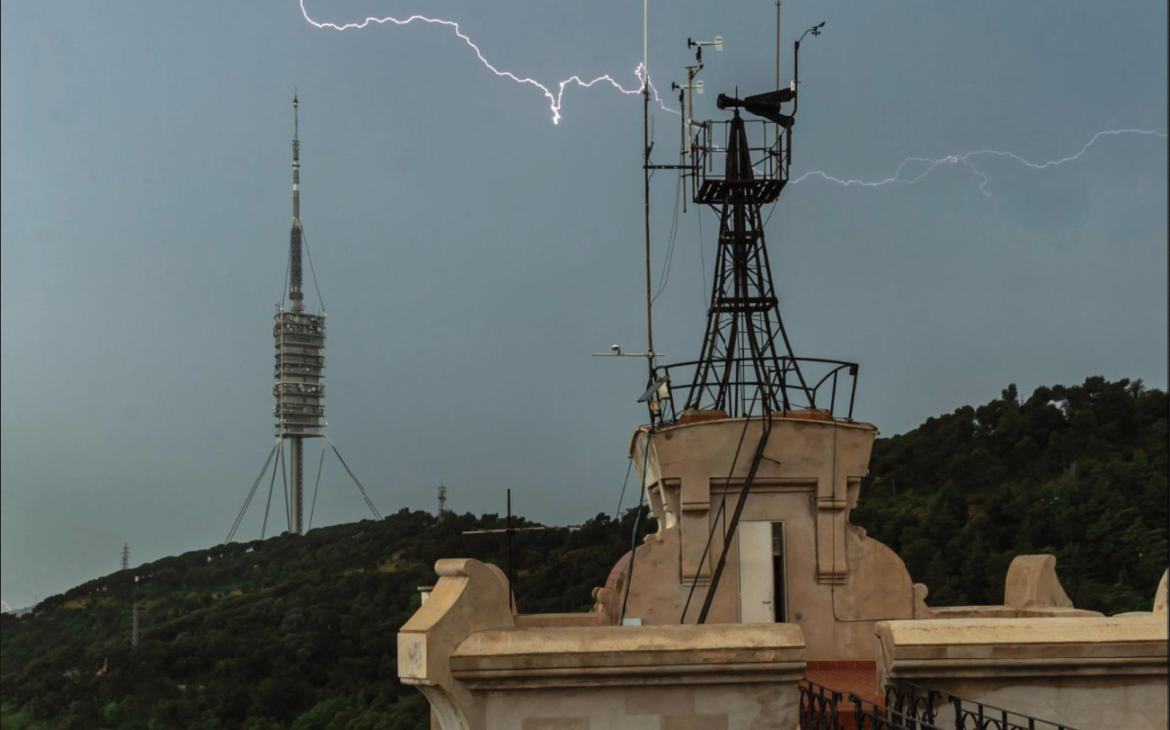
Seventy per cent of countries now report multi-hazard early warning capabilities, but major gaps persist in the world’s most disaster-prone regions as a strengthening El Niño raises concerns.
More countries are strengthening their ability to warn communities about impending disasters, but millions of people in the world’s most vulnerable regions remain inadequately protected, according to a new report by the United Nations Office for Disaster Risk Reduction (UNDRR) and the World Meteorological Organisation (WMO).
The findings come amid warnings of an intensifying El Niño, which could increase the frequency and severity of extreme weather events in several parts of the world. The situation is renewing calls for countries to strengthen early warning systems and ensure that forecasts translate into timely action.
According to the Global Status of Multi-Hazard Early Warning Systems 2026, 136 countries now report having some capacity for multi-hazard early warning, an increase of 17 countries since March 2025. This represents 70 per cent of countries worldwide and a 143 per cent increase since global reporting began in 2015.
The report also highlights the importance of comprehensive early warning systems in reducing disaster impacts. Countries with substantial to comprehensive capabilities recorded disaster-related mortality rates 6.1 times lower than those with limited to moderate systems. They also recorded 3.2 times fewer people affected by disasters.
However, progress remains uneven since Small Island Developing States (SIDS) have the lowest reported early warning coverage, while Least Developed Countries (LDCs) have the lowest overall comprehensiveness scores, despite making the greatest improvements from their initial scores.
“Countries have made significant progress in strengthening their early warning systems, but too many people remain unprotected. If we are serious about reducing loss and damage, strengthening early warning and early action in the most vulnerable countries must be a top global priority,” said Kamal Kishore, Special Representative of the UN Secretary-General for Disaster Risk Reduction and Head of UNDRR.
El Niño raises the urgency of early action
The latest seasonal climate outlook from WMO indicates that the current El Niño could become unprecedented in strength, with its effects already being felt in different parts of the world.
As the climate phenomenon intensifies, extreme weather events are expected to multiply and potentially trigger cascading impacts, increasing pressure on communities, infrastructure and emergency response systems.
“The current El Niño event could be literally off our monitoring charts. While we cannot stop El Niño, we can prevent many of its worst human consequences. Early warning systems allow us to anticipate risks and act before extreme weather leads to a humanitarian disaster,” said Celeste Saulo, WMO Secretary-General.
The report was released alongside a high-level event with UN Secretary-General António Guterres in Antalya, Türkiye, under the theme Early Warnings for All: Delivering Our Promise to Protect Everyone.
Turning forecasts into protection
This requires coordination across government agencies, community engagement, disaster preparedness planning and adequate financing to support anticipatory action.
Progress is emerging in this area. In 2025, the number of active anticipatory action frameworks increased by 70 per cent, from 154 to 262, covering 75 countries.
During the same period, 146 anticipatory action activations were recorded across 54 countries, directly reaching 9.6 million people. These interventions were supported by US$119.9 million in pre-arranged financing, enabling action ahead of anticipated disasters rather than relying entirely on emergency responses after they occur.
Africa records the largest increase in coverage
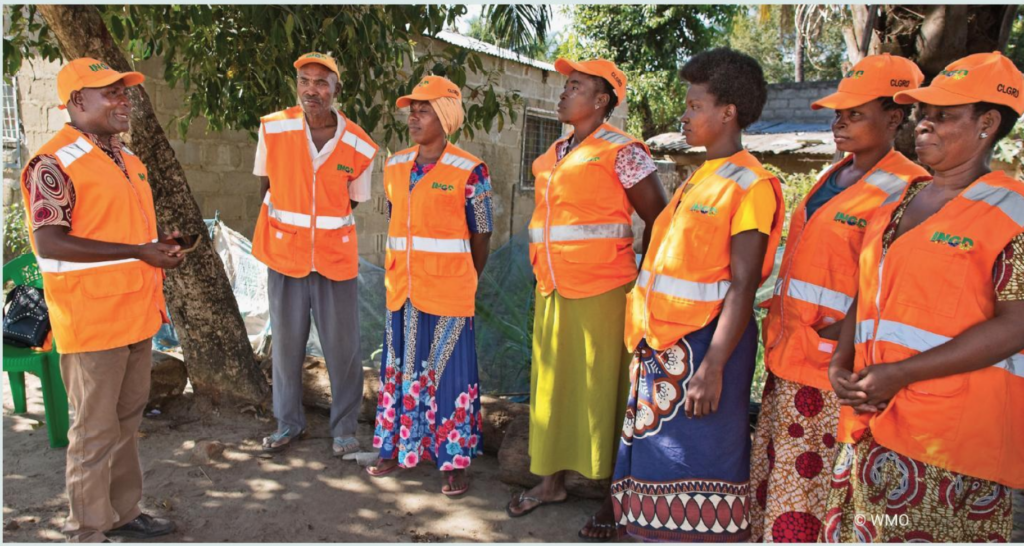
Africa recorded the largest increase in reporting over the past year, with 11 additional countries reporting some early warning capabilities, bringing the continent’s regional coverage to 77 per cent.
Europe and Central Asia continue to have the highest levels of system comprehensiveness, while the Arab States have the lowest. Africa’s average comprehensiveness score has now reached a level comparable to that of the Americas and the Caribbean.
Improvements have also been recorded in the observation networks that support accurate weather forecasting. In 2025, the proportion of WMO Members sharing data from at least one station compliant with the Global Basic Observing Network increased from 37 per cent in 2023 to 52 per cent.
Meanwhile, mobile-based public warning systems are expanding, considering that by June 2026, 38 countries had fully operational Cell Broadcast systems, while another 17 were in the final stages of developing them.
The findings point to growing global investment in disaster preparedness, but also highlight the need to close the remaining gaps, particularly in countries with limited resources and high exposure to climate-related hazards.
As climate risks continue to evolve, the challenge is no longer simply to predict disasters, but to ensure that people receive warnings early enough to protect their lives, livelihoods and communities.
Author Profile

-
Seeker.
Inspire AFRIKA.
Latest entries
 Climate12 November 2026Early Warning Systems Reach 70% of Countries, but Africa and Vulnerable Nations Face Gaps
 COP3111 November 2026300 Million Solar Homes by 2030: Global Coalition Pushes Rooftop Solar as Energy Security Solution
 Biodiversity10 November 2026Who Speaks for Indigenous Peoples? Thomas Joseph on the Fight for Land, Rights and Biodiversity
 COP319 November 2026New Zealand Earns Fossil of the Day as Brazil Receives Ray of the Day in COP31


