
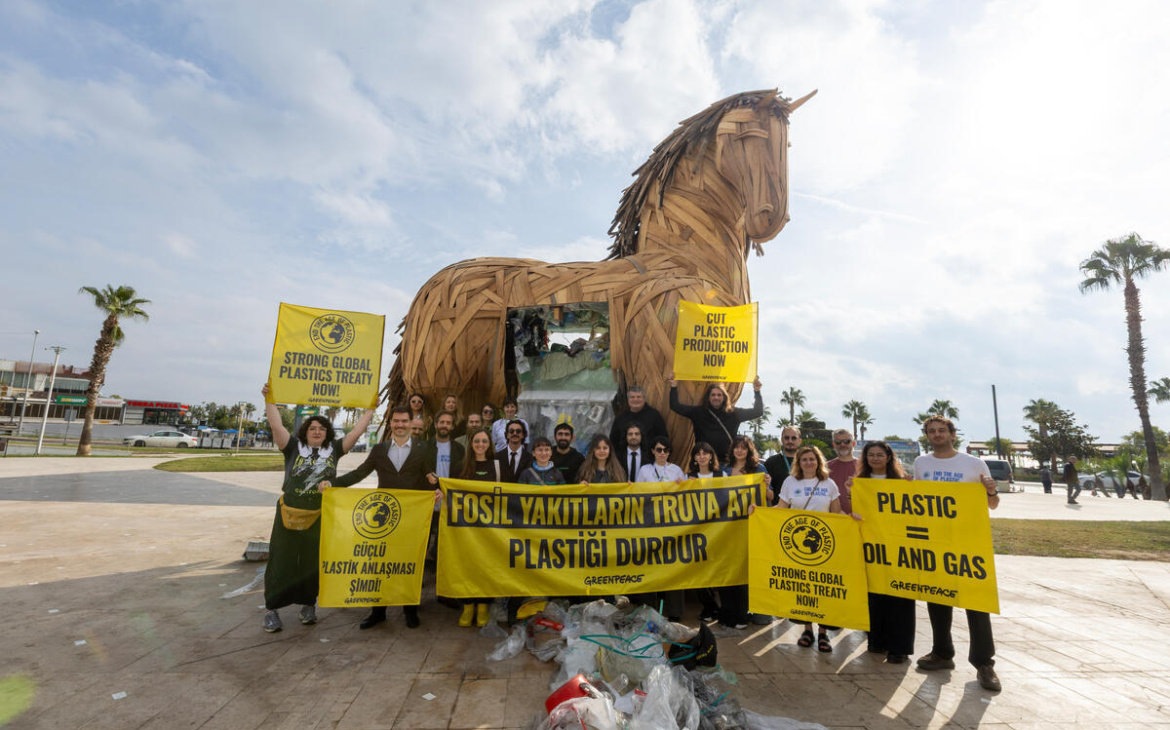
How the fossil fuel industry could use growing plastic production to sustain oil demand as the world moves towards cleaner energy, a move protested by Greenpeace through an artistic Trojan Horse.
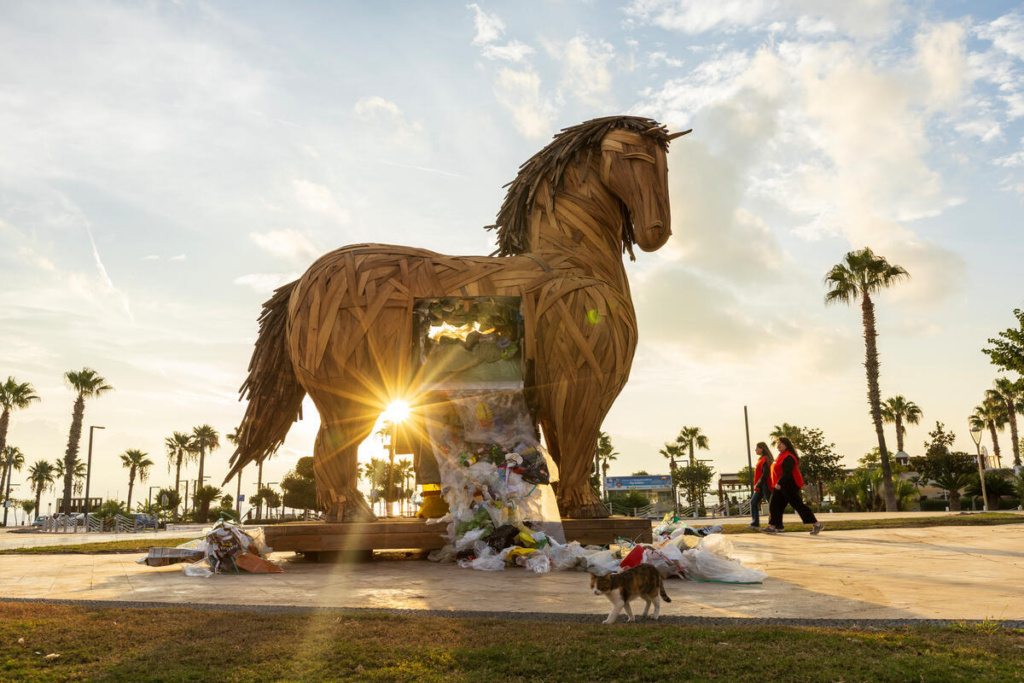
The six-metre-high, four-metre-wide sculpture, unveiled in Konyaaltı during the UN climate conference COP31, is Greenpeace’s most literal warning yet about the growing relationship between plastic and fossil fuels.
Built in collaboration with Danish artist Thomas Dambo, the installation carries a message aimed at world leaders negotiating inside: plastic is Big Oil’s Trojan Horse.
A gift with something inside
The setting was deliberate. Antalya sits in a region steeped in the legend of Troy, and Greenpeace Türkiye campaigner Berk Butan says the parallel is hard to miss.
“Just like in the myth, this horse, appearing as a gift from the outside, hides something within that threatens our lives,” he said. “The fossil fuel industry is using plastic as an escape hatch.”
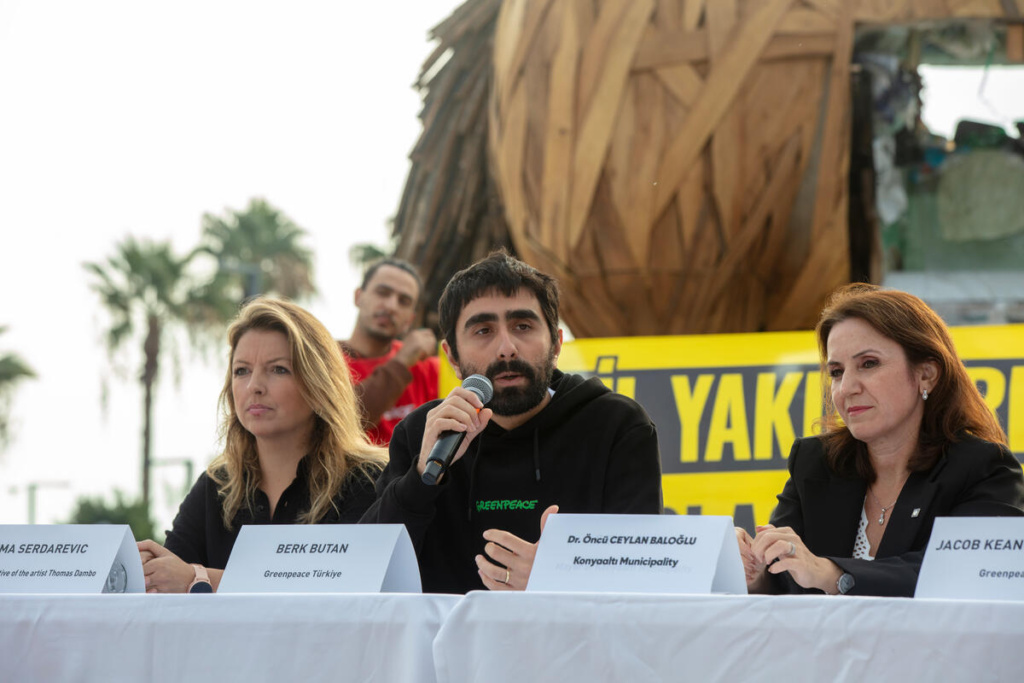
The concern is that as governments move towards renewable energy and reduce dependence on fossil fuels, the oil and gas industry is increasingly looking to petrochemicals to sustain demand. Plastic, found in everything from packaging to everyday consumer products, remains a significant market for oil and gas-derived materials.
The connection is reflected in global energy projections. The International Energy Agency’s Oil 2025 report identifies petrochemicals as a potential dominant source of global oil demand growth from 2026 onwards.
As estimated by 2030, global production of polymers and synthetic fibres is projected to require 18.4 million barrels of oil per day, more than one in every six barrels.
Beyond its contribution to fossil fuel demand, plastic carries a climate burden throughout its life cycle. Emissions arise from extracting the oil and gas used as feedstocks, manufacturing plastic products and managing their disposal. This makes plastic pollution more than a waste-management challenge; it is also part of the wider climate crisis.

Trash turned into testimony
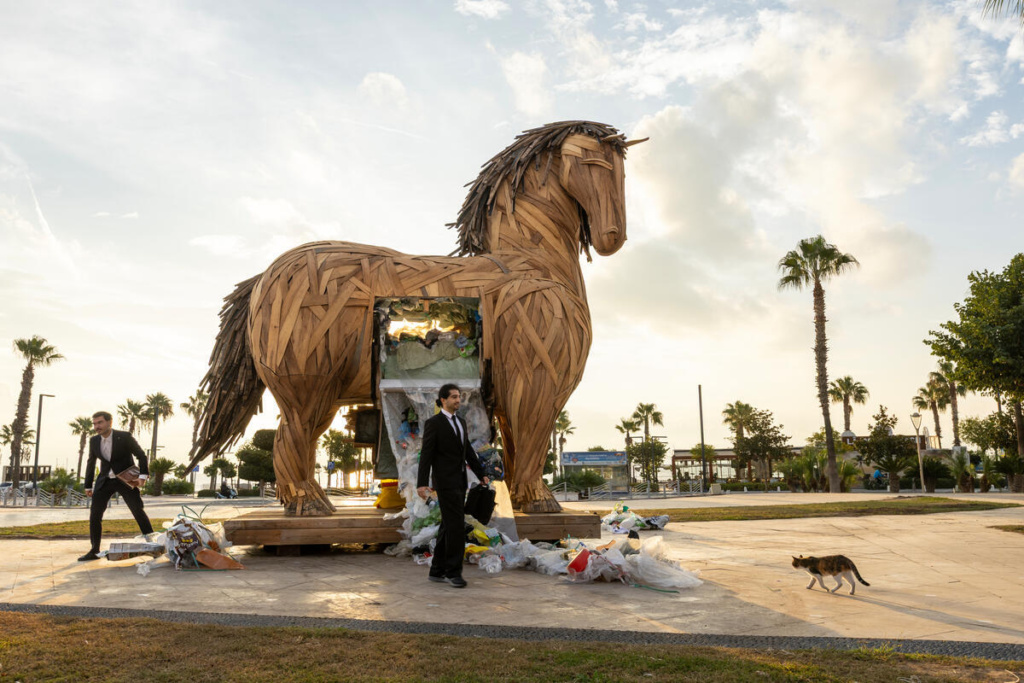
For Dambo, whose work is built using recycled materials and waste, the Trojan horse is intended to expose what everyday plastic consumption often conceals.
“As leaders negotiate our climate future, the fossil fuel industry is expanding through plastics,” he said. “A healthier climate means cutting plastic production.”
The installation challenges a familiar approach to plastic pollution that places much of the emphasis on recycling and waste collection. While these remain important, Greenpeace argues that they cannot adequately address the problem without reducing the volume of plastic entering the market in the first place.
This shifts the conversation from what happens to plastic after use to the production decisions that determine how much is manufactured and consumed.
It also raises questions about the extent to which recycling alone can address an industry whose continued expansion remains tied to fossil fuel feedstocks.

Africa on the front line
For Greenpeace Africa’s Fred Njehu, the implications extend beyond the negotiations in Antalya. He argues that the expansion of petrochemicals threatens to deepen the environmental and economic pressures already facing communities across the continent.
He says Big Oil is “exploiting our continent to protect their growing profits” and pushing petrochemicals as a backdoor to keep drilling.
His demands at COP31 include a binding Global Plastics Treaty that cuts production at the source and commitments to make corporate polluters pay for the impacts on African frontline communities.
For Africa, the debate is also about environmental justice. Communities facing plastic pollution often contend with inadequate waste-management infrastructure, while countries across the continent continue to grapple with the environmental implications of imported plastic waste.
Addressing the problem therefore requires more than improving waste collection and recycling systems. It also means examining who produces plastic, who benefits from its continued expansion and who ultimately bears the environmental costs.
Beyond Türkiye’s Zero Waste ambitions
The installation also puts pressure on the host country. Türkiye is showcasing its Zero Waste initiative at COP31, but Butan argues that a meaningful Zero Waste policy must go beyond managing discarded materials.
He says this requires limits on plastic production and a ban on importing other countries’ plastic waste.
“Now is the time to take a decisive stance,” he said.
The distinction is important. Managing plastic waste after consumption addresses one part of the problem, but reducing production tackles it further upstream.
For Greenpeace, a credible Zero Waste commitment must therefore consider not only how waste is collected and processed, but also how much plastic enters the economy in the first place.
Beyond the horse
Greenpeace wants a strong Global Plastics Treaty that cuts production at the source, accelerates a just transition away from fossil fuels and supports reuse and refill systems.
The negotiations remain a critical test of how far governments are prepared to go in confronting plastic pollution across its entire life cycle. The next formal session of the Intergovernmental Negotiating Committee is expected within the 13–24 March 2027 window, following negotiations that have yet to produce an agreed treaty text.
Jacob Kean-Hammerson, Greenpeace USA’s Global Plastics Policy Lead, says world leaders should use the moment to “stand up to fossil fuel interests.”
The Trojan horse may be a work of art, but the warning it carries is political. For Greenpeace, the challenge facing governments is not simply how to manage the plastic already in circulation, but whether they are prepared to confront the fossil fuel interests behind its continued production.
Author Profile

-
Seeker.
Inspire AFRIKA.
Latest entries
 Energy25 November 2026Kenya Teams Up with Fossil Fuel Treaty Initiative to Chart a Fair Exit from Fossil Fuels
 Fisheries25 November 2026ARBEC III: Bridging Science, Investment and Livelihoods in Africa’s Blue Economy
 Animals24 November 2026Where Is the Milk? Feed Is the Missing Link in Kenya’s Dairy Sector
 Events23 November 2026Why Kenya’s Young People Want Their Climate Struggles Counted


