At the UN biodiversity summit, Kenyan civil society leader Anne Maina questions whether carbon markets, genetic engineering, and synthetic biology serve African communities or commercial interests, urging the need to embrace agroecology and regenerative agriculture.
As negotiators gather in Yerevan to advance the world’s biodiversity targets, a Kenyan civil society leader is asking a fundamental question: who benefits from the proposed solutions?
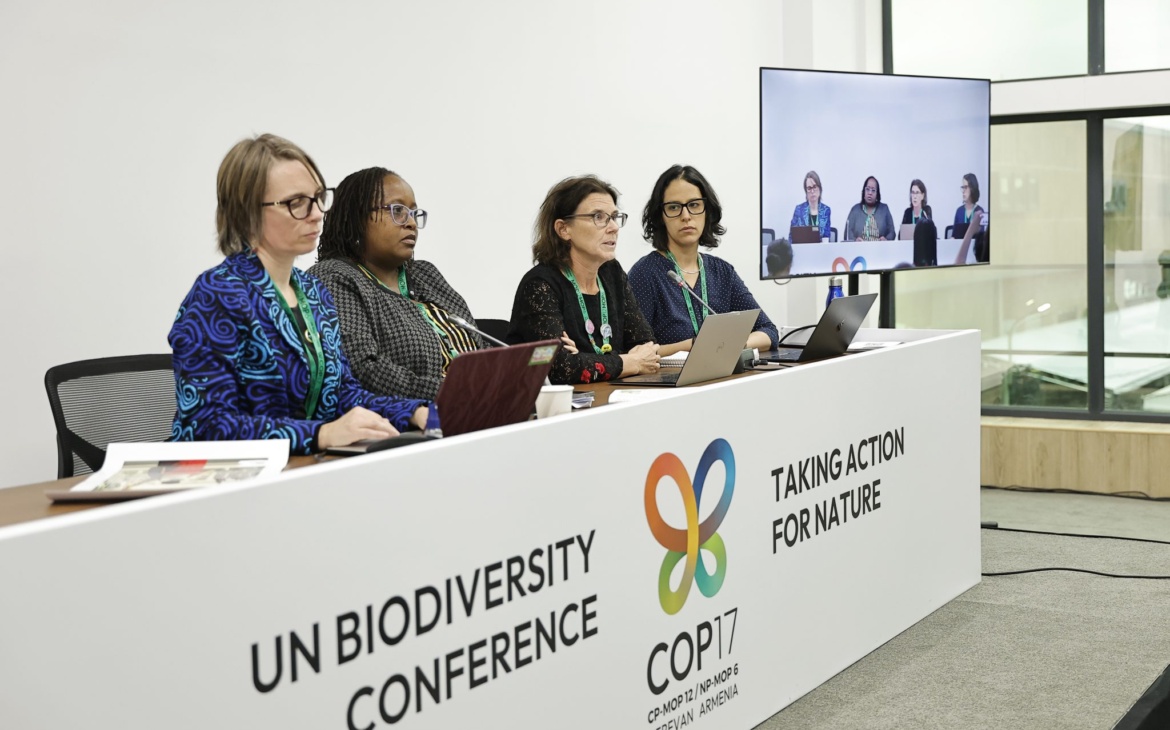
Anne Maina, National Coordinator of the Biodiversity and Biosafety Association of Kenya (BIBA Kenya), is attending COP17 of the Convention on Biological Diversity (CBD) with support from the Alliance for Food Sovereignty in Africa (AFSA); she points out in a conversation with Climate Lens News on the sidelines.
Maina argues that some approaches gaining prominence in biodiversity negotiations, including carbon markets, genetic engineering and synthetic biology, risk prioritising commercial interests over the needs of African farmers and communities.
Her concerns are rooted in the experiences of communities in Kenya, where she says conservation agreements have sometimes restricted access to grazing land and where agroecology advocates are working to restore degraded farmland and protect biodiversity.
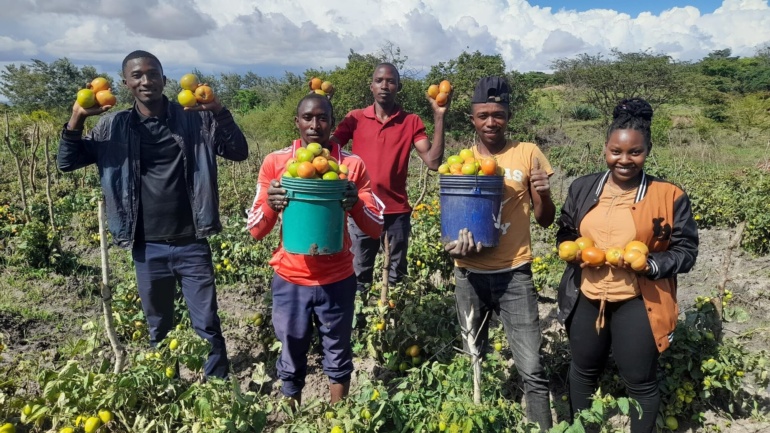
Building agroecology from the counties up
BIBA Kenya is a network of 66 organisations, including community-based groups, NGOs, faith-based organisations, women’s groups and animal welfare networks working to promote the embrace of agroecology, protection of biodiversity and biosafety.
The association has supported Kenya’s National Agroecology Strategy for Food System Transformation, launched in November 2024. Its work has also extended to county governments, where it has helped develop local policies through multi-stakeholder platforms.
Murang’a became the first county to adopt an agroecology policy in 2022, a move that promises more benefits not only for agriculture but also the environment. Vihiga, West Pokot, Makueni, Nakuru and Laikipia have since followed, while Kirinyaga and Nandi are among the counties pursuing similar efforts.
For Maina, the urgency is visible in the condition of Kenya’s agricultural land, with an analysis of how agricultural production curves have changed over the decades. “Our soils are very much degraded; they are crying for carbon,” she says, pointing to the interconnectedness with declining insect populations and the loss of pollinators that crops depend on.
BIBA Kenya is also part of a campaign to remove highly hazardous pesticides from the country’s food systems, urging the need to be crystal clear when it comes to protecting biodiversity entirely and holistically. A move she urges that member states negotiating consider the removal of subsidies for companies in the manufacture of these pesticides and harmful chemicals.
She went ahead, noting with welcome the withdrawal of some pesticides highlighted by campaigners over the years, following action by Agriculture Cabinet Secretary Mutahi Kagwe in 2025.
Who benefits from biodiversity finance?
At COP17, BIBA Kenya is pushing for more resources for the Cali Fund, established at the previous biodiversity summit in Cali, Colombia, to share benefits arising from the use of digital sequence information on genetic resources.
Maina says developed countries have contributed little to the fund, which she sees as an important mechanism for supporting communities and biodiversity conservation.
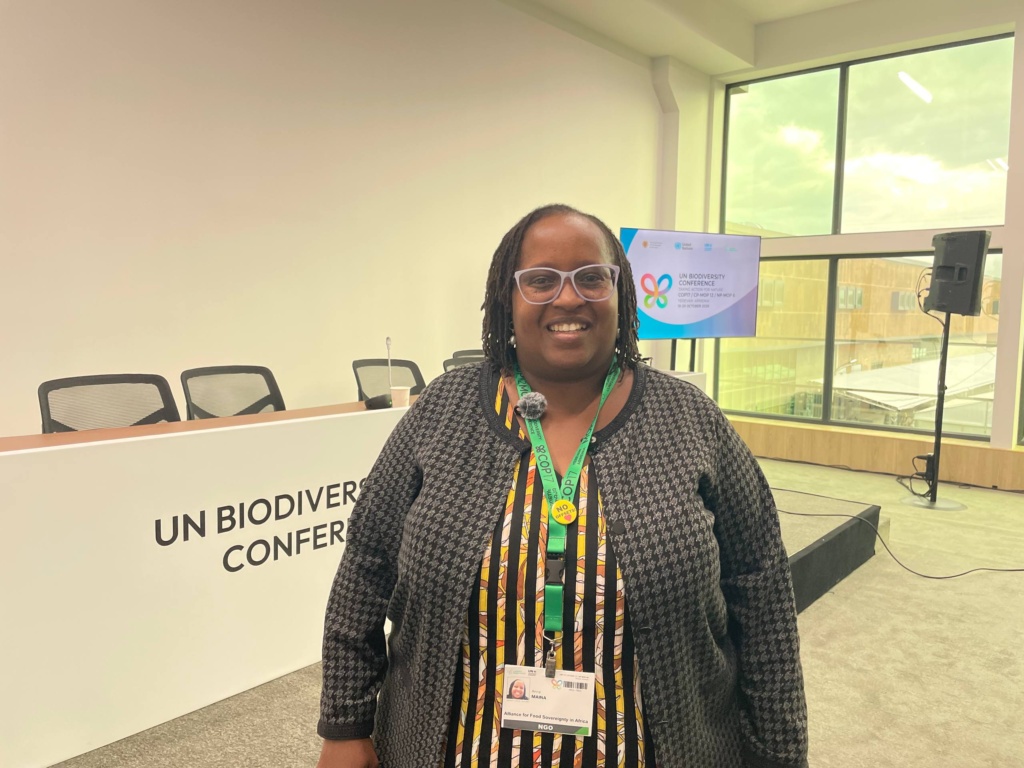
She is also questioning the growing prominence of digital sequence information, genetic engineering, synthetic biology and carbon-market-based nature solutions in international negotiations.
“Are these really beneficial to the African farmer, or the developing world, or to the multinationals?” she asks.
Maina argues that research and policy discussions risk being shaped by commercial interests, with insufficient attention to the benefits communities receive. “It’s profit for industry. At the end of the day, what are the communities gaining?”
She is particularly concerned about proposals that could facilitate the export of genetically engineered crops to Africa. Maina points to countries such as Brazil, which grows genetically engineered crops, and urges governments to act responsibly in shaping international agreements.
Her call is for biodiversity decisions to be grounded in responsible science and designed around community interests rather than industry influence.
When carbon contracts restrict access to pasture
The consequences of conservation approaches that exclude local communities are already being felt in Kenya, Maina says.
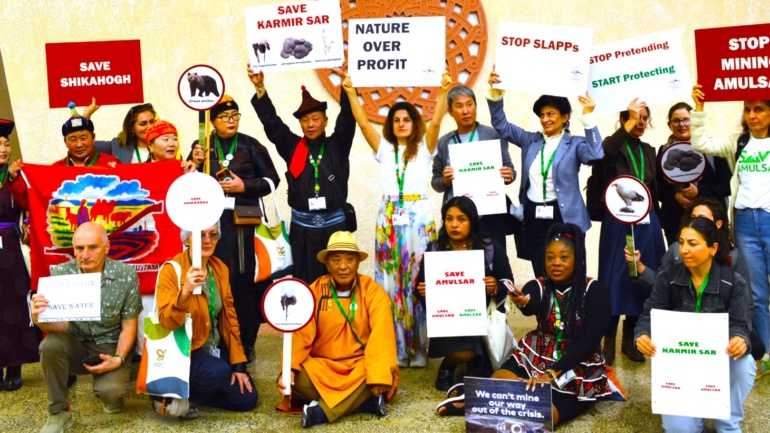
Speaking after a CBD Alliance side event organised with the Third World Network, Friends of the Earth International, the Forest Coalition and other groups, she described cases in which communities in conservancies have lost access to grazing land after signing carbon contracts they did not fully understand.
Under these agreements, communities may be restricted from taking livestock into areas designated for carbon conservation.
“The knowledge exists with them,” she says, arguing that conservation initiatives must recognise and incorporate community knowledge.
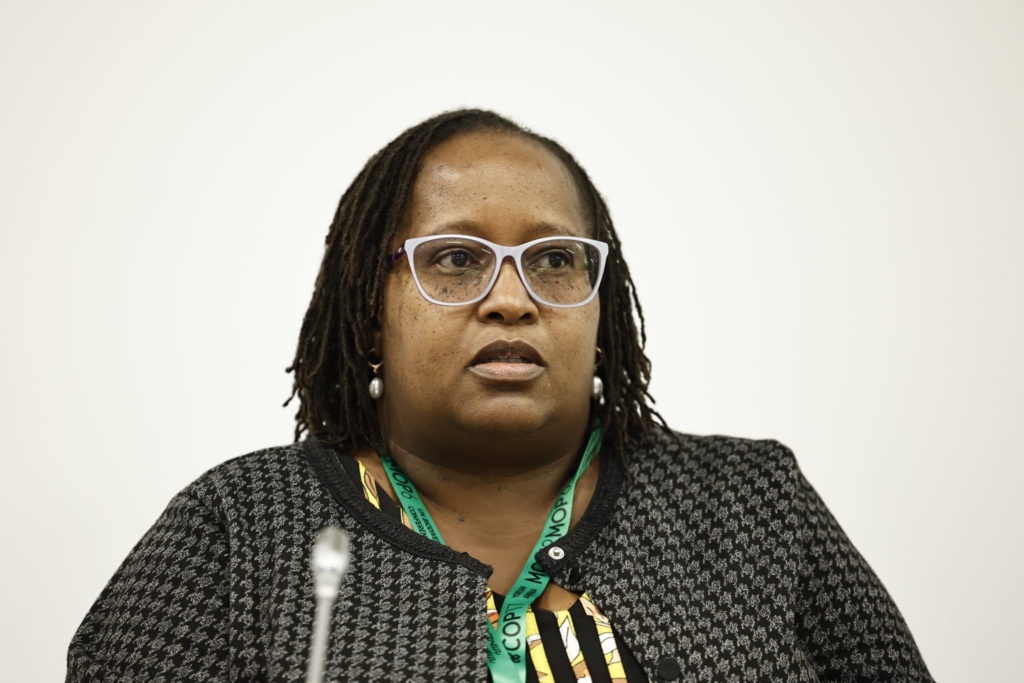
Excluding communities from decisions over their land, she warns, can create conflict, particularly during droughts when pastoralists need access to pasture.
With the threat of El Niño raising concerns about difficult conditions for farmers and herders in Kenya, Maina questions how communities can cope when grazing areas are placed beyond their reach.
Her concerns reflect a wider debate at COP17 over whether conservation and carbon-finance models adequately protect the rights and livelihoods of the people who have long managed biodiversity-rich landscapes. Sharing an emphasis on the notion that conservation cannot succeed by separating communities from the ecosystems on which they depend.
Faith and responsibility for nature
BIBA Kenya is also working with Green Anglicans as the Anglican Church explores ways to support biodiversity conservation.
Maina says faith institutions can help mobilise communities and promote environmental stewardship, particularly where local action is essential to protecting ecosystems.
Her message to negotiators is that the destruction of nature carries consequences that cannot be indefinitely avoided.
“Mother Nature is not very forgiving,” she says. “As you continue to destroy our nature, Mother Nature will one day blow up, and we need to deal with that early enough.”
She closes with the story of a small weaver bird carrying water in its beak to help extinguish a forest fire. When asked whether its efforts could make a difference, the bird replies that it is doing the best it can.
“If everyone here would do the best they can, we can be able to stop these challenges related to climate change,” Maina says.
From Kenya’s county-level agroecology policies to the biodiversity negotiations in Yerevan, her message is consistent: communities must be recognised as partners in conservation, biodiversity finance must deliver meaningful benefits, and scientific and policy decisions must serve people as well as nature.
Author Profile

-
Seeker.
Inspire AFRIKA.
Latest entries
 Agriculture4 November 2026From Kenya’s Counties to Yerevan, Agroecology Advocates Challenge “False Solutions” at COP17
 Biodiversity29 October 2026From Indigenous Territories to the UN: The Growing Movement for the Rights of Nature
 Biodiversity28 October 2026From Buffalo to Orangutans, Indigenous Leaders Challenge the Business of Wildlife Offsets
 Biodiversity28 October 2026Biodiversity Commitments Face a Defining Test as Yerevan Talks Enter Final Week