
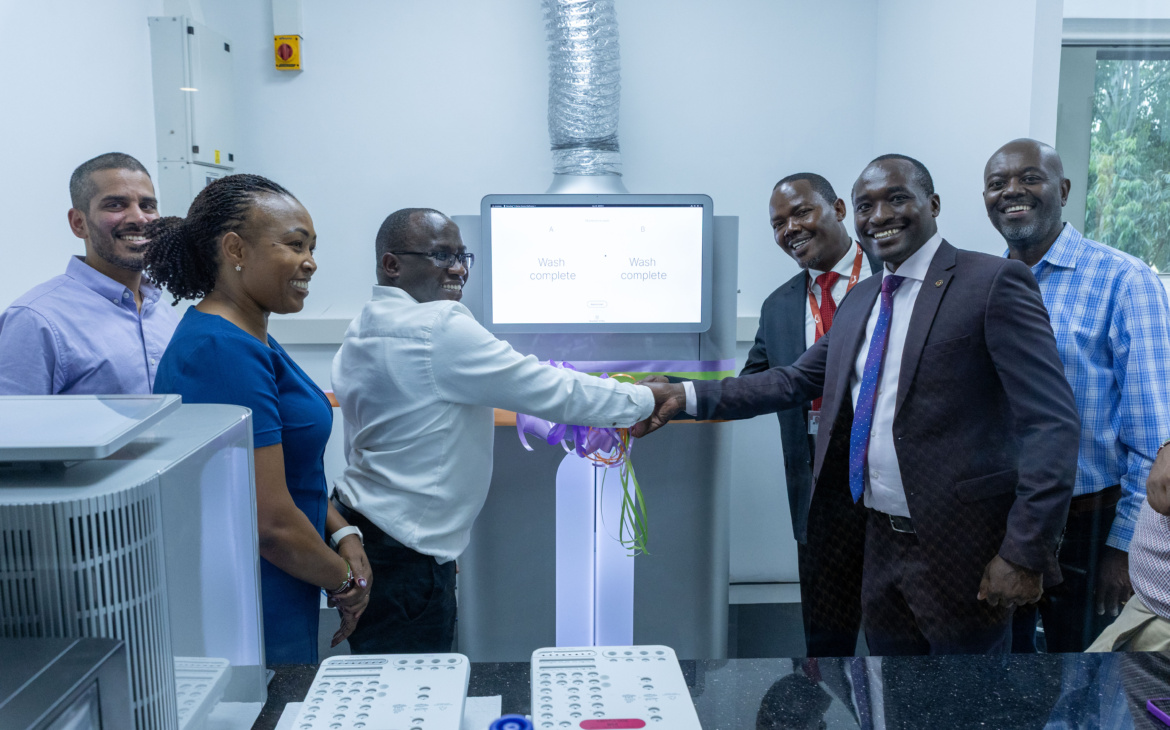
A Kenyan genomics laboratory has acquired an advanced DNA sequencing system valued at about KSh454 million after securing financing from Equity Bank, showing how alternative lending can help specialized healthcare businesses overcome the high cost of medical technology.
Dr George Ngondi, a microbiologist and genomics expert who founded and directs Nextgen Molecular Lab, said securing the capital needed to build the facility’s high-throughput genetic sequencing capacity was one of the biggest challenges in bringing the technology to Kenya.
“We approached many banks, and everywhere we went, we faced a lot of challenges. So, we had to go for debt financing, and debt financing was a bigger challenge,” said Ngondi.
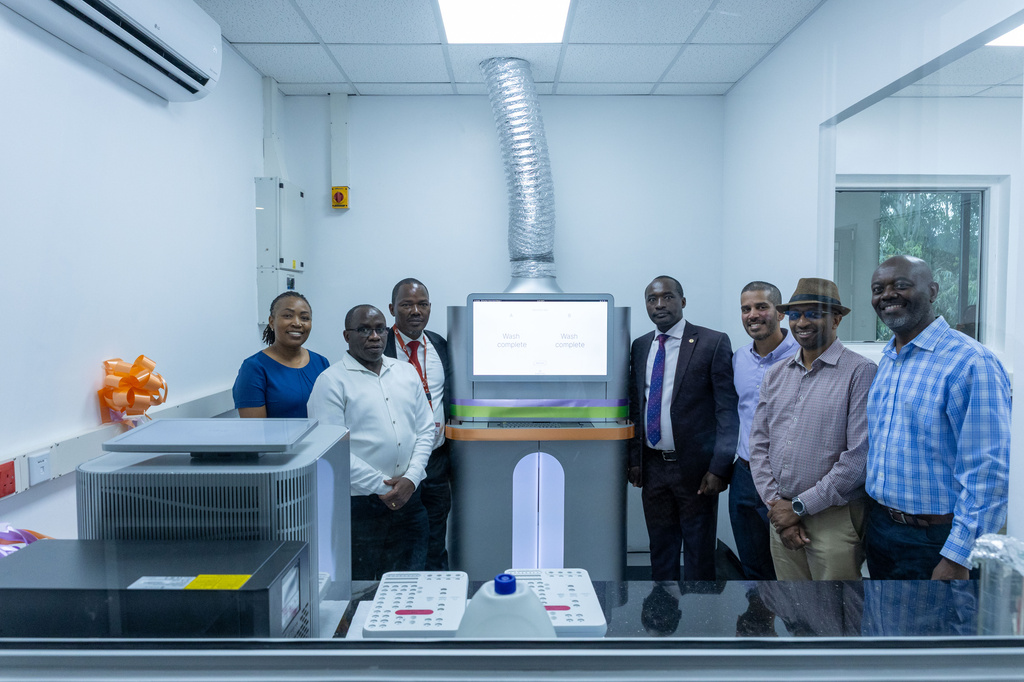
The laboratory required about US$3.5 million to acquire the NovaSeq™ System, an ultra-high-throughput Next-Generation Sequencing platform capable of processing large volumes of genetic material simultaneously.
Before acquiring the system, Ngondi had already invested more than KSh100 million in supporting infrastructure and laboratory equipment, including a negative-pressure room for DNA isolation, polymerase chain reaction (PCR) machines, quality-control analysers and equipment used in library preparation.
The additional infrastructure was necessary to establish a specialised facility capable of supporting advanced genomic sequencing.
The financing breakthrough came when Equity Bank structured the facility around the sequencing instrument itself, allowing it to serve as collateral rather than requiring conventional security such as a title deed.
“The instrument was used as collateral. We did not have to give a title deed as collateral, and we are talking about a total of US$3.5 million,” said Ngondi.
The arrangement was further supported by a warranty and service contract from Illumina, the supplier of the sequencing system, helping to mitigate equipment-related risks.
Expanding access to genomic research
Genomic sequencing involves reading genetic material to identify variations in DNA that can help researchers investigate diseases, understand their development and study differences in how individuals respond to medicines.
The technology can support clinical investigations, disease surveillance and research into precision medicine, an approach that considers individual biological characteristics when informing healthcare decisions.
For Nextgen Molecular Lab, the system provides the capacity to process substantial volumes of genetic material, supporting research and investigations that may otherwise require access to specialised facilities outside the region.
The laboratory is now engaging in large-scale projects involving hospitals, research institutions and patient populations, as it seeks to translate its expanded technical capacity into practical applications.
“What I tell people is that you are your DNA, and your DNA is you. So, if you know your DNA, you know your blueprint,” said Ngondi.
He said understanding an individual’s genetic makeup could help inform more precise healthcare decisions, including research into how patients respond differently to medication.
“Trust me, we need to know ourselves so that we can make better decisions, more informed decisions, and have more precision when it comes to the medications we choose,” he said.
While genomic information can contribute to research and clinical decision-making, its usefulness depends on appropriate interpretation alongside other clinical evidence.
Financing specialised healthcare equipment
The investment also highlights the financing challenges facing healthcare providers seeking to acquire expensive, specialised equipment.
Diagnostic laboratories, imaging centres, dialysis units, dental and optical clinics, and specialized oncology and cardiology facilities often require substantial capital to establish or expand their services.
Dr Joseph Mbai EBS, General Manager and Team Leader for Health Sector at Equity Bank Kenya, said financing arrangements tailored to healthcare providers’ needs could help them acquire equipment that might otherwise remain beyond their reach.
“Healthcare providers need access to the right equipment to offer quality services. When financing constraints prevent them from acquiring that equipment, it ultimately limits the services they can provide. Our role as Equity Bank is to help bridge that gap by making it possible for healthcare providers such as Nextgen Molecular Lab to invest in the equipment they need without looking for traditional collateral such as a title deed,” said Mbai.
For Ngondi, the investment represents a significant step towards establishing advanced genomic sequencing capacity locally, despite the financial barriers associated with specialized scientific equipment.
The laboratory’s experience illustrates how financing tied to the asset being acquired can help businesses invest in capital-intensive technology.
Beyond the machine itself, the investment reflects an ambition to expand Kenya’s ability to conduct genomic research locally and contribute to a better understanding of disease, with potential applications in precision medicine.
Author Profile

- How can we learn if we don't question?
Latest entries
 Health26 October 2026KSh454 Million DNA Sequencer to Expand Kenya’s Genomic Research Capacity
 Climate23 October 2026The Road Back to 1.5°C: UNEP Sets Out the Emissions Cuts Needed
 Oceans22 October 2026Seamounts Under Threat: Can Governments Turn Ocean Promises into Protection?
 Events21 October 2026New Guide Links Animal Welfare to Biodiversity and Human Health


