
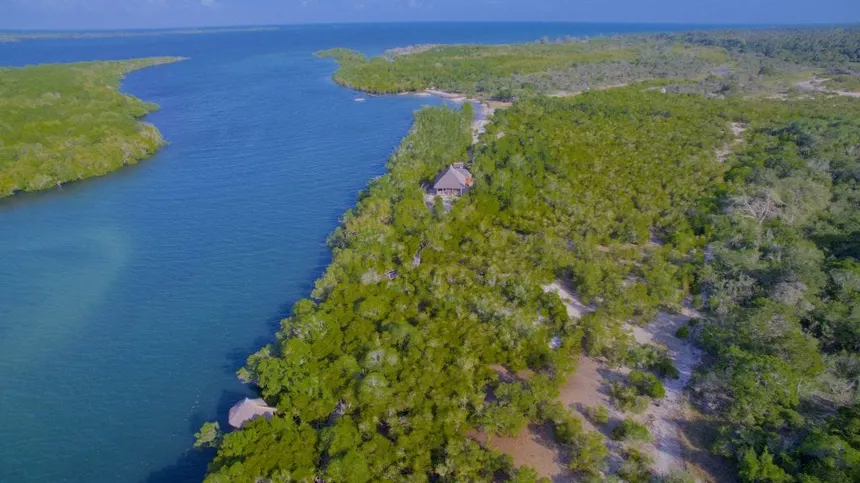
In Gazi Bay, mangrove forests that once formed dense coastal barriers now stand fragmented, exposed to erosion, shifting tides, and years of human pressure.
However, an ambitious ecological and economic experiment is taking shape: the restoration of 226 hectares of mangrove forest, tied directly to how coastal communities earn a living from conservation.
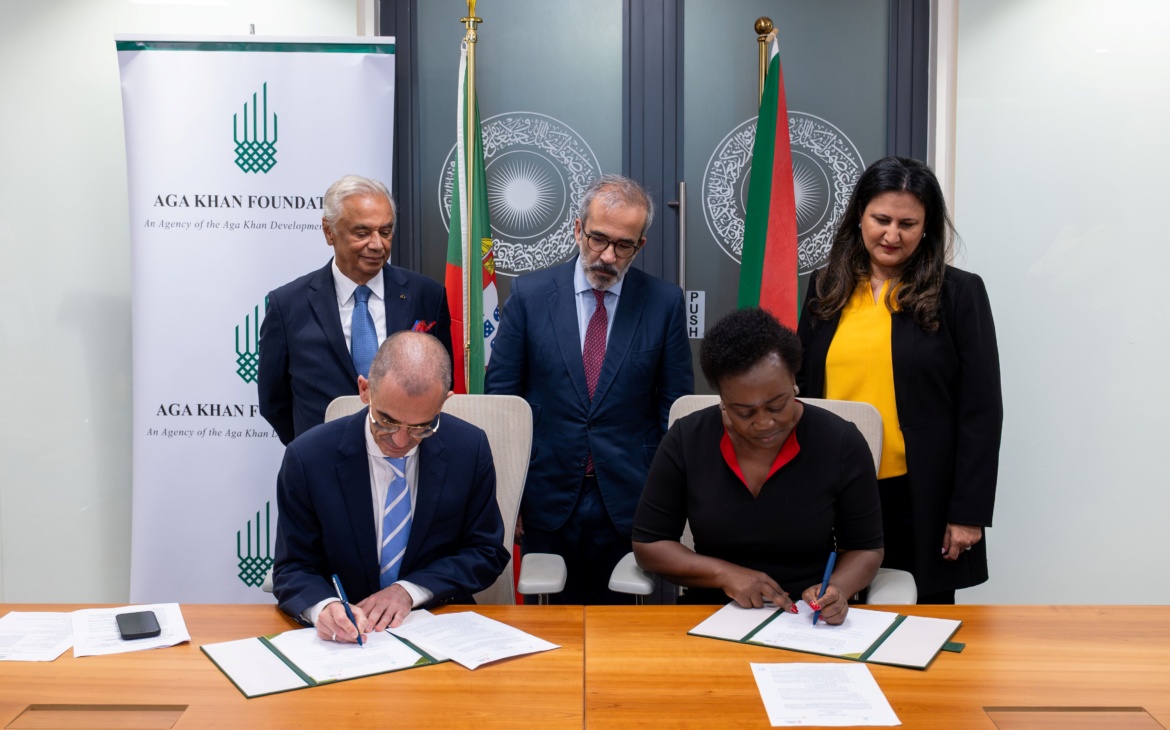
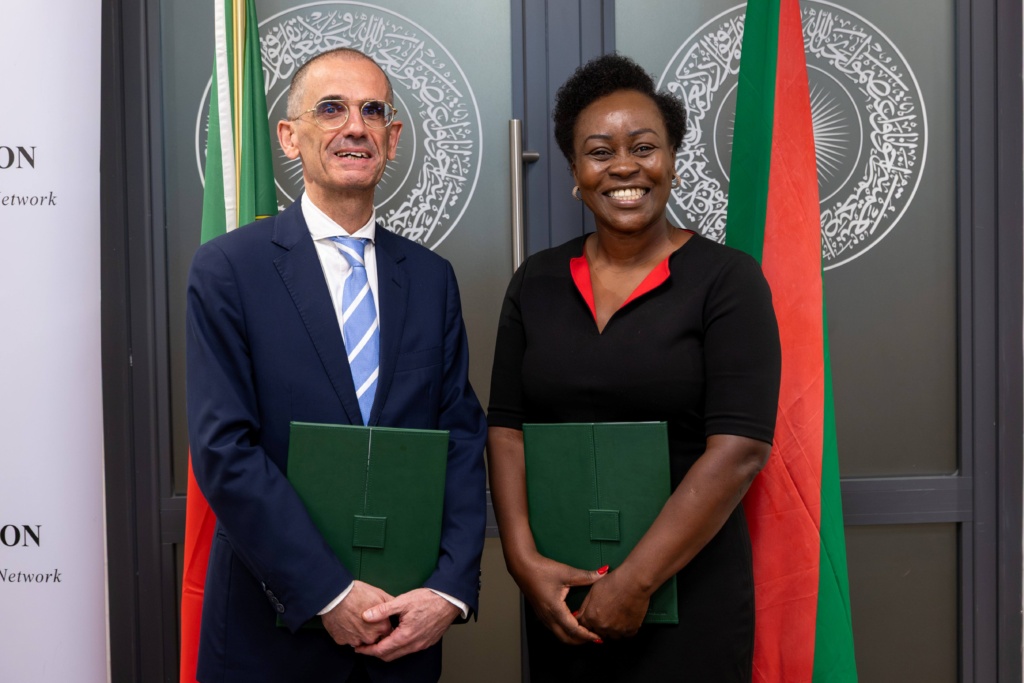
At the centre of the effort is a partnership between Aga Khan Foundation and the Camões Institute, formalised during a visit by Portugal’s Foreign Minister Paulo Rangel.
The initiative supports the Gazi Bay Coastal Restoration and Eco-Tourism Initiative (G-CORE), which links ecosystem recovery with income generation along Kenya’s coast.
The programme targets the planting of approximately 65,000 mangrove seedlings across six hectares in its initial phase, feeding into a wider goal of restoring 226 hectares of degraded mangrove forest.
Speaking on the partnership, the Diplomatic Representative of the Aga Khan Development Network in East Africa, Amin Mawji, framed it as part of a broader commitment to resilience and inclusive growth:
“The Aga Khan Development Network remains committed to working with partners across sectors to advance climate resilience, environmental stewardship, and inclusive development across the regions it serves.”
He added that the collaboration reflects deepening international alignment, saying, “the visit by His Excellency Mr. Paulo Rangel… underscores the deepening engagement between Portugal, Kenya, and the Aga Khan Development Network and reflects a shared commitment to advancing sustainable development, climate resilience, and inclusive economic growth.”
The scale signals ambition, but also raises a central question: can ecological recovery keep pace with economic pressure?
The initiative extends far beyond tree planting. It includes training community members in conservation practices, upgrading eco-tourism infrastructure such as the Gazi Boardwalk, and strengthening local enterprises, with a deliberate focus on women and youth participation.
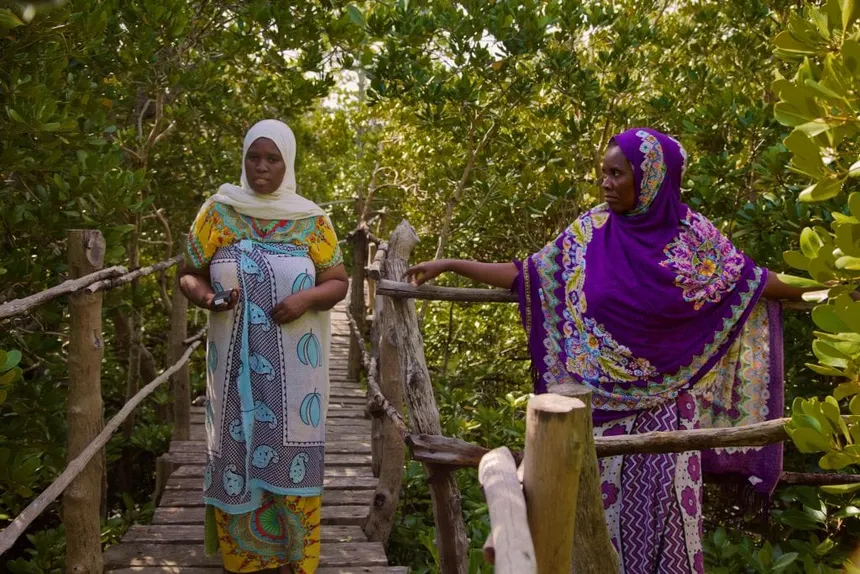
Gazi Bay sits within Kenya’s coastal ecosystem, an area increasingly affected by deforestation, altered hydrology, and coastal erosion.
Climate pressures, including rising sea levels and stronger storm surges, have accelerated degradation, undermining both biodiversity and traditional livelihoods such as fishing and small-scale coastal trade.
In response, the G-CORE initiative is positioning mangroves not only as environmental assets, but as economic infrastructure.
Healthy mangrove forests store carbon, protect shorelines, and support fish breeding grounds—all of which carry direct economic value for coastal communities. The idea is that restoration, if managed well, can generate long-term returns that outweigh short-term exploitation.
Eco-tourism infrastructure, such as the Gazi Boardwalk, is expected to convert conservation zones into income-generating assets, anchoring protection in local economic value.
Portugal’s involvement through the Camões Institute adds a layer of international climate cooperation to the project, aligning with shared priorities on marine conservation, climate adaptation, and the expansion of Kenya’s blue economy. The funding is partial, but strategically placed within a wider climate resilience framework.
Yet the ambition comes with pressure. Restoring 226 hectares is not simply a technical exercise in planting seedlings. It requires long-term stewardship, sustained community buy-in, and protection against the same economic forces that contributed to degradation in the first place.
The bet is simple but high-stakes; if communities can earn from protecting mangroves, they will have a reason to sustain them.
But that bet will only hold if restoration translates into measurable and inclusive economic benefit—particularly for women and youth who sit at the centre of the programme’s livelihood strategy. Without that, the 226-hectare target risks remaining a statistic rather than a transformation.
Read Also: Brazil Amazon Highway Plan Threatens Forest Protection


