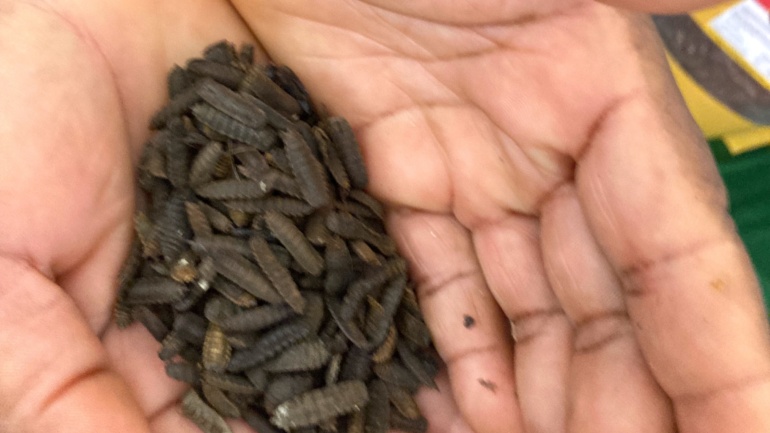
The first time Meliha Sumar, an entrepreneur and founder of Kapok Collective, discovered something worth selling, she says it was by chance. At 19, while travelling through rural Tanzania, she recalls coming across seaweed farms she hadn’t even known existed.
Driven by her curiosity, she bought a small batch for $3. Once in the urban centre, she sold it for $25. It was a small move, but one that unknowingly laid the foundation for her business journey.
“I never imagined myself as an entrepreneur,” she says. “I thought I would go into activism or politics.” Yet when that one-off trade turned her focus into a steady search for opportunities, she made an unconventional decision: skip university and build a business instead.
Today, she leads the People and Planet Group, an umbrella company behind two consumer brands, Kapok Collective and Natural Living, operating across Kenya, Tanzania, the United Kingdom, and South Africa. The business has launched over 11 products and works with a network of 75 rural producers, reaching more than 2,000 customers.
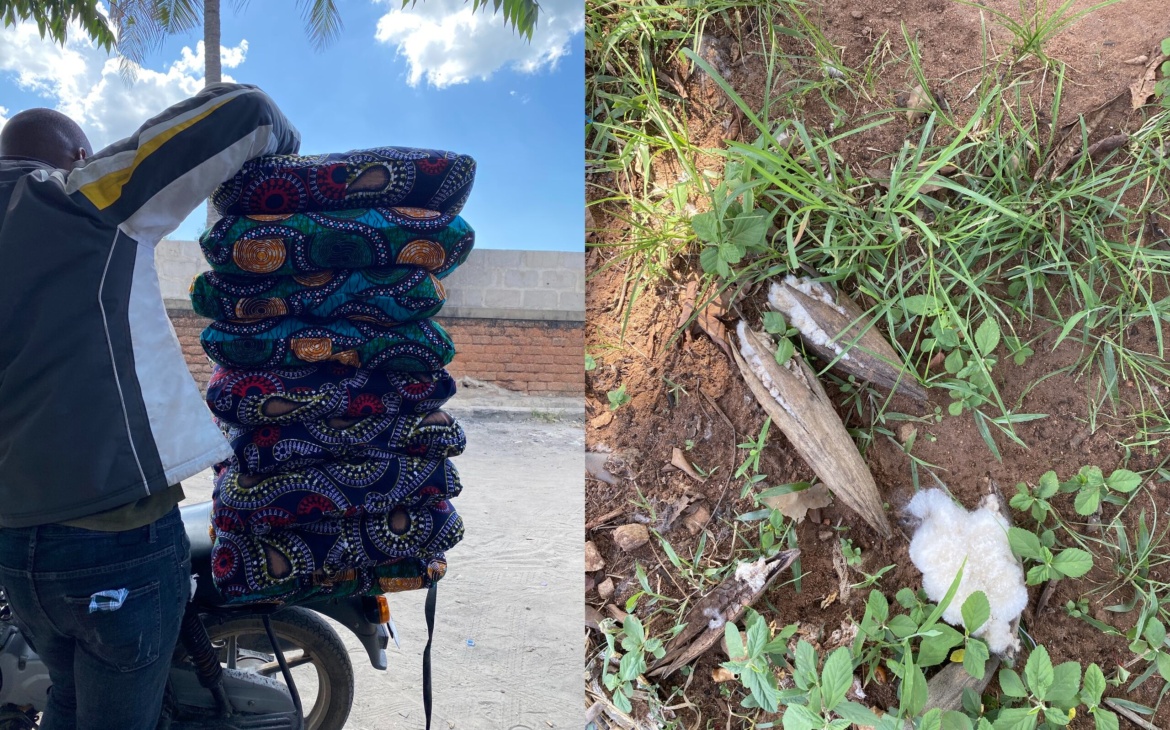
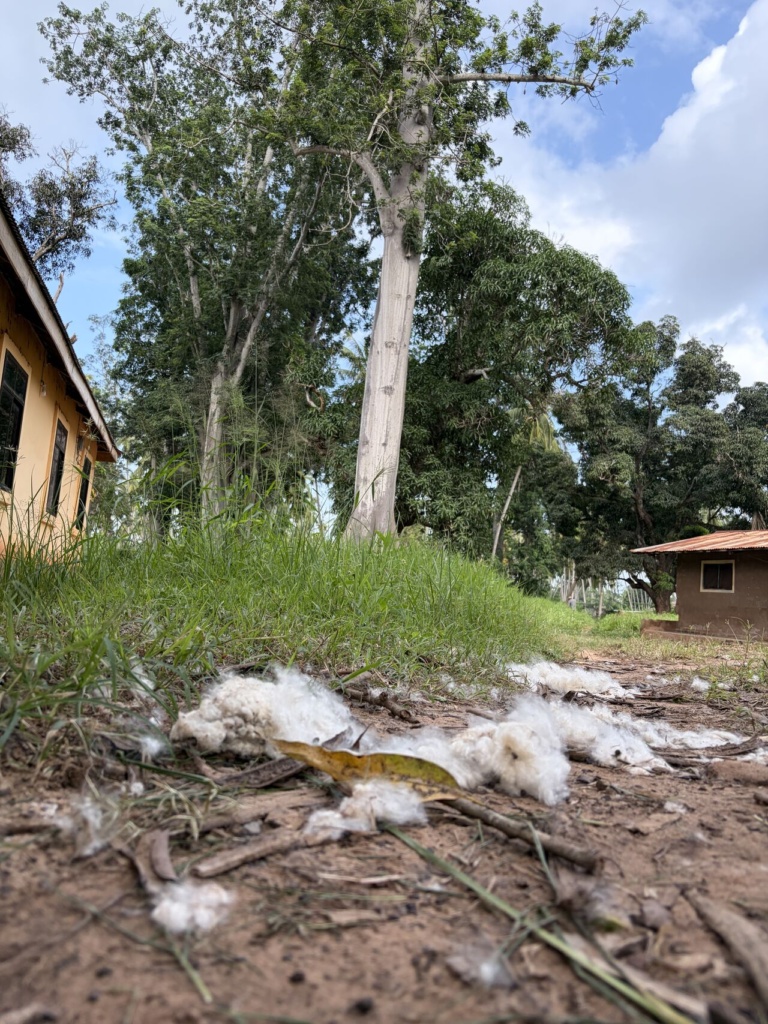
Her next idea would come while on the road. Driving through northern Tanzania, Meliha noticed a strange white fiber scattered across the ground.
She stopped, stepped out of the car, and picked some of it up. She was told it was kapok, known locally as pamba za sufi, a natural fiber from trees planted during the colonial era but largely ignored in modern markets.
Her interest was piqued. It marked the beginning of a journey that has seen Kapok Collective grow and carve a space in sustainable markets.
“I started researching it and saw that elsewhere in the world, people use it for soft furnishings,” she says. She tested the idea close to home. After giving her sister the fiber to fill beanbags, the customer’s response was immediate.
“That’s when I realized this could replace synthetic materials.”
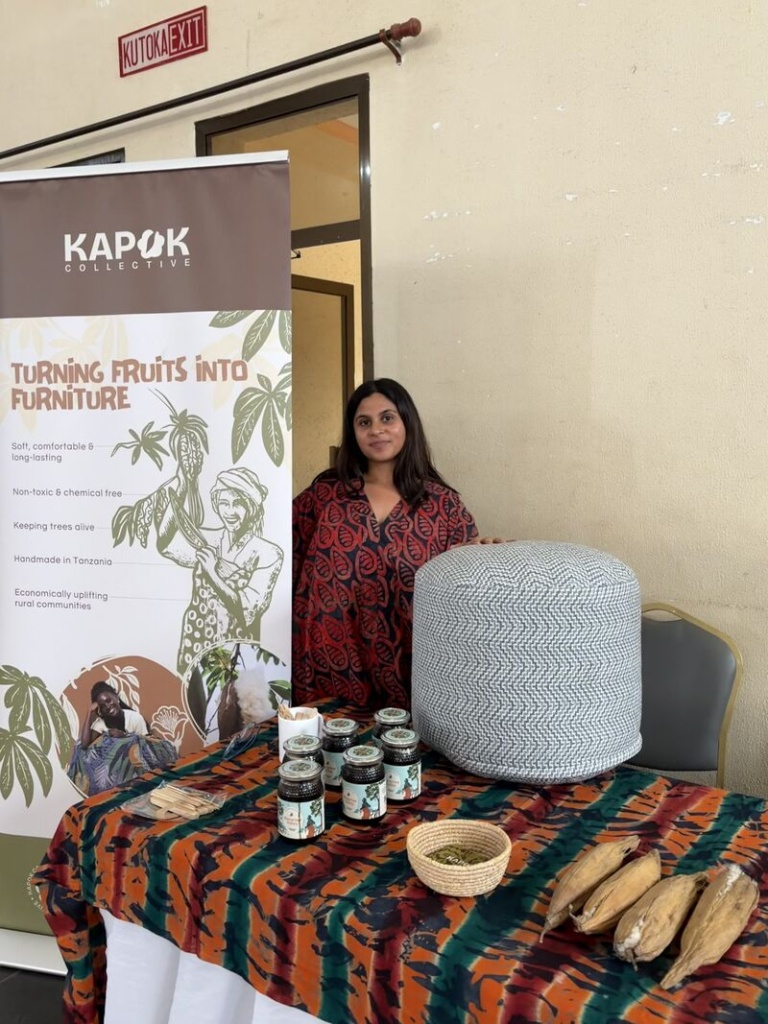
Kapok is lightweight, biodegradable, and naturally insulating, qualities that position it as an alternative to plastic-based stuffing used in furniture and textiles. Kapok Collective has already begun supplying products to hotels in Zanzibar, with ambitions to scale Tanzania’s presence in the global sustainable materials market.
Linking Nature to Livelihoods
Beyond product innovation, the business is built around a structural gap: rural communities with natural resources but limited access to markets.
In some of the areas Meliha works in, monthly incomes range between 10,000 and 70,000 Tanzanian shillings. Kapok harvesting is beginning to shift that reality.
One producer, she notes, increased earnings from 70,000 Tanzanian shillings per month to 3 million shillings over six months of harvesting. In some cases, incomes have risen by up to 400 percent.
“A lot of these communities rely on subsistence farming,” she says. “Which takes long durations to mature and harvest. There is very little access to a consistent income. Through Kapok, we are offering another opportunity to earn.”
The environmental impact runs alongside the economic one. Historically, kapok trees have been cut down for timber, a one-time return. By creating demand for the fiber, the business offers a recurring income stream tied to keeping trees standing.
“Instead of cutting them down, communities are now harvesting the fruit. We are keeping these trees alive.”
Scaling Challenges
Building a market for a largely forgotten product comes with constraints, as supply remains inconsistent. Kapok is seasonal, and without sufficient capital to pre-purchase and store large volumes, scaling production has been slow.
There is also a lack of baseline data. Tanzania does not have clear figures on kapok tree coverage or production potential, information critical for positioning the country as a global supplier.
“If we want to scale this industry, we need to understand the resource,” Meliha says. “That data should exist.”
Trust is another hurdle. Convincing communities to adopt a new income stream, especially one led by a young entrepreneur, takes time. “People want to be sure it will actually improve their lives.”
At the same time, demand is growing faster than the business can reach suppliers. In some areas, kapok trees are still being cut down due to a lack of awareness or immediate financial pressure.
“It’s a race,” she says. “As we build demand, the resource is still being lost in places we haven’t reached.”
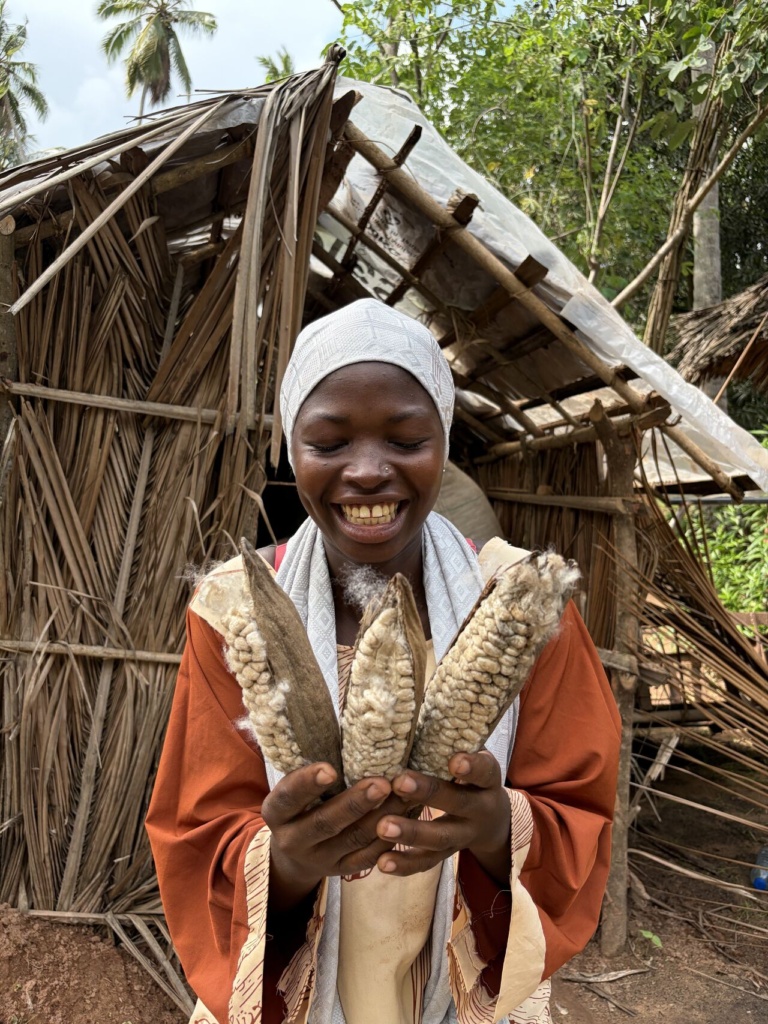
To address this, the company is exploring GIS mapping of kapok tree distribution and developing low-cost processing tools to reduce the labour required to separate fiber from seeds.
A Business Case for Conservation
“I think the biggest achievement is proving that conservation can be profitable,” she says. “That a business can be good for people, good for the planet, and still make money.”
Her message is rooted in observation: many of the solutions already exist within local ecosystems. “Nature has the answers. We just need to pay attention to what has always been there.”
She also sees untapped opportunity beyond urban centres. “Too many young people are looking to cities,” she says. “But if you go to rural areas, you find resources that haven’t been explored.”
Seaweed offers a clear example. Once introduced as a small-scale activity, it is now one of Zanzibar’s leading sources of income. “Someone started it,” she says. “It wasn’t a system. It was an idea.”
For Meliha, that idea, of building value from overlooked natural resources, is no longer theoretical. It is the foundation of a growing enterprise linking forests, markets, and livelihoods.