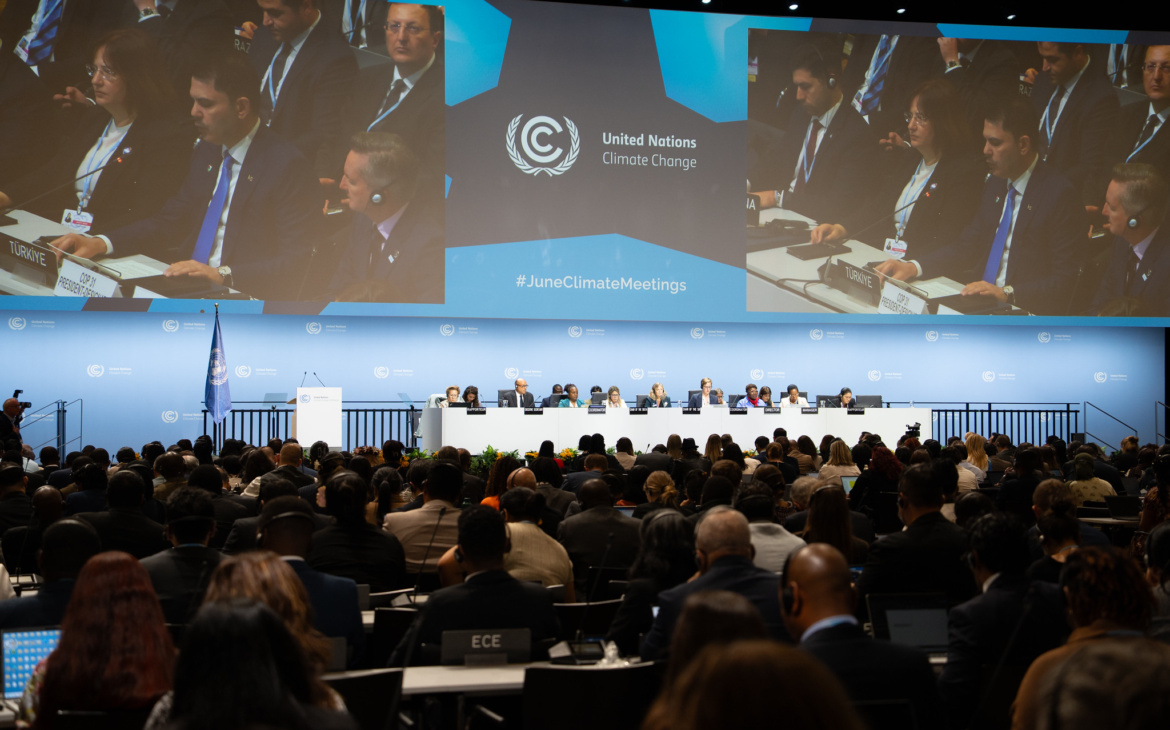
The 64th session of the Subsidiary Bodies (SB64) under the UN Framework Convention on Climate Change (UNFCCC) opened in Bonn on Monday, bringing together more than 5,000 delegates for two weeks of technical negotiations aimed at advancing global climate implementation.
The SB64 session comes at a critical midpoint between COP30 and COP31, as the global climate agenda shifts from ambition-setting toward implementation. Discussions in Bonn are expected to help translate decisions from COP30 into actionable outcomes across key negotiation tracks.
Following COP30, the international climate process has entered what many describe as a decisive implementation phase, with increased emphasis on delivering practical solutions rather than new commitments alone.
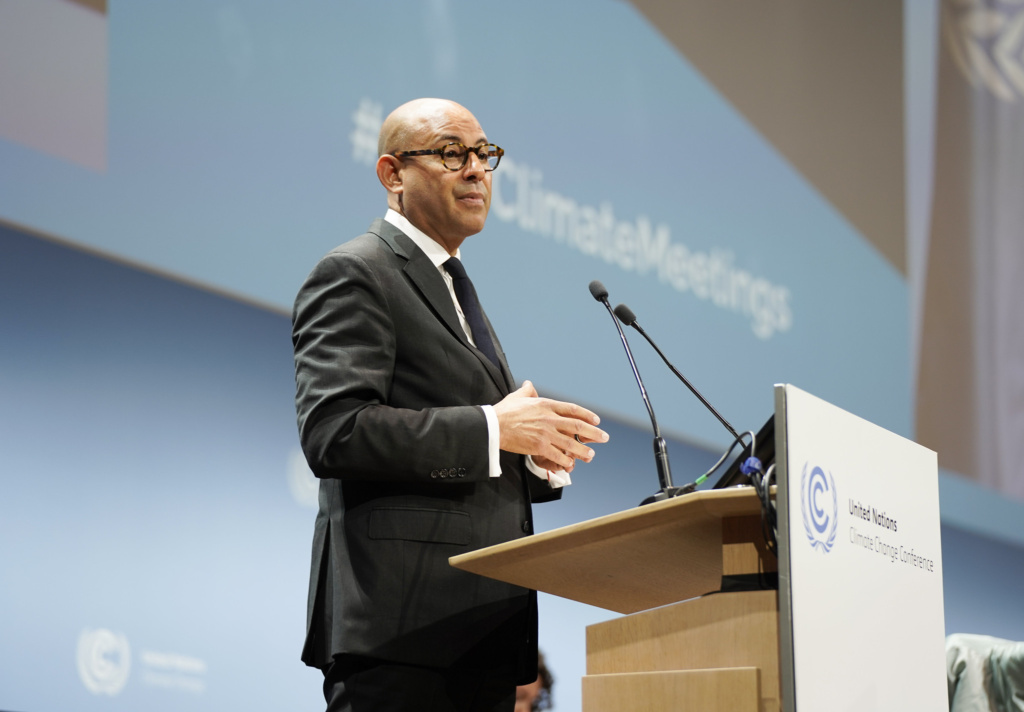
UN Climate Change Executive Secretary Simon Stiell emphasized the urgency of the moment, describing climate action as “the hardest, but most important, thing humanity has ever tried to do together.”
“It is worth doing, because we have no choice. Every economy and population depends on it. All of you here have chosen to dedicate yourselves to that task,” Stiell said, commending negotiators and delegates for their continued engagement.
He added that the process must accelerate in both speed and scale, noting that progress from Bonn will feed into upcoming milestones, including COP meetings in the coming years and the Global Stocktake process.
Key Issues on the Bonn Agenda
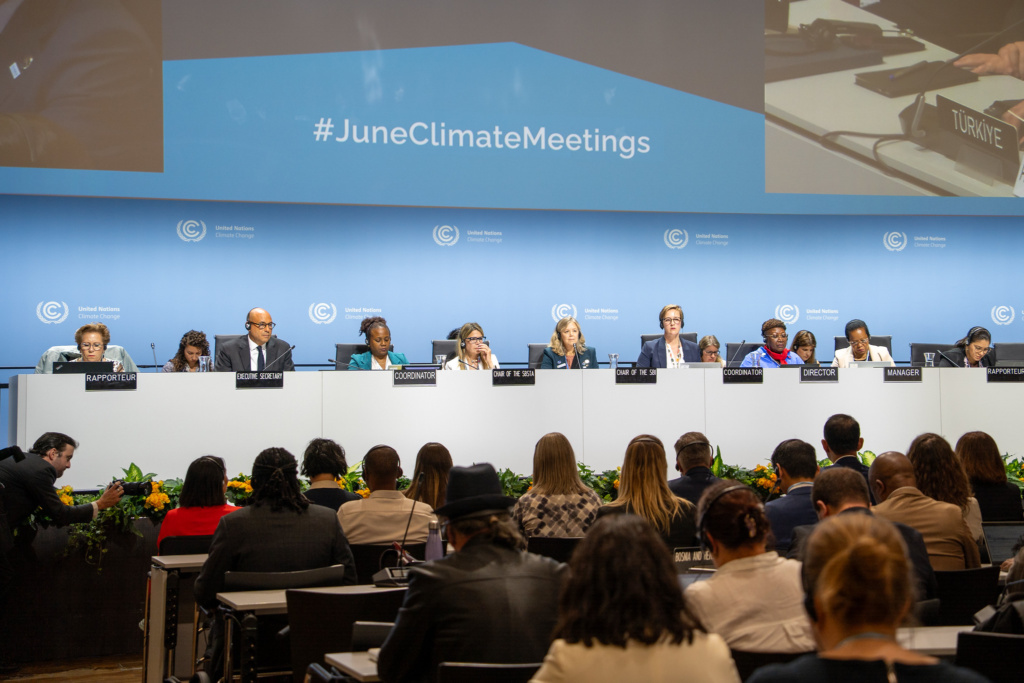
Negotiators in Bonn are expected to advance several technical workstreams, including the Global Goal on Adaptation and the development of adaptation indicators under the emerging framework linked to the Global Stocktake.
Discussions will also focus on operationalising a just transition mechanism aimed at supporting countries in aligning climate action with social and economic priorities.
Climate finance remains another central issue, with parties working on strengthening the climate finance work programme and enhancing access to adaptation funding, including through the Adaptation Fund.
Additional agenda items include reviews of ongoing work programmes and efforts to better align technical negotiations with real-economy implementation.
The talks are taking place against a backdrop of intensifying climate impacts, including extreme heat events and El Niño-related disruptions that continue to strain food systems, infrastructure, and public health.
At the same time, geopolitical tensions and energy market instability are adding pressure to global economies, reinforcing debates over fossil fuel dependency and long-term energy security.
A key point of contention heading into SB64 is the lack of agreement at COP30 on a formal roadmap for transitioning away from fossil fuels, a gap that continues to divide parties.
A move that not only showed the willingness of 57 countries to implement the transition away from fossil fuels, but also had it placed on the table in rooms where ambition is negotiated, changes what is politically possible through the Santa Marta Conference.
The absence of a structured transition pathway remains a concern for many observers, who warn that delayed action could increase exposure to climate-related disasters and economic shocks.
Stiell also highlighted the importance of complementing formal negotiations with broader climate action involving governments, cities, businesses, and civil society.
COP30 launched six thematic axes under the Global Climate Action Agenda, aimed at aligning implementation with the Global Stocktake and accelerating progress in areas such as energy security, food systems resilience, waste reduction, and methane mitigation.
“Strengthening the resilience of your cities and tackling methane, to avoid deadly tipping points,” he said.
Author Profile

-
Seeker.
Inspire AFRIKA.
Latest entries
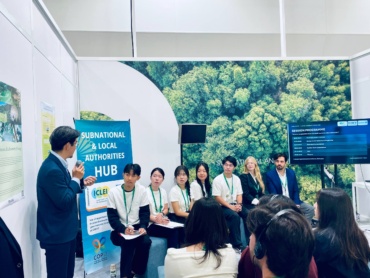 Biodiversity23 October 2026Inside Kobe’s Grassroots Effort to Train the Next Generation of Biodiversity Leaders
 Animals23 October 2026As COP17 Meets, World’s Rarest Great Ape Faces a Make-or-Break Test in Indonesia
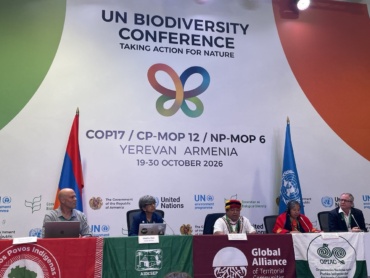 Biodiversity22 October 2026One in Five Tropical Biodiversity Sites Overlapped by Mining Concessions, COP17 Report Finds
 Biodiversity21 October 2026COP17 Opens in Armenia with Global Biodiversity Progress Under Scrutiny