
Türkiye and Ethiopia have begun laying the groundwork for closer climate cooperation ahead of the next two UN climate conferences, with discussions focusing on circular economy solutions, climate finance, resource efficiency and Africa’s sustainable development priorities.
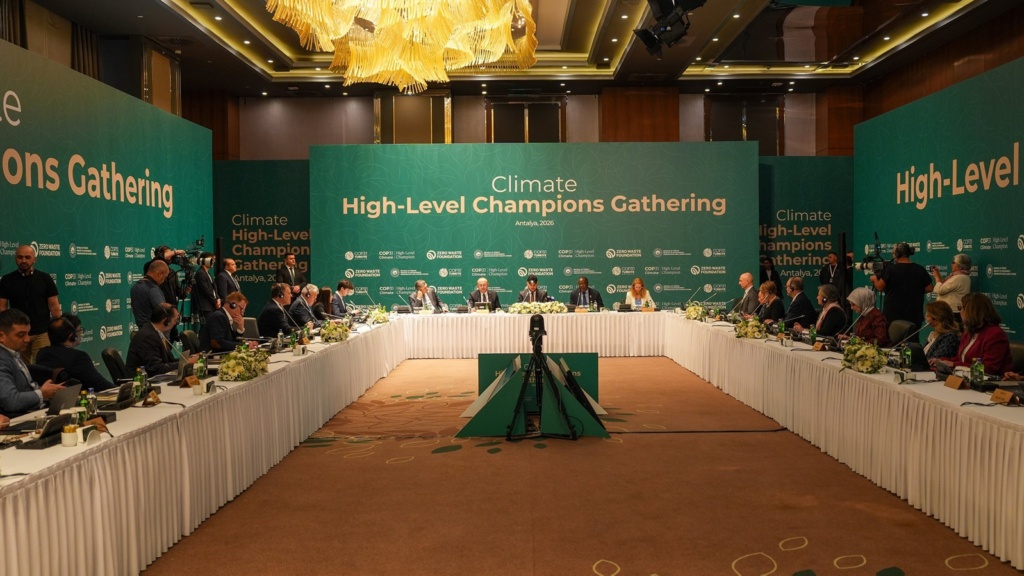
During a series of meetings in Addis Ababa on 16 June, President of the Zero Waste Foundation and COP31 High-Level Climate Champion Samir Ağırbaş met senior Ethiopian government officials, diplomats and regional leaders to explore how the two countries can work together on practical climate action while strengthening Africa’s voice in global climate negotiations.
The engagements also marked the start of a joint working process between the Zero Waste Foundation and the Government of Ethiopia, positioning Addis Ababa as a key point of collaboration as the world prepares for the transition from COP31 to COP32.
Ağırbaş opened his programme with Ethiopia’s Minister of Foreign Affairs and COP32 President Gedion Timothewos, where discussions centred on preparations for an Africa meeting under the Zero Waste Forum.
The two sides explored opportunities to strengthen cooperation on climate resilience through resource efficiency, circular economy approaches and regional coordination.
The discussions come as African countries continue to push for greater access to climate finance, stronger adaptation support and more inclusive decision-making within international climate processes.
Linking climate diplomacy with development priorities
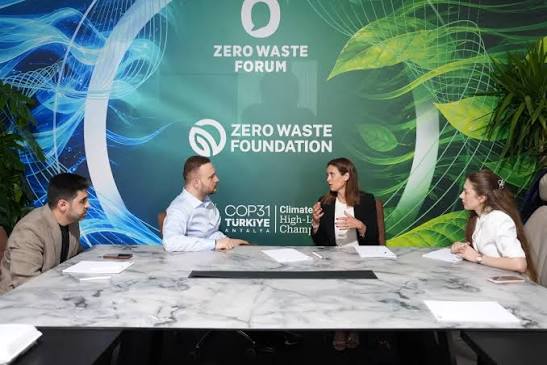
Ağırbaş later met Türkiye Ambassador to Ethiopia and Permanent Representative to the African Union, Berk Baran, to discuss preparations for the Zero Waste Forum and ways of expanding environmental cooperation with the African Union.
He also held talks with Australia’s Ambassador to Ethiopia, Dr. Peter Hunter, where the focus was on strengthening multilateral collaboration involving the African Union, the United Nations Economic Commission for Africa (UNECA) and other regional institutions.
At UNECA, Executive Secretary Claver Gatete highlighted issues that continue to shape Africa’s climate agenda, including climate resilience, access to climate finance, resource efficiency and stronger representation in global climate negotiations.
These priorities are expected to inform the planned Africa meeting under the Zero Waste Forum, which aims to bring together governments, international organisations, local authorities, academia, civil society and the private sector.
The platform is intended to advance discussions on waste management, sustainable cities, green development and financing while helping elevate Africa’s priorities within the global climate agenda.
Ağırbaş also met Ethiopia’s Minister of Planning and Development, Dr. Fitsum Assefa, with discussions focusing on the country’s climate-resilient green economy strategy, renewable energy investments, sustainable land management, ecosystem restoration, and broader green development policies. The meeting also explored opportunities for joint projects and capacity building between Ethiopia and the Zero Waste Foundation.
The Zero Waste Movement, launched under the patronage of Türkiye, Emine Erdoğan, Honorary President of the Zero Waste Foundation and Chair of the UN High-Level Advisory Board on Zero Waste, has increasingly been promoted as a model for improving resource efficiency, advancing circular economy practices and supporting sustainable development.
Through the Zero Waste Forum and its engagement in the lead-up to COP31, the Foundation says it hopes to strengthen implementation-focused climate action and build stronger links between global climate diplomacy and Africa’s development priorities as preparations for COP32 begin.


