When people talk about sustainability in floriculture, the conversation often starts with what happens in the greenhouse. How much water is being used? How are pests being controlled? What is the carbon footprint of production? How much plastic is in the supply chain?
All these questions matter. But there is another side of sustainability that is receiving increasing attention: the people who make the flowers possible.
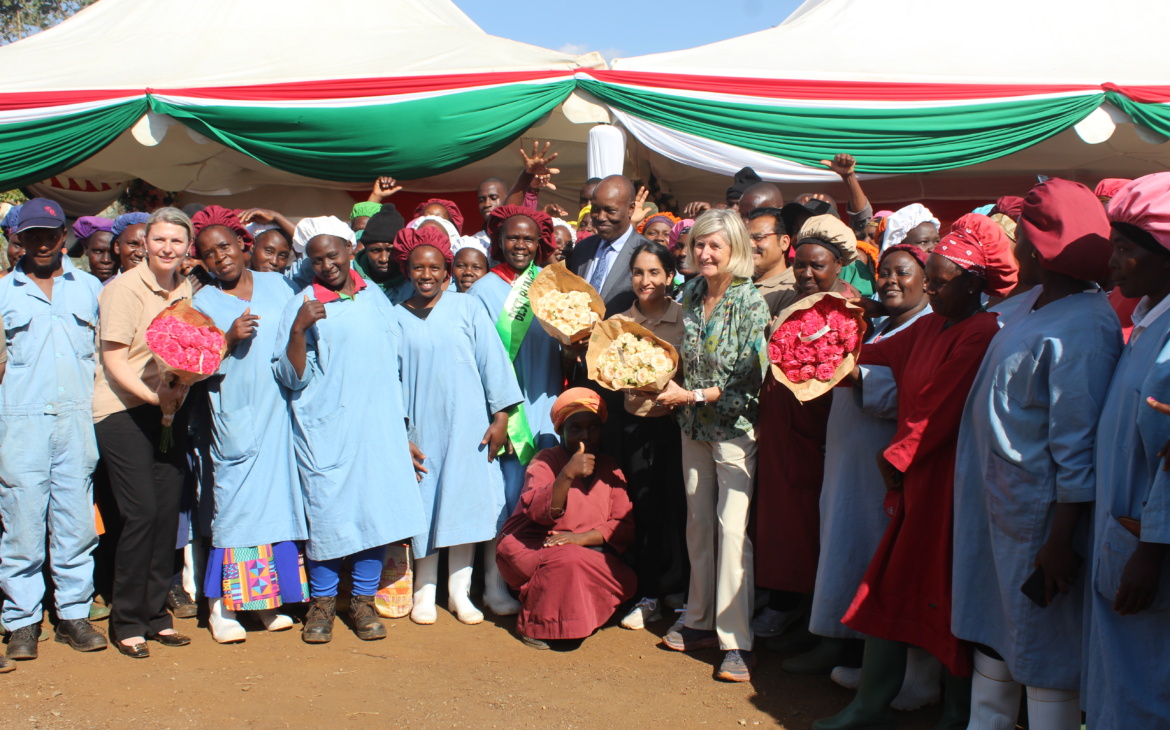
Behind every bouquet exported from Kenya, Ecuador, Ethiopia or Colombia are thousands of workers who plant, prune, harvest, grade and pack the flowers that brighten homes and celebrations around the world. A flower farm cannot truly be sustainable if it protects the environment but neglects the people working within it.
The social side of sustainability, fair wages, safe working conditions, equality, dignity, and employee wellbeing, has become a key measure of responsible flower production.
Flowers Are Built by People
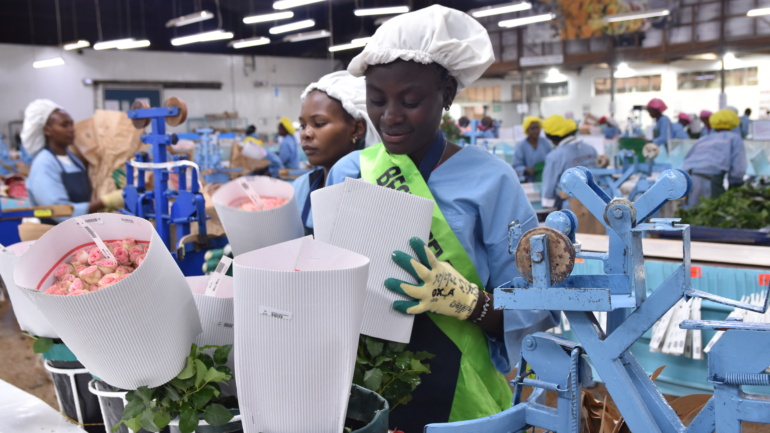
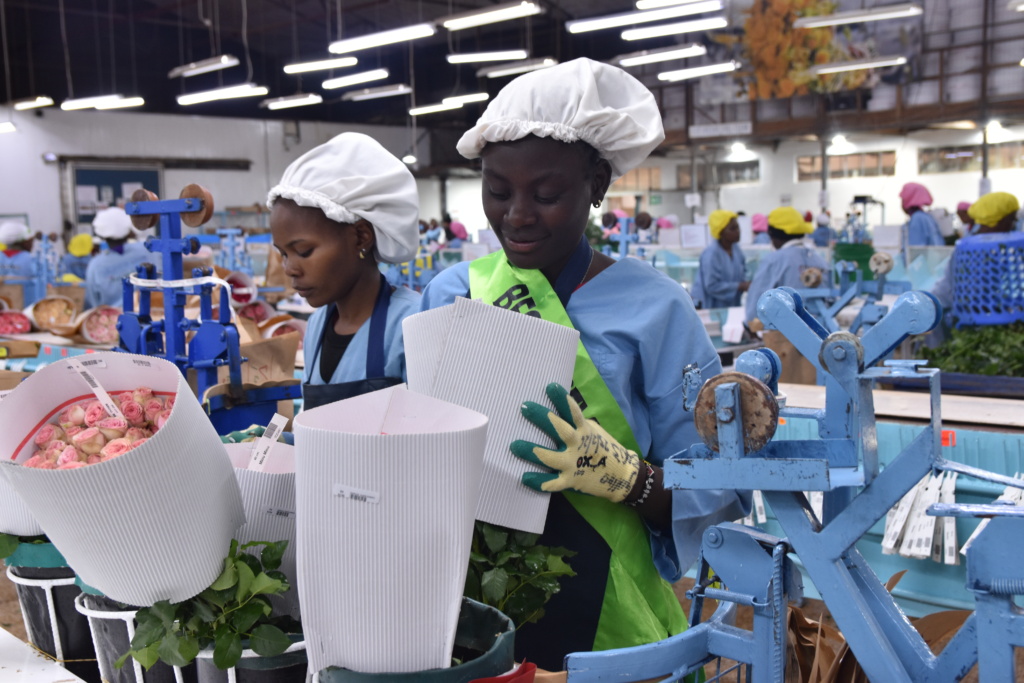
The global flower industry is highly labour-intensive. Unlike many agricultural commodities that are increasingly mechanised, cut flower production still depends heavily on skilled human hands. Workers carefully select stems, remove leaves, manage quality and prepare flowers for demanding international markets where every detail matters.
In Kenya, where floriculture is one of the country’s most important export industries, the sector supports hundreds of thousands of livelihoods. The Kenya Flower Council estimates that the industry provides direct employment to around 200,000 people, with many more benefiting indirectly through transport, packaging, logistics and related services.
Women form a significant part of this workforce, particularly in harvesting, grading and packing operations. This makes issues such as workplace safety, equal opportunities and protection from discrimination central to sustainable flower production.
A farm can have the most advanced irrigation systems and the lowest chemical footprint, but if workers are not treated fairly, the sustainability story remains incomplete.
The Role of Standards and Certifications
As consumer expectations have changed, sustainability certifications have increasingly expanded beyond environmental practices to include social responsibility.
Standards such as Fairtrade International, GLOBALG.A.P. Integrated Farm Assurance, and the Floriculture Sustainability Initiative (FSI) Basket of Standards all place strong emphasis on worker welfare.
These programmes encourage farms to provide safe workplaces, prevent child and forced labour, improve employee rights and strengthen systems for worker engagement.
Fairtrade, for example, requires certified farms to meet strict social criteria, including fair treatment of workers, safe working environments and mechanisms that allow employees to participate in decisions affecting their welfare.
The Fairtrade Premium paid through the system can also support community projects chosen by workers, including education, healthcare and social development initiatives.
GLOBALG.A.P. standards require farms to demonstrate responsible labour practices, proper health and safety procedures and systems for managing workplace risks.
For flower growers supplying demanding European markets, these standards are no longer simply about obtaining a certificate on the wall. They have become part of maintaining market access and meeting the expectations of retailers and consumers.
Kenya’s Labour Laws: The Foundation of Worker Protection
Beyond international certifications, Kenyan flower farms operate within a national legal framework designed to protect employees.
The country’s employment regulations are guided by the Ministry of Labour and Social Protection and laws such as the Employment Act, 2007, the Occupational Safety and Health Act, 2007, and the Labour Relations Act, 2007.
These laws establish important protections, including written employment contracts, minimum employment rights, maternity protection, fair termination procedures and the right of workers to join trade unions.
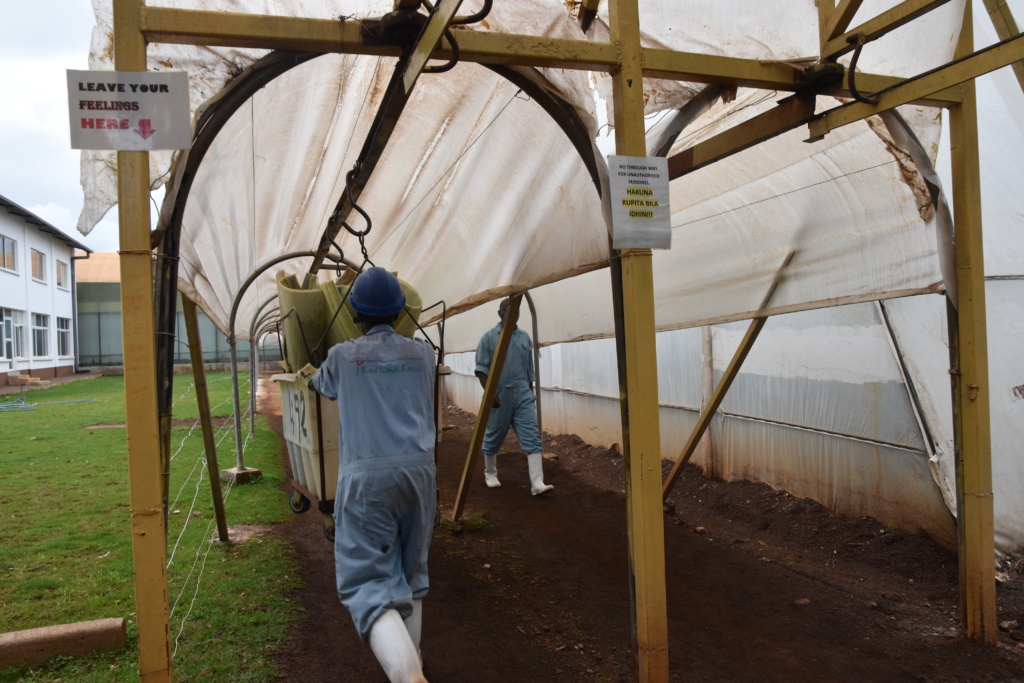
The Occupational Safety and Health Act requires employers to provide safe working environments, identify workplace hazards and take measures to protect employees from risks. In flower production, this is particularly important because workers may interact with chemicals, machinery, cold storage facilities and repetitive tasks that can create occupational risks.
Employers are also expected to provide appropriate protective equipment, safety training and health monitoring where necessary.
Unions and Worker Representation
Worker representation is another important part of sustainable employment.
Kenyan labour laws recognise the right of employees to form and join trade unions. In the flower sector, unions play a role in negotiating employment conditions, raising workplace concerns and promoting dialogue between employees and management.
A strong relationship between employers and worker representatives can help farms address challenges before they become major issues. It creates a channel where employees can raise concerns about wages, safety, working hours or workplace conditions.
Increasingly, responsible flower farms view employee engagement not as a compliance requirement but as a partnership. Workers who feel respected and valued are more likely to be committed, productive and proud of the flowers they produce.
Protecting Workers from Health Risks
One of the biggest areas where environmental and social sustainability meet is chemical management.
Flower production requires careful crop protection, but modern farms are increasingly reducing reliance on conventional chemicals through integrated pest management (IPM). Biological controls, monitoring systems and targeted applications help minimise unnecessary pesticide exposure.
Where crop protection products are used, worker safety becomes critical. International standards require proper training, protective clothing, safe storage facilities and procedures that reduce exposure risks.
Many certified farms also implement regular medical checks, workplace risk assessments and safety programmes to protect employees.
The result is a more responsible production system where protecting the crop and protecting the worker go hand in hand.
Women, Equality and Opportunity
Because women make up a large percentage of the floriculture workforce, gender equality has become an important part of sustainability discussions.
For many years, women were concentrated in entry-level roles such as harvesting and packing, while leadership positions were dominated by men. Today, more farms are investing in programmes that support women’s career development, leadership training and equal opportunities.
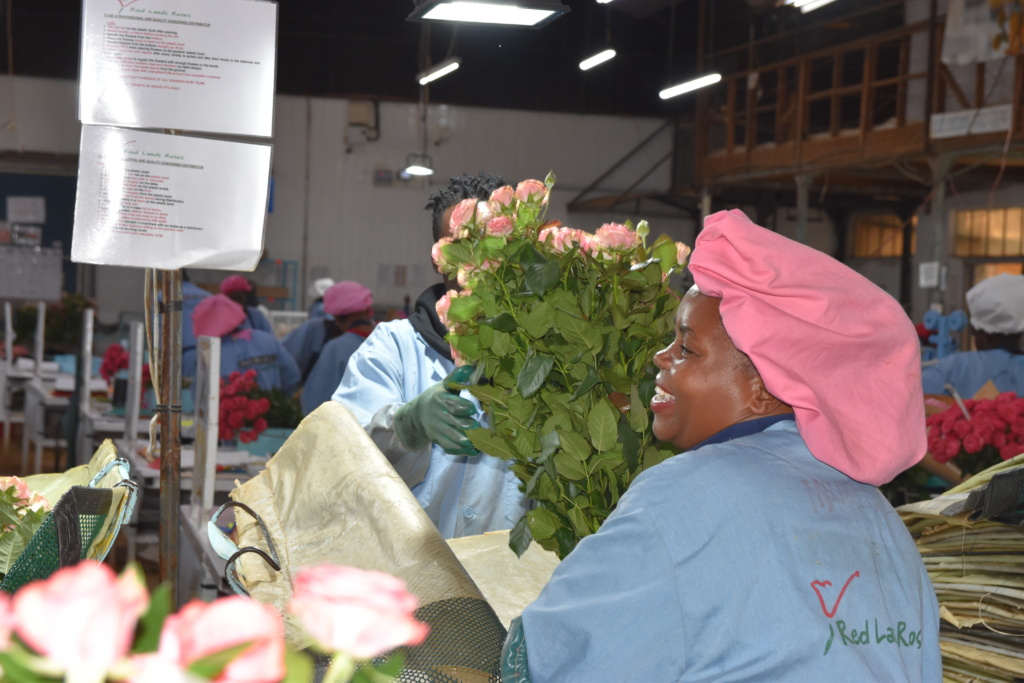
Certification systems increasingly encourage farms to address workplace discrimination, prevent harassment and create pathways for women to move into supervisory and management positions.
Gender equity is not only a social responsibility; it also strengthens businesses by bringing diverse skills, experiences and perspectives into decision-making.
A Business Advantage, Not Just a Moral Responsibility
Investing in employee welfare is often viewed as the right thing to do, but it also makes business sense.
Happy and healthy employees tend to be more productive. Better working conditions can reduce staff turnover, improve flower quality and strengthen operational efficiency.
There is also a growing commercial reason. Consumers, retailers and supermarkets are increasingly asking where their flowers come from and under what conditions they were produced. Ethical sourcing has become part of brand value.
Research across consumer markets shows that many buyers are willing to support products linked to responsible environmental and social practices. For flower exporters competing internationally, sustainability is no longer only about growing beautiful flowers. It is about proving that those flowers were produced responsibly.
The Future of Floriculture Sustainability
The flower industry has made significant progress in reducing environmental impacts, from smarter water management to biological crop protection.
The next stage of sustainability is recognising that people are at the centre of every successful farm. A truly sustainable flower is not only one that uses fewer resources or travels efficiently.
It is one grown by workers who are safe, respected, fairly treated and given opportunities to thrive. Because ultimately, sustainability is not just about protecting the planet where flowers grow. It is also about caring for the people who make those flowers possible.
Author Profile

- How can we learn if we don't question?
Latest entries
 Oceans22 October 2026Seamounts Under Threat: Can Governments Turn Ocean Promises into Protection?
 Events21 October 2026New Guide Links Animal Welfare to Biodiversity and Human Health
 COP1717 October 2026The World Has a Plan to Save Nature. Can It Deliver by 2030?
 Agriculture16 October 2026“There Is No Shortcut”: A Kiambu Grower’s Decade in Mushrooms