
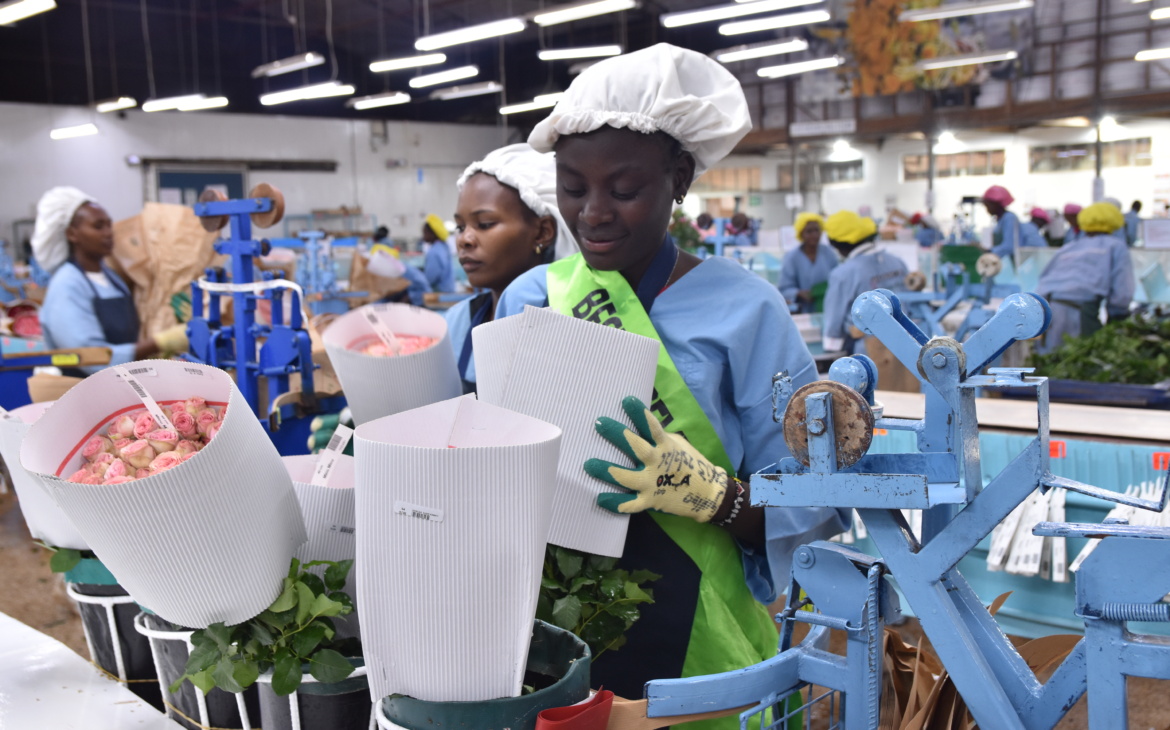
Kenya’s floriculture industry is confronting one of its most significant external shocks in recent years, as the escalating conflict in the Middle East disrupts critical air cargo corridors, inflates freight
costs, and destabilises export markets. What began as a geopolitical crisis has rapidly evolved into a full-scale logistics emergency for one of Kenya’s most vital export sectors placing growers, exporters, and policymakers under increasing pressure to respond.
A Strategic Corridor Under Siege
The Middle East occupies a central position in Kenya’s flower trade architecture. Beyond accounting for 10–15 percent of direct exports primarily to the United Arab Emirates and Saudi Arabia, the region functions as a pivotal global transit hub.
Gulf based carriers handle a significant share of airfreight linking Nairobi to Europe and beyond, making the region indispensable for the movement of perishable goods.
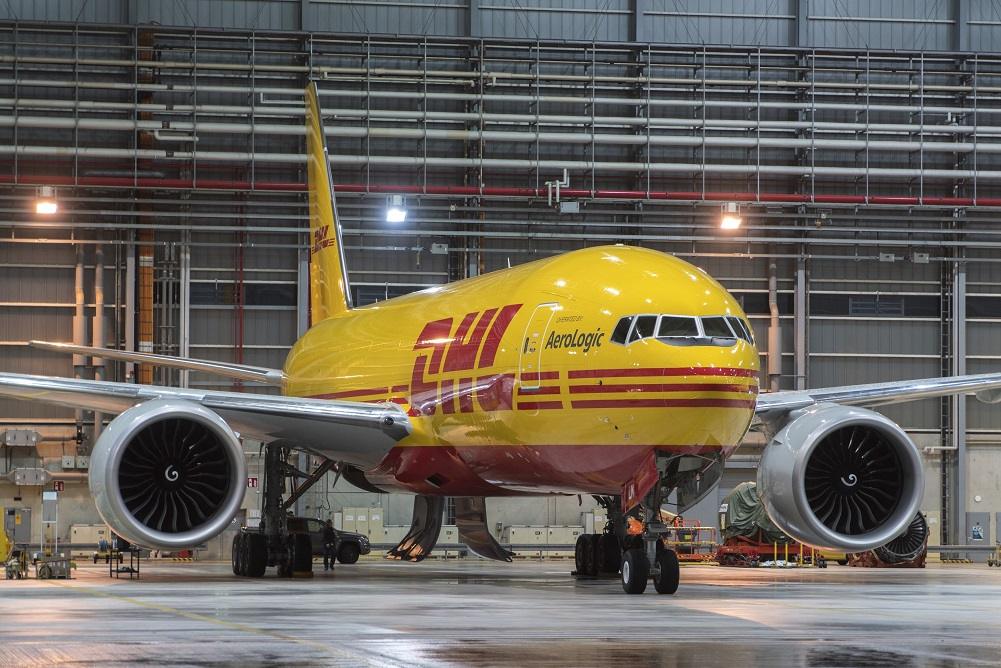
The disruption of this corridor has therefore had immediate and far-reaching consequences. Airspace restrictions and security concerns have forced airlines to reroute flights, reducing cargo capacity on key routes by up to 30 percent, while globally, an estimated 18–20 percent of airfreight capacity has been taken offline.
Rising Costs, Delayed Shipments
For an industry built on precision and speed, the implications are profound. Shipment delays of up to 48 hours are now common, while freight rates have surged to as high as USD 5.30 per kilogram driven by longer routes, elevated fuel prices, and war-risk surcharges. On Europe bound routes, costs have risen by more than 20 percent, eroding already tight margins.
These disruptions are not confined to Middle Eastern markets. Europe, Kenya’s largest destination, is equally affected due to its reliance on the same air cargo corridors. The result is a cascading effect across global supply chains, with some regions reporting cargo volume declines of up to 37 percent.
Quality, Competitiveness, and Farm Level Impact
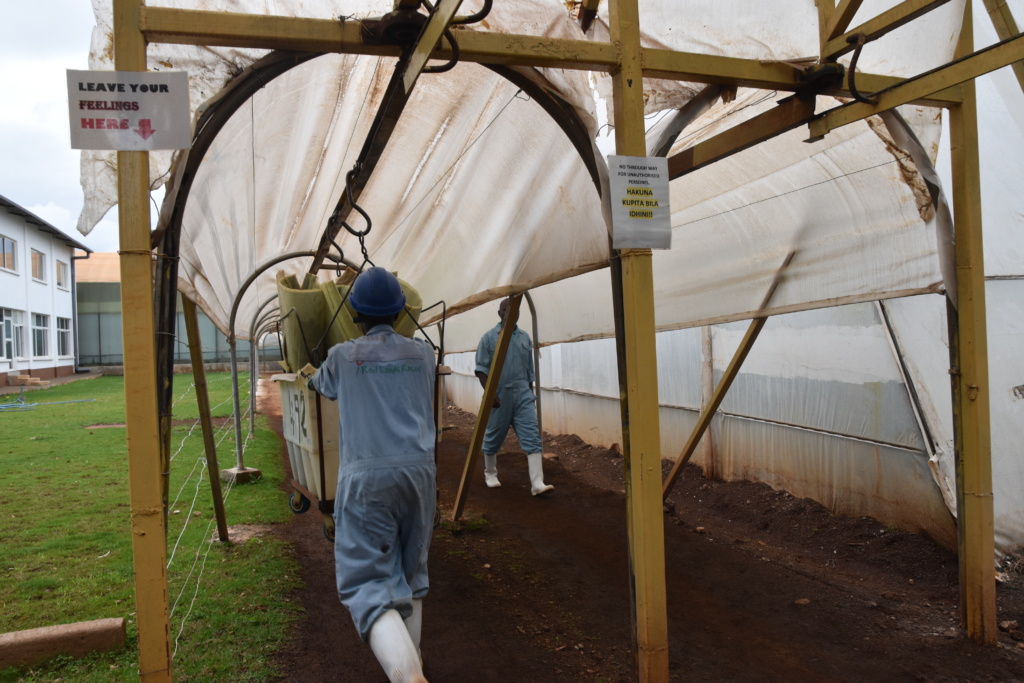
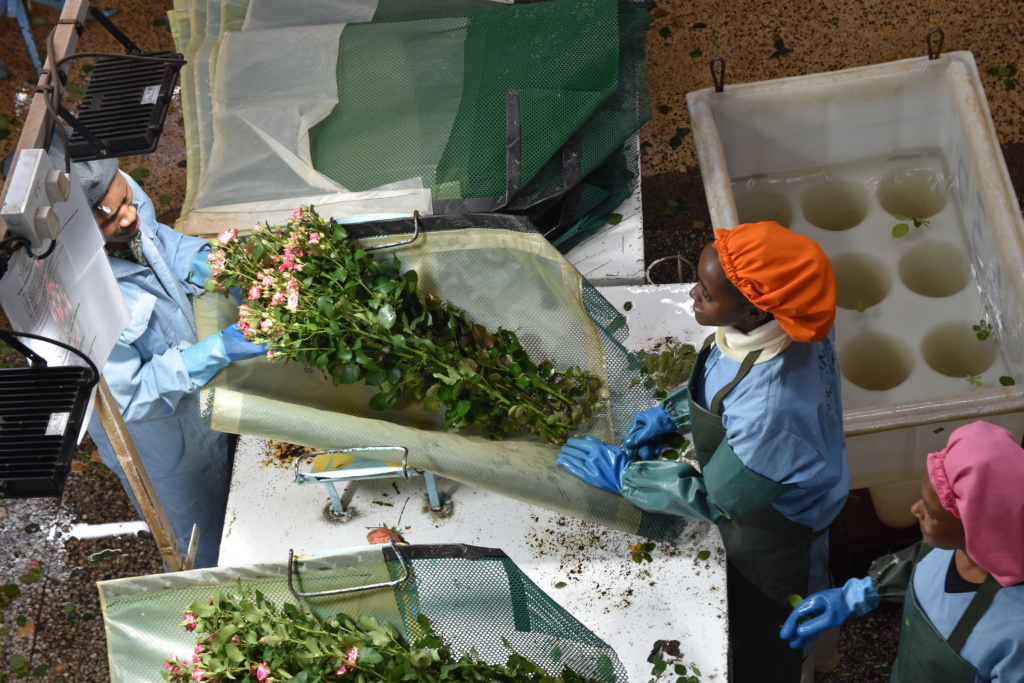
The perishable nature of flowers leaves little room for delay. Extended transit times directly compromise vase life, increase rejection rates, and depress auction prices. For growers, this translates into immediate financial losses and weakened market competitiveness.
Over the past three weeks alone, the industry has recorded losses estimated at USD 4.8 million (KES 220 million).
Of this, USD 2.1 million is attributed to product spoilage, while USD 2.7 million reflects reduced market prices due to delayed arrivals and compromised quality.
Farms with significant exposure to Middle Eastern markets have seen revenues decline by as much as 75 percent. Should the disruption persist, weekly losses could exceed USD 1.3 million placing particular strain on small and medium-sized enterprises that lack the financial buffers to absorb prolonged shocks.
National Economic Stakes
The implications extend well beyond the farm gate. In 2024, Kenya’s floriculture industry generated approximately USD 835 million in export earnings and supported hundreds of thousands of jobs across production, logistics, and allied services.
Sustained disruption therefore threatens not only foreign exchange inflows but also employment and rural livelihoods. The sector’s vulnerability underscores the broader economic risk posed by external shocks to global logistics systems.
Industry Mitigation Efforts
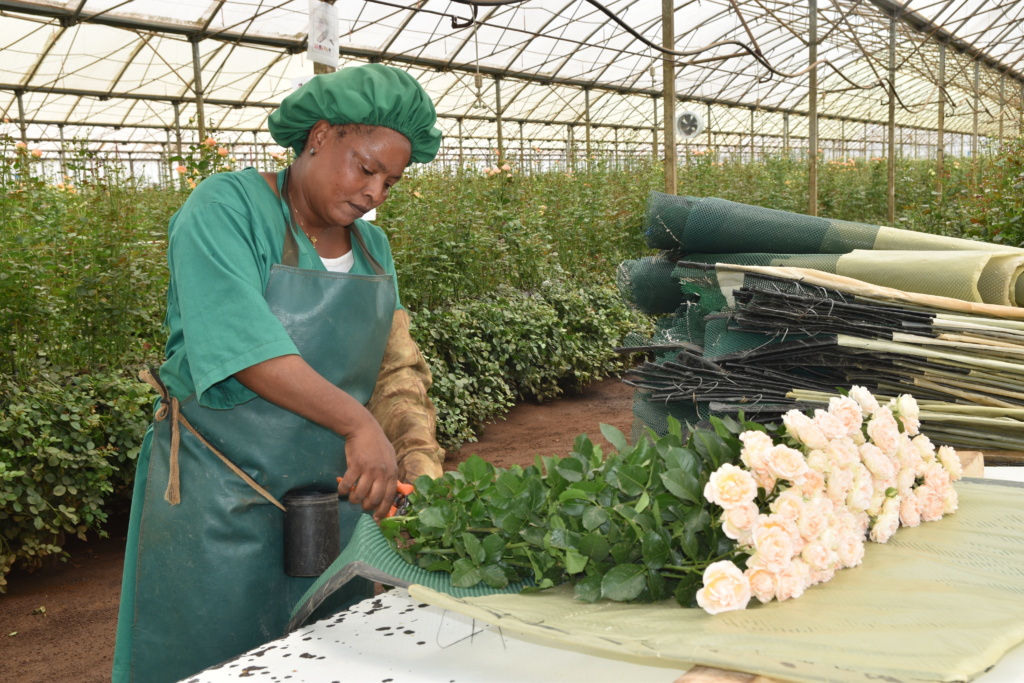
The Kenya Flower Council (KFC), in collaboration with exporters, airlines, and government agencies, is actively pursuing mitigation measures. These include securing approvals for ad hoc cargo capacity, advocating for direct flight options, prioritising perishables in available freight space, and enhancing real-time coordination across the logistics chain.
While these interventions are providing short-term relief, they remain constrained by the structural realities of a disrupted global airfreight system, echoing the volatility experienced during the COVID-19 pandemic.
Unlocking Liquidity
Amid escalating costs and constrained revenues, the industry is making an urgent appeal to government: the expedited release of pending VAT refunds.
Currently estimated at KES 10 billion, these refunds represent critical working capital for exporters. In the face of rising freight costs, reduced cargo capacity, and mounting losses, delayed VAT reimbursements are exacerbating cash flow pressures across the sector.
Timely disbursement would provide immediate liquidity, enabling growers to sustain operations, meet payroll obligations, and maintain production cycles. Conversely, continued delays risk triggering business closures, job losses, and long-term erosion of Kenya’s global competitiveness in floriculture.
Navigating Prolonged Uncertainty
If the Middle East conflict persists, the outlook remains challenging. Freight capacity is expected to stay constrained, with the potential for rates to double or even triple on affected routes. Alternative modes such as sea freight remain largely unviable for most flower categories, given extended transit times of up to 15 additional days.
The industry is thus entering a period defined by uncertainty, higher operating costs, and intensified competition.
While Kenya’s flower farms remain productive, the logistics backbone that connects them to global markets is under severe strain. The current crisis is a stark reminder of the sector’s dependence on stable and efficient airfreight systems.
Safeguarding the industry will require coordinated action both in managing immediate disruptions and in strengthening long-term resilience. For policymakers, the message is clear: timely financial support and responsive policy interventions are not optional; they are essential to sustaining one of Kenya’s most strategic export industries.
Source: Florinews
Read Also: Middle East Oil Disruption Raises Economic Concerns for Sub-Saharan Africa
Author Profile

- How can we learn if we don't question?
Latest entries
 Events12 October 2026Cybersecurity in the Floriculture Industry
 Opinion & Analysis8 October 2026Why Africa Must Look to What Already Exists in Its Blue Economy
 Agriculture5 October 2026The Search for a Smarter Way to Feed Crops
 Events30 September 2026The Goat, the Market and the Dryland: Heifer International’s Push for Livestock Resilience


