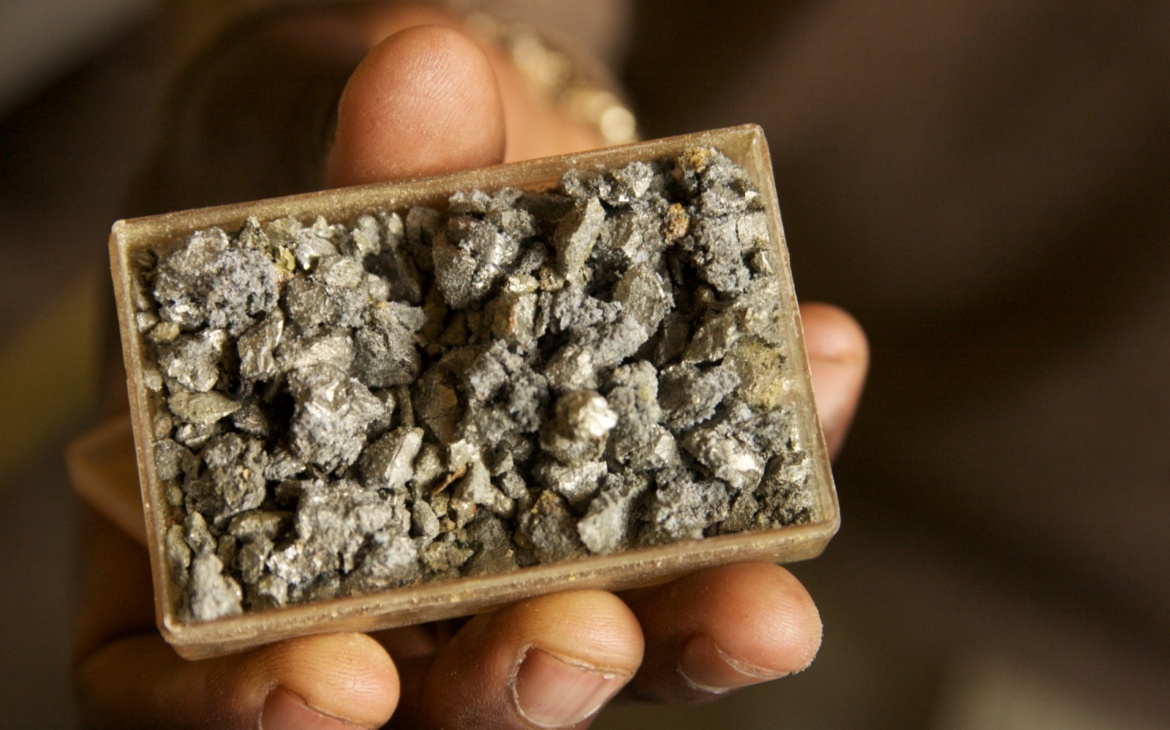
In February 2025, the Democratic Republic of Congo did something no major cobalt producer had done before: it stopped exporting the metal.
For four months, roughly 70 per cent of the world’s cobalt supply remained inside Congolese borders as buyers in China waited. The move came after cobalt prices had fallen 59.5 per cent between May 2022 and May 2025, from $41 a pound to $16.62. The price began climbing once the ban took effect.
“We did it because someone needs to regain control,” Louis Watum Kabamba, the DRC’s mining minister, told a Cobalt Institute roundtable in New York in September 2025.
In October, the export ban became a quota system. Shipments for 2026 and 2027 were capped at 96,600 tonnes, about half the volume exported in 2024.
The squeeze quickly showed up in prices. Cobalt hydroxide, which averaged $5.80 a pound in January 2025, was about 340 per cent higher year on year by early 2026, according to Fastmarkets data.
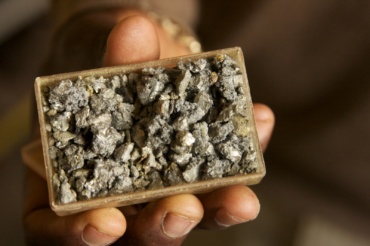
The DRC had found a lever few commodity exporters get to pull. But it still lacked something more fundamental: a single functioning cobalt refinery.
That gap captures the problem facing Africa’s critical minerals sector.
Congo mines the ore. China processes it into the battery-grade sulfate used in electric cars and phones. Chinese companies already own or finance about 80 percent of the DRC’s industrial cobalt production, according to a May 2026 analysis by the Lobito Corridor Observatory.
China Molybdenum alone produced 117,549 tonnes in 2025, more than the DRC’s entire two-year export quota.
China also controls close to 80 percent of global cobalt refining capacity. The ore leaves Congo as hydroxide. Much of the value comes back as sulfate, priced in a market Congo does not control.
The same pattern appears across Africa.
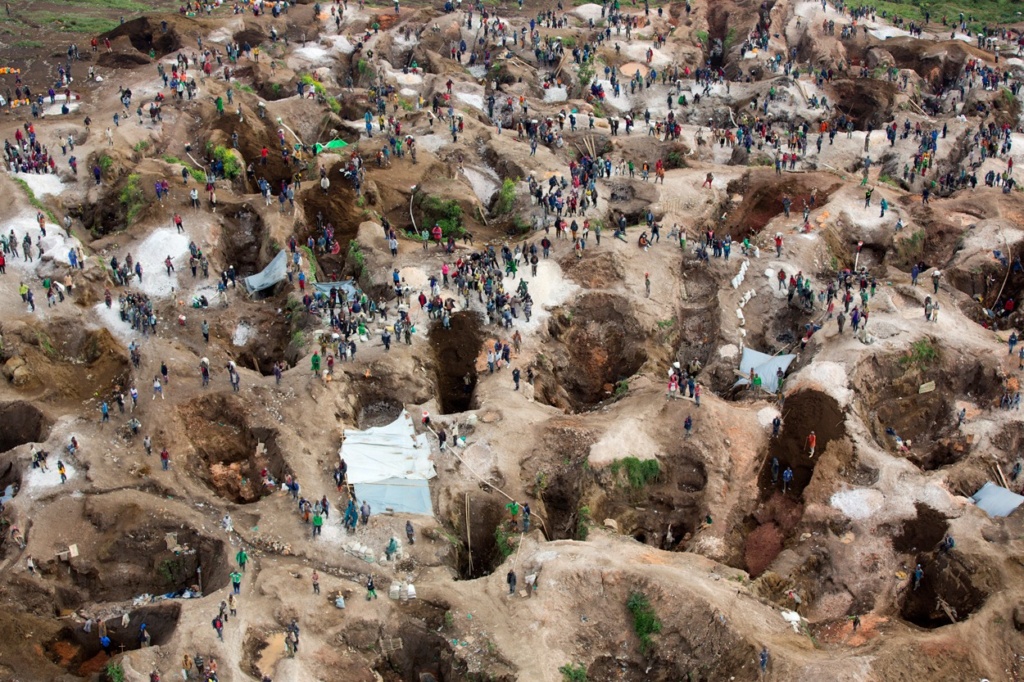
The continent holds an estimated 30 percent of the world’s critical mineral reserves and supplies about 75 percent of global cobalt and 62 percent of manganese, according to the World Economic Forum’s April 2026 assessment, which draws on data from the International Energy Agency and the African Green Minerals Observatory.
Yet Africa captures less than 1 percent of the economic value generated by the green technologies built from those minerals.
Refining shows the imbalance most clearly.
The DRC refines about 7 percent of the copper it produces locally. Zambia refines 1.3 percent, according to a November 2025 review by Zero Carbon Analytics.
China, meanwhile, accounts for 85 percent of global processing capacity and 60 percent of production for critical minerals overall.
A tonne of raw concentrate and a tonne of refined metal command different values in the markets that matter. The IEA estimates that processing can add 15 to 30 percent in value at each stage.
For African producers, those stages have largely taken place elsewhere. Governments are now trying to change that through export controls.
Thirteen African countries have introduced some form of restriction, according to a recent count by the Africa-China Centre. They include Namibia, Botswana, Ghana, Nigeria, Tanzania, Zimbabwe and the DRC.
Malawi went further, banning raw mineral exports outright in 2025. Zimbabwe offers one of the clearest tests of whether export restrictions can push a country up the value chain.
The country exported 1.13 million tonnes of lithium-bearing spodumene concentrate in 2025, about 15 percent of China’s total lithium concentrate imports that year. It earned $571 million from those exports.
In February 2026, Zimbabwe’s mining ministry brought forward a planned export ban. It immediately restricted shipments of unprocessed lithium and set January 1, 2027 as the deadline for a full ban.
There has been some progress on processing.
Huayou Cobalt’s $400 million lithium sulphate plant at Arcadia shipped Africa’s first batch of processed lithium sulphate in April 2026.
Lithium sales value rose 106 percent year on year in the first quarter of 2026. But the country’s processing capacity remains limited.
As of July 2026, only the Arcadia plant was operating at scale. It was running at full capacity using output from its own mine and could not process ore from other producers.
Two additional plants were under construction. Neither was expected to be ready before the January deadline.
Analysts at Discovery Alert described the gap between policy ambition and processing capacity as “a structural challenge facing every resource-rich nation” attempting the same shift.
Zambia has taken a more gradual approach.
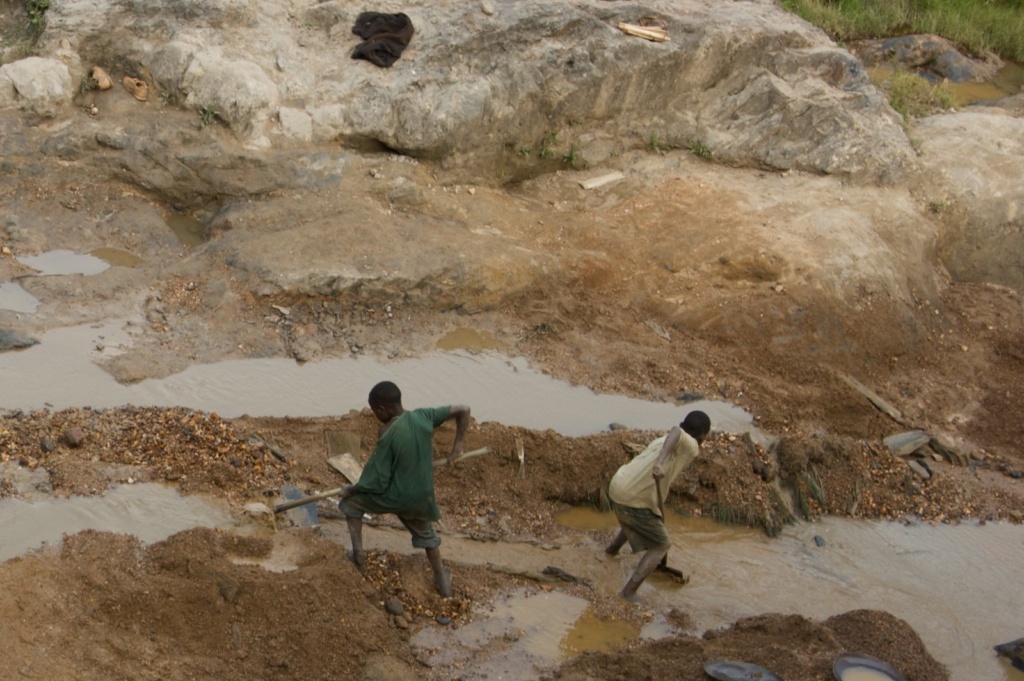
New local-sourcing rules that came into force on January 1, 2026 require mines to buy 20 percent of core mining goods, as well as all secondary goods and services, from Zambian-owned companies.
President Hakainde Hichilema has said the threshold will eventually rise to 40 percent. Zambia is also aiming to triple copper production.
Achieving that target will require more than higher output from existing mines, said Ayo Sopitan, chief executive of Metalex Commodities. He said Zambia also needs stronger incentives for local manufacturing and value addition, alongside major infrastructure investment.
Sopitan pointed to export duties on unrefined concentrate as a structural penalty for producers without their own smelters.
Zambia’s existing smelting capacity cannot absorb everything its mines produce.
As a result, government waivers on the duty have had to be extended repeatedly through 2026 to keep concentrate moving while smelters undergo maintenance.
The barriers to local processing are well known.
South Africa’s beneficiation strategy identifies electricity costs as the primary constraint on domestic processing, according to a June 2026 policy analysis. Financing gaps and inconsistent enforcement are also major obstacles.
UNCTAD estimates that roughly 95 percent of the mineral infrastructure investment developing economies need remains unfunded relative to demand.
Zambia’s plans to expand copper production alone could require at least 2,000 additional megawatts of generation capacity, according to industry estimates. That is more than incremental grid upgrades can provide.
The policy landscape is also beginning to shift.
The G20’s Critical Minerals Framework, endorsed at the Johannesburg summit in 2025, formally recognizes “beneficiation at source” as a development goal rather than simply a security concern for countries that buy critical minerals.
In July 2026, the African Development Bank brought together ministers responsible for mining, energy and industry in Abidjan to align continental beneficiation policy with the African Green Minerals Vision.
Morocco is further along than most African producers.
It opened its first lithium-ion battery materials plant in Jorf Lasfar in June 2025. The country expects a Gotion High Tech gigafactory in Kenitra to begin production by the end of 2026.
But the broader picture remains unchanged.
On the Copperbelt and in Kolwezi, trucks still queue to move cobalt hydroxide towards ports and eventually to Chinese refineries.
The World Economic Forum estimates that sub-Saharan Africa could earn more than 10 percent of a $16 trillion, 25-year revenue pool from copper, nickel, cobalt and lithium.
Under current arrangements, African governments capture only about 40 percent of even that reduced share.
Author Profile

Latest entries
 Climate Finance4 September 2026Africa’s carbon markets face their first real test under Article 6
 Energy3 September 2026Africa Holds the Ore. It Doesn’t Hold the Price
 Oceans27 August 2026Gabon Walks Away From Its EU Tuna Deal After 19 Years
 Climate Change26 August 2026Lake Baringo and Lake Bogoria Close In, Communities Lose Homes