
African ministers and livestock leaders are turning to a solution that already exists on the continent: learning from countries that have improved livestock productivity, strengthened value chains, and created markets, and sharing that capacity across borders.
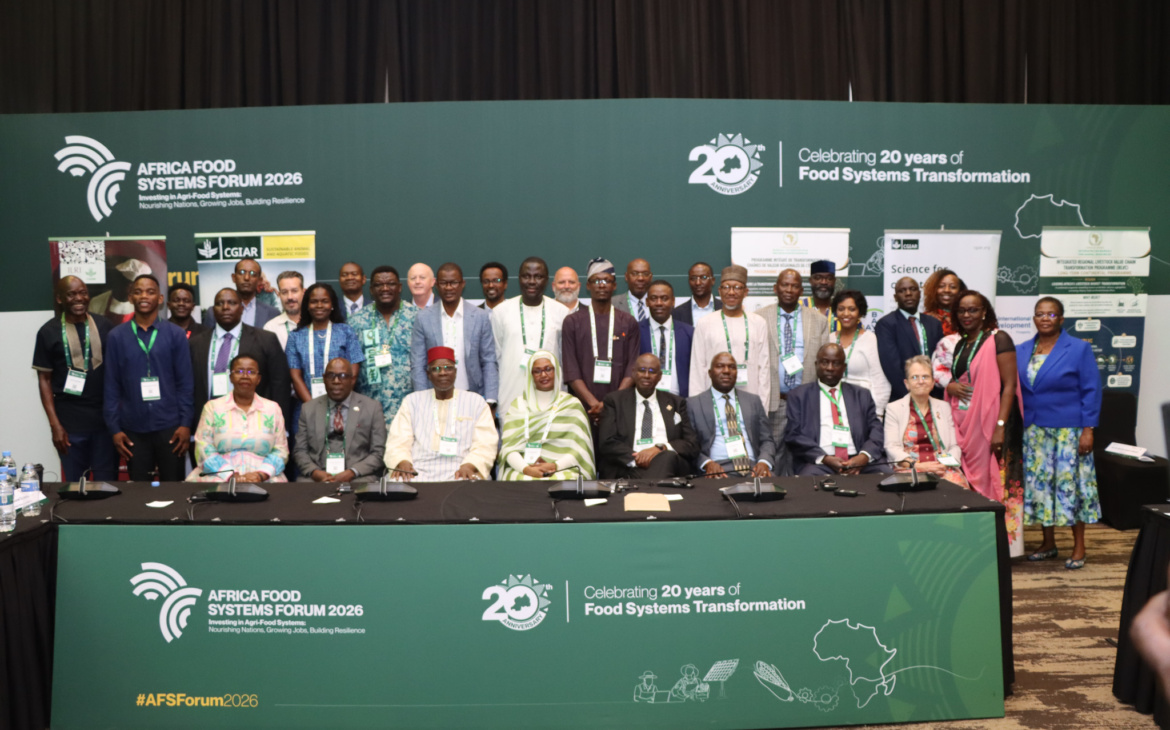
At a ministerial roundtable held during the Africa Food Systems Forum 2026 in Kigali, Rwanda, representatives from over eight African countries committed to deeper cooperation to strengthen livestock value chains, attract investment, expand trade and accelerate the delivery of solutions across the continent.
The discussion advanced with former Botswana President Mokgweetsi Eric Keabetswe Masisi challenging African governments to look inward for lessons, arguing that countries do not necessarily need to wait for external solutions when successful models already exist within Africa.
“It is important to note that we have a way out amongst ourselves as we have members amongst us who have made it work for them; an example is Botswana,” Masisi told the ministers. “Through capacity building, we can be able to have our qualities improved, our prices and growth.”
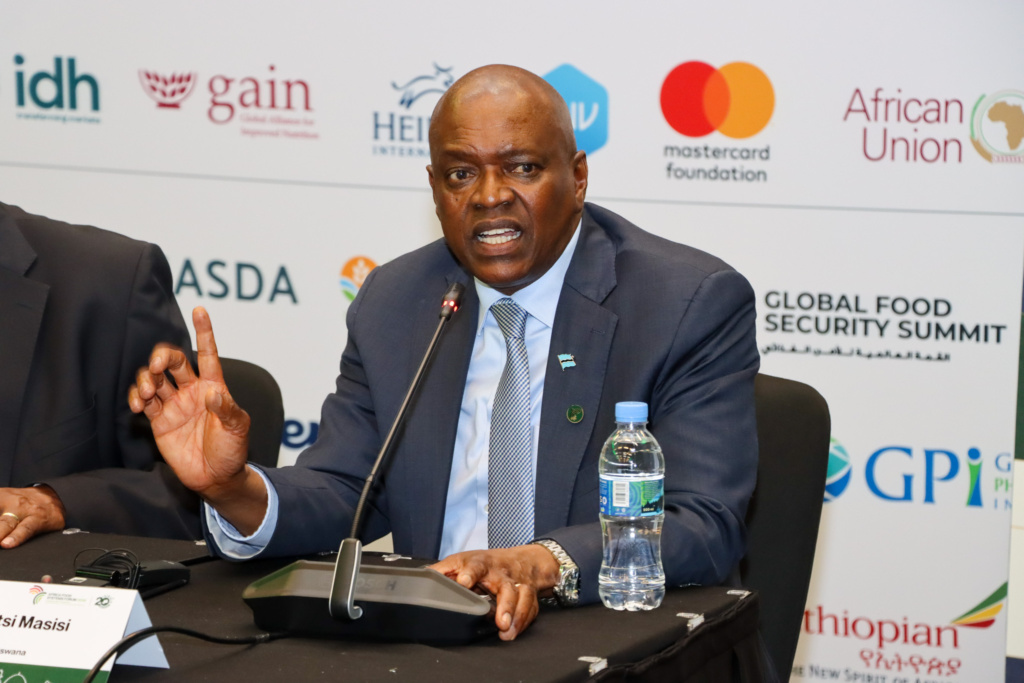
His intervention placed peer learning at the centre of Africa’s livestock transformation agenda, calling for countries to emulate successful practices while building their own technical and institutional capacity.
The call comes against a significant gap between Africa’s livestock potential and what it currently produces. The continent holds about one-fifth of the world’s cattle but produces only around five per cent of global milk, while spending between $70 billion and $100 billion annually on food imports.
At the same time, demand for animal-source foods is expected to rise sharply as Africa’s population and incomes grow, with demand projected to increase by 280 per cent by 2050.
For the ministers gathered in Kigali, closing that gap is no longer only an agricultural priority. It is increasingly linked to food security, jobs, trade and Africa’s wider ambition to build more self-reliant food systems.
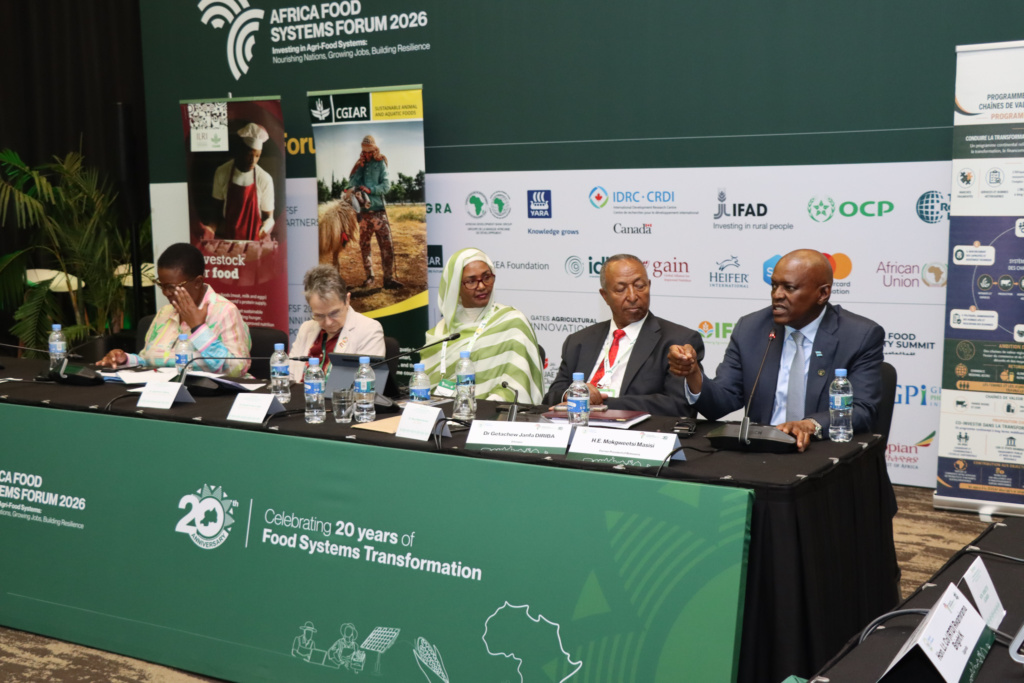
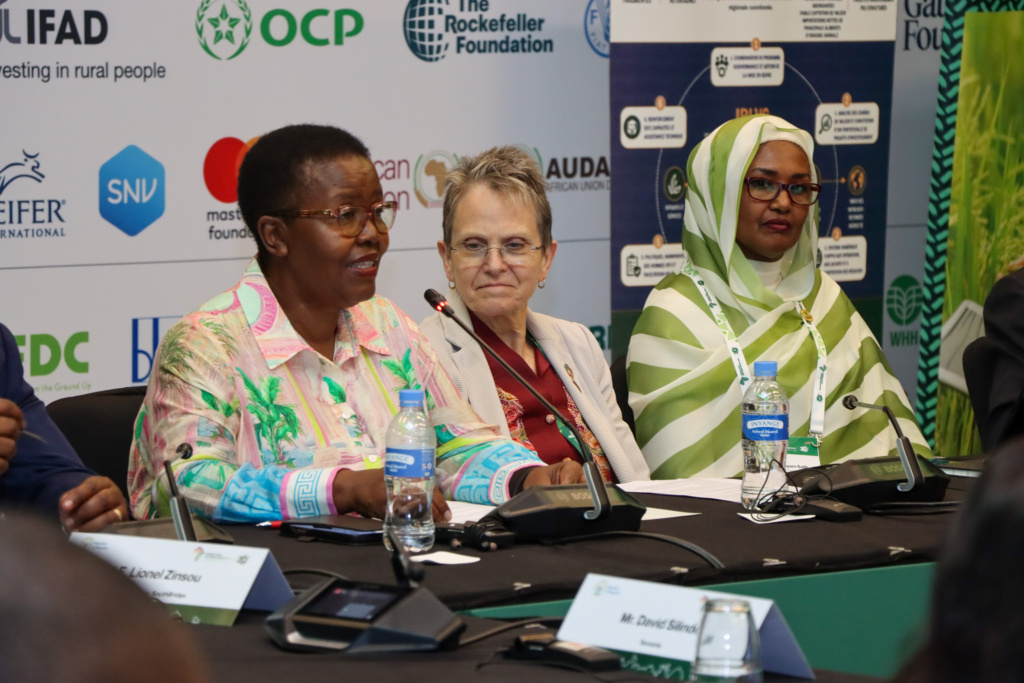
The roundtable, convened by ILRI and the African Union Inter-African Bureau for Animal Resources (AU-IBAR) and hosted by AGRA, brought together ministers and representatives from Nigeria, Uganda, Niger, Mali, Malawi, Rwanda and Ethiopia, among government delegates from diverse nations alongside former president Masisi.
The discussions focused on what is already working and what is needed to take those interventions beyond individual countries to seamless operation within the continent and globally.
Throughout the deliberations, livestock genetics, quality feed, animal health, market access and cross-border trade emerged as some of the critical areas requiring coordinated investment.
Ethiopia, through its delegation, gave a profound presentation of their growth after certain improvements and changes provided one of the clearest examples of what scaling can look like.
The country’s milk production increased from 7.1 billion litres in 2022 to 15.7 billion litres in 2025/26, a 122 per cent rise. The growth has been linked to the government’s Yelemat Tirufat, or “Bounty of the Basket”, initiative, which supported more than 36,000 new dairy villages and 5,000 dairy clusters, alongside new cross-border trade agreements.
However, Ethiopia’s experience also highlighted the complexity of transformation. Despite more than doubling feed production during the same period, feed availability remains a major constraint to further growth.
The lesson, participants argued, is that livestock transformation cannot depend on a single intervention.
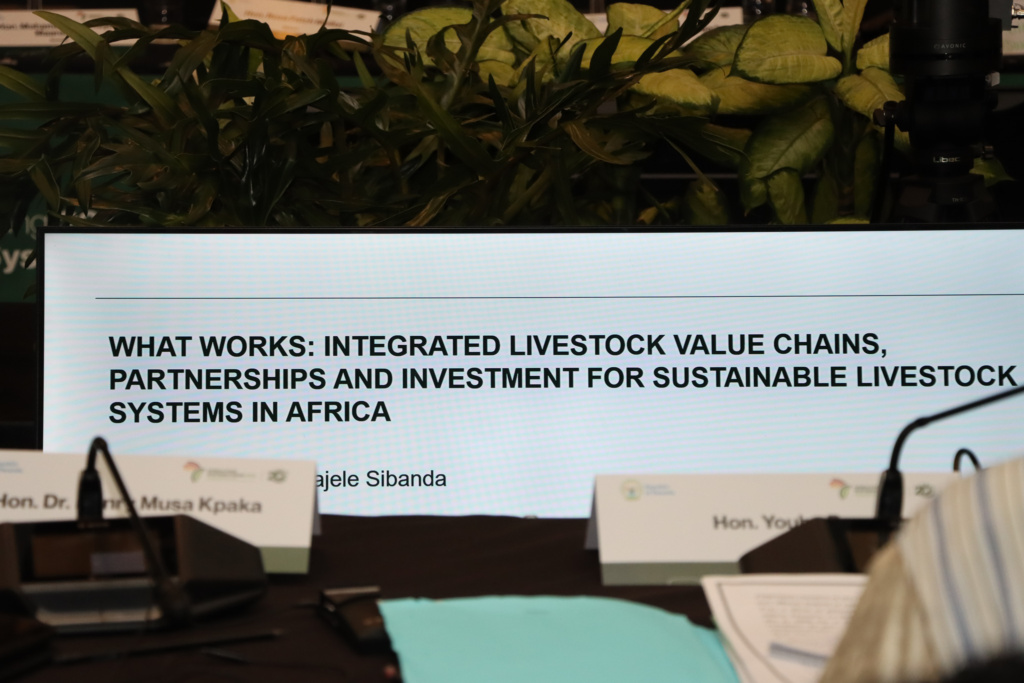
“Africa does not lack livestock potential. We do not lack animals. We do not lack farmers. We do not lack science and technical knowledge. We certainly do not lack demand,” said Professor Lindiwe Majele Sibanda, Chair of Council at Zimbabwe National University of Science and Technology and Extraordinary Professor at the University of Pretoria.
“What we have lacked is the ability to connect all these pieces and deliver at scale. Africa’s livestock priority is no longer recognition. It is delivery,” she said.
That delivery will require governments to move beyond isolated national programmes and coordinate production, animal health, standards, trade and investment across borders.
The private sector also cautioned that successful livestock systems require sustained coordination rather than short-term campaigns.
Mucai Kunyiha, Group CEO of CKL Africa, pointed to animal vaccination as an example, arguing that the challenge is not simply producing vaccines but building systems that bring governments, farmers, manufacturers, veterinarians, communities and regional institutions together.
“Vaccination is a system, not an event,” he said, arguing that sustained systems are what can ultimately unlock greater private-sector investment.
The regional approach is already being tested through the Integrated Regional Livestock Value Chain programme, led by AU-IBAR. The programme is supporting more than 30 regional projects, including dairy market development in East Africa and poultry health initiatives in West Africa, with support from partners including the European Union, IFAD and the World Bank.
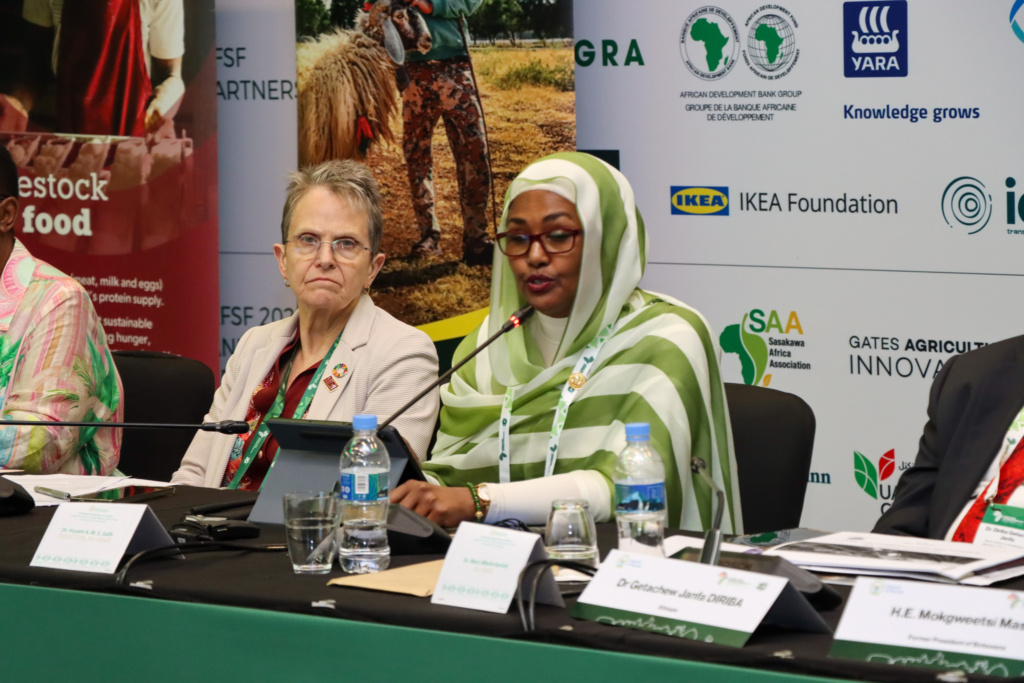
For AU-IBAR Director Dr Huyam Salih, the priority is to connect existing solutions rather than continually search for new ones.
“We already know what works. The task now is coordinating policy and trade across borders, so proven livestock solutions can scale from one country to a continent,” Salih said.
The Kigali meeting identified five priorities: financing tailored to livestock’s biological production cycles; harmonised standards and stronger cross-border trade; better livestock data and traceability; greater political and budgetary attention to livestock; and stronger peer learning between countries.
The final priority echoes Masisi’s central message: Africa’s livestock transformation can be accelerated by countries learning from one another.
Participants recommended institutionalising the ministerial platform as a political and learning mechanism for delivering the African Union’s Integrated Regional Livestock Value Chain Programme through 2035.
If adopted, the platform would give African ministers a continuing role in monitoring implementation, sharing lessons and addressing barriers between annual Africa Food Systems Forums.
The challenge now is whether the Kigali commitments can move beyond ministerial rooms into farms, markets and borders.
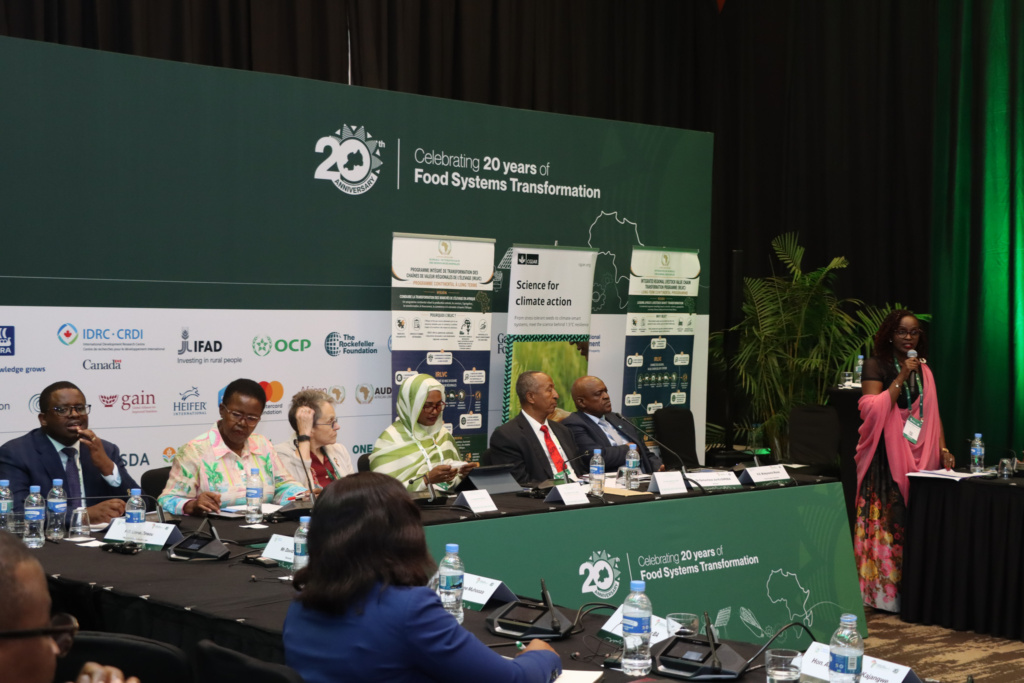
According to Appolinaire Djikeng, Director General of the International Livestock Research Institute (ILRI), during his closing address, it’s clearly apparent that Africa doesn’t lack solutions for its livestock sector but rather what it lacks is scalability and productivity.
“Closing this gap between what Africa produces and what it imports is the key to delivering on the promise of the continent’s $1 trillion annual agribusiness potential,” he said.
For Africa, the livestock opportunity may not require reinventing the wheel. It may require countries to look across their borders, identify what is working, adapt it to their own realities and build the regional systems needed to take those successes to scale.


