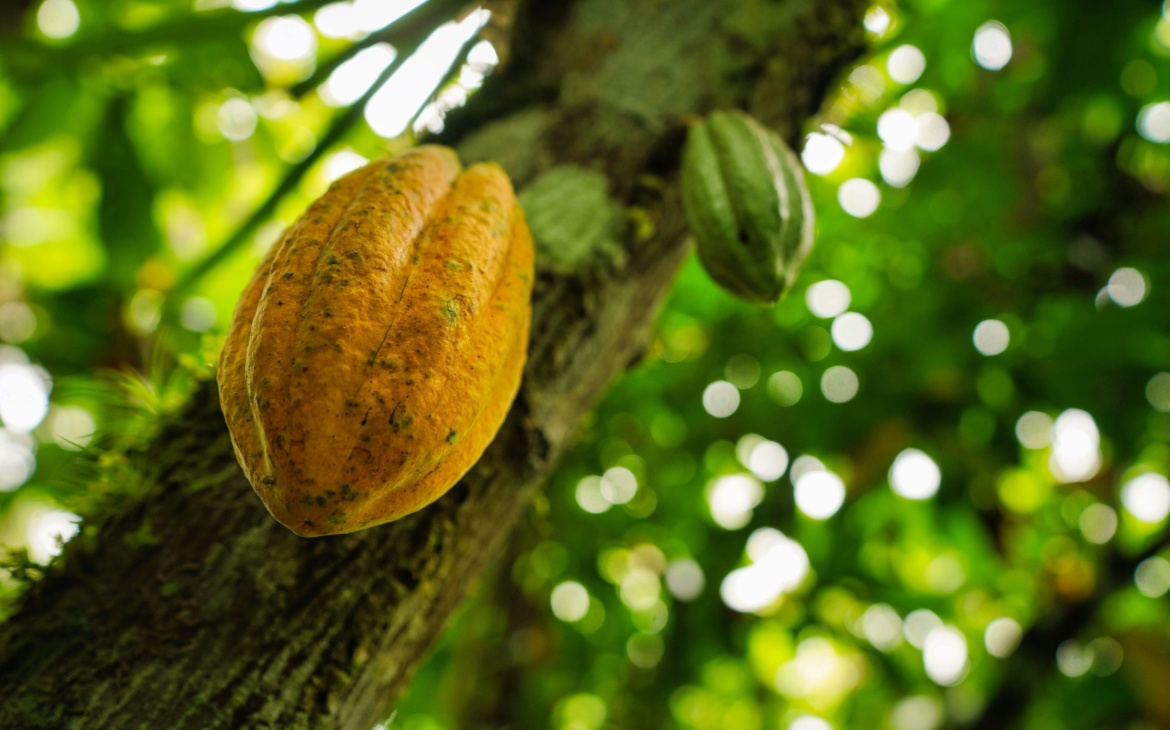
When Ojo Ayaninuola, a smallholder cocoa farmer in Akure, southwestern Nigeria, was first approached by exporters wanting to map and geolocate his farm, he was reluctant. The request was part of a compliance push tied to a new European Union law that could determine whether his beans ever reach Europe again.
That law, the EU Deforestation Regulation (EUDR), takes effect at the end of December 2026. It will require any cocoa entering the EU to be traceable to the specific plot of land it was grown on, and proven free of deforestation dating back to 31 December 2020. Cocoa is one of seven commodities covered by the regulation, alongside coffee, cattle, palm oil, rubber, soy and wood.
For generations, cocoa has provided livelihoods for hundreds of thousands of Nigerian farmers. Now, the future of some of those farmers in one of the world’s most valuable chocolate markets could depend on something far removed from the cocoa bean itself: whether they can prove exactly where it was grown.
Reuters reported in August that more than half of Nigeria’s cocoa production could struggle to meet the new requirements. Nigeria has an estimated 300,000 cocoa farmers, many of them smallholders operating within complicated supply chains that have historically not required the level of farm-level mapping and traceability the European rules demand.
The scale of the problem
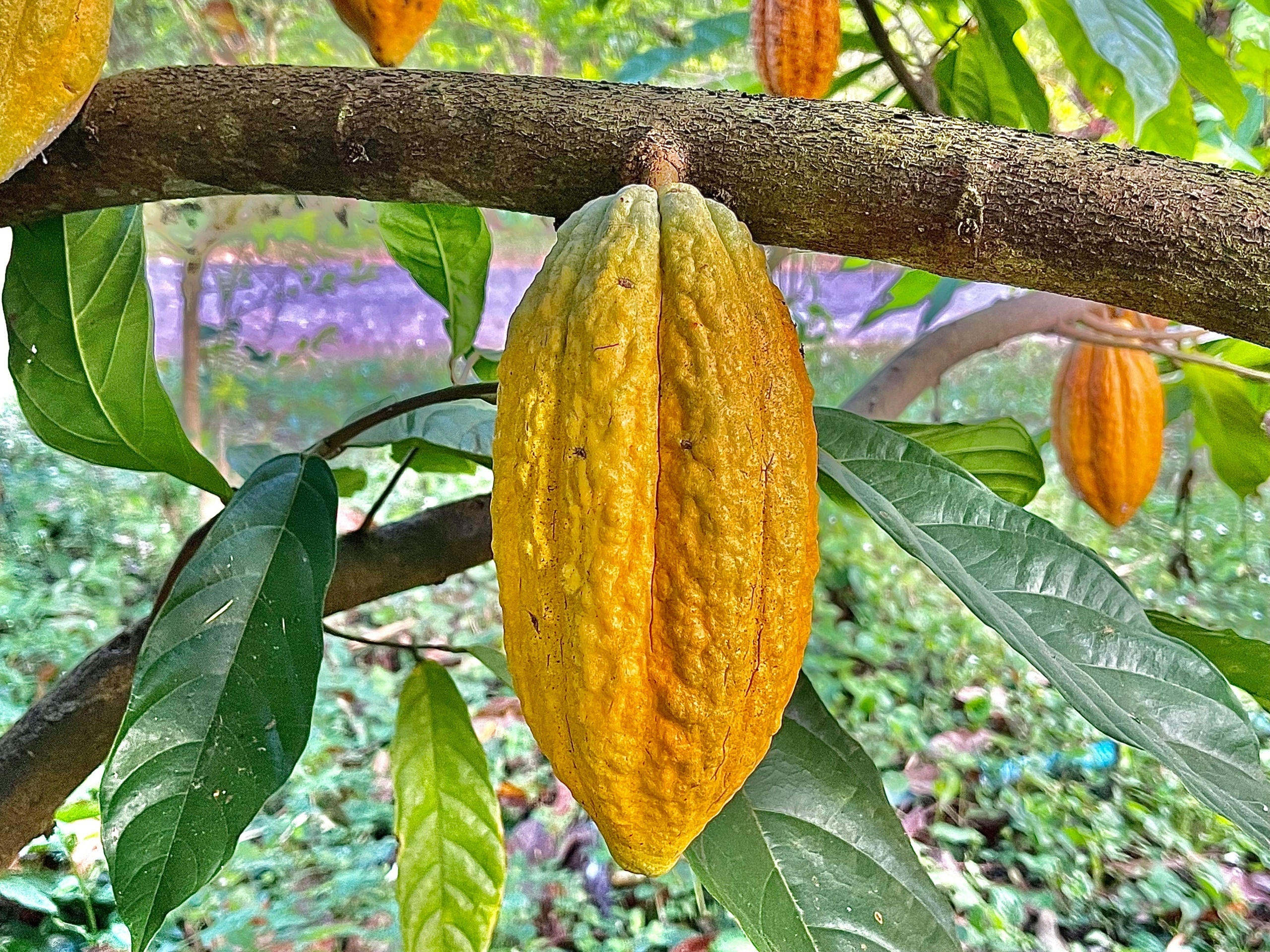
Nigeria is the world’s fourth-largest cocoa producer, and industry estimates suggest that farmers responsible for more than half of the country’s roughly 300,000-tonne annual output could fail to meet the EU’s requirements once the law takes hold.
Many farmers are either unaware of the regulation or unwilling to allow their land to be mapped, particularly in remote areas such as the Ikom and Boki local government areas of Cross River State.
The stakes are considerable. The EU buys around 60% of the world’s cocoa, and West Africa supplies roughly 70% of global output, with about two-thirds of that going to European buyers. A significant compliance gap could squeeze how much certified cocoa reaches the market just as the rules take hold.
Nicko Debenham, a former global cocoa trader turned sustainability consultant, has warned that European importers may struggle to source enough compliant cocoa from indirect suppliers in origin countries. He estimated the resulting supply squeeze could last around two years.
This is a window in which exporters that have already invested in traceability systems may be able to command premium prices from chocolate makers.
The problem highlights a difficult question at the heart of efforts to make global commodity supply chains greener: when wealthy consumer markets introduce tougher environmental standards, who pays for compliance?
From cocoa bean to plot of land
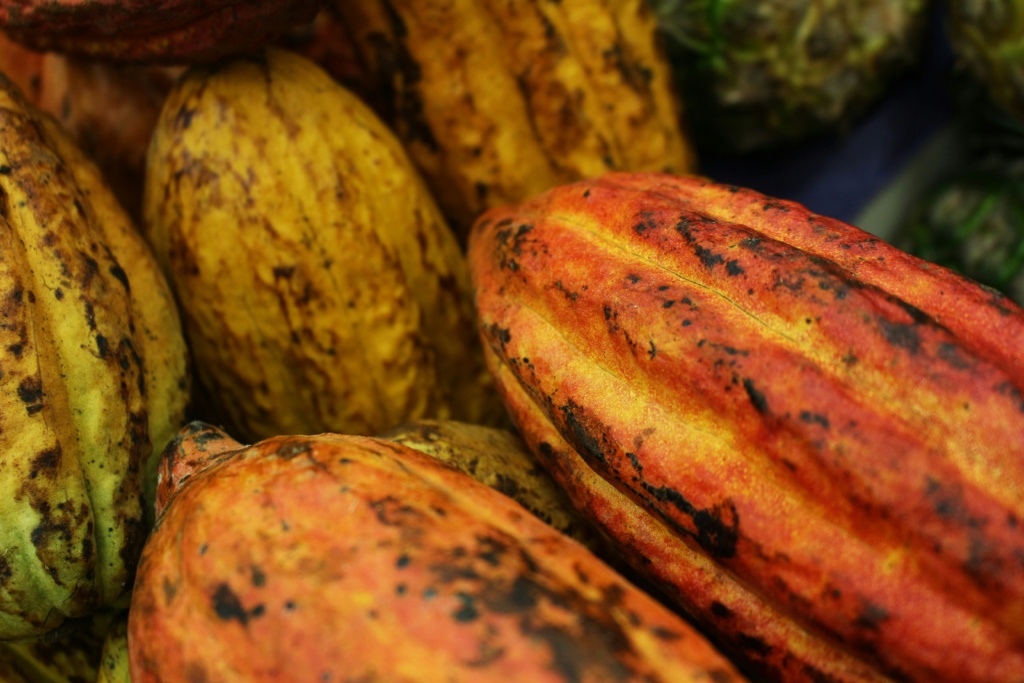
The principle behind the EUDR is relatively straightforward. Agricultural expansion is a major driver of global deforestation. The European Commission says the regulation is intended to reduce the EU’s contribution to that destruction, as well as the greenhouse-gas emissions and biodiversity loss associated with it.
Putting that principle into practice is more complicated. For cocoa destined for Europe, businesses need sufficiently detailed information about where the commodity was produced to conduct the required due diligence. This means traceability increasingly extends all the way back to individual farms and their geographic location.
The rules also use 31 December 2020 as the deforestation cut-off date: products covered by the regulation must not come from land subjected to deforestation after that date.
For a highly organised agricultural operation with established digital records, providing such information may be manageable. Across West Africa’s cocoa belt, however, production is dominated by smallholders.
Reuters reported that exporters in Nigeria have been spending between roughly $30 and $80 per tonne on measures including mapping and tracing cocoa supply chains. Some companies have spent years identifying farms and building the systems required to demonstrate compliance.
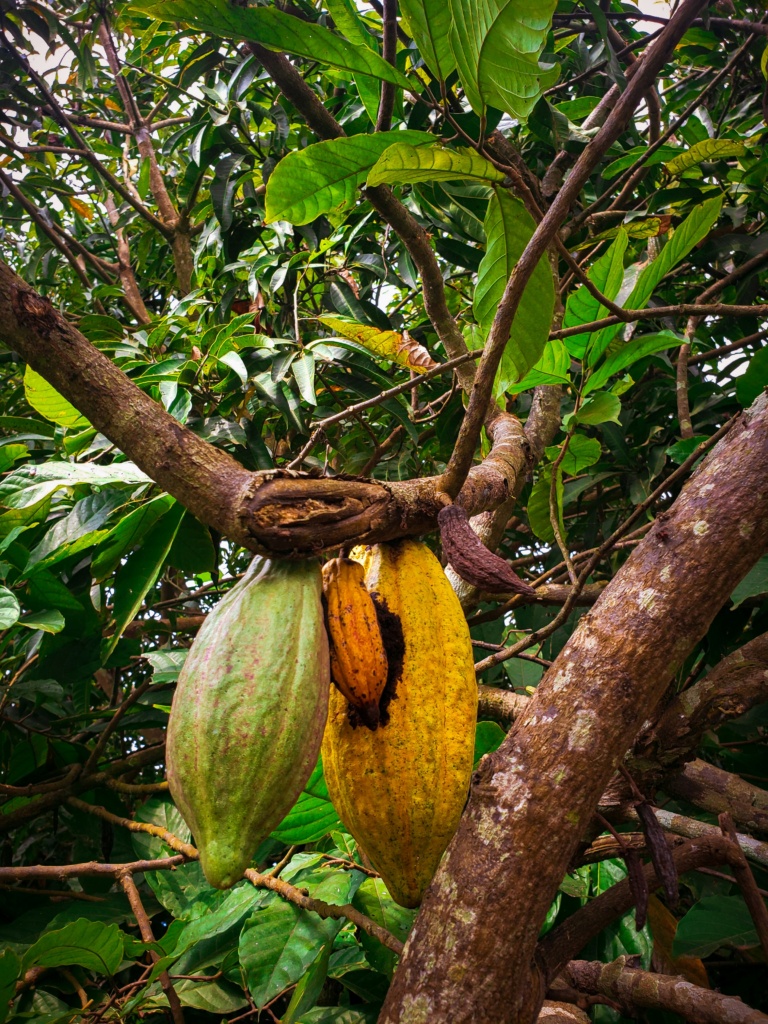
That creates an uncomfortable reality that producing cocoa without destroying forests and proving that cocoa is deforestation-free are not necessarily the same thing. A farmer may be operating legally on land that has not recently been deforested and still risk exclusion from a traceable supply chain if the location and history of the farm cannot be adequately documented.
Nigeria’s own officials have acknowledged this problem. Ajayi Olutobaba, secretary of Nigeria’s National Task Force on EUDR compliance, recently warned that some farms are intercropped, rehabilitated or situated near forest boundaries, making their origins harder to demonstrate.
“Without clear data, we risk having compliant cocoa rejected simply because we cannot prove its origin,” he told Nigeria’s Vanguard.
Who bears the cost?
The compliance burden is falling unevenly. Exporters say the systems required (farm-polygon mapping, satellite monitoring, digital record-keeping across a multilayered supply chain) are expensive to build, and there’s disagreement over who should pay for them.
Nzubechukwu Anisiobi, Chief Operating Officer of Nigerian cocoa firm Sunbeth, told Reuters that early conversations with buyers have already produced pushback over compliance costs, adding that the financial pressure is eating into the company’s margins.
Starlink Global and Ideal, Nigeria’s largest cocoa exporter, shipping roughly 60,000 tonnes a year, have said they have spent between $40 and $80 per tonne on mapping and traceability since 2023 and these are costs it says it has not yet recovered from European buyers.
Nigeria’s response
Nigerian authorities have been organising a national response. The National Cocoa Management Committee (NCMC), together with a National Task Force on EUDR, has been coordinating with state governments, farmer cooperatives, exporters and development partners to build out traceability infrastructure, including a push for a consolidated national database of farms, farmers, processors and exporters, and updated forest maps for cocoa-producing states.
Nigeria’s Minister of Agriculture and Food Security, Abubakar Kyari, has described cocoa as central to the country’s push to diversify away from oil dependency, pointing to a sharp rise in cocoa export earnings in recent years.
The federal government has also rolled out programs aimed at boosting production and funding traceability systems, including improved seedling distribution and extension support for farmers, alongside the EUDR compliance push.
Whether that support reaches the smallholders furthest from the supply chain, those in areas like Ikom and Boki, with the least capacity to absorb new documentation and technology requirements, remains an open question, and one likely to shape how much of Nigeria’s cocoa sector is still exporting to Europe this time next year.
Author Profile

Latest entries
 Energy21 September 2026Egypt wants to manufacture its wind-energy transition. Can the model work across Africa?
 Climate16 September 2026What Happens When Climate Change Has Schools Closed? A Growing Education Crisis
 Agriculture8 September 2026More Than Half of Nigeria’s Cocoa Farmers Could Lose EU Market Access as Deforestation Law Nears
 Events25 August 2026Kenya triples its clean energy ambitions: Will power get any cheaper?