
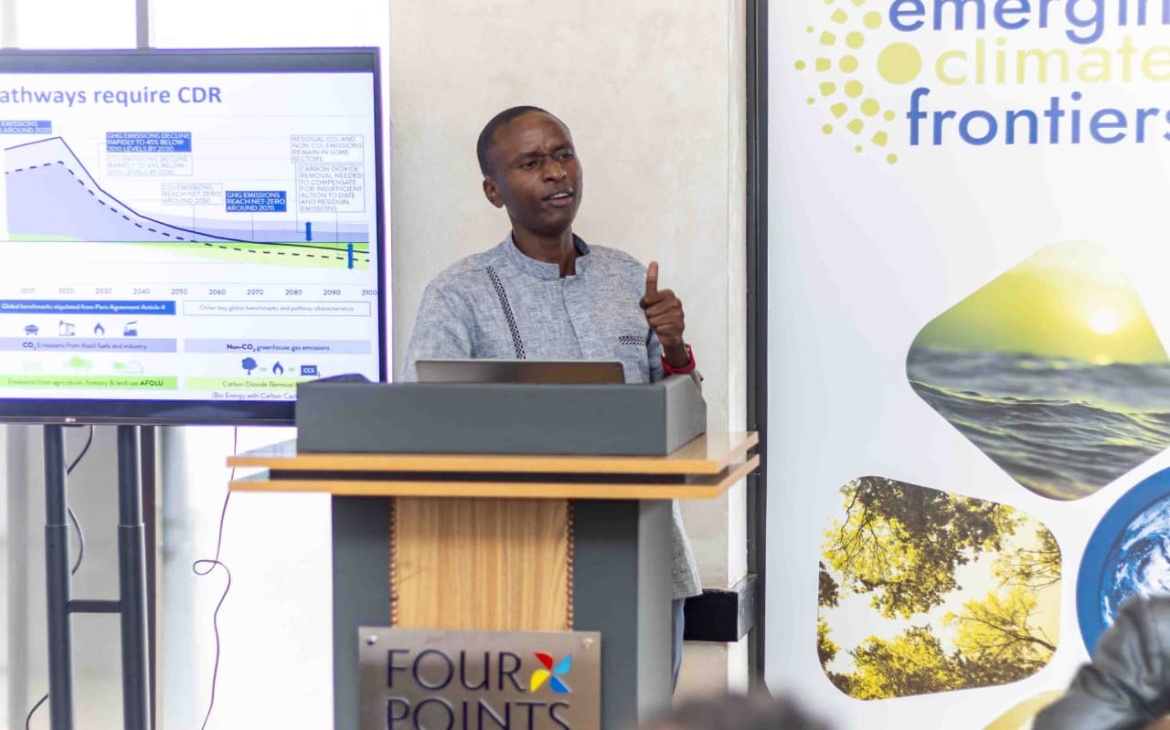
Young Africans are already working across farms, businesses, markets and food supply chains. But access to finance, land, markets and decision-making continues to keep many from shaping the systems they are helping to sustain.
Africa’s young people are already deeply involved in the continent’s food systems, on farms, in businesses, laboratories, markets and supply chains. Yet many still struggle to access the land, finance and policy spaces that determine how those systems work and who benefits from them.
For Brian Kithinji, Executive Director of the Policy Action Initiative and a research consultant with the Netherlands-based INCLUDE platform, that contradiction is becoming increasingly difficult to ignore. In a conversation with Climate Lens News on the sidelines of the Africa Food Systems Forum 2026, he urges for more inclusion that is meaningful and sustainable enough to empower the youth.
His work has focused on how justice, and the lack of it, shapes young people’s participation in Africa’s food systems, through INCLUDE’s Youth in Just Food Systems Transition Programme.
The programme has conducted case studies in Benin, Ghana, Rwanda, Somalia and South Africa, examining the conditions that allow young people to participate meaningfully in food systems and the barriers that continue to hold them back.
Alongside the country studies, the programme has developed a practical guide on meaningful youth engagement in food systems research, aimed at researchers, policymakers, donors and programme implementers seeking to involve young people beyond token consultation.
The question, Kithinji argues, is no longer whether young people have a role in Africa’s food future. They already do. The question is whether the systems around them will give them a fair opportunity to shape that future.
Beyond Farming: The Barriers Keeping Young People Out
Part of the problem, Kithinji says, is the narrow way young people in agriculture are often understood. “Young people play very diverse roles within the food systems,” he says.
They include smallholder farmers, but also agripreneurs, agribusiness operators, supply-chain workers, researchers and innovators developing new technologies, seed varieties and other solutions to challenges facing the sector.
Yet programmes and policies do not always reflect that diversity. One of the biggest obstacles is finance. Kithinji describes access to capital as the “million-dollar question” in Africa’s agricultural sector, and one that has featured prominently in conversations at the Africa Food Systems Forum.
He says research reviewed through his work indicates that more than 90% of agricultural funding in Africa does not reach young people.
That gap matters because without affordable and accessible capital, young people can struggle to acquire inputs, equipment, land, technology or the working capital needed to build viable businesses.
Land presents another barrier. Kithinji points to research from the International Land Coalition indicating that young people own only around 10% of land in Africa. For those seeking to build livelihoods in agriculture, the lack of land ownership can therefore become a fundamental constraint before production even begins. And having something to produce is not enough if young people cannot reach markets.
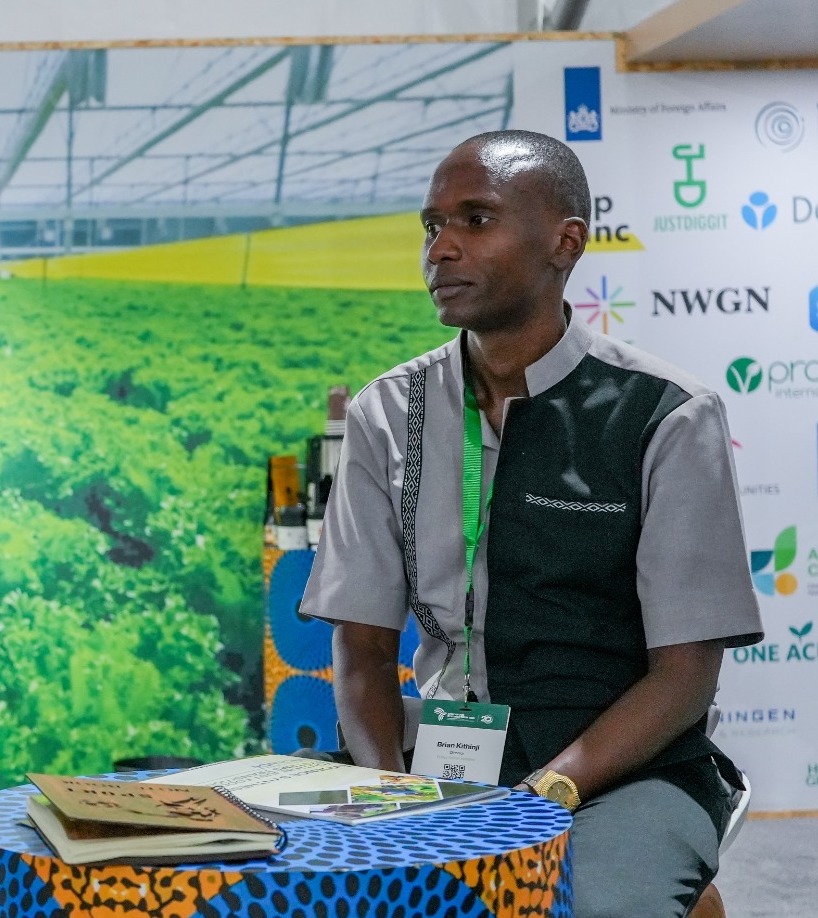
Kithinji points to bureaucratic requirements such as export permits and certification as additional obstacles. A young entrepreneur seeking to move agricultural products across borders can face complex procedures, while even domestic trade may require certification from national standards bodies.
These challenges can turn market access into a hurdle of its own, particularly for young businesses that have limited resources and little experience navigating regulatory systems. Then there is the question of who gets to make the rules.
Africa has established continental and national frameworks intended to guide agricultural development, including the Comprehensive Africa Agriculture Development Programme and the Maputo Protocol. But Kithinji argues that young people remain underrepresented in the spaces where policies, budgets and priorities are shaped.
Even forums specifically convened to discuss youth issues can fall short when young people are invited to participate without being given meaningful opportunities to influence decisions.
For Kithinji, this is where the conversation needs to move from simply involving young people to giving them actual influence.
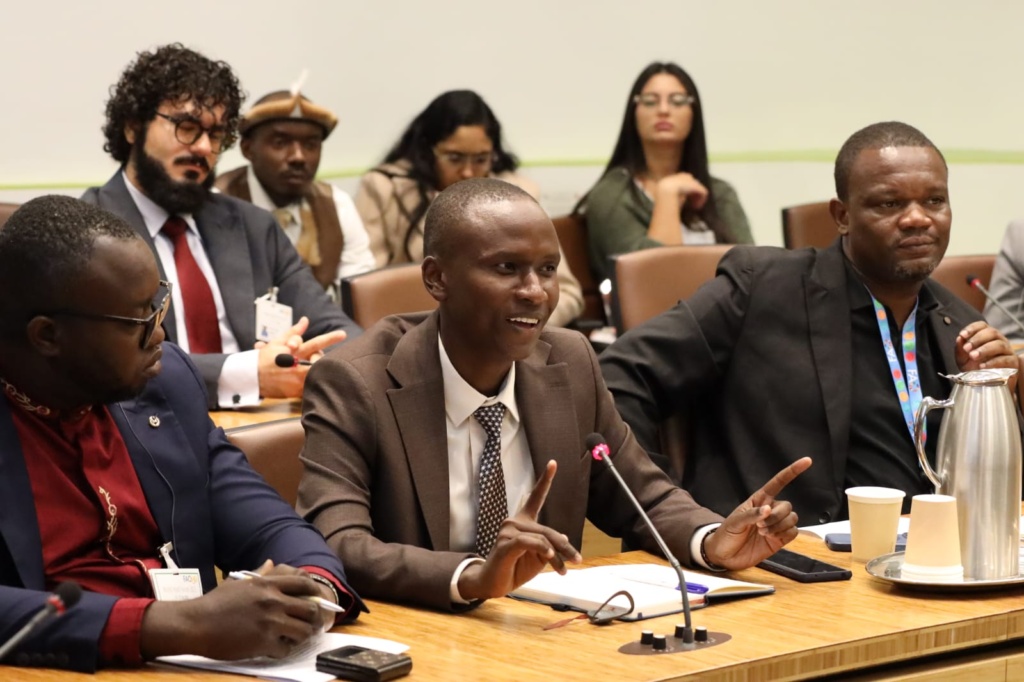
From Youth Participation to Youth Power
His proposed response is what he describes as a Meaningful Youth Engagement Approach, one that begins by understanding what young people actually need and then addressing the structural barriers preventing them from participating on equal terms.
That requires more than a youth representative sitting in a meeting.
Governments, the private sector, cooperatives and other stakeholders all have a role in addressing the underlying problems around finance, markets, infrastructure and access to productive resources.
There is also a question of perception. Young people are often described as being uninterested in agriculture because they prefer “easy jobs” or are unwilling to take on the labour associated with farming. Kithinji rejects that narrative.
Young Africans, he argues, are already building careers across the food system. The issue is not necessarily a lack of interest in agriculture, but whether agriculture and the wider food economy provide realistic opportunities for them to build livelihoods.
“We need to recognise young people as equal players,” he says, “and we need to give them an equal seat on the policy-making table.”
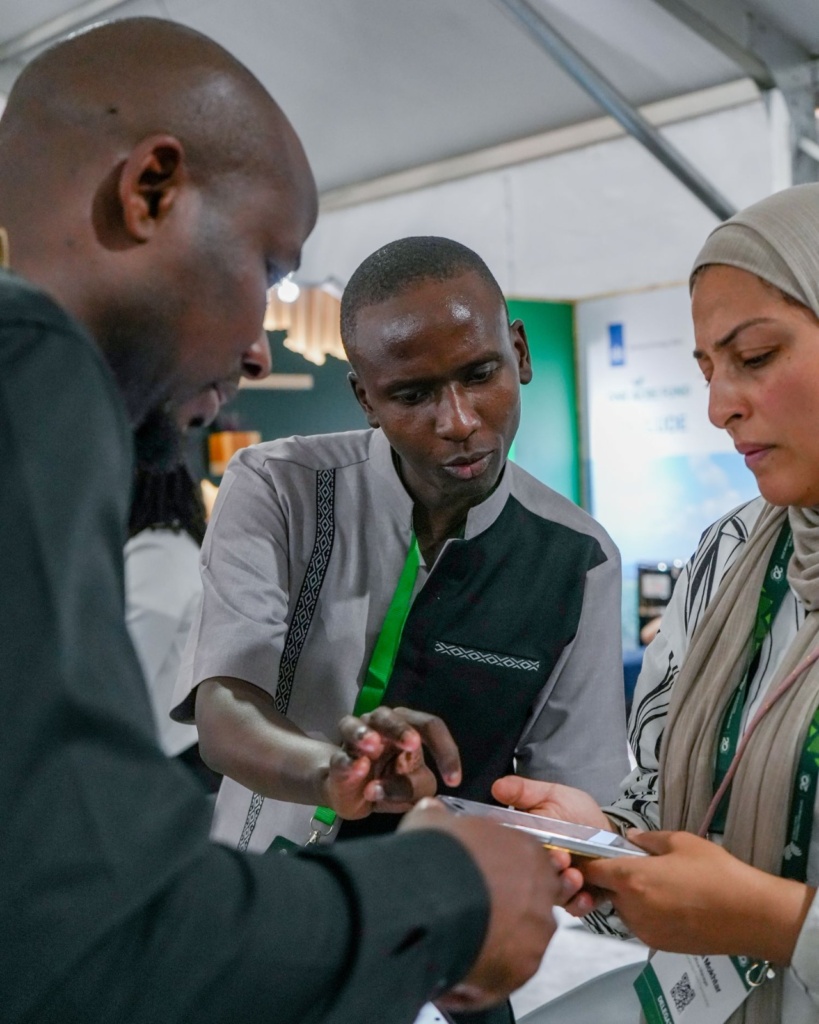
That seat, however, has to mean more than being present. It means allowing young people to contribute to the policies and budgets that will determine the future of Africa’s food systems, and ensuring that their participation is reflected in the decisions that follow.
Kithinji also has a message for young people themselves. He encourages them to continue building skills, participate in policy conversations and explore cooperatives, which he sees as one of the more accessible pathways to finance and capital within the sector. However, such individual efforts cannot substitute for institutional change.
If Africa is serious about creating food systems that can feed its growing population while creating livelihoods for its young population, then access to land, finance, markets and decision-making cannot remain concentrated among a small section of society.
Agriculture is already one of Africa’s largest sources of employment and a major pathway to livelihoods. Giving young people a greater stake in the sector is therefore not simply a question of fairness.
It is an economic question. The young people working across Africa’s farms, businesses, laboratories and food supply chains are already part of the continent’s food future.
What remains uncertain is whether the systems governing that future will allow them to shape it.
“Agriculture is definitely the way to go,” Kithinji says. “Do not give up.”


