
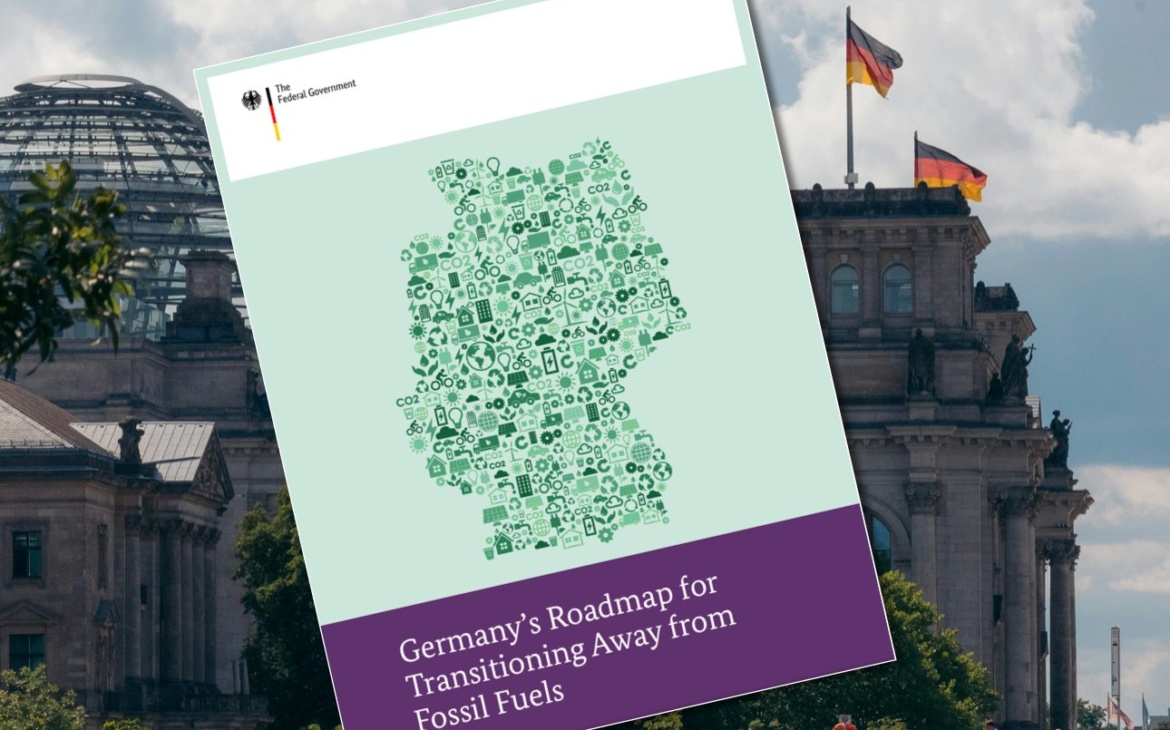
Germany has unveiled a national roadmap to end its dependence on coal, oil and gas by 2045, translating the COP28 agreement into domestic energy policy. While the plan signals progress towards cleaner energy and greater energy security, questions remain over the pace of the transition and the financing needed to deliver it.
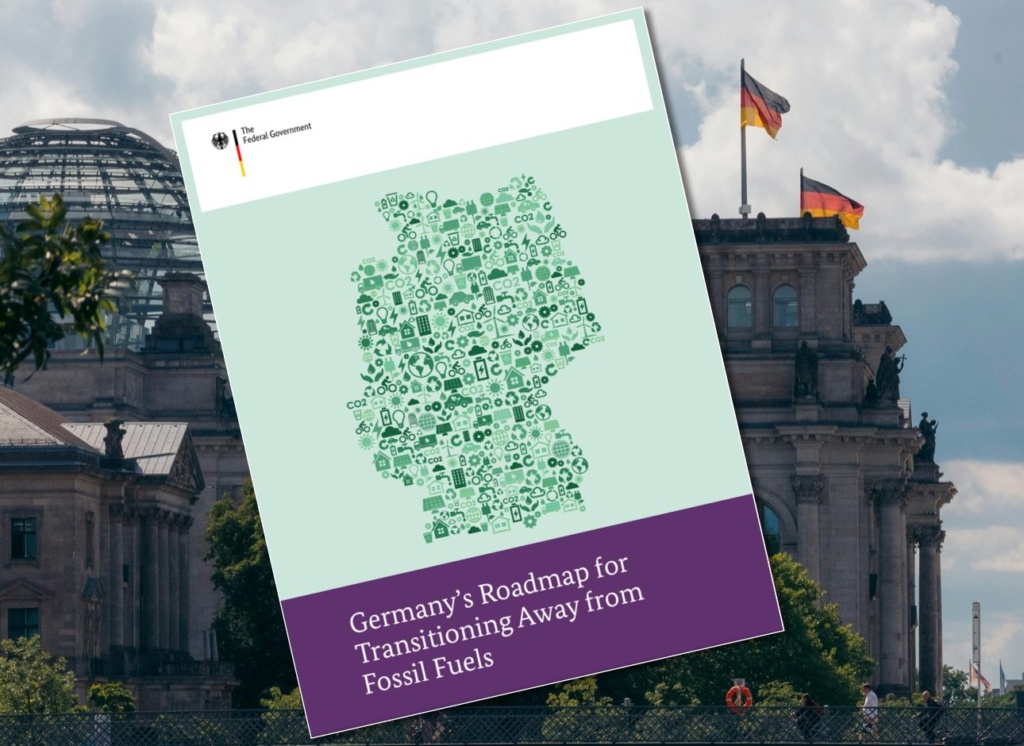
Germany has taken another step towards ending its dependence on fossil fuels, publishing a national roadmap outlining how Europe’s largest economy intends to transition away from coal, oil and natural gas by 2045.
Presented by Federal Environment Minister Carsten Schneider at the United Nations in New York, following its presentation to the German cabinet, the roadmap sets out measures to transform electricity generation, transport, heating and industrial production.
Germany joins France and the Netherlands among the countries that have published national plans for transitioning away from fossil fuels, responding to the landmark agreement reached at the 2023 United Nations Climate Change Conference (COP28) in Dubai.
The roadmap comes at a time when energy security, affordability and climate action are increasingly interconnected. For Germany, the transition is not simply about reducing greenhouse gas emissions. It also involves restructuring an industrial economy that remains heavily dependent on imported fossil fuels.
In 2024, fossil fuels accounted for approximately 65% of Germany’s energy consumption, including 36% from oil, 24% from natural gas and 5% from coal. The country imported 98% of its oil, 95% of its natural gas and all its hard coal, spending approximately €76 billion on fossil fuel imports that year.
These figures illustrate the scale of the transformation required and the economic importance of reducing Germany’s exposure to international fossil fuel markets.
The government’s strategy centres on expanding renewable electricity and replacing fossil fuel consumption with cleaner alternatives across major sectors of the economy.
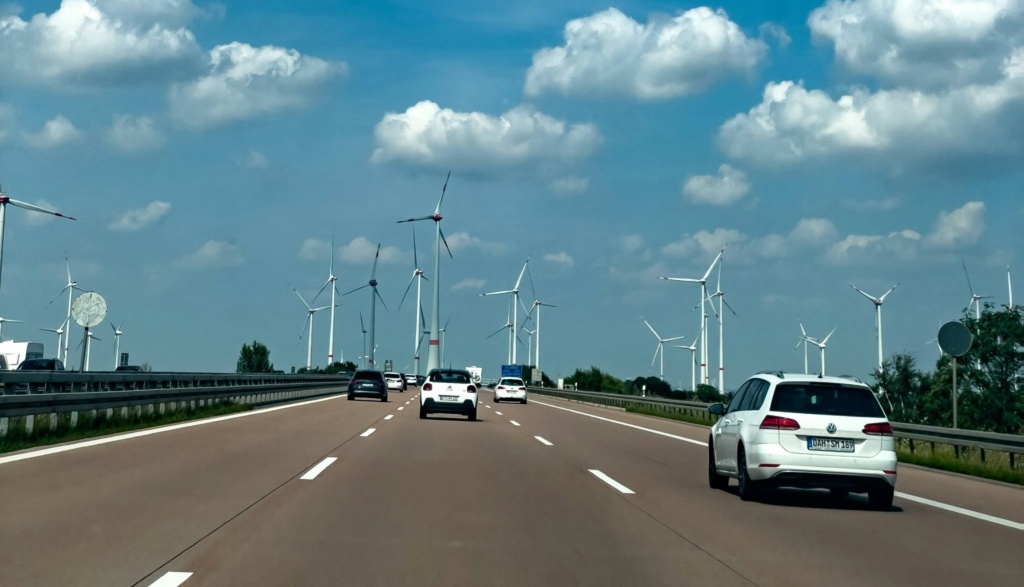
Renewable energy already supplies approximately 55% of Germany’s gross electricity consumption, with the government targeting at least 80% by 2030. Achieving this would provide a foundation for electrifying transport, heating and industrial processes.
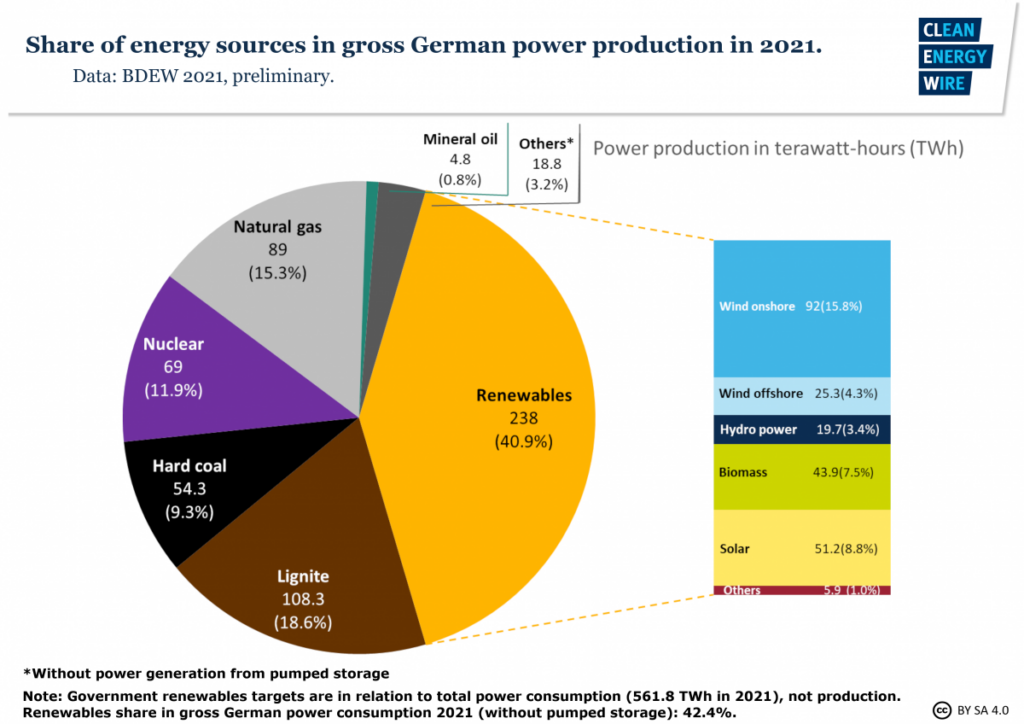
Electric vehicles would progressively reduce oil consumption in transport, while heat pumps would replace fossil fuel heating systems in buildings. Industries would increasingly adopt electric technologies, reducing their reliance on coal and natural gas.
Germany also intends to transition gas-fired power plants towards green hydrogen, with the longer-term objective of operating a power system that no longer relies on fossil fuels by 2045.
However, the roadmap retains Germany’s existing 2038 deadline for phasing out coal and does not establish new interim reduction targets for coal, oil and gas.
This distinction is important. While the roadmap identifies the country’s intended destination, its effectiveness will depend on how quickly the proposed measures are implemented and whether they deliver sustained reductions in fossil fuel consumption.
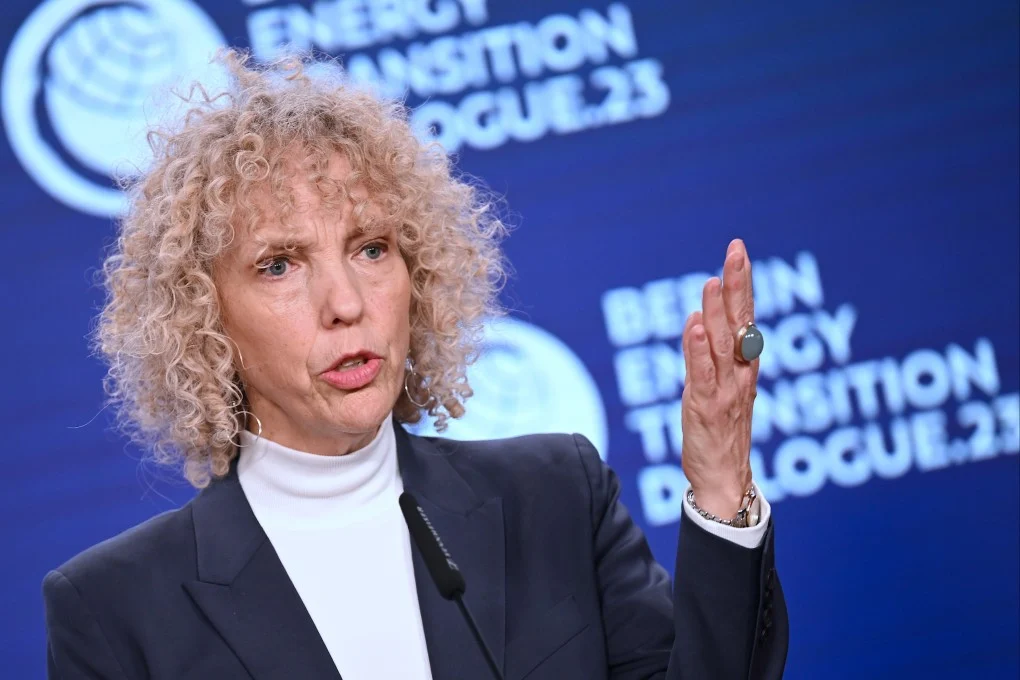
Former German climate envoy Jennifer Morgan welcomed the publication but emphasised the need for faster implementation.
“Accelerating the shift from coal, oil, and gas to clean renewables will bolster energy independence and insulate consumers from price shocks at a critical moment,” she said in remarks gathered by the GSCC Network.
Morgan cautioned that publishing a roadmap was only the beginning, calling for a faster and more equitable fossil fuel phase-out accompanied by the expansion of clean electricity.
From COP28 commitments to national action
Germany’s roadmap represents an effort to translate the international commitment made at COP28 into national energy policy.
At the Dubai conference in December 2023, nearly 200 countries agreed to transition away from fossil fuels in energy systems in a just, orderly and equitable manner, with developed countries continuing to take the lead.
The agreement also called for tripling global renewable energy capacity and doubling the rate of energy efficiency improvements by 2030.
Although the agreement established a common international direction, countries must develop their own policies, investment frameworks and implementation schedules.
Germany’s roadmap offers an example of how governments can connect long-term climate commitments with sector-specific measures.
Its significance extends beyond Germany. As a major industrial economy, the country faces the challenge of maintaining reliable energy supplies and industrial competitiveness while reducing fossil fuel consumption.
However, the absence of new interim fossil fuel reduction targets raises questions about whether its existing policies can deliver the required transformation at sufficient speed.
Laurie van der Burg, Public Finance Lead at Oil Change International, called on Germany to strengthen its roadmap and redirect public investment towards renewable energy.
“If Germany is serious about economic prosperity, energy security and affordability, it should end its fossil fuel finance, strengthen its national roadmap, and redirect public money toward a resilient and affordable renewable energy future,” she said.
Her remarks highlight another important dimension of the transition: the relationship between public finance and national climate commitments.
Expanding renewable electricity, upgrading power grids, electrifying industrial processes and developing green hydrogen infrastructure will require substantial investment. Continued public financial support for fossil fuels could complicate efforts to accelerate the transition.
What Germany’s roadmap means for the global transition
Germany’s announcement also carries implications for developing economies, particularly African countries seeking to expand energy access while pursuing low-carbon development.
The roadmap demonstrates how renewable energy expansion can be integrated with industrial policy, energy security and long-term economic planning.
However, countries begin their transitions from different economic and energy circumstances.
For many African economies, the immediate challenge is expanding affordable electricity access, developing domestic industries and mobilising investment for renewable energy infrastructure.
Germany’s experience could offer lessons in electricity grid development, industrial electrification, green hydrogen and renewable energy integration. Nevertheless, replicating such measures requires financing, technological capacity and policies suited to individual national circumstances.
The question of international financial support remains particularly important.
As a developed economy, Germany’s domestic transition will therefore be one measure of its climate commitments, alongside its international contributions to climate finance and clean energy development.
Ultimately, the roadmap illustrates both the progress and the challenges associated with moving from international climate agreements to national implementation.
By identifying how it intends to replace fossil fuels across electricity, transport, heating and industry, Germany has outlined a pathway towards its 2045 objective.
Yet its existing coal deadline, the absence of additional interim fossil fuel reduction targets and questions surrounding investment leave substantial work ahead.
The significance of Germany’s roadmap will be determined not simply by its publication, but by whether its implementation delivers measurable reductions in fossil fuel consumption while maintaining affordable energy and supporting a fair transition.
For the wider international community, it provides another opportunity to examine whether the commitments made in Dubai are translating into concrete national action.


