
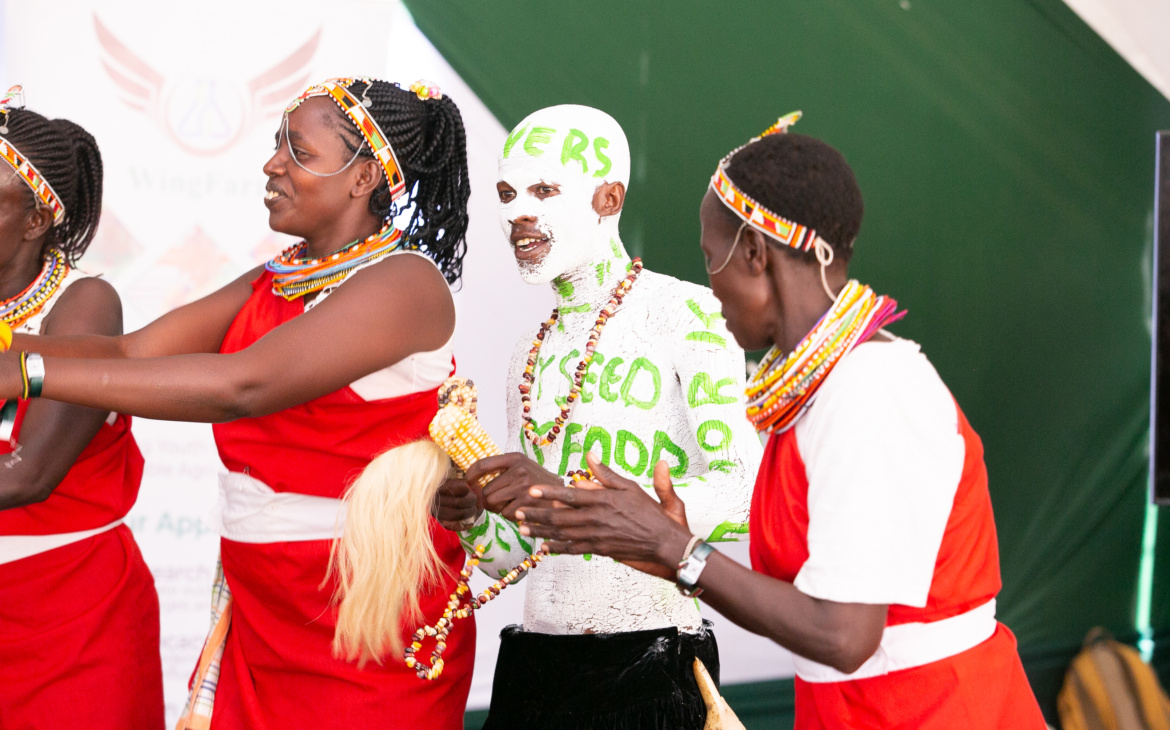
As calls grow to reclaim indigenous seeds systems, farmers and experts are challenging Kenya to recognise traditional knowledge, address gender inequalities and put communities at the centre of decisions shaping the country’s food future.
Much of this knowledge was passed down through generations, often by women who carefully selected and stored seeds for subsequent planting seasons.
Beyond an agricultural tradition, these practices helped households maintain crop diversity, protect food supplies and preserve varieties suited to their local environments.
Yet, despite sustaining farming communities for generations, indigenous seed systems have frequently remained on the margins of formal agricultural policies.
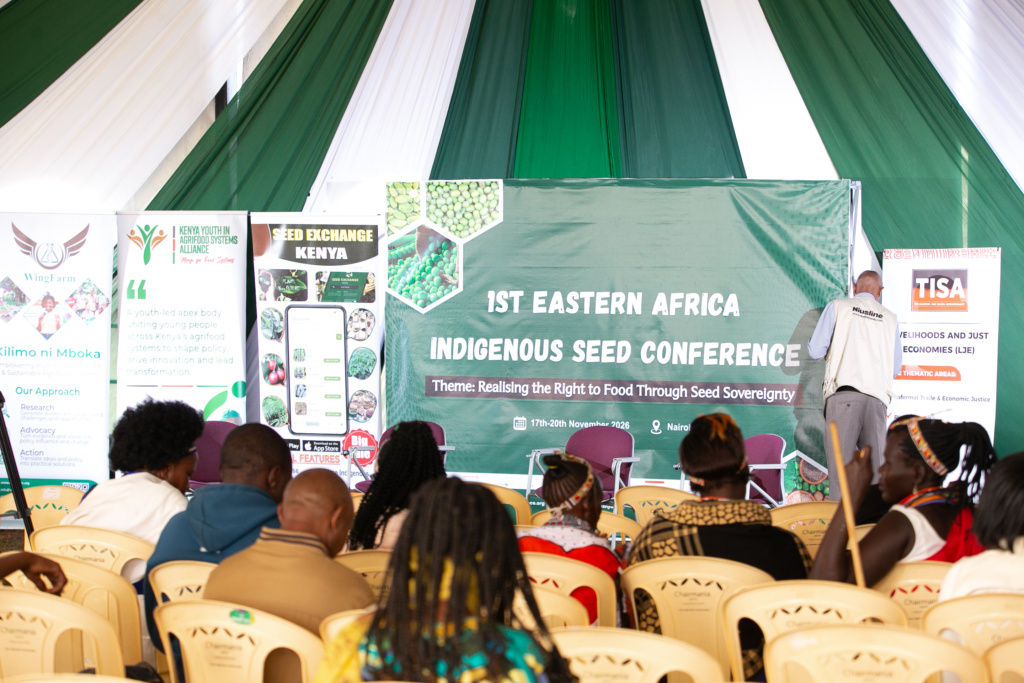
This was among the concerns raised during a gathering convened by the Institute for Social Accountability (TISA), bringing together farmers, researchers, government representatives and civil society organisations to examine seed sovereignty, gender justice and inclusive food systems.
At the centre of the discussions was a fundamental question: how can Kenya build resilient food systems while overlooking the farmers and traditional knowledge that continue to sustain much of its seed supply?
For Dr. Desterio Ondieki Nyamongo, Director of the Genetic Resources Research Institute (GeRRI) at the Kenya Agricultural and Livestock Research Organization (KALRO), seeds remain the foundation of agricultural production, regardless of the availability of fertile soils or favourable weather conditions.
“You may have very fertile soils. You may have adequate rains. If you don’t have seed, you have nothing at the end of the day,” he told participants.
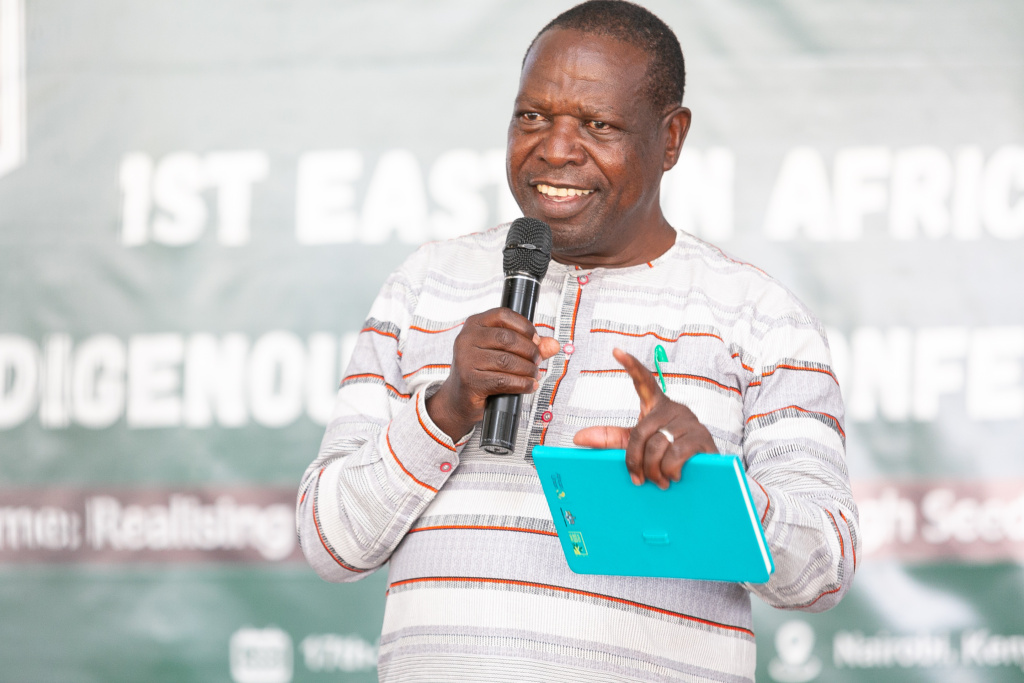
Dr. Nyamongo highlighted the coexistence of formal and informal seed systems in Kenya, explaining that the latter accounts for between 80 and 90 per cent of the country’s seed supply.
The informal system largely relies on farmers saving, selecting, exchanging and replanting seeds, often through community and family networks.
Despite its contribution, Dr. Nyamongo argued that the system has not received adequate attention in national policy, pointing to the 2010 National Seed Policy, which acknowledged its existence without sufficiently addressing how it should be supported.
He, however, cautioned against viewing indigenous seed systems as competitors to commercial seed production.
“They are complementary,” he explained, arguing that both systems have a role in strengthening agricultural production and accommodating the diversity of crops within Kenya’s food basket.
For him, the priority is developing appropriate policy, legislative and institutional frameworks that recognise informal seed systems while improving their quality and contribution to agricultural livelihoods.
He also emphasised the importance of public participation in shaping emerging seed legislation, urging farmers to ensure their interests are represented.
“Unless policies are implemented and resources are put into them, then they don’t make policies,” he cautioned.
Women at the centre of seed sovereignty
Beyond policy recognition, the discussions exposed another challenge confronting indigenous seed systems: the inequalities affecting women, who have historically played a significant role in preserving agricultural biodiversity.
Rebecca, representing LTO, said the 2026 International Year of the Woman Farmer should provide an opportunity to move beyond celebrating women’s contributions towards addressing the structural inequalities limiting their participation in agriculture.
She also highlighted a reported 24 per cent productivity gap between women-managed and men-managed farms, attributing such disparities partly to unequal access to productive resources, including land.
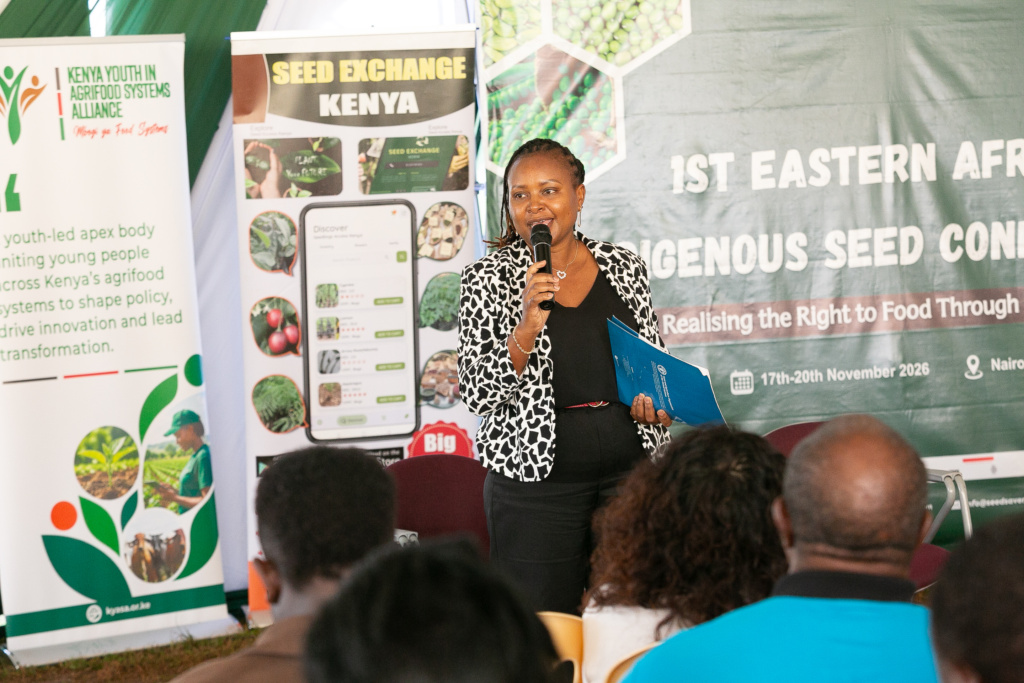
For Rebecca, meaningful inclusion must go beyond counting the number of women attending agricultural programmes or receiving seed distributions.
“We must ask whether women can decide which seeds to plant,” she said.
She argued that women must also have greater control over land, production resources and decisions within households, communities and farming organisations.
The importance of preserving this knowledge was illustrated by Judy Jokavi Mugo, a farmer from Gatoto North in Kiambu County, who brought samples of traditional maize and beans to demonstrate how her family has maintained indigenous seed varieties.
Mugo explained that her mother and grandmother taught her traditional seed preservation methods, including using ash to store maize.
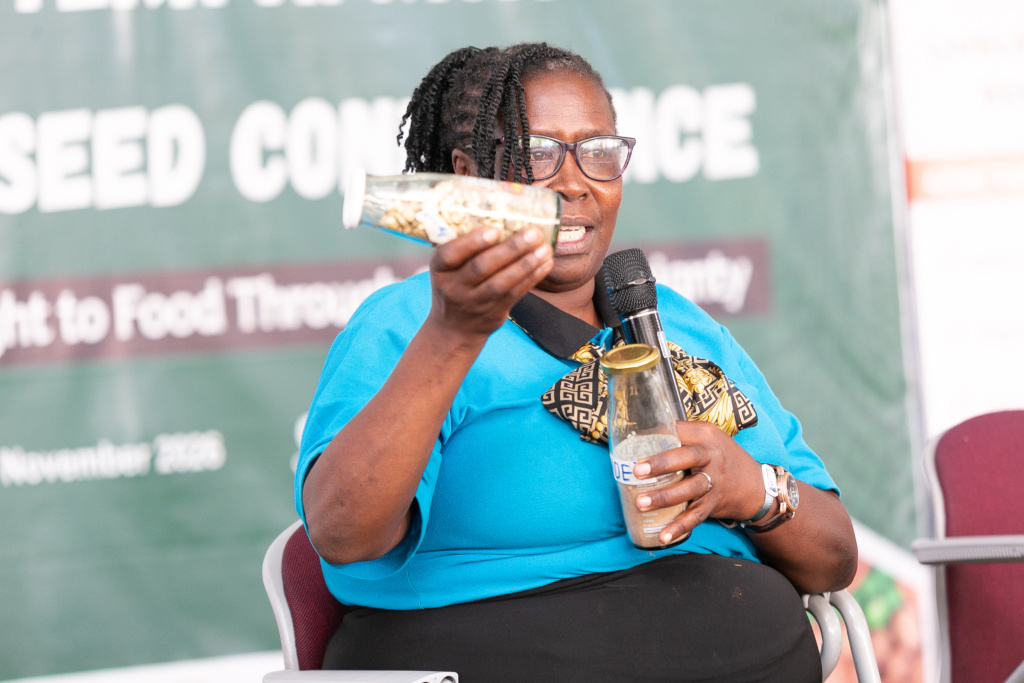
The practice, she said, has enabled her family to preserve seeds across generations.
Now nearly 54, Mugo continues to plant the varieties and has extended her knowledge to other farmers through a community-based organisation.
She expressed concern that some indigenous seeds varieties are becoming increasingly difficult to find, despite their continued existence within farming communities.
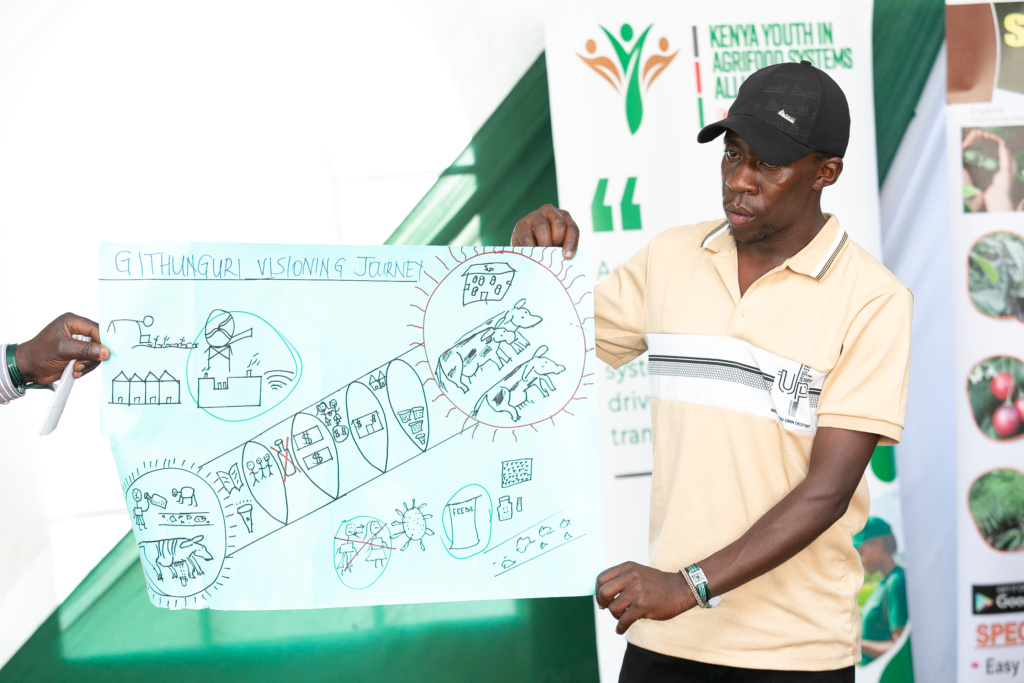
Through community training and seed-saving initiatives, she hopes to connect older farmers with younger generations to safeguard the varieties and knowledge that have sustained local food production.
From traditional knowledge to policy action
At the county level, Kiambu is among the administrations seeking to integrate agroecology and indigenous seed conservation into agricultural planning.
Wilfred Mwenda Kiara, Kiambu County’s official in charge of Agriculture, Livestock and Cooperative Development, acknowledged that the county’s existing seed support programmes have largely concentrated on improved maize and wheat varieties, alongside crops such as cassava and sweet potato.
However, he said the county increasingly recognises the importance of indigenous and locally adapted varieties, particularly in the face of climate change.
Citing findings from a county food security survey conducted through the Sema Kiambu application, Kiara said women constitute between 70 and 80 per cent of the county’s farmers, although men continue to dominate ownership of larger tracts of land.
Despite cultivating smaller parcels, women remain central to food production.
“I can assure you, they are the ones who feed Kiambu,” he said.
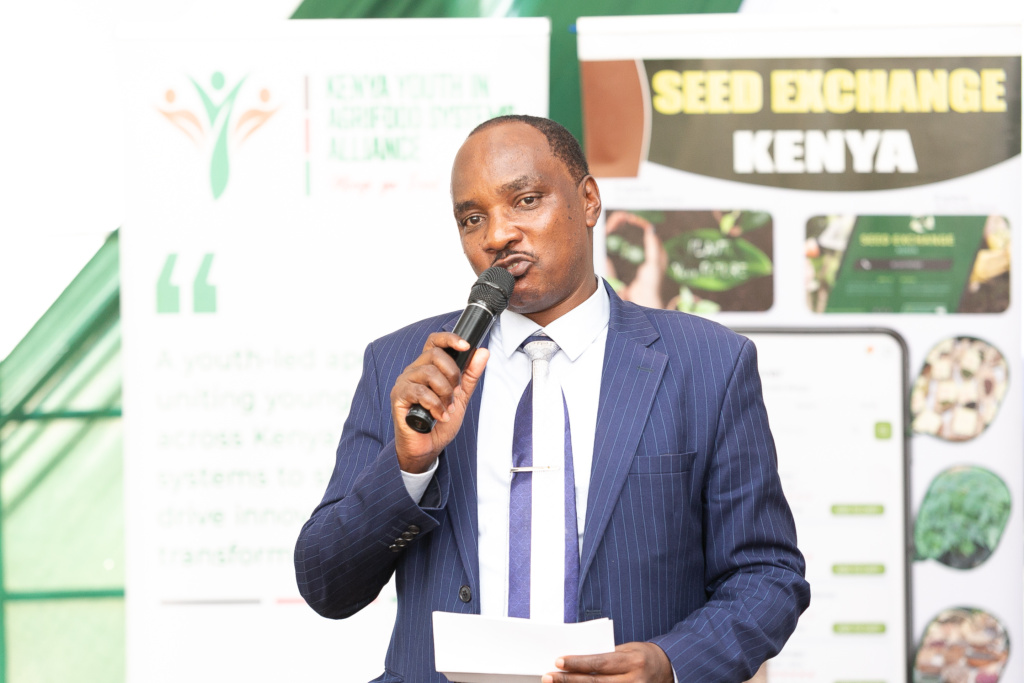
Kiara highlighted the county’s commitment to developing an Agroecology Policy and Agroecology Development Act, alongside a framework that identifies indigenous seed promotion, gender inclusion, farmer participation, knowledge sharing and biodiversity conservation as priorities.
He also expressed the county’s interest in supporting organic farming, including exploring opportunities to procure organic fertilisers for farmers adopting agroecological practices.
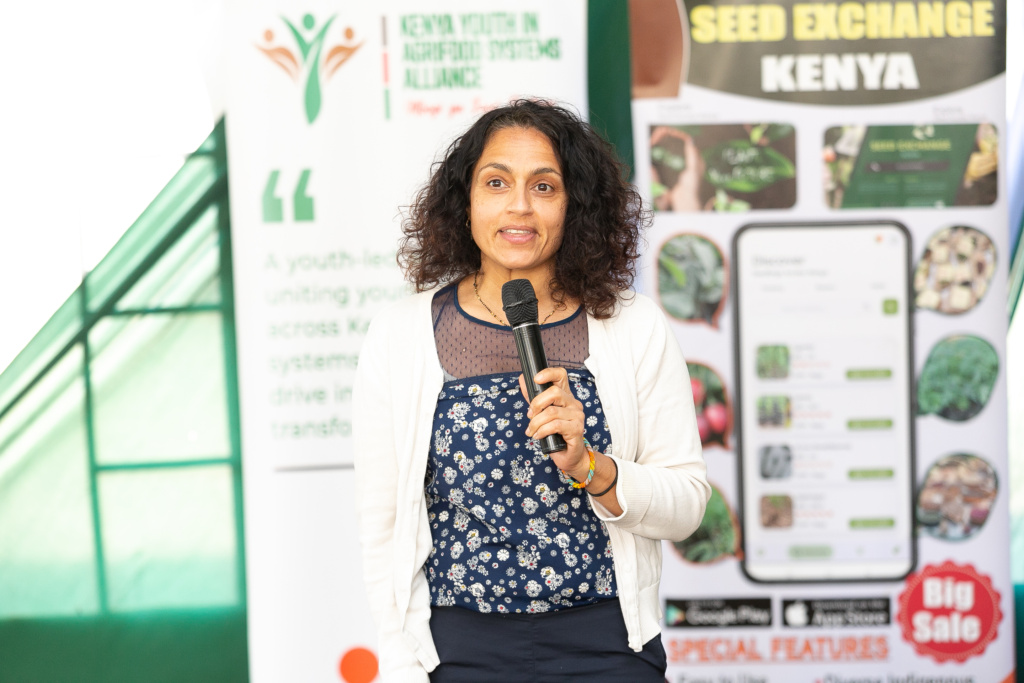
For Dr. Sheila Brown, whose research experience in Canada included farmer-led seed demonstration plots, communities must remain central to seed research and development.
She explained that farmers involved in the demonstration plots experimented with open-pollinated varieties, improved their crop selection skills and explored different crops, including amaranth, okra and eggplant.
“Indigenous Seeds systems are not just about the technology, but it’s about the community and the infrastructure and the supports that are surrounding these seed systems,” she observed.
She further called for the protection of seeds as a common resource and greater inclusion of communities that often lack access to funding and agricultural inputs.
Ultimately, the discussions point to a broader challenge for Kenya’s food future: strengthening agricultural production while recognising the knowledge, diversity and people sustaining existing seed systems.
Indigenous seeds alone cannot resolve the structural challenges facing agriculture. Farmers also need access to land, finance, research and supportive policies. Women, in particular, need greater authority over the resources and decisions shaping their livelihoods.
Although as Mugo’s experience demonstrates, some of the country’s most valuable agricultural knowledge remains with farmers who have preserved seeds and passed on their practices through generations.
The challenge now is to ensure that the policies shaping Kenya’s agricultural future recognise, protect and invest in the indigenous seeds systems they have kept alive.
Author Profile

-
Seeker.
Inspire AFRIKA.
Latest entries
 Agriculture20 November 2026Kenya’s Indigenous Seeds: The Farmers Keeping Food Sovereignty Alive
 Adaptation19 November 2026COP31’s Missing $120 Billion: Africa’s Adaptation Finance Battle Moves to Addis
 Agriculture18 November 2026Who Controls Eastern Africa Farmers Seeds? A Growing Push to Reclaim Food Sovereignty
 Agriculture17 November 2026Eastern Africa Farmers Gather in Nairobi to Advance Indigenous Seed Sovereignty


