As Eastern Africa farmers, policymakers and civil society organisations meet in Nairobi, concerns over dependence on commercial seed systems are renewing calls to protect indigenous varieties and put farmers at the centre of decisions shaping the region’s food future.
For Eastern Africa farmers, the future of food security may depend on something deceptively small: the seed.
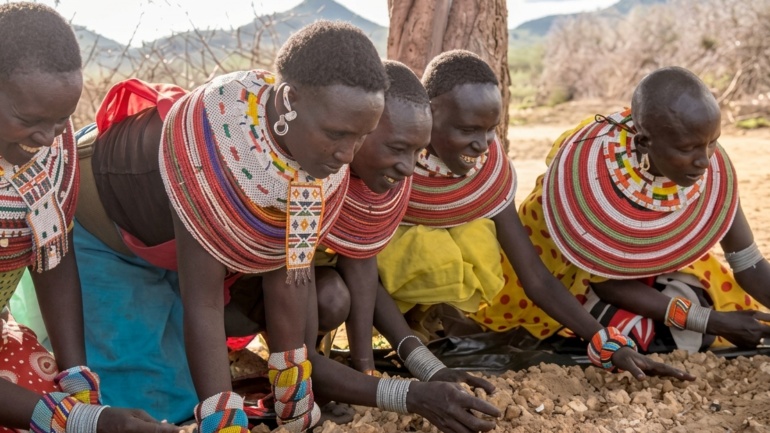
Across the region, generations of farmers have selected, saved, exchanged and replanted indigenous seeds, preserving varieties shaped by local environments, farming practices and food cultures. These traditional seed systems have helped sustain agricultural diversity while allowing communities to maintain control over an essential resource for food production.
However, as commercial seed markets expand and governments pursue harmonised agricultural policies, questions are emerging over who controls the seeds farmers plant, how accessible they remain and whether traditional seed systems will have a place in the region’s agricultural future.
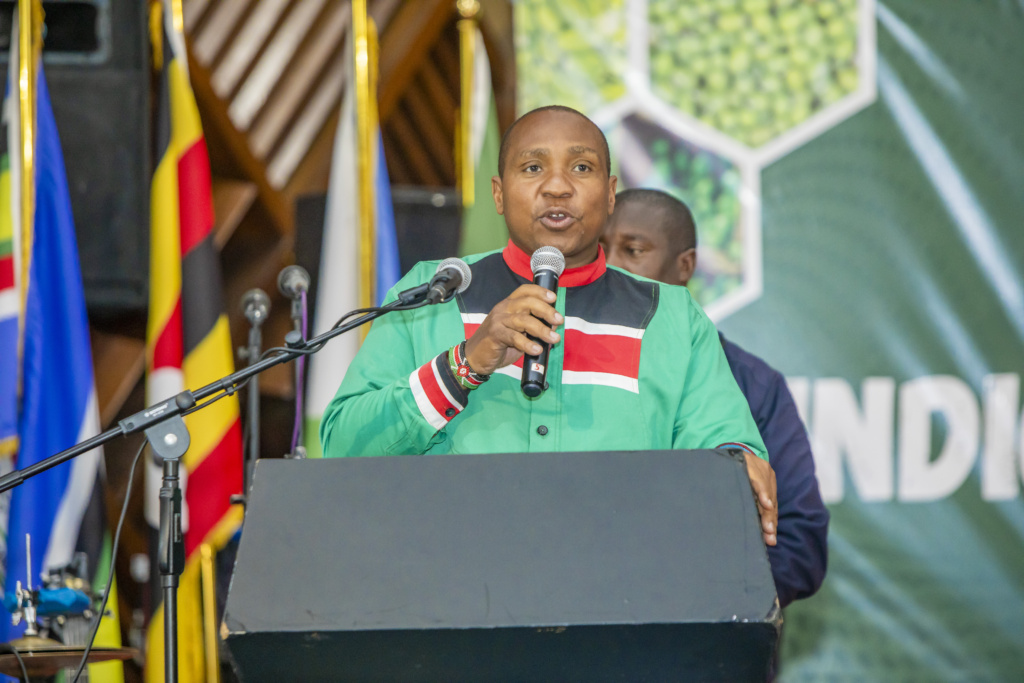
David Ole Sankok, a Member of the East African Legislative Assembly representing Kenya, argues that the region’s reliance on commercial seed suppliers exposes its food systems to vulnerabilities that deserve greater attention.
Speaking at the conference, Ole Sankok pointed to the concentration of the global commercial seed market among a small number of companies, warning that excessive dependence on external suppliers could leave countries exposed to supply disruptions.
“We can comfortably produce our own seeds, but I don’t know why we are relying on those four big companies in terms of production of seeds,” he said.
His concern is rooted in the wider question of food sovereignty: whether countries and communities have sufficient control over the resources needed to feed their populations.
Ole Sankok noted that the East African Community has considerable agricultural resources, including land, freshwater lakes and rivers, which he believes could support stronger regional seed production and more independent food systems.
“For quite some time, we have forgotten our indigenous seeds, either plant seeds or animal seeds,” he said.
He also questioned the region’s understanding of sovereignty, arguing that governments have invested heavily in protecting political and territorial independence without giving equal attention to people’s ability to access food.
“Food is a basic need, but African governments have concentrated so much on political sovereignty. The basic of all basic is food,” he said.
His remarks place indigenous seeds within a broader debate about the region’s capacity to produce food, preserve agricultural diversity and reduce vulnerability to external supply chains.
Indigenous seeds, biodiversity and the role of women in Eastern Africa
For Jessica Wood, Executive Director of Canadian non-profit organisation SeedChange, protecting indigenous seeds is inseparable from recognising the role women play in sustaining food systems.
SeedChange works with partners in Tanzania, Ethiopia and Kenya on agroecology and women’s rights. Wood says women farmers are central to food sovereignty and seed saving, yet their knowledge and perspectives are not always adequately represented in decisions shaping agriculture.
“Women farmers play an incredibly large role in agroecology and in food sovereignty and in seed saving across Eastern Africa,” she said.
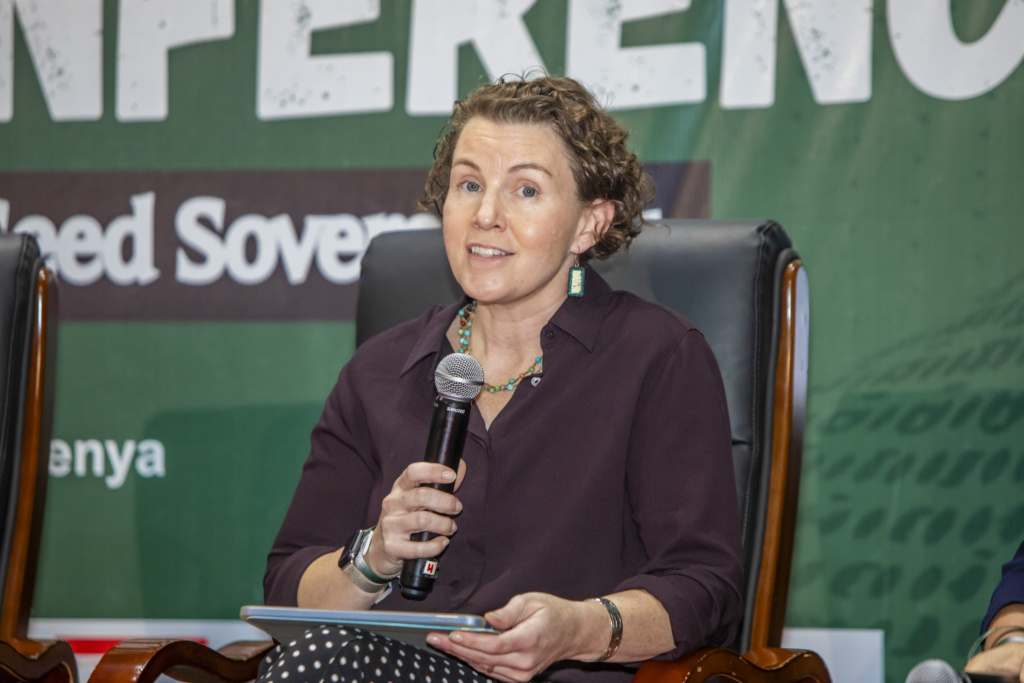
She argues that decisions on seed saving, crop distribution, agricultural production and land use affect not only individual households but entire communities. Excluding women from these discussions risks overlooking knowledge and experience that could strengthen local food systems.
Wood also sees women’s networks as important in encouraging the wider adoption of agroecological practices. Through seed exchanges and the sharing of experiences about different crops and their nutritional value, women farmers can help other communities discover and adopt alternative agricultural practices.
“It’s important because of biodiversity. If we are not protecting indigenous seeds, then we’re losing biodiversity,” she said.
The loss of indigenous varieties, she added, also weakens the diversity available to farming communities as climate change places increasing pressure on food production. Preserving locally adapted seeds can give farmers a wider range of options when responding to changing rainfall patterns, drought and other environmental pressures.
The same emphasis on indigenous seed systems came from Katrin Voss, Director of the Rosa Luxemburg Foundation’s East Africa office in Dar es Salaam. The foundation was among the organisations involved in establishing the conference.
Voss argued that indigenous seeds have sustained food production for generations, shaped by farmers’ knowledge and efforts to respond to environmental conditions and human needs.
“Having indigenous seeds, it’s the baseline, it’s the ground to secure food security but also food sovereignty,” she said.
For the foundation, the concern is that commercial and industrial agricultural systems could displace local seed practices, particularly where regulations restrict farmers’ ability to preserve and exchange seeds.
Voss also questioned the assumption that industrial agriculture alone can deliver food security, arguing that local seed systems and agroecological practices require stronger political support, including access to land and government assistance.
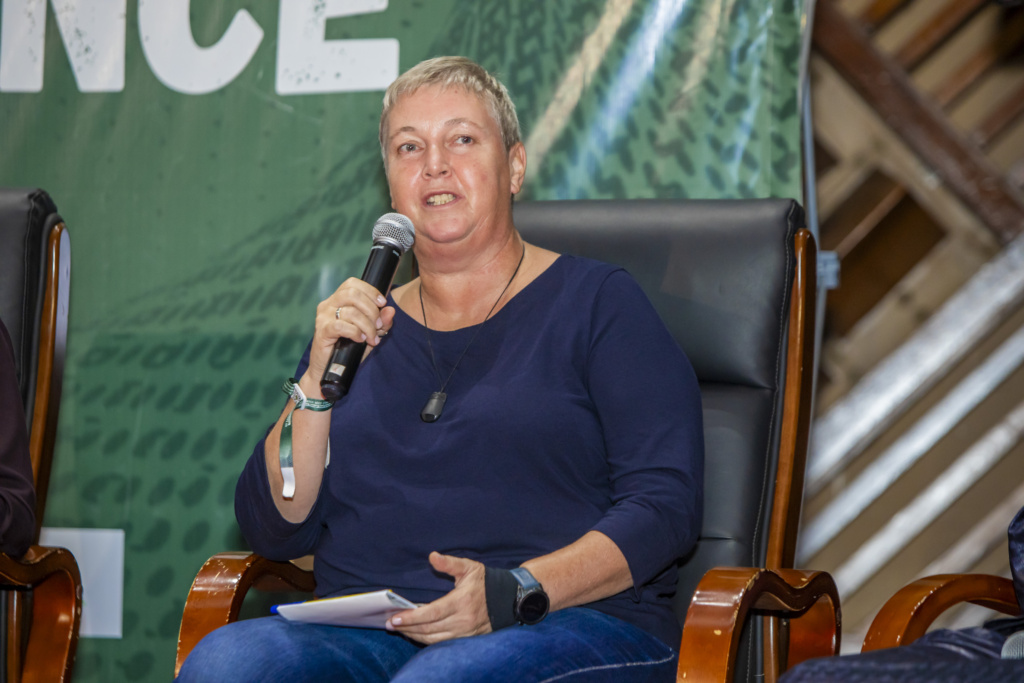
The foundation’s regional work, which connects partners in Kenya, Uganda, Rwanda and Tanzania, seeks to strengthen knowledge exchange and collaboration among organisations working on food sovereignty.
Voss said the conference would be meaningful if it enabled farmers and participating organisations to build lasting relationships, exchange knowledge and develop a stronger collective voice.
A regional policy question
Beyond the discussions about biodiversity and farmer knowledge, the future of indigenous seeds is increasingly tied to regional agricultural policy.
The East African Community is considering a common framework for regulating seed and plant varieties through the proposed EAC Seed and Plant Varieties Bill, 2025. The legislation seeks to harmonise aspects of seed registration, certification, marketing and plant breeders’ rights across member states.
A harmonised framework could help improve regulatory consistency, facilitate regional seed trade and strengthen quality assurance. However, farmers and civil society organisations are concerned about whether the proposed legislation will adequately recognise farmer-managed seed systems and protect communities that have conserved and exchanged indigenous varieties over generations.
David Wanjama, Director of Seed Savers Network, warned that the continued marginalisation of indigenous seeds and smallholder farmers could deepen the region’s dependence on external seed systems, undermining efforts to achieve food sovereignty.
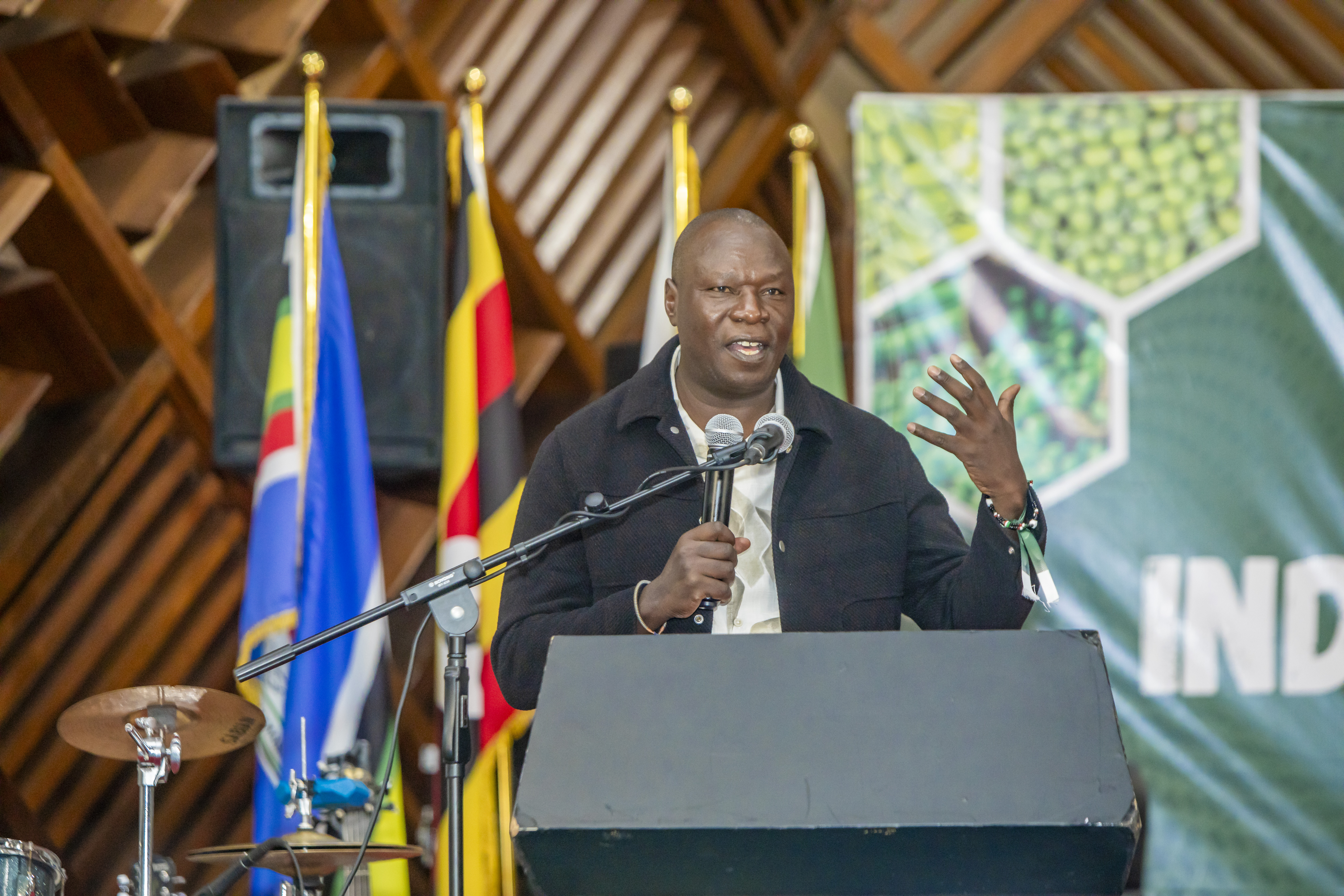
He argued that the loss of indigenous varieties also represents a loss of agricultural biodiversity, particularly at a time when climate change is placing increasing pressure on food production.
Wanjama emphasised the importance of recognising indigenous knowledge, which has been passed down through generations of farming communities and helped sustain traditional crop varieties under changing environmental conditions.
For him, protecting indigenous seeds is therefore not simply about preserving agricultural heritage but also about maintaining the knowledge and resources that communities depend on to produce their own food.
His concerns reinforce a central question surrounding the proposed regional legislation: whether harmonisation will accommodate the diversity of seed systems across Eastern Africa or risk placing additional constraints on farmers who rely on saving, exchanging and replanting traditional varieties.
Ole Sankok said the regional legislative process had included public participation across the EAC’s eight member states, with submissions from farmers and other stakeholders informing discussions on the Bill.
He encouraged conference participants to continue submitting their views, both in writing and through oral engagement with the regional legislature.
“If it is not taken, we will consult you and tell you why it is not taken. If it is taken, you will see it in the bill,” he said.
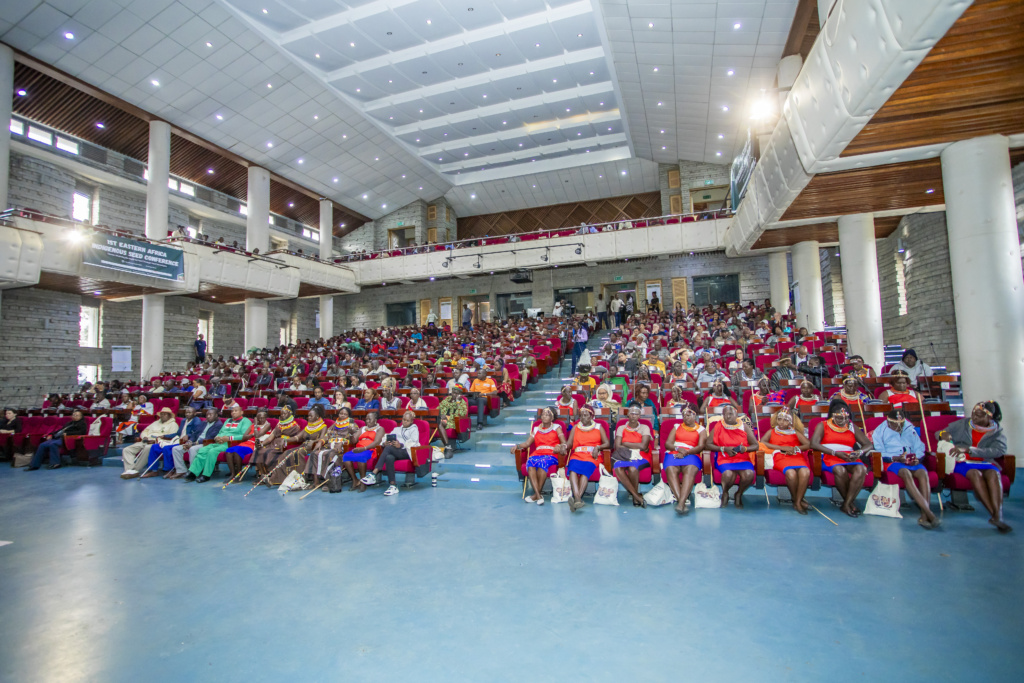
His assurance comes amid wider calls from conference participants for meaningful farmer representation in decisions that directly affect their livelihoods.
Ultimately, the debate is not simply about choosing between indigenous and commercial seeds. Both have a place in agricultural production, but the challenge is ensuring that farmers retain meaningful choices over what they grow, how they preserve it and how they exchange it.
As Eastern Africa considers the future of its seed systems, the decisions made today will help determine whether agricultural policies strengthen farmers’ independence, protect biodiversity and recognise the communities whose knowledge has sustained the region’s food systems for generations.
Author Profile

-
Seeker.
Inspire AFRIKA.
Latest entries
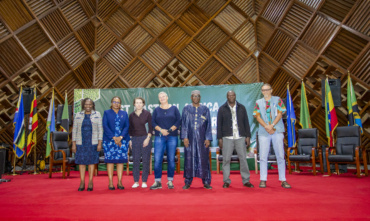 Agriculture18 November 2026Who Controls Eastern Africa Farmers Seeds? A Growing Push to Reclaim Food Sovereignty
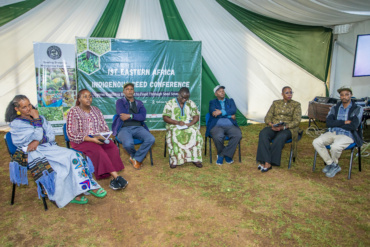 Agriculture17 November 2026Eastern Africa Farmers Gather in Nairobi to Advance Indigenous Seed Sovereignty
 Adaptation17 November 2026Africa Pushes for Climate Adaptation Finance as Global Resilience Commitments Face Test
 COP3116 November 2026Fossil Fuel Phase-Out Returns to COP31 Negotiating Table as Countries Clash Over Ambition