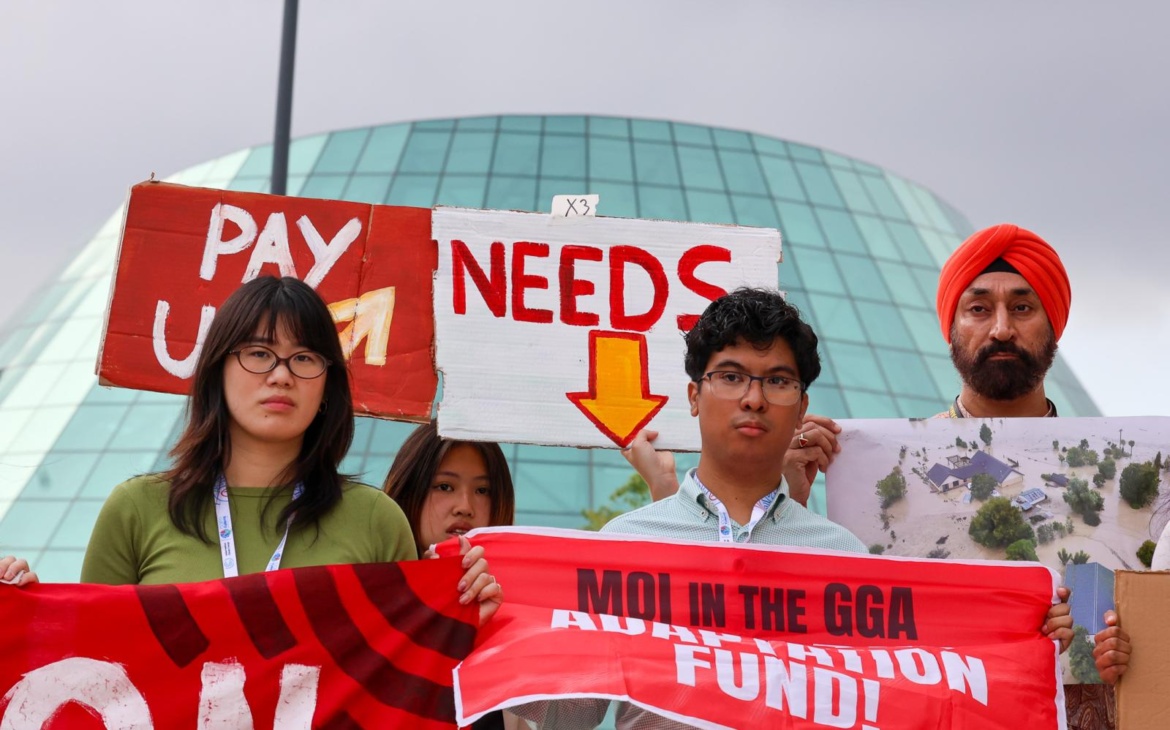
The removal of a proposed annual adaptation finance target from the latest negotiating text in Antalya has exposed the distance between global climate commitments and the resources developing countries need. As COP31 approaches its conclusion, Africa faces another test of whether international climate finance can move beyond political assurances.
The proposed $120 billion annual adaptation finance target was among the most significant financial figures to emerge from the early negotiations at COP31 in Antalya, Türkiye; however, by 19 November, it had disappeared from the revised draft decision.
Its removal has exposed a deeper disagreement over how the international community intends to finance climate resilience in developing countries, particularly those facing growing climate impacts despite contributing relatively little to historical greenhouse gas emissions.
At the centre of the dispute is a commitment carried forward from COP30 in Belém, Brazil, where countries called for efforts to at least triple adaptation finance by 2035. Although the agreement established a direction of travel, it did not specify the financial baseline, intermediate milestones or a mechanism for measuring delivery.
The African Group of Negotiators (AGN), chaired by Antwi-Boasiako Amoah, sought a standalone agenda item on tripling adaptation finance at the beginning of the conference. Such an arrangement would have provided dedicated negotiating space and a clearer mandate for addressing the financing commitment.
The proposal faced opposition from developed countries, including the European Union and the United Kingdom, and did not secure a place on the formal agenda.
For African negotiators, the distinction was significant. Without dedicated attention to the financing commitment, there were concerns that the discussion could become absorbed into broader climate finance negotiations, weakening the focus on how adaptation resources would actually be provided.
“Implementation needs means of implementation,” Amoah said during the negotiations. “Parties must speak to the language of delivery.”
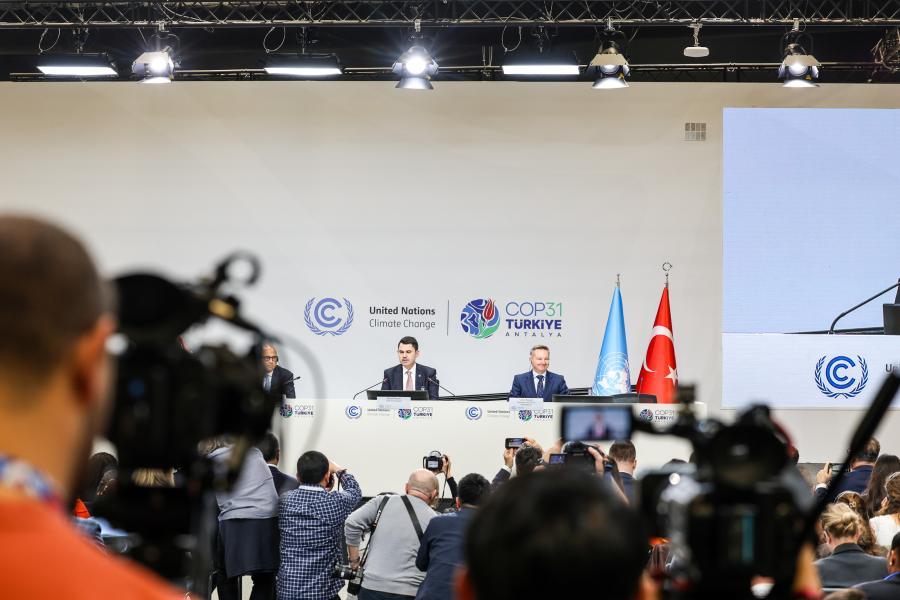
The significance of the Adaptation Finance number that disappeared
The proposed $120 billion figure was not an arbitrary demand. Its calculation drew on the Glasgow Climate Pact, under which developed countries committed to doubling adaptation finance from approximately $20 billion in 2019 to $40 billion annually by 2025.
Developing countries argued that tripling the $40 billion benchmark would provide a clearer interpretation of the commitment made in Belém, producing a proposed annual target of $120 billion by 2035.
An earlier presidency-led draft circulated on 16 November included that figure. However, the revised text published on 19 November removed the quantified target and retained the broader call to at least triple adaptation finance by 2035.
The revised approach leaves the baseline and the pathway towards achieving the commitment subject to further work. It also proposes an Antalya-to-Addis Ababa Roadmap on Adaptation and Resilience Finance, intended to identify predictable and scaled-up public financing sources and improve access to resources.
The development raises a fundamental accountability question: how can countries assess progress towards a financial commitment when they have not agreed on the amount against which that progress should be measured?
Amoah acknowledged the importance of establishing a credible foundation, describing $120 billion as a good starting point while emphasising the need to get the baseline and financing framework right.
However, the absence of a quantified target matters beyond the negotiating room.
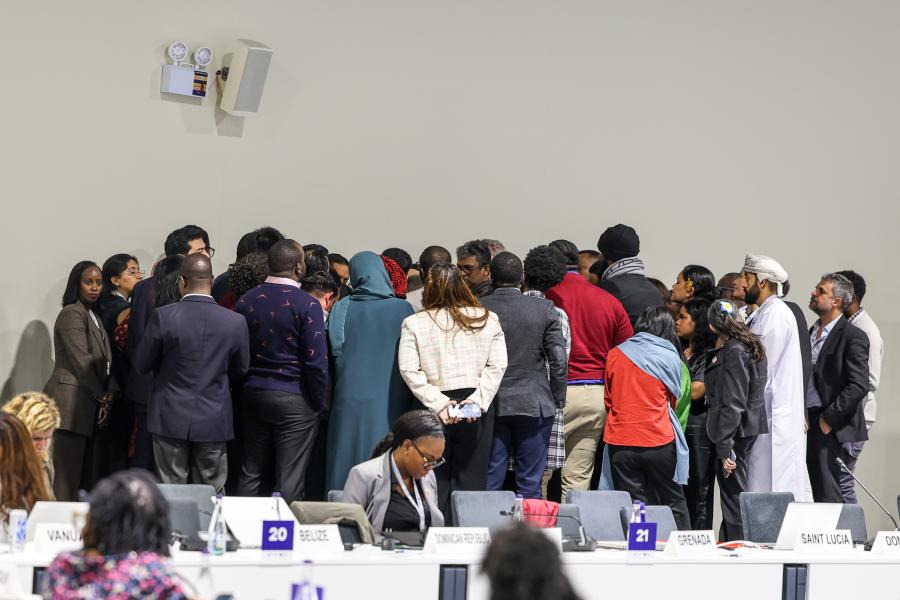
UNEP’s 2026 Adaptation Gap Report estimates that developing countries will require approximately $305 billion annually by 2035 to meet their adaptation needs. International public adaptation finance from developed to developing countries stood at approximately $28.2 billion to $31.7 billion in 2024.
For African governments, the financing debate is also connected to fiscal pressure. Climate-related disasters require emergency spending, often diverting resources from development priorities and placing additional demands on already constrained public budgets.
The concern is therefore not simply whether international climate finance increases, but whether the resources arrive in forms that countries can access, plan around and use without worsening existing debt vulnerabilities.
Developing countries have consequently maintained that adaptation finance should be predictable, additional and predominantly public, with grants and highly concessional financing playing a central role.
Loans may increase the resources available in the short term, but they also create repayment obligations for countries already managing significant debt burdens.
This is particularly problematic for adaptation investments, including early-warning systems, ecosystem protection and climate-resilient public infrastructure, which often generate substantial social benefits without producing direct financial returns.
There is also a question of accounting. Developing countries have expressed concern that adaptation finance could be counted towards broader climate finance commitments without providing a transparent picture of how much new funding is actually reaching adaptation programmes.
The distinction is important because the New Collective Quantified Goal establishes a wider climate finance framework. Counting the same resources towards multiple commitments without clear reporting could make it difficult to establish whether adaptation funding is genuinely increasing.
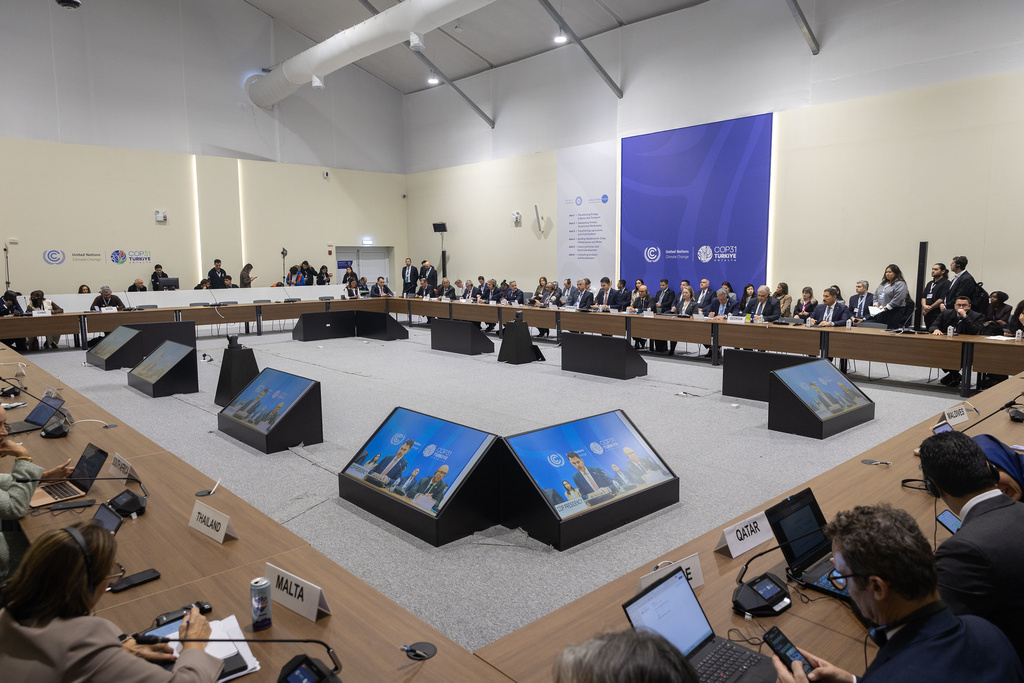
From Antalya to Addis: another test of delivery
With Addis Ababa scheduled to host COP32 in 2027, the proposed process creates an opportunity to move discussions towards identifying public financing sources, addressing barriers to access and establishing a clearer pathway for increasing adaptation support.
However, a roadmap will only be meaningful if it produces more than another series of consultations and recommendations.
For African countries, its value will depend on whether it establishes clear financing expectations, identifies credible sources of public funding and addresses the institutional and procedural barriers that prevent vulnerable countries from accessing existing climate finance.
The negotiations also expose a wider question about the relationship between climate ambition and financial responsibility.
Developed countries have repeatedly acknowledged the importance of supporting adaptation in developing nations. Yet the disagreement in Antalya demonstrates how difficult it remains to translate those acknowledgements into measurable financial obligations.
The Turkish presidency has defended its approach to the negotiations as an effort to prioritise implementation rather than repeat existing commitments. Australia’s COP31 negotiating president, Chris Bowen, has similarly described his task as finding the most ambitious outcome that consensus will allow.
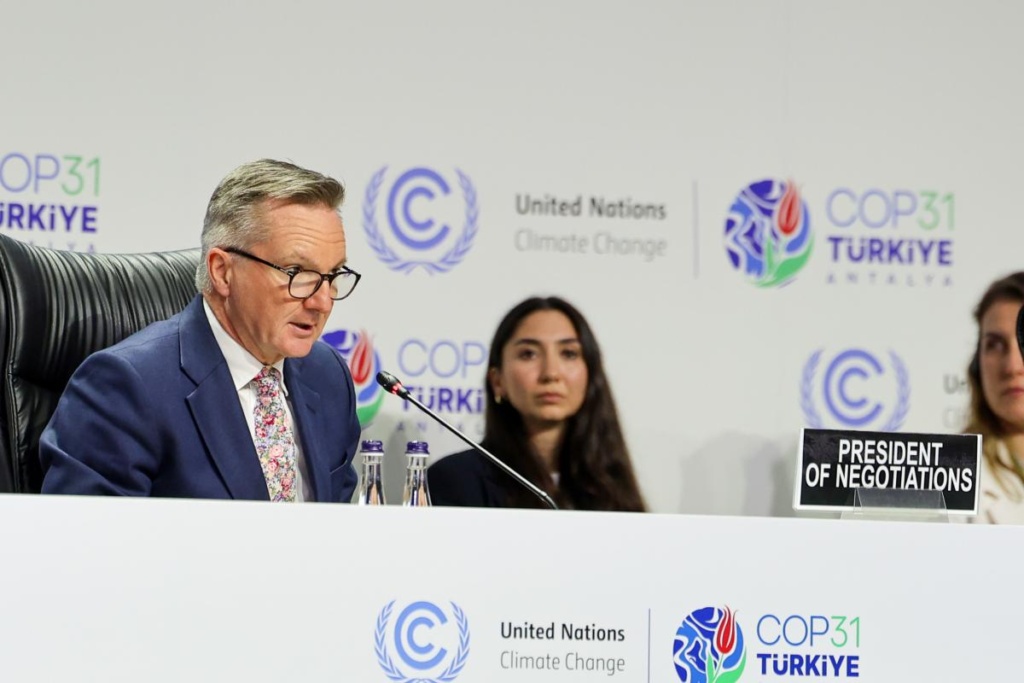
Notable is that implementation cannot be separated from the availability of resources. Countries cannot be expected to accelerate adaptation while the financing required to support their national plans remains uncertain.
As COP31 enters its scheduled final day, the removal of the $120 billion figure leaves African countries with an unresolved financial question and a proposed process extending into the next climate summit.
The challenge for COP32 will be to ensure that the Antalya-to-Addis Ababa Roadmap does not become another mechanism for postponing difficult decisions.
For a continent already confronting mounting climate-related economic and social pressures, the measure of progress will not be another declaration of intent. It will be whether international commitments translate into predictable resources, accessible financing and tangible investments in the resilience of African communities.
The analysis is based on negotiating drafts available on 19 November 2026. The COP31 outcome remained subject to final negotiations at the time of writing.
Author Profile

-
Seeker.
Inspire AFRIKA.
Latest entries
 Agriculture20 November 2026Kenya’s Indigenous Seeds: The Farmers Keeping Food Sovereignty Alive
 Adaptation19 November 2026COP31’s Missing $120 Billion: Africa’s Adaptation Finance Battle Moves to Addis
 Agriculture18 November 2026Who Controls Eastern Africa Farmers Seeds? A Growing Push to Reclaim Food Sovereignty
 Agriculture17 November 2026Eastern Africa Farmers Gather in Nairobi to Advance Indigenous Seed Sovereignty