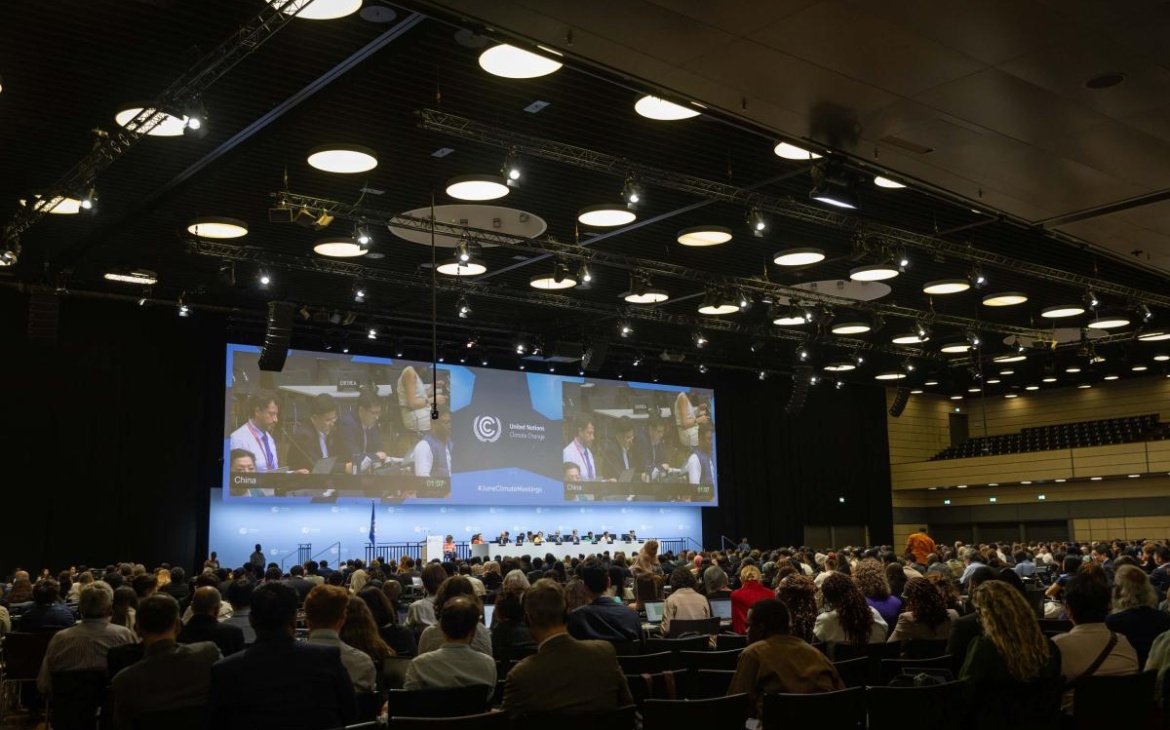
COP31 is faced with Climate Finance Adaptation as the SB64 Bonn climate talks fall short
Governments arrived in Bonn promising an “implementation era” for global climate action. Two weeks later, developing countries were left with growing frustration over what many described as a widening gap between political promises and financial delivery.
The June 2026 UN climate negotiations in Bonn concluded with negotiations on the Global Goal on Adaptation (GGA) collapsing without agreement, while talks on a future Just Transition mechanism made limited but notable progress.
At the centre of the tensions was climate finance, particularly the unresolved question of how developed countries intend to support vulnerable nations already facing escalating climate impacts.
For African negotiators and civil society groups, Bonn exposed a familiar pattern: broad political support for adaptation, resilience and climate justice, but persistent resistance when discussions turned to concrete finance commitments.
Africa Pushes for Adaptation Finance Commitments
The Africa Group of Negotiators entered the SB64 talks demanding that the commitment made at COP30 in Belém to triple adaptation finance be formally reflected in the negotiating text on the Global Goal on Adaptation.
That effort failed. Developed countries resisted embedding explicit adaptation finance language within the GGA negotiations, arguing that finance discussions should remain within broader UNFCCC finance tracks and warning against prejudging outcomes ahead of COP31 in Antalya. The disagreement ultimately caused the negotiations to collapse entirely, with talks now expected to restart from scratch during COP31.
For many developing countries, however, the dispute went beyond procedural disagreements.
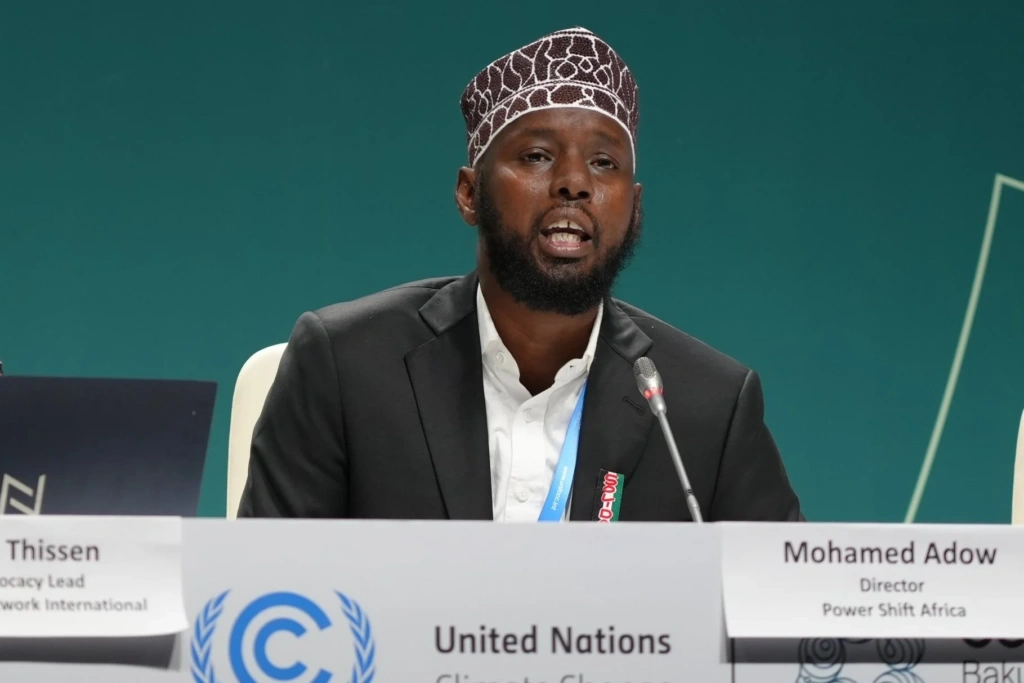
According to Mohamed Adow, PowerShift Africa Director, Bonn was meant to build the runway for COP31. Instead, developed countries spent two weeks trying to erase a commitment they made just months ago in Belém to triple Adaptation finance.
“You cannot arrive at a climate summit, make a promise to the most vulnerable people on earth, and then fly home and pretend it never happened,” he added.
Across Africa, the consequences of delayed adaptation support are already visible. Prolonged droughts, devastating floods, crop failures, displacement and rising food insecurity continue to affect millions across the Horn of Africa, the Sahel and other climate-vulnerable regions.
Regional Coordinator, Climate Action Network Africa, Baboucarr Nyang, pointed out that the SB negotiations once again highlighted the widening gap between the urgency of the climate crisis and the pace of political action.
“While procedural discussions continue, communities across Africa and the Global South are already experiencing devastating impacts. Africa and Global South countries deserve better than delayed decisions and unfulfilled commitments,” said Nyang.
The collapse of the GGA negotiations leaves one of the Paris Agreement’s key pillars unresolved at a time when adaptation needs are rapidly increasing.
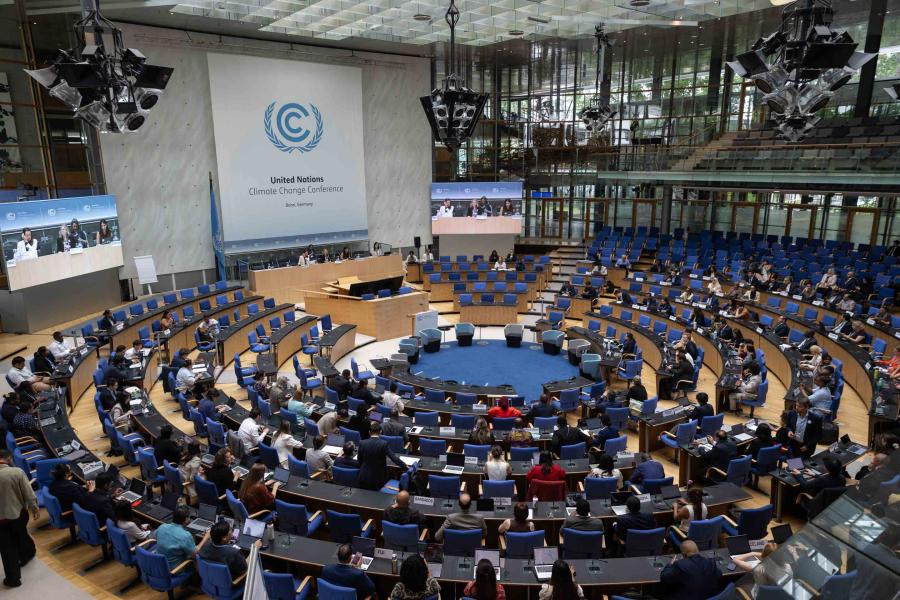
The Finance Divide Deepens in Bonn Climate Talks
Throughout the Bonn negotiations, governments repeatedly emphasised implementation, resilience, equity and Just Transition. Yet negotiators from developing countries argued that implementation cannot happen without adequate public finance, technology transfer, and capacity-building support.
Adaptation Policy Coordinator at Climate Action Network International, Pooja Dave, said that what was seen in Bonn was clear bad faith and unwillingness by developed countries to make progress on the most important issue of adaptation.
“You cannot implement the GGA without finance. For communities already living through floods, droughts, and extreme heat, implementation is not about measuring Adaptation. It is about making it possible,” added Pooja.
The debate also reflected deeper tensions over the broader architecture of climate finance. Developing countries continue pushing for grant-based public finance that can directly support frontline communities, while many vulnerable nations warn that rising debt burdens are undermining climate resilience efforts.
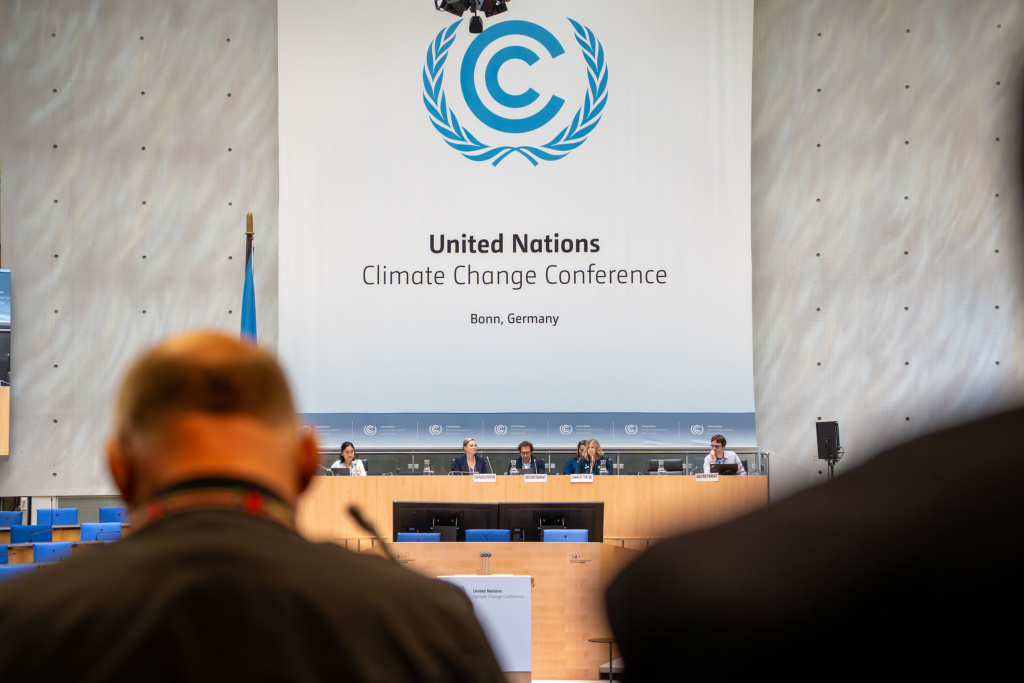
CARE International’s Global Climate Justice Policy and Advocacy Lead,d Marlene Achoki, remarked that Implementation without finance is just bad fiction.
“Families are already facing impossible choices as climate impacts intensify. The looming threat of a turbo-charged El Niño, combined with record-breaking temperatures, droughts and increasingly unpredictable rainfall, risks worsening hunger and deepening the challenges already faced by women and girls,” added Marlene.
Civil society organisations also raised concerns over growing cuts to international development assistance and climate-related funding at a time when climate disasters are intensifying globally.
A Limited Breakthrough on Just Transition
The emerging framework is expected to support workers, communities and countries navigating economic and social transitions linked to climate action and the shift away from fossil fuels.
Although significant disagreements remain around governance, accountability, participation, and implementation support, negotiators described Bonn as an important foundation for future discussions at COP31.
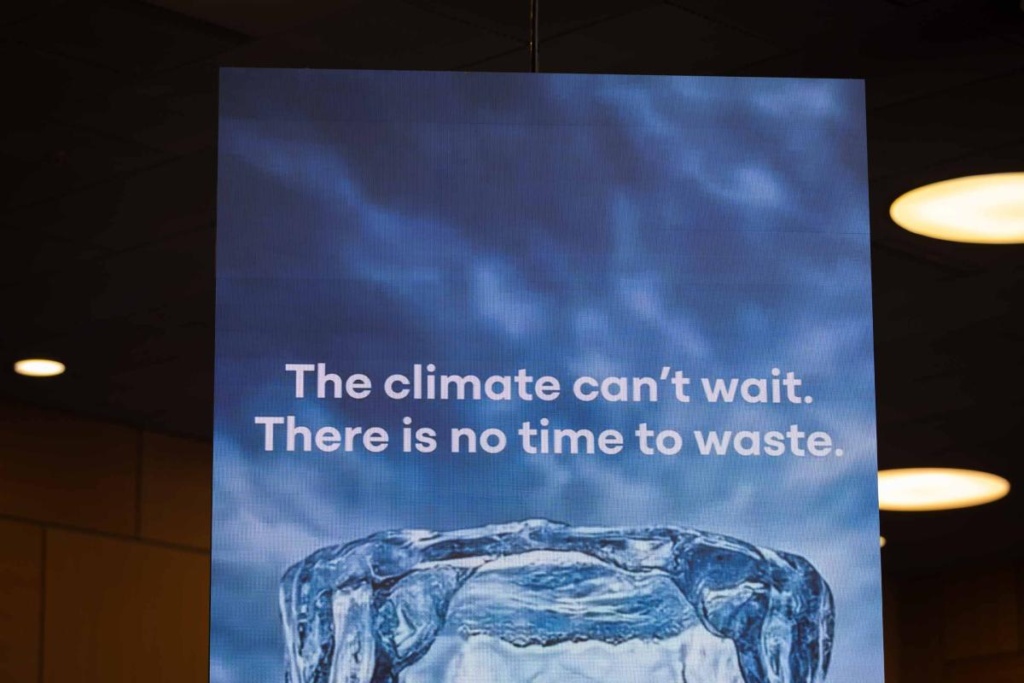
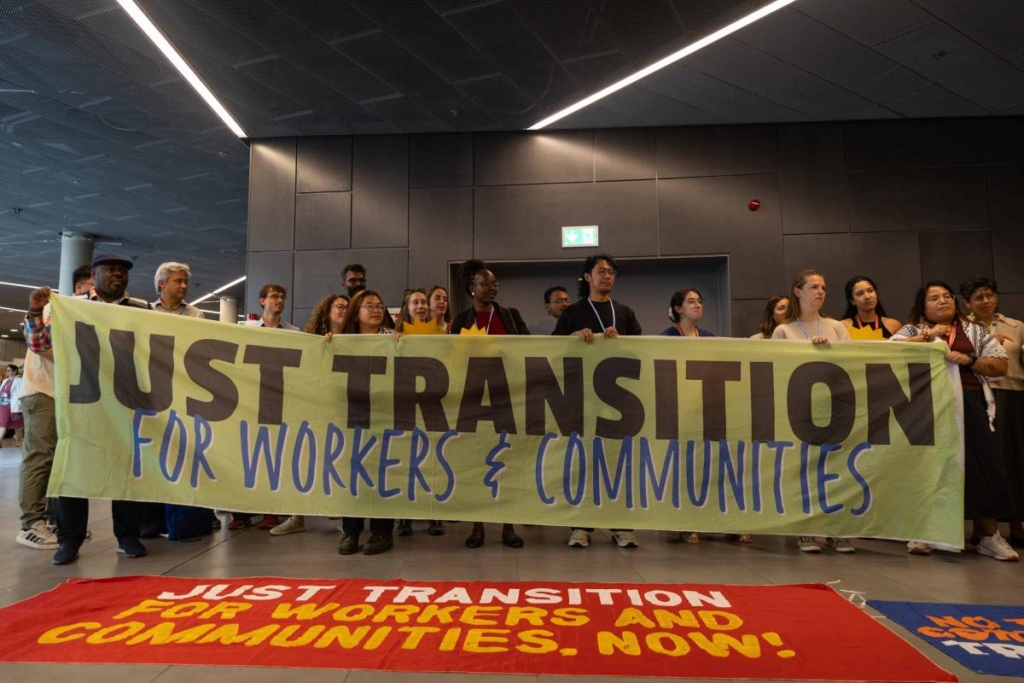
Anabella Rosemberg, Senior Advisor on Just Transition at CAN International, pointed out that the Belém-to-Antalya Mechanism for Just Transition is now within reach.
“Bonn was often slow and frustrating, but it produced the foundations for a meaningful outcome at COP31,” added Anabella.
Camila Mercure, Climate Policy Coordinator, Fundación Ambiente y Recursos Naturales (FARN), said the negotiations showed both the challenges and possibilities ahead.
“Too often, Just Transition has remained a conversation rather than a reality. The Belém-Antalya Mechanism offers an opportunity to change that,” she noted.
Fossil Fuel Transition Still Lacks Clear Delivery Path
Beyond adaptation and Just Transition, negotiations on mitigation, agriculture and fossil fuel transition followed a similar pattern: broad political endorsement, but limited clarity on implementation.
Governments continued to reaffirm the COP28 commitment to transition away from fossil fuels, yet Bonn offered little detail on how developing countries will be supported financially and technologically to accelerate that transition.
For many observers, the negotiations highlighted the growing disconnect between rising climate ambition and the pace of practical delivery.
“Governments arrived in Bonn talking about implementation, but too often they killed time by talking about process,” said Jacobo Ocharan.
“Communities facing climate impacts today do not need another review, another dialogue, or another workshop about implementation. They need governments to deliver on what they have already promised.”
Sven Harmeling, Head of Climate, Climate Action Network Europe, warned that declining climate and development finance risks weakening trust between developed and developing countries ahead of COP31.
“Climate finance is not an optional gesture of goodwill; it is the very foundation for global climate cooperation,” he said.
Meanwhile, Sriram Madhusoodanan, Director of Policy & Advocacy, United States Climate Action Network (USCAN), criticised what campaigners describe as continued political reluctance among major emitters to provide adequate support for vulnerable nations.
“The money exists to address the crisis. Missing, still, is the political will to make those responsible pay,” he said.
Antalya Becomes the Next Major Test
As negotiations now shift toward COP31 in Antalya, the central challenge facing governments is no longer defining the purpose of climate action.
Scientific consensus and lived experience have already established the need for resilience, adaptation, equity and a Just Transition.
The unresolved question is whether governments are prepared to match those commitments with the finance and institutional decisions needed for implementation.
For countries already experiencing worsening floods, droughts, heatwaves and displacement, the stakes continue rising.
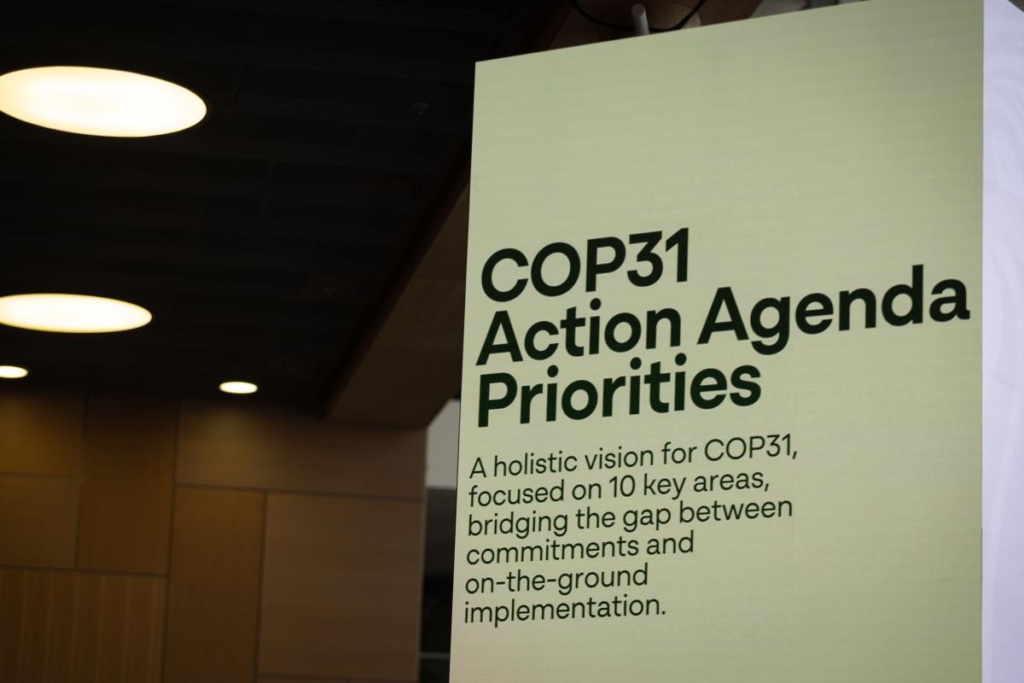
“The credibility of this implementation era will not depend on new dialogues or initiatives, but on whether people and communities see tangible results from decisions that have been negotiated for years,” said Wafa Misrar, Policy Lead, Climate Action Network Africa.
COP31 in Antalya is now expected to become a defining moment for adaptation finance negotiations after a near stalemate during the Bonn climate talks.
Developing countries are expected to push for clearer timelines, stronger accountability and concrete financial commitments, while pressure continues mounting on developed nations to demonstrate that climate promises made in negotiation halls can translate into real-world support for vulnerable communities.
Author Profile

-
Seeker.
Inspire AFRIKA.
Latest entries
 Agriculture14 October 2026Africa’s Food Systems Future Depends on Listening to Farmers
 Weather Forecasts13 October 2026Rain and Rising Temperatures Forecast Across the Greater Horn of Africa
 Climate9 October 2026Beyond Negotiations: Africa Expects Concrete Outcomes from Antalya
 Animals7 October 2026In Kajiado’s Drylands, Collective Selling of Small Herds Is Changing the Livestock Trade