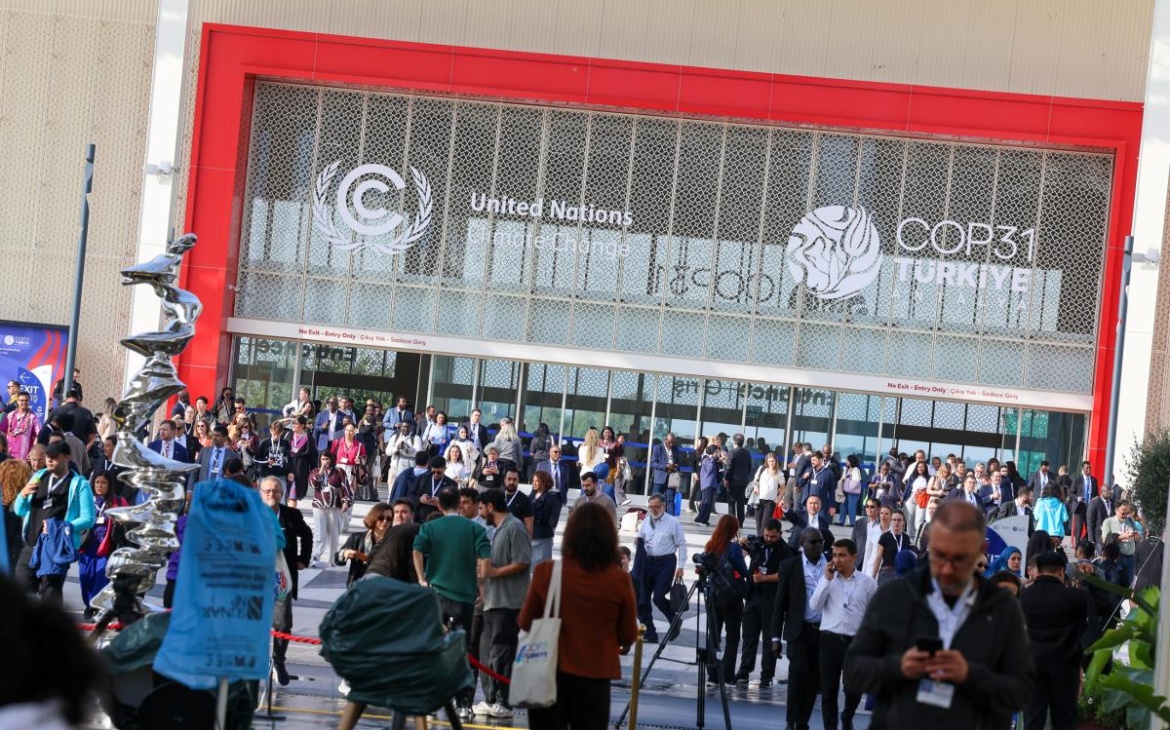
As negotiations continue in Antalya, countries are confronting the widening gap between global adaptation commitments and the financial resources needed to protect vulnerable communities from climate impacts.
As world leaders and climate negotiators gather in Antalya, Türkiye, for the second week of COP31, climate adaptation has emerged as one of the defining tests of whether international climate commitments can translate into meaningful protection for vulnerable communities.
The discussions come at a time when climate impacts are intensifying, placing growing pressure on food systems, water resources, public health, infrastructure and livelihoods, particularly across developing countries.
Although adaptation has increasingly gained recognition within international climate negotiations, the question of how to finance it, measure progress and ensure that support reaches the most vulnerable remains unresolved.
At the centre of the discussions is the Global Goal on Adaptation (GGA), established under Article 7 of the Paris Agreement to strengthen adaptive capacity, build resilience and reduce vulnerability to climate change.
For countries already experiencing increasingly unpredictable rainfall, prolonged droughts, flooding and rising temperatures, the GGA represents an important opportunity to move adaptation from broad policy commitments towards measurable improvements in people’s lives.
However, delivering on that ambition requires more than agreeing on indicators and national plans. It requires predictable financing, institutional capacity, technology and sustained international cooperation.
From global indicators to practical adaptation
The indicators, agreed at COP30, provide a framework for tracking progress across climate adaptation priorities, including water security, food and agriculture, health, ecosystems, infrastructure, poverty, livelihoods and cultural heritage.
They are linked to the UAE Framework for Global Climate Resilience, which provides the broader structure for assessing global progress on adaptation.
However, agreeing on indicators is only part of the challenge. Countries still need practical methodologies, technical guidance and reliable data to assess whether their adaptation interventions are making a difference.
This is where the Belém–Addis Vision on Adaptation becomes important.
The two-year process, expected to run towards COP32 in Addis Ababa in 2027, seeks to guide the practical application of the indicators through further technical work, including developing methodologies and aligning adaptation policies with national systems.
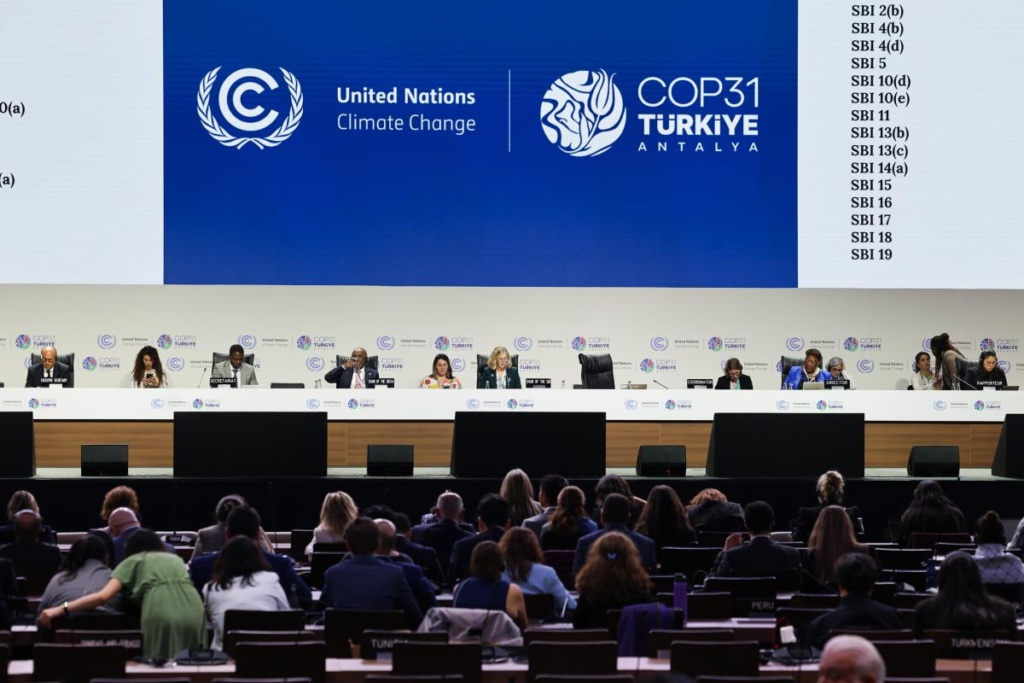
At COP31, negotiators are continuing discussions on operationalising this framework, including the technical support required to help countries integrate the indicators into their national adaptation planning and monitoring systems.
The challenge is particularly significant for developing countries, where limited institutional capacity, technical expertise and financial resources can make it difficult to monitor climate risks and evaluate adaptation interventions.
The discussions also build on the Baku Adaptation Roadmap, established at COP29 to advance work under the Global Goal on Adaptation.
Together, these processes are intended to strengthen the connection between international adaptation commitments and their implementation at national and local levels.
Yet the central question remains: how can countries implement these commitments when the resources required to do so remain significantly below estimated needs?
The financing question behind Africa’s adaptation push
Climate finance has become one of the most contentious aspects of the adaptation discussions in Antalya.
At COP30, countries called for efforts to at least triple adaptation finance by 2035. However, important questions remained about the baseline against which the increase would be calculated, the sources of funding and how the money would be distributed.
At COP31, the African Group of Negotiators (AGN) has pushed for greater clarity on the commitment, including a proposal to establish at least $120 billion in annual adaptation finance by 2035.
The proposal uses approximately $40 billion as a baseline, drawing on the earlier Glasgow Climate Pact commitment to double adaptation finance.
However, this figure remains part of the negotiations rather than an agreed final COP31 target.
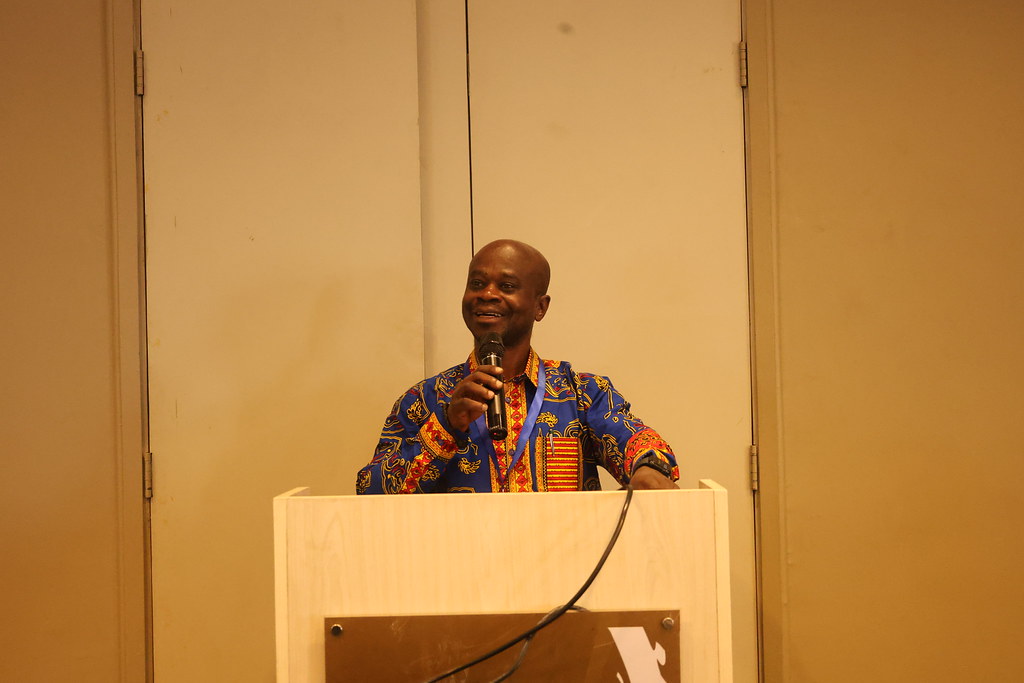
According to African Climate Wire, AGN Chair Nana Dr Antwi-Boasiako Amoah has emphasised the need to establish a clear baseline to measure progress towards the tripling commitment.
African countries also sought a standalone agenda item on tripling adaptation finance, but the proposal was not accepted during the opening plenary. The issue is instead being pursued through existing negotiating tracks.
The disagreement reflects a wider divide over how developed countries should fulfil their climate finance responsibilities under Article 9.1 of the Paris Agreement.
Developing countries are calling for predictable public, grant-based and concessional financing, arguing that reliance on loans risks increasing the debt burden of countries already struggling with climate-related economic losses.
Developed countries, meanwhile, have generally favoured discussing adaptation finance within broader climate finance arrangements, including the mobilisation of private investment.
The scale of the financing gap makes these disagreements particularly significant.
UNEP’s 2026 Adaptation Gap Report, released on 4 November, estimates that developing countries will require approximately $305 billion annually by 2035 to meet their adaptation needs.
Yet international public adaptation finance from developed to developing countries reached between $28.2 billion and $31.7 billion in 2024.
Even if the ambition to triple adaptation finance by 2035 is achieved, UNEP estimates that it would cover only 20–29 per cent of developing countries’ projected needs.
The figures underline the difference between announcing financial ambitions and providing resources at the scale required to address climate vulnerability.
For Africa, the implications extend beyond negotiating figures.
Across the continent, communities depend heavily on climate-sensitive sectors such as agriculture, pastoralism and fisheries. Prolonged droughts, changing rainfall patterns and extreme weather events threaten food production, water availability and household incomes.
Investments in drought-resistant agriculture, water infrastructure, climate information services, early warning systems and resilient settlements are therefore essential to strengthening the continent’s capacity to withstand climate impacts.
Political commitments meet the reality of climate vulnerability
The urgency of adaptation was also reflected in the remarks of United Nations Secretary-General António Guterres at the COP31 Leaders’ Summit on 11 November.
Guterres described adaptation as a matter of survival as global temperatures continue to rise, warning that the world must prepare for increasingly severe climate impacts.
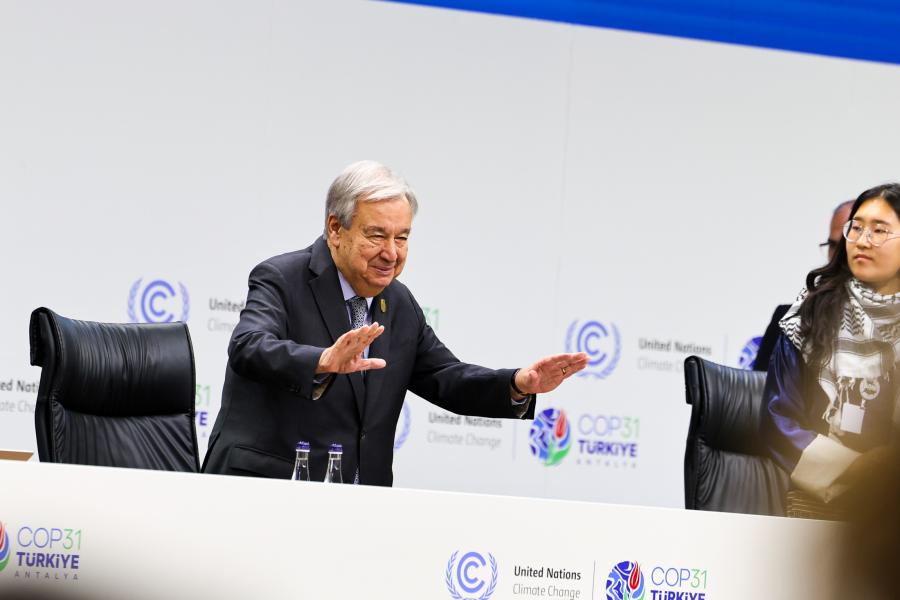
He called for a new generation of national adaptation plans, stronger early warning systems and greater international support for developing countries.
He also urged developed countries to deliver at least $300 billion annually in climate finance by 2035 and establish clear plans to at least triple adaptation finance within the same period.
His remarks reinforced the need to connect adaptation planning with accessible finance, particularly for countries facing the greatest climate risks.
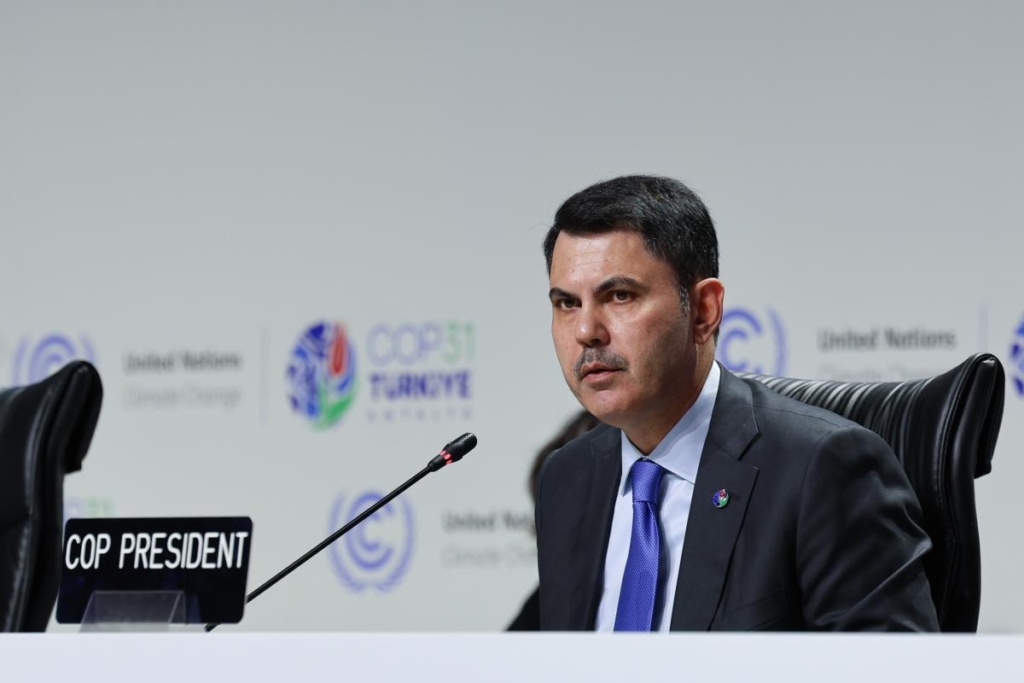
COP31 President Murat Kurum has similarly positioned the Antalya conference as an implementation-focused summit, arguing that climate policy is inseparable from development, food security, energy and urban planning.
This broader understanding is reflected in the Turkish presidency’s priorities, which include climate-resilient cities and resilient health systems.
These initiatives are being advanced alongside formal negotiations through the presidency’s Action Agenda, creating opportunities for partnerships and voluntary commitments.
However, voluntary initiatives must complement rather than replace the formal commitments and financial obligations negotiated under the UN climate process.
The distinction matters because communities cannot build resilience through announcements alone. They require investments in infrastructure, functioning institutions, accessible climate information and services that address their specific vulnerabilities.
As COP31 approaches its scheduled conclusion on 20 November, the adaptation negotiations will test whether countries can move beyond broad commitments to practical implementation.
The 59 Belém indicators provide a foundation for measuring progress, while the Belém–Addis Vision offers an opportunity to strengthen their application. But neither can deliver meaningful resilience without adequate financial and technical support.
For African countries, the outcome will be measured not simply by the language adopted in Antalya, but by whether the commitments translate into resources for communities facing increasingly difficult climate conditions.
Ultimately, the success of the Global Goal on Adaptation will depend on whether international cooperation can turn climate resilience from a negotiating ambition into a tangible development reality.
Author Profile

-
Seeker.
Inspire AFRIKA.
Latest entries
 Agriculture18 November 2026Who Controls Eastern Africa Farmers Seeds? A Growing Push to Reclaim Food Sovereignty
 Agriculture17 November 2026Eastern Africa Farmers Gather in Nairobi to Advance Indigenous Seed Sovereignty
 Adaptation17 November 2026Africa Pushes for Climate Adaptation Finance as Global Resilience Commitments Face Test
 COP3116 November 2026Fossil Fuel Phase-Out Returns to COP31 Negotiating Table as Countries Clash Over Ambition