The high-level 2025 United Nations Conference to Support the Implementation of Sustainable Development Goal 14: Conserve and sustainably use the oceans, seas and marine resources for sustainable development (the 2025 UN Ocean Conference), co-hosted by France and Costa Rica, from 9 – 13 June 2025, kicked off in Nice, France yesterday.
This year’s theme is, ‘scaling up ocean action based on science and innovation for the implementation of Goal 14: stocktaking, partnerships and solutions.’
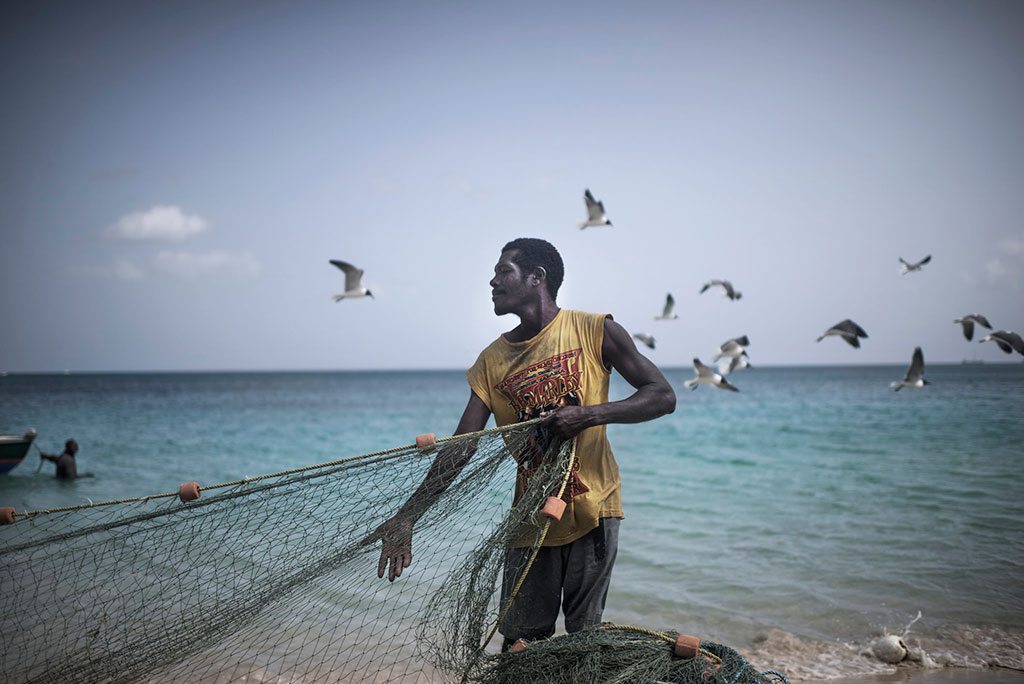
Even as the world comes together in Nice, climate change has significantly impacted hydrology and other natural resources, affecting marine fisheries, a key economic sector and a significant source of food for large numbers of people in Africa.
Rising sea temperatures have resulted in fish stocks migrating toward colder waters away from equatorial latitudes, contributing to shrinking fish sizes, influencing mortality rates of wild fish stocks, and migratory patterns.
For instance, ocean warming in East Africa has destroyed coral reefs, a habitat of some fish species, and reduced fish stocks. Moreover, globally, it is predicted that climate change will reduce fish catches by 7.7 percent and revenues from it by 10.4 percent by 2050 as the Earth warms.
According to the World Bank, more than 12 million people are engaged in the fisheries sector in sub-Saharan Africa. However, the fisheries sector has been under pressure from over-fishing, the result of weak governance and illegal fishing, a situation now compounded by the impact of climate change.
These facts emphasize the precarious position of Africa’s marine fisheries. Consequently, the conference in Nice should call for action and response to the impact of climate change to improve the sustainable management of African fisheries.
Without this, the volume of fish available for consumption in sub-Saharan Africa is expected to decline at an annual rate of 1 percent—or 5.6 kilograms per person per year—by 2030, and the ripple effects for communities relying on fisheries for food, jobs, and wealth creation could be even larger, causing acute vulnerability (due in part to weak adaptive capacity).
Besides, the African Union recently endorsed a resilience policy to address the impacts of climate change on Africa’s fisheries. This emphasizes that investing in improved fisheries governance and management, in livelihood support for fishing communities, and in measures to increase coastal resilience remains a high priority for African coastal economies.
Ocean science plays a vital role in resilience.
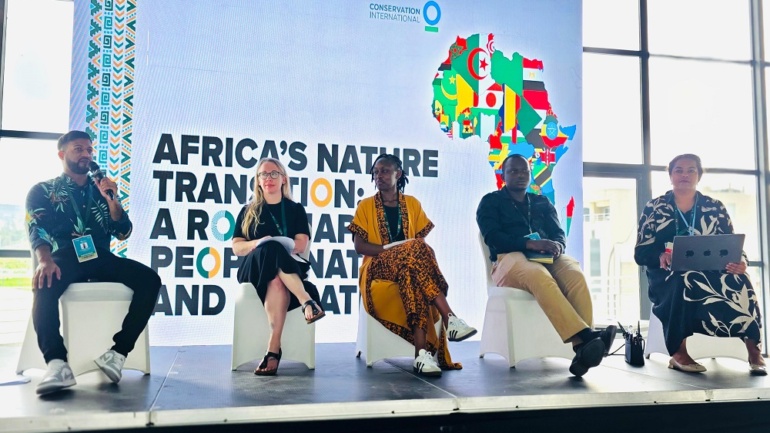
Dr. Obura emphasised the role of ocean science during the Africa Ocean Forum, highlighting that “The Great Blue Wall Initiative needs 100% sustainable seascapes including managing the entire local space for local fisheries i.e. Locally Managed Marine Areas and investing on how we can have healthy ecosystems for nature and people, also foster and regenerate indigenous knowledge in the continent.”
Read Also: SWIO stakeholders chart an inclusive future for the octopus fisheries