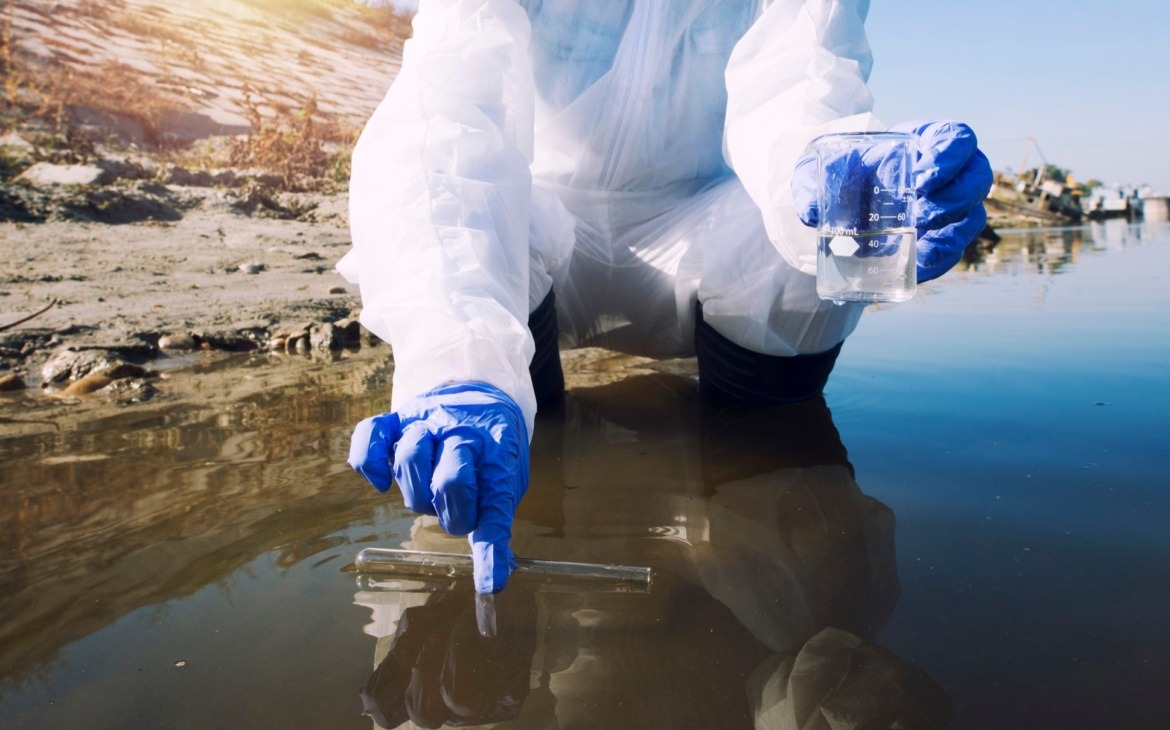
Chemicals are a significant environmental concern that affect ecosystems, water bodies, and soil, undermining resilience and increasing greenhouse gas emissions.
According to a report by the United Nations Food and Agriculture Organization (FAO), approximately 2.3 million tonnes of pesticides are used worldwide annually, with significant portions reaching aquatic ecosystems through runoff.
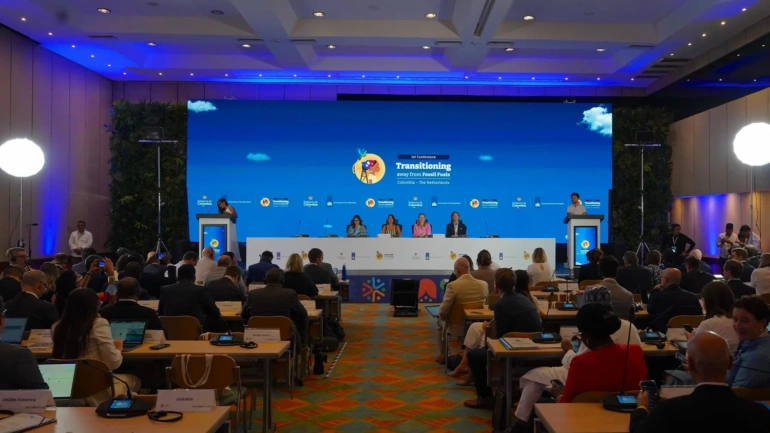
However, chemicals have long been marginalized in climate policy discussions, unlike fossil fuels. Recognizing the urgency of closing the gap, the Open-Ended Working Group (OEWG) for the Global Framework on Chemicals of the Global Framework on Chemicals (GFC) held its inaugural meeting from 24–27 June 2025, Punta del Este, Uruguay.
Over 600 representatives from governments, industry, unions, NGOs, academia, and youth convened to chart a safer, more sustainable global chemicals management course.
Top OEWG‑1 Outcomes
- Implementation Programme Frameworks: Agreements to operationalize the GFC’s five objectives and 28 measurable targets, with a focus on safer alternatives, pollution prevention, and circularity.
- Establishment of the GFC Fund: An emerging financial mechanism to support national implementation efforts, especially in developing economies.
- Gender Action Plan: Commitment to meaningful inclusion of women and youth in chemicals policy, addressing health and equity considerations.
- Alliance on Highly Hazardous Pesticides (HHPs): Official launch of a global collaboration aimed at reducing pesticide risks by 2035.
- Sectoral Masterclasses & Multi-stakeholder Exchange: Targeted dialogues on chemicals in textiles, electronics, finance, and healthcare; aim: integrate chemicals governance into broader sustainability transitions.
Speaking on the engagements that led to the outcomes, Kay Williams, Head of the GFC Secretariat, said, “One of the most encouraging outcomes of this meeting was the level of energy and cross-sector collaboration we’ve seen.”
Besides the outcomes, delegates recognized that persistent siloed approaches remain, as chemical management often operates apart from climate, biodiversity, and circular economy frameworks.
Financing pathways also remain underdeveloped, especially for vulnerable nations needing resilient infrastructure and capacity-building.
According to the OEWG report, Global Framework on Chemicals, for a Planet Free of Harm from Chemicals and Waste, the funding gap for the Framework secretariat and related activities for the years 2025 and 2026 remains at approximately US$1 million in 2025 and US$9 million in 2026.
According to Williams, “OEWG‑1 positions GFC as a powerful vehicle for sustainable development. Its work is a precursor to the first International Conference on Chemicals Management (ICCM‑1) in 2026, which will formalize commitments into action.”
As the framework gears for the OEWG‑2, the secretariat is pushing for inter-treaty synergies across Basel, Stockholm, and GFC to unify responses to pollutants and bolster climate adaptation.
You can access a summary of the full report here
Read Also: ICCM5 Emphasizes Advancing Chemical Management for a Healthier Planet.